Note: This article is written as copy-ready HTML body content for web publishing. It focuses on affordable, realistic, beginner-friendly accent wall ideas for living rooms.
A living room accent wall is the design equivalent of adding a great jacket to a plain outfit. The sofa is still the sofa. The coffee table is still holding yesterday’s mug. But suddenly the room has personality, structure, and a little “yes, I meant to do that” energy. Best of all, a budget friendly living room accent wall DIY project does not require a contractor, a luxury furniture budget, or a dramatic speech to your bank account.
With paint, peel-and-stick wallpaper, trim, wood strips, stencils, fabric, or even cleverly arranged art, you can turn one blank wall into the focal point your living room has been politely begging for. The key is choosing the right wall, matching the project to your skill level, and avoiding the classic DIY trap of starting with “this will only take an hour” and ending three days later surrounded by painter’s tape and regret.
This guide breaks down affordable accent wall ideas, practical materials, color tips, mistakes to avoid, and real-world experiences that can help you create a stylish living room feature wall without overspending.
What Is a Living Room Accent Wall?
A living room accent wall is one wall designed to stand out from the rest of the room. It may use a different paint color, wallpaper, wood trim, paneling, shelves, tile, fabric, or a decorative pattern. Instead of renovating the entire space, you focus your effort and money on a single surface that gives the room visual interest.
The best accent walls feel intentional. They do not look like one wall got dressed for a party and the other three stayed home in sweatpants. A good DIY accent wall works with your furniture, lighting, rug, curtains, and existing color palette. It should support the room, not wrestle it to the floor.
Why an Accent Wall Is Perfect for Budget Decorating
If you want a living room makeover on a budget, an accent wall is one of the smartest places to start. Painting an entire room requires more paint, more time, and more furniture shuffling. Wallpapering four walls can become expensive fast. Installing full-room millwork can be beautiful, but it may also turn your weekend project into a financial personality test.
A single accent wall keeps the project contained. You can use one gallon of paint, a few rolls of removable wallpaper, several pieces of inexpensive molding, or a small batch of wood boards. The result can look dramatic while the cost stays manageable. That is the sweet spot: maximum “wow,” minimum “why did I do this?”
How to Choose the Right Accent Wall
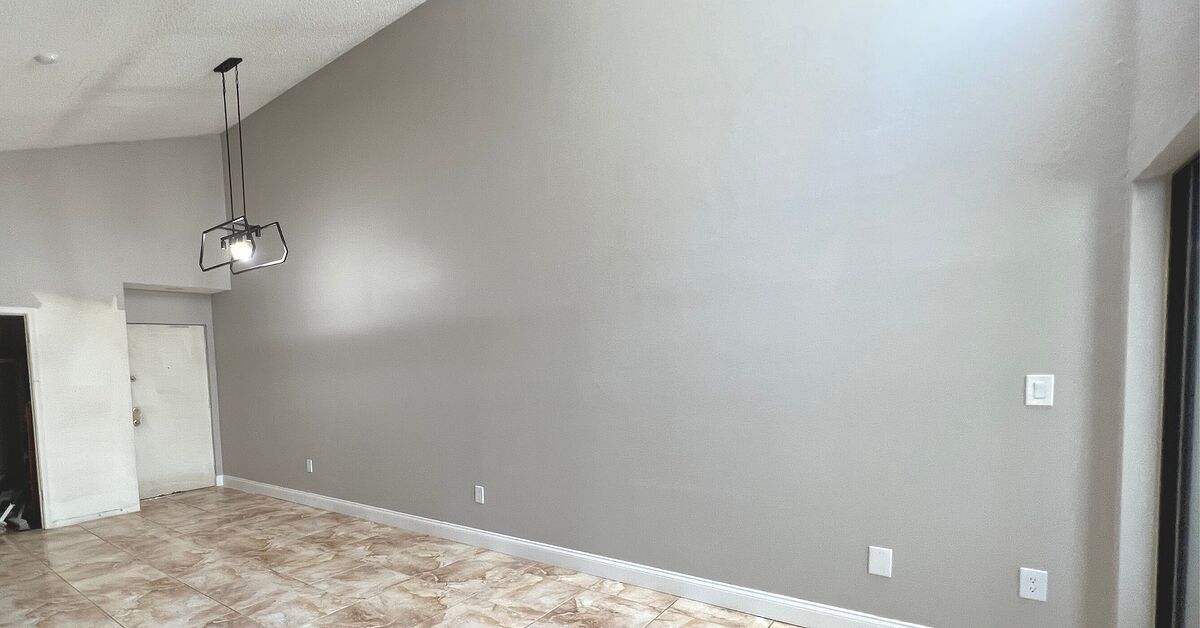
Before buying supplies, stand in your living room and look for the wall your eyes naturally notice first. In many homes, this is the wall behind the sofa, the fireplace wall, a TV wall, or the wall opposite the main entrance. That wall is usually the best candidate because it already behaves like a focal point.
Good Accent Wall Candidates
- The wall behind the sofa
- The fireplace or mantel wall
- The TV wall, especially if the TV looks lonely
- A long blank wall that needs structure
- A wall with built-in shelves or architectural detail
Walls to Think Twice About
Avoid choosing a wall only because it is empty. If the wall has several doors, awkward windows, vents, or random switches, a complicated pattern may feel choppy. You can still decorate it, but a simpler paint treatment or gallery wall may work better than a full board-and-batten design.
Budget Friendly Living Room Accent Wall DIY Ideas
There are many ways to create an accent wall without spending a fortune. The best option depends on whether you own or rent, how handy you are, and how permanent you want the project to be.
1. Paint a Bold Accent Wall
Paint is the easiest and often cheapest way to create a living room accent wall. A deep green, warm terracotta, charcoal, navy, soft black, clay, muted blue, or warm beige can completely change the mood of a room. For small living rooms, medium-toned colors often feel cozy without making the space look cramped.
The trick is sampling first. Paint colors change throughout the day depending on natural light, lamp temperature, and surrounding finishes. A color that looks elegant in the store may look like canned sadness at home. Paint a sample on the wall or on a large poster board, then check it morning, afternoon, and evening.
2. Try a Geometric Painted Wall
A geometric accent wall is perfect if you want impact but do not want to buy wallpaper or wood trim. Use painter’s tape to create triangles, arches, stripes, blocks, or abstract shapes. Choose two or three colors that already appear in your rug, pillows, artwork, or curtains.
For a polished look, use a base color first. After it dries, tape the pattern carefully, seal the tape edge with the base color, then paint the new color over it. This extra step helps prevent bleeding and gives you crisp lines. Yes, it feels fussy. Yes, it is worth it.
3. Install Peel-and-Stick Wallpaper
Peel-and-stick wallpaper is a favorite for renters and commitment-phobes with excellent taste. It comes in floral prints, grasscloth looks, stone effects, faux shiplap, modern murals, stripes, botanicals, and patterns ranging from “quiet luxury” to “grandma’s sofa went to art school.”
The cost depends on the wall size and pattern repeat, but using it on one wall keeps the budget under control. Order a sample first, especially for busy patterns. Also check the wall texture. Peel-and-stick wallpaper works best on smooth, clean, fully cured painted surfaces. If your wall texture resembles an orange peel with ambition, adhesion may be less reliable.
4. Create a Board-and-Batten Accent Wall
Board-and-batten is one of the most popular DIY living room accent wall ideas because it adds architectural character without requiring expensive materials. You can use MDF strips, lattice trim, or primed boards to create vertical lines, squares, rectangles, or a modern grid.
This project usually costs more than paint but less than custom paneling. The biggest secret is planning. Measure the wall, sketch the layout, and account for outlet placement before cutting anything. A little math now saves you from creating one weird skinny rectangle in the corner that you will notice forever.
5. Add Picture Frame Molding
Picture frame molding creates a classic, elegant look. Thin trim pieces are installed in rectangular frames, then painted the same color as the wall. The result feels custom, traditional, and surprisingly expensive-looking.
This idea works especially well in living rooms with formal furniture, vintage pieces, neutral colors, or a fireplace. It also pairs beautifully with framed wallpaper panels if you want a designer look on a small budget.
6. Use Faux Wood Slats
Wood slat walls are popular because they add warmth and texture. Real wood slat panels can get pricey, but you can create a budget version using thin pine strips, plywood strips, or affordable trim boards. Stain them for a natural finish or paint them for a modern look.
For a living room TV wall, vertical slats can make the wall feel taller and more finished. Just remember that spacing matters. Uneven gaps will announce themselves loudly, like a smoke alarm with design opinions. Use a spacer block to keep everything consistent.
7. Paint a Faux Limewash or Textured Finish
Textured walls are having a major design moment, but real plaster finishes can be expensive. A budget-friendly alternative is a faux limewash effect using matte paint and a wide brush. Layering slightly varied tones creates movement and softness.
This works beautifully with earthy colors such as clay, taupe, olive, mushroom, soft charcoal, and warm beige. The finish feels relaxed and organic, ideal for a cozy living room that should look stylish but not overly polished.
8. Build a Gallery Wall Accent
A gallery wall can become an accent wall without paint, wallpaper, or power tools. Use thrifted frames, family photos, printable art, vintage posters, woven baskets, mirrors, or small shelves. Keep the arrangement cohesive by repeating one element, such as black frames, warm wood, gold accents, or a consistent color palette.
This is one of the most renter-friendly accent wall ideas because it is easy to change over time. It also adds personality, which is design-speak for “your house should not look like a furniture showroom with trust issues.”
9. Hang Fabric, Tapestry, or Curtains
If you want softness and texture, consider a fabric wall. A large tapestry, curtain panels, or fabric mounted with removable hooks can create a dramatic accent without permanent changes. This is helpful in rentals, dorm-style spaces, or living rooms where sound echoes too much.
Choose fabric with enough weight to hang nicely. Lightweight fabric can look limp unless it is stretched or layered. For a high-end look, mount curtain rods close to the ceiling and let panels fall to the floor.
10. Use Shelving as an Accent Wall
Floating shelves can transform a blank wall into a functional feature. Style them with books, plants, ceramics, framed prints, candles, and meaningful objects. The budget depends on shelf material, but simple wood planks and brackets can be affordable.
The key is restraint. Do not place every souvenir, receipt, and mystery cable on the shelves. Leave breathing room so the wall feels designed, not like your junk drawer learned to climb.
Best Colors for a Budget Living Room Accent Wall
Color can make or break an accent wall. For a cozy living room, warm neutrals, muted greens, terracotta, navy, chocolate brown, and charcoal are reliable choices. For a brighter space, try pale blue-green, dusty rose, warm greige, sage, or soft clay.
If your living room is small, avoid extreme contrast unless you want a bold statement. A slightly deeper version of your existing wall color often looks more expensive than a random dramatic shade. For example, pair warm white walls with mushroom taupe, soft beige walls with caramel, or pale gray walls with smoky blue.
Tools and Materials You May Need
Your supply list depends on the project, but most accent wall DIY jobs require basic preparation tools. For painting, you will need painter’s tape, drop cloths, a roller, angled brush, tray, primer if needed, spackle, sandpaper, and paint. For molding or board-and-batten, add a tape measure, level, saw, brad nailer or adhesive, caulk, wood filler, and trim paint.
For peel-and-stick wallpaper, gather a utility knife, smoothing tool, level, pencil, step stool, clean cloth, and patience. Do not skip the patience. It is not sold at the hardware store, but it should be.
Step-by-Step: Simple Painted Accent Wall
Step 1: Clear and Clean the Wall
Move furniture away from the wall and remove artwork, nails, switch plates, and outlet covers. Wipe the wall with a damp cloth to remove dust and grime.
Step 2: Repair Imperfections
Fill nail holes and small dents with spackle. Let it dry, sand smooth, and wipe away dust. A dark accent color will highlight bumps, so prep matters.
Step 3: Tape the Edges
Use painter’s tape along trim, ceiling lines, and adjoining walls. Press the edge firmly for clean results.
Step 4: Cut In
Use an angled brush around the edges, corners, and outlets. Take your time here because this is where the wall starts looking professional or suspicious.
Step 5: Roll the Wall
Apply paint using a roller in overlapping sections. Two thin coats usually look better than one thick coat. Let the first coat dry according to the paint label before applying the second.
Step 6: Remove Tape Carefully
Remove painter’s tape before the final coat fully hardens. Pull slowly at an angle to avoid lifting fresh paint.
Common DIY Accent Wall Mistakes to Avoid
Choosing a Wall at Random
An accent wall should highlight the room’s best feature. If the wall does not make sense visually, the room may feel unbalanced.
Skipping Prep Work
Paint, wallpaper, and trim all look better on a clean, smooth surface. Prep is boring, but so is fixing preventable mistakes.
Using Too Many Competing Elements
If your wall has bold wallpaper, colorful art, wood trim, neon signs, shelves, and a giant clock, your living room may start hosting its own parade. Pick one main idea and let it shine.
Ignoring the Rest of the Room
Your accent wall should repeat colors or textures from nearby furniture and decor. Pull a shade from your rug, sofa pillows, artwork, or curtains to make the design feel connected.
Budget Breakdown: What Can You Do for Less?
For under $50, you can usually paint one wall, create a small stencil design, or build a simple gallery wall with thrifted frames. For $50 to $150, you can try peel-and-stick wallpaper on a modest wall, add basic molding, or create a painted geometric design with multiple colors. For $150 to $300, you can build a more detailed board-and-batten wall, install wood slats, or combine trim with wallpaper panels.
The cheapest project is not always the best value. A $40 paint job that matches your room beautifully may look more expensive than a $250 wall treatment that fights your furniture. Spend where it matters: samples, prep materials, good tape, and the right finish.
Best Renter-Friendly Accent Wall Ideas
Renters can still enjoy a stylish living room accent wall. Peel-and-stick wallpaper, removable decals, fabric panels, temporary murals, large artwork, leaning shelves, and curtain walls are excellent options. Always test removable products in a hidden area first, especially if the wall has older paint or textured surfaces.
For a no-damage solution, use a large folding screen or a freestanding bookcase against the wall. You get the visual impact of an accent wall without having to negotiate with your landlord or your security deposit.
How to Make a Cheap Accent Wall Look Expensive
The difference between cheap and chic is often alignment, color harmony, and finishing. Caulk trim seams. Use wood filler on nail holes. Paint boards and wall surfaces evenly. Choose matte or eggshell finishes for walls unless you need extra durability. Keep shelves styled but not crowded. Repeat colors from the room so the wall feels planned.
Lighting also matters. A wall sconce, picture light, floor lamp, or warm LED strip can make a DIY wall look custom. Even the best accent wall looks sad under harsh overhead lighting. Give it a glow-up, not an interrogation.
Experience-Based Tips for Budget Friendly Living Room Accent Wall DIY
After seeing many living room accent wall projects go from “quick weekend refresh” to “why is there caulk on the dog,” one lesson stands out: the planning stage is where the money is saved. Most budget problems happen because people buy materials before measuring, choose colors before checking light, or start installing trim before deciding where the sofa, TV, and artwork will sit.
One practical experience is to tape the design on the wall before committing. If you are planning board-and-batten, use painter’s tape to outline the grid. Live with it for a day. Sit on the sofa. Watch TV. Walk in from the front door. If the pattern feels too busy in tape form, it will not magically calm down once painted. Painter’s tape is cheaper than MDF, so let it be your brutally honest design consultant.
Another useful tip is to buy one extra piece of trim or one extra roll of wallpaper when the budget allows. This sounds like spending more, but it can prevent a half-finished wall if you miscut a board or discover that your wallpaper pattern repeat eats more material than expected. Nothing tests a DIYer’s emotional stability like returning to the store and finding the exact pattern is out of stock.
Paint projects also benefit from restraint. A dramatic color can look amazing, but it should connect to something already in the room. If your living room has sage pillows, a green-gray accent wall makes sense. If your rug has rust and cream tones, a terracotta wall can feel warm and intentional. If you choose neon purple because it looked fun online, the wall may start demanding its own reality show.
For beginners, the most forgiving DIY accent wall is a painted wall or a simple picture frame molding design. Peel-and-stick wallpaper can look incredible, but large patterns require careful alignment. Board-and-batten looks custom, but it requires measuring and cutting. A painted wall gives you the biggest transformation with the lowest risk, and if the color fails, you can paint over it. That is the beauty of paint: it forgives more easily than your group chat.
When working on a tight budget, do not underestimate thrift stores, leftover paint sections, online marketplaces, and scrap wood bins. A gallery wall made from secondhand frames can look collected and personal. A half-used gallon of quality paint in the right color can save money. Reclaimed wood can add character, as long as it is clean, safe, and straight enough to install.
Finally, finish the wall completely before judging it. Many DIY projects look strange halfway through. Trim without caulk looks rough. Paint before the second coat looks uneven. Wallpaper before the outlet covers go back on looks chaotic. Give the project the dignity of a proper finish before deciding whether it worked. Clean the edges, style the furniture, add lighting, and then step back. Often, the wall that caused the most doubt during installation becomes the part of the living room everyone compliments first.
Conclusion
A budget friendly living room accent wall DIY project is one of the most effective ways to refresh your home without committing to a full renovation. Whether you choose paint, peel-and-stick wallpaper, molding, board-and-batten, wood slats, shelves, fabric, or a gallery wall, the goal is the same: create a focal point that makes your living room feel more personal, polished, and inviting.
Start with the wall that naturally draws attention. Choose materials that match your budget and skill level. Sample colors, measure carefully, prep the surface, and keep the design connected to the rest of the room. You do not need a giant budget to create a beautiful living room. You need a smart plan, a steady hand, and maybe a snack break before using power tools.
The best accent wall is not the most expensive one. It is the one that makes your living room feel like yours every time you walk in.