Note: This article is original, rewritten editorial content based on publicly available information about SaaStr, its founder Jason Lemkin, SaaS community growth, B2B social media strategy, content marketing benchmarks, and real-world platform behavior. Source links are intentionally omitted for clean web publishing.
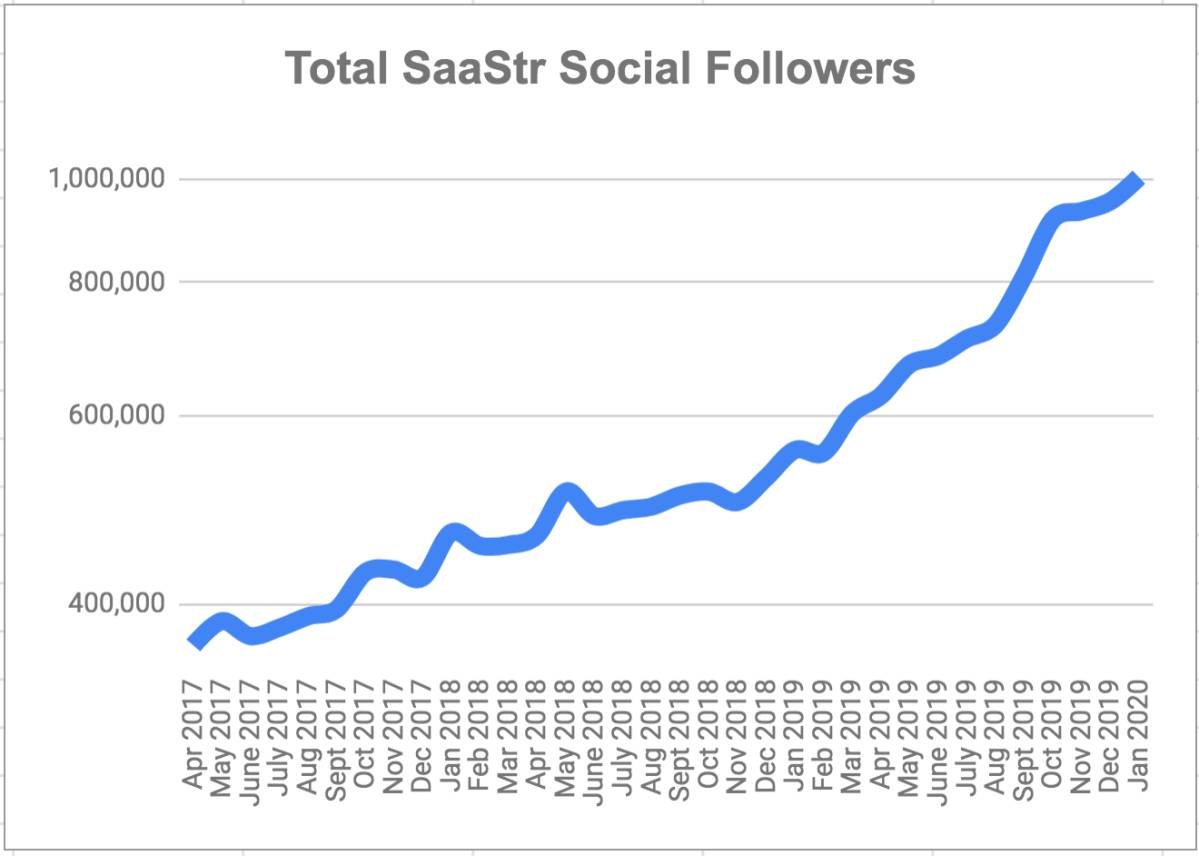
When SaaStr crossed 1,000,000 social followers, it was not just another shiny number to pin on the digital refrigerator. In the B2B SaaS world, where “viral” usually means three founders liking the same LinkedIn post before lunch, reaching one million followers across social channels was a meaningful milestone. It showed that serious enterprise software content can travel far beyond a niche blog, a founder’s personal network, or a conference hallway full of badge lanyards and cold brew.
SaaStr, founded by Jason Lemkin, began as a simple place to share hard-earned lessons about scaling a SaaS company from zero to real revenue. Over time, it became one of the most recognized communities for SaaS founders, executives, operators, investors, and anyone who has ever wondered whether hiring a VP of Sales too early can accidentally turn a board meeting into a small kitchen fire.
The lesson from SaaStr’s social growth is not “post more.” That is what people say when they want a strategy but only have a calendar. The real lesson is that audience growth comes from disciplined goals, channel-specific content, consistent community value, and a deep understanding that social followers are not the same thing as business outcomes. Followers are an audience. Trust is the asset. Email lists, event attendance, podcast loyalty, search traffic, and community relationships are what turn attention into momentum.
Why SaaStr’s 1,000,000 Social Followers Matter
In B2B marketing, social media often gets treated as a side dish. Sales teams want leads. Founders want pipeline. Investors want charts pointing up and to the right. Meanwhile, someone in marketing is trying to explain why a thoughtful LinkedIn post matters, while the CFO quietly asks whether “impressions” can pay rent.
SaaStr’s growth proved that social media can be much more than vanity metrics when it is connected to a larger ecosystem. The company did not grow because it treated social platforms as random announcement boards. It grew because SaaStr had a strong content engine, a clear audience, recognizable thought leadership, major events, a newsletter, a podcast, educational resources, and an active founder voice behind the brand.
The one-million-follower milestone also highlighted a key truth: B2B audiences are still people. They may buy enterprise software, sit through procurement reviews, and use phrases like “stakeholder alignment,” but they still respond to useful ideas, honest lessons, smart opinions, and content that respects their time. SaaStr’s audience did not show up for generic growth hacks. They showed up for specific, experience-backed advice on building and scaling SaaS companies.
The Big Lesson: What Gets Measured Gets Managed
One of SaaStr’s clearest lessons was almost painfully simple: measuring social followers was not enough. Growth accelerated when social audience growth became a real goal with actual KPIs. That distinction matters. Plenty of companies track numbers. Far fewer treat the right numbers as strategic priorities.
For a long time, SaaStr focused more on list growth than social follower growth. That made sense because email subscribers were closer to the business. A newsletter subscriber could become an event attendee, a course participant, a sponsor lead, or a long-term community member. Social followers were harder to measure because people often followed the same brand on multiple platforms. Someone might follow SaaStr on LinkedIn, Jason Lemkin on X, the SaaStr podcast, and a Quora feed. Counting that person four times is not exactly scientific. It is more like marketing math wearing a nice blazer.
Still, SaaStr created a “total social followers” metric because imperfect measurement was better than ignoring the trend. Once the team set goals and treated social growth as a top priority, the number moved. The lesson for SaaS companies is clear: if social media matters, define what success looks like. Track audience growth, engagement, traffic, newsletter conversion, event conversion, content performance, and community participation. Do not simply stare at follower counts and hope they become revenue through positive thinking.
Every Social Channel Wants Something Different
One of SaaStr’s strongest lessons is that each platform has its own personality. Treating LinkedIn, X, Quora, YouTube, podcasts, newsletters, and blogs the same way is like serving the same meal at a wedding, a board meeting, and a toddler’s birthday party. Someone will eat it, but the room will feel confused.
LinkedIn Rewards Professional Context
LinkedIn has long been one of the most important social platforms for B2B companies. For SaaStr, LinkedIn became a place where professional lessons, recirculated content, company updates, and founder insights could perform well. Unlike some fast-moving social channels, LinkedIn often gives content a longer shelf life. A strong post can continue generating comments and profile visits for days.
The key is relevance. LinkedIn audiences want content that helps them think better, sell better, hire better, lead better, or avoid expensive mistakes. SaaStr-style content works because it speaks directly to founders and executives dealing with real problems: scaling sales, raising capital, managing churn, hiring leaders, building customer success, and surviving the wild emotional weather of startup life.
X Rewards Fresh Thinking and Short Insights
For SaaStr, X historically worked best when the content was new, sharp, and useful. Short-form “micro-blog” style posts can perform well when they deliver a complete idea quickly. The trick is that repeating old content often performs poorly on fast-moving platforms. Audiences there want immediacy, opinion, and compressed value.
That does not mean every post needs to be a miniature TED Talk with punctuation issues. It means the post should have a point. A short SaaS lesson, a pricing observation, a hiring warning, or a quick founder truth can outperform a polished promotional announcement. Social users can smell “please register for our thing” from three scrolls away.
Quora Rewards Helpful Depth, But Algorithms Change
SaaStr’s roots are closely tied to Quora, where Jason Lemkin shared practical answers about SaaS growth, sales, fundraising, and leadership. Quora helped SaaStr reach audiences searching for specific answers. But the platform changed over time, as all platforms do. What worked in the early days did not always work later.
This is a crucial lesson for content marketers: never build your entire strategy on rented land. Social platforms change algorithms, formats, incentives, and distribution rules. A channel that once produced strong reach may plateau. A format that once worked may fade. The smart move is to keep learning, keep testing, and avoid becoming emotionally attached to yesterday’s winning tactic.
Blogs Still Matter When They Deliver Data and Search Value
SaaStr also learned that the blog remained powerful, especially when content was data-rich and actionable. The modern blog is not a “destination” in the old-school sense. People do not usually wake up, pour coffee, and type a company blog URL into a browser like it is 2009. They arrive through Google, social posts, newsletters, internal Slack shares, and links from other sites.
That means blog content must earn its traffic. For SaaS audiences, strong blog posts often include benchmarks, specific numbers, lessons learned, founder mistakes, tactical frameworks, and examples from real companies. Fluffy thought leadership may look elegant, but actionable insight gets bookmarked.
The List Is Still Gold
SaaStr’s social success did not replace email. In fact, one of the biggest lessons was that email remained one of the most valuable channels. Social platforms create reach, but email creates ownership. A follower belongs partly to the platform. A subscriber belongs much more directly to the brand relationship.
This matters because SaaStr’s business is not only content. It includes events, sponsorships, education, community experiences, and resources for SaaS leaders. A social post may spark interest, but an email list can drive repeat attendance, promote new resources, and maintain a direct line with the audience.
However, email lists age. People change jobs. Work emails disappear. Startup founders become executives. Executives become investors. Investors somehow become podcast hosts. If a list is not maintained, cleaned, refreshed, and re-engaged, it gradually decays. SaaStr’s experience shows that newsletter growth is not just about adding names. It is about keeping the audience reachable, interested, and properly segmented.
Follower Count Is Not the Same as Revenue
One million followers sounds wonderful. It also sounds like something that should immediately make money fall from the ceiling. Unfortunately, B2B marketing does not work like a slot machine with better fonts.
SaaStr understood that some platforms were better for awareness, while others were better for conversion. LinkedIn may build credibility. X may drive conversation. Quora may answer search-like questions. Podcasts may build loyalty. The blog may bring in search traffic. Email may convert interest into action. Events may deepen relationships in a way no dashboard can fully capture.
The smartest SaaS marketers do not ask, “Which channel is best?” They ask, “What job does this channel do?” Some channels create trust. Some create traffic. Some create leads. Some create community. Some create authority. Some make your CEO look brilliant, and some make your CEO wonder why a harmless post about pricing produced 83 comments and one person yelling about procurement.
Podcasts Are Powerful, Even When Attribution Is Messy
SaaStr’s podcast became an important part of its content ecosystem. Podcasts are unusual because listeners often build a deep relationship with the host and brand, but tracking discovery and conversion can be difficult. Someone may listen for months before signing up for an event, subscribing to a newsletter, or recommending the brand to a founder friend.
That makes podcasts both valuable and mysterious. They are not always the cleanest performance-marketing channel, but they can be excellent for authority, education, and audience loyalty. SaaS founders and executives often listen while commuting, traveling, walking, or avoiding their inbox with noble professional intent.
The lesson is not that every SaaS company needs a podcast. The lesson is that different people prefer different learning formats. Some want a long-form article. Some want a two-minute social post. Some want a conference session. Some want a podcast interview. Some want a course. The best content strategies respect these differences and repurpose core ideas into multiple formats without turning everything into bland leftovers.
Native Video Works Because People Trust Faces
SaaStr also saw the power of native video on social platforms. Video works because it adds tone, facial expression, energy, and authenticity. In B2B, that can be especially important because so much content sounds like it was written by a committee trapped in a conference room.
Native video can make complex ideas easier to absorb. A founder explaining a fundraising mistake in 90 seconds can be more memorable than a polished infographic. A short clip from a SaaStr Annual session can pull viewers into the broader event experience. A direct-to-camera insight from an operator can feel more human than a polished brand post.
The key is not expensive production. The key is useful substance. B2B audiences do not need fog machines, dramatic zooms, or background music that sounds like a spaceship preparing for quarterly planning. They need clarity, credibility, and a reason to keep watching.
Community Beats Audience
A following is not automatically a community. A following means people receive your content. A community means people engage, learn, connect, return, and identify with the mission. SaaStr’s growth matters because it built more than a content machine. It built a recognizable ecosystem for SaaS learning.
SaaStr Annual, SaaStr Europa, mentorship sessions, workshops, educational content, newsletters, podcasts, and social channels all support the same larger promise: helping SaaS founders and executives scale with less stress and more success. That consistency is powerful. It gives people a reason to stay connected even when they are not actively buying anything.
For B2B brands, this is a major lesson. Do not confuse audience capture with community building. Audience capture is “follow us for updates.” Community building is “come here to get better at something that matters to your career and company.” The second one is much harder, but it is also much more durable.
Channel Plateaus Are Normal
Every channel eventually plateaus. This is not failure. It is gravity. SaaStr saw growth slow on channels that had previously performed well. That happens because algorithms shift, audiences saturate, competition increases, and novelty wears off.
The wrong reaction is panic. The right reaction is diagnosis. Is the content still strong? Has the audience changed? Is the platform rewarding different formats? Is the channel still valuable for awareness even if follower growth slows? Should the team create a new sub-channel, test a new format, or invest more in owned media?
Plateaus can be useful because they force strategic thinking. A company that only knows how to grow by doing more of the same will eventually run into a wall and call it a market condition. A better company studies the wall, finds the door, and occasionally admits the door is actually a podcast.
What SaaS Companies Can Learn From SaaStr
The SaaStr social growth story offers a practical playbook for SaaS companies, especially those trying to build authority in a crowded market.
1. Make Audience Growth a Real Goal
If audience growth matters, put it in the company’s operating rhythm. Assign ownership. Set platform-level goals. Review content performance. Track leading indicators such as engagement quality, follower growth, newsletter signups, website visits, demo requests, event registrations, and community participation.
2. Create Platform-Specific Content
Do not paste the same post everywhere and call it distribution. Adapt the idea to the channel. Turn a blog insight into a LinkedIn carousel, a short X thread, a podcast question, a YouTube clip, and a newsletter section. The core idea can stay the same, but the packaging should fit the room.
3. Build Owned Media Alongside Social
Social reach is valuable, but owned media is safer. Build a newsletter, resource hub, event list, private community, or educational library. Use social platforms to attract attention, then give people a reason to build a direct relationship with your brand.
4. Share Specific Lessons, Not Generic Motivation
Founders and operators do not need another post saying “consistency is key.” They need to know what happens when a sales hire misses quota for two quarters, how pricing changes affect conversion, why customer success gets overwhelmed after product-market fit, or how to think about AI in go-to-market operations. Specificity earns trust.
5. Treat Community as a Long-Term Asset
The strongest communities are not built from occasional campaigns. They grow through repeated value. SaaStr became trusted because it kept showing up with useful content, candid lessons, high-quality events, and access to experienced operators. The compounding effect took years, not weeks.
Additional Experiences and Practical Reflections
The deeper lesson behind “SaaStr Crosses 1,000,000 Social Followers” is that social growth is rarely one big trick. It is usually a thousand small decisions repeated long enough to look obvious in hindsight. For any SaaS founder, marketer, or community builder, the SaaStr example is useful because it is not based on celebrity culture or consumer entertainment. It is based on expertise, consistency, and a strong point of view.
One practical experience many B2B teams discover is that the founder’s voice often outperforms the company page. This does not mean company pages are useless. It means people connect with people faster than they connect with logos. A founder who shares honest lessons about churn, hiring, pricing, sales mistakes, or fundraising realities can build trust faster than a brand account posting “We are thrilled to announce” for the 47th time this quarter. Thrilled is fine. Useful is better.
Another experience is that the best-performing content often comes from internal conversations. Sales calls reveal objections. Customer success teams hear pain points. Product teams know what users misunderstand. Founders know where the company nearly drove into a ditch. These moments are content gold. Instead of forcing marketers to invent topics from scratch, companies should build a system for capturing real customer questions, operator lessons, and market observations.
SaaStr’s journey also shows the importance of repurposing without becoming repetitive. A strong conference session can become a blog post, several clips, a newsletter highlight, a podcast discussion, and multiple social posts. But each version needs to feel native. Repurposing is not copying and pasting with different hashtags. It is translating one valuable idea into the language of each format.
There is also a lesson about patience. Many teams quit too early. They post for three months, see modest engagement, and declare that “our buyers are not on social.” Usually, the buyers are there. They are just not impressed yet. Building trust in B2B takes time because the stakes are higher. Nobody buys enterprise software because one post had a spicy hook. But a steady stream of credible content can influence perception, shorten trust-building cycles, and make a brand familiar before the sales conversation begins.
Finally, SaaStr’s growth reminds marketers to balance ambition with humility. One million followers is impressive, but it is not the finish line. Platforms change. Audience habits shift. AI alters content production. Search behavior evolves. The brands that keep winning are not the ones that worship their old playbook. They are the ones that keep testing, keep listening, keep measuring, and keep serving the community before asking the community to buy something.
That may be the most useful lesson of all. Social media growth is not really about social media. It is about earning enough trust that people want to keep learning from you. SaaStr reached one million followers because it gave SaaS builders a place to find practical answers, smart debate, operator wisdom, and occasional reassurance that yes, scaling a company is supposed to feel a little chaotic. If your brand can do the same for its audience, follower growth becomes a byproduct of relevancenot a desperate chase for applause from the algorithm.
Conclusion
SaaStr crossing 1,000,000 social followers is more than a milestone. It is a case study in how B2B brands can build meaningful reach without watering down their expertise. The biggest lessons are clear: set real goals, respect each platform, build owned channels, create useful content, expect plateaus, and remember that community is more valuable than raw audience size.
For SaaS companies, the path forward is not to copy every SaaStr tactic exactly. Your audience, product, market, and founder voice may be different. The smarter move is to copy the discipline behind the growth: measure what matters, create content people actually need, distribute it thoughtfully, and connect social attention to deeper business assets like email, events, education, and community trust.