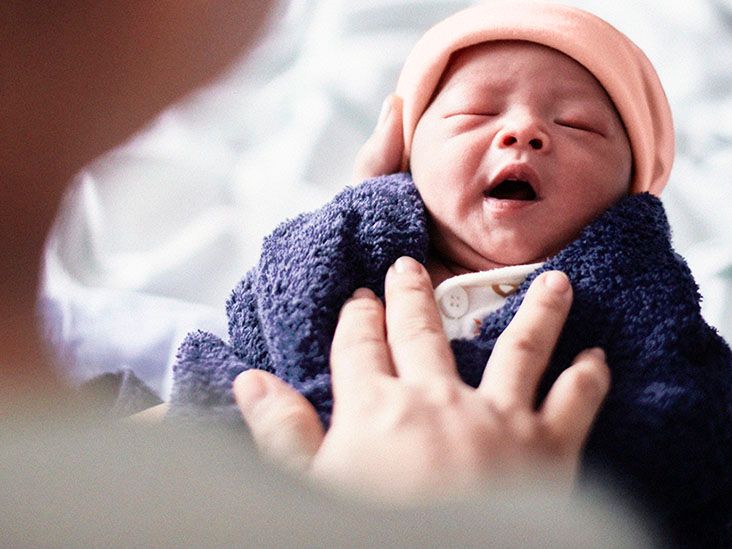
Seeing crusty lashes or a goopy corner of the eye on a brand-new baby can feel alarming, especially when you are already running on two hours of sleep and one cold cup of coffee. The good news is that newborn eye discharge is often caused by a blocked tear duct and clears with time, while other common causes include conjunctivitis, irritation, or a less common eye infection that needs prompt treatment. The key is learning what is normal, what is not, and when to call the pediatrician.
In newborns, discharge can range from a little clear tearing to yellow, green, watery, or thick pus-like drainage. A baby may also have eyelids that stick together after sleep, mild redness, or swelling around the eye. Some patterns are harmless and temporary, but drainage with redness, tenderness, or swelling deserves more attention because newborns can develop infections quickly.
What newborn eye discharge usually means
The most common explanation is a blocked tear duct, also called nasolacrimal duct obstruction. Tears are supposed to drain from the eye into the nose, but in many babies that pathway is still narrow or partly covered by a thin membrane. That can cause constant watering, mild crusting, or yellowish goop that shows up after naps or overnight. Many blocked tear ducts improve on their own during the first months of life.
Another major cause is conjunctivitis, or pink eye. In newborns, this can be bacterial, viral, or occasionally caused by irritation. The eyes may look red or pink, the eyelids may puff up, and the discharge can become thicker than simple tear overflow. Certain newborn eye infections can begin a few days to several weeks after birth and should be taken seriously because some are linked to bacteria picked up during delivery.
Common causes of newborn eye discharge
1. Blocked tear duct
A blocked tear duct is one of the most common reasons for a watery or crusty eye in a newborn. Parents often notice one eye draining more than the other, tears spilling onto the cheek, or dried discharge at the inner corner of the eye. The eye itself is usually not very red, and the baby often seems otherwise comfortable. If the drainage stays mild and the baby is otherwise well, doctors frequently recommend watchful waiting and gentle massage.
2. Newborn conjunctivitis
Newborn conjunctivitis can be caused by bacteria, including germs that can be passed from the mother’s birth canal, and it may need treatment right away to protect vision. Signs can include eyelid swelling, red eyes, tenderness, and thick discharge. Some cases are mild, but bacterial infections may require prescription antibiotics, and severe cases need urgent evaluation.
3. Irritation or temporary crusting
Sometimes a newborn’s eyes simply get crusty from normal tears, a little irritation, or dried ointment after birth. Mild discharge without redness, swelling, or worsening symptoms may only need gentle cleaning. Still, newborn eyes are sensitive, so any pattern that changes quickly or seems to be getting worse should be checked.
4. Less common infections or inflammation
Less commonly, eye discharge may be connected to eyelid inflammation such as blepharitis or a tear duct infection called dacryocystitis. These can bring crusting, redness, and discomfort, and dacryocystitis may need antibiotics. If the skin around the eye becomes red and swollen or the baby looks unwell, medical care should not wait.
How doctors figure out the cause
Doctors usually start with a simple exam and questions about when the discharge began, what color it is, whether one or both eyes are affected, and whether the eye is red or swollen. The timing matters. Discharge in the first day or two of life can point toward one set of causes, while drainage appearing later in the first few weeks can point toward blocked tear duct or newborn conjunctivitis. In some cases, the pediatrician may swab the eye or refer the baby to an eye specialist.
Treatments that may help
For a blocked tear duct
Most blocked tear ducts do not need aggressive treatment. Doctors often recommend a watch-and-wait approach, plus a massage technique that gently presses along the side of the nose to help open the duct. Some babies also need topical antibiotics if discharge suggests a secondary infection. Many cases clear as the drainage system matures, often within the first months of life.
For bacterial conjunctivitis
Bacterial conjunctivitis usually needs prescription treatment, often antibiotic eye drops or ointment chosen by the doctor. Erythromycin is commonly used in newborn care to help prevent certain eye infections, and other antibiotics may be prescribed depending on the cause. Because newborn eye infections can threaten sight, the goal is not to “wait it out” when bacterial infection is suspected.
For viral or irritative causes
Viral conjunctivitis generally does not improve with antibiotics, and supportive care is usually the main approach. That can include keeping the eye clean and following the pediatrician’s advice closely. If the issue is irritation rather than infection, treatment may be as simple as cleaning the eye and monitoring for changes.
What parents can safely do at home
For mild crusting, gently wipe away discharge with a clean, warm, damp washcloth or cotton pad. Use a fresh section for each eye so you do not move germs from one side to the other. If your doctor has shown you tear duct massage, do it exactly the way they taught you. And never put someone else’s eye medication, old eye drops, or random leftover medicine into a newborn’s eye.
It is also wise to keep hands clean before touching the baby’s face and to avoid aggressive rubbing. Newborn eyes are tiny, delicate, and easy to irritate, so “gentle” is the operating word here. If the discharge keeps returning after cleaning, or if the eye looks more irritated afterward, call the pediatrician rather than trying to push through it.
When to call the pediatrician right away
Get medical advice promptly if the eye is red, the eyelids are swollen, the discharge is thick and yellow or green, or the baby seems tender when the eye is touched. Newborns with pink eye can develop drainage within days to weeks after birth, and early treatment matters. A baby who has a worsening eye problem should not be treated as a “wait and see” project for too long.
You should also call quickly if the baby has poor feeding, unusual sleepiness, fever, or seems generally unwell. Eye discharge is sometimes just an eye issue, but in a newborn it can occasionally be part of a bigger infection story, so it is better to be cautious.
Can newborn eye discharge be prevented?
Not every case can be prevented, especially when a blocked tear duct is the reason. Still, newborn eye protection begins at birth: hospitals commonly use antibiotic ointment to help prevent serious eye infections. Good prenatal care, infection screening during pregnancy, and prompt attention to any eye redness or heavy discharge also help reduce risk.
There is also a practical prevention piece after baby comes home: clean hands, clean cloths, and quick action when symptoms change. That combination will not solve everything, but it can keep a small problem from becoming a bigger one.
What parents often experience in real life
In real life, newborn eye discharge tends to show up at the most inconvenient times. A parent may notice it first thing in the morning, when a tiny eyelid is stuck shut and the baby looks offended by the existence of daylight. Then, after a gentle wipe, the eye may look fine for hours, which can make the whole thing feel strangely mysterious. That stop-and-start pattern is especially common with blocked tear ducts, where the eye can seem watery one minute and crusty the next.
Many parents also describe the emotional whiplash of newborn care: one second you are admiring a peaceful sleeping face, and the next you are staring at a sticky yellow corner and wondering whether it is “normal baby stuff” or a sign of a real problem. That uncertainty is completely understandable. Newborns do a lot of tiny, dramatic-looking things that turn out to be harmless, but eyes are one area where it pays to trust your instincts. If the discharge is mild, clear, and paired with a baby who is otherwise comfortable, the situation may lean toward a blocked tear duct. If the eye is red, swollen, tender, or producing thick pus-like discharge, the mood changes fast and so should the plan.
Another common experience is learning that newborn eye care is more about patience than drama. Parents often expect a flashy fix, but blocked tear ducts usually need time, gentle cleaning, and sometimes massage. That can be frustrating when you are the one doing the midnight wipe-downs, especially if the discharge keeps coming back after every nap. But the upside is that many babies outgrow the problem without surgery or complicated treatment, which is a very welcome outcome when life already feels busy enough.
Families also tend to notice that one eye may be worse than the other. That unevenness can be reassuring, because it often fits the blocked tear duct pattern rather than a full-eye infection. Still, if the discharge changes color, becomes heavier, or comes with redness, it is wise to move from observation to action. A few minutes of checking the eye in good light can tell you a lot: clear tears and light crusting are not the same as a puffy lid and thick drainage. The former may be annoying; the latter deserves a doctor’s call.
Parents often say the hardest part is not the wiping or the massage. It is the not-knowing. New babies cannot explain whether the eye is itchy, painful, or just a little clogged, so caregivers become detectives, translators, and midnight janitors all at once. The good news is that most of the common causes have recognizable patterns. Once you know those patterns, the situation feels less scary and more manageable. A little tear duct blockage, for example, can look dramatic in the crib but behave quite calmly when you know what to expect. A true infection, on the other hand, tends to announce itself with redness, swelling, and discharge that keeps coming back no matter how gently you clean.
There is also a learning curve around how often to clean the eye. Some parents are afraid to touch it at all, while others overclean in a way that makes the skin around the eye irritated and pink. The sweet spot is gentle, consistent care. Think soft wipe, clean hands, no rubbing, and no experimenting with home remedies that sound clever on social media but have no place near a newborn’s eye. If a doctor recommends massage or medicine, follow that plan exactly; if not, keep things simple.
Over time, many families notice a reassuring trend: the discharge gets lighter, the eye stays clear longer, and the morning crusting becomes a smaller and smaller nuisance. That improvement is often the first clue that the problem was a blocked tear duct rather than a true infection. For other families, the story is shorter because the pediatrician treats the eye infection quickly and the baby bounces back fast. Either way, the experience usually ends with the same lesson: newborn eyes are sensitive, but they are also good at healing when they get the right care at the right time.
Conclusion
Newborn eye discharge is common, but it is not something to ignore blindly. The most likely cause is a blocked tear duct, especially when the eye is watery and only mildly crusty. Conjunctivitis and other infections become more likely when redness, swelling, tenderness, or thick yellow-green discharge show up. Gentle cleaning, doctor-guided massage, and prescription treatment when needed are the main tools for handling the problem safely. When in doubt, call the pediatrician. In newborn care, it is always better to be the parent who checked than the one who waited too long.
Note: This article is for general educational purposes and is not a substitute for care from your pediatrician or eye doctor.