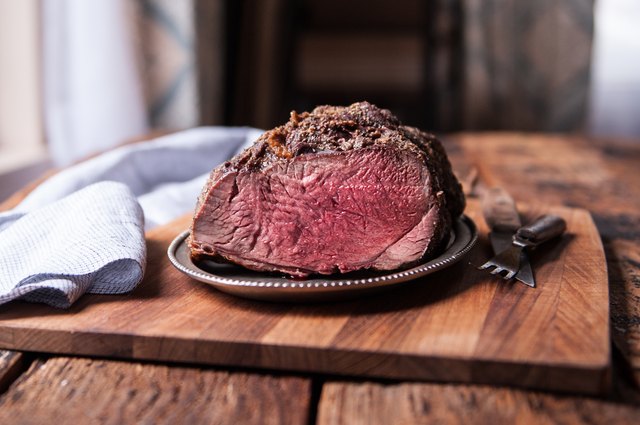
A beef rib eye roast is the kind of dinner that makes people suddenly “just happen” to walk through the kitchen. It smells rich, looks impressive, and slices like a steakhouse centerpiecewithout requiring you to wear a chef coat or whisper dramatically to a copper saucepan. The secret is not magic. It is patience, seasoning, a reliable thermometer, and a cooking method that gives the roast time to become tender while building a crust worthy of applause.
This foolproof recipe is built for home cooks who want a juicy beef rib eye roast with a rosy center, a savory garlic-herb crust, and enough confidence to carve at the table without breaking into a nervous sweat. Whether you are cooking for a holiday, Sunday dinner, a birthday, or simply because beef was on sale and ambition struck, this guide walks you through every step.
The method below uses a reverse-sear style approach: roast low and slow first, rest the meat, then finish with very high heat for a crisp, browned exterior. This helps the roast cook evenly from edge to center, instead of creating a thick gray band around the outside. In plain English: fewer regrets, better slices, happier forks.
What Is a Beef Rib Eye Roast?
A beef rib eye roast comes from the rib section of the animal, the same richly marbled area that gives us ribeye steaks and prime rib. The roast may be sold boneless or bone-in. A bone-in version is often called a standing rib roast because the bones can act like a natural roasting rack. A boneless rib eye roast is easier to carve, fits neatly in a roasting pan, and still delivers excellent flavor thanks to generous marbling.
Marbling is the fine streaks of fat inside the meat. During cooking, that fat melts slowly, adding tenderness and deep beefy flavor. This is why a rib eye roast usually tastes luxurious even with simple seasoning. You do not need a sauce parade, a twelve-spice ceremony, or a secret family chant. Salt, pepper, garlic, herbs, and careful temperature control will do most of the heavy lifting.
Why This Foolproof Rib Eye Roast Recipe Works
The biggest mistake people make with a large beef roast is trusting time alone. Cooking time can change depending on the roast’s weight, shape, starting temperature, oven accuracy, and whether the roast is bone-in or boneless. A thermometer is not optional here; it is the adult in the room.
This recipe works because it focuses on internal temperature, not guesswork. The low oven temperature gently cooks the roast, helping the center warm evenly. The rest period allows juices to redistribute and carryover heat to finish the job. The final blast of heat browns the outside without overcooking the middle.
Ingredients for the Best Beef Rib Eye Roast
Main Ingredients
- 1 boneless beef rib eye roast, 4 to 6 pounds
- 2 tablespoons kosher salt
- 2 teaspoons freshly ground black pepper
- 2 tablespoons olive oil or softened unsalted butter
- 5 garlic cloves, finely minced
- 1 tablespoon chopped fresh rosemary
- 1 tablespoon chopped fresh thyme
- 1 teaspoon onion powder
- 1 teaspoon smoked paprika, optional
- 1 teaspoon Dijon mustard, optional but delicious
Optional Au Jus Ingredients
- 1 cup low-sodium beef broth
- 1/2 cup dry red wine or additional broth
- 1 teaspoon Worcestershire sauce
- Pan drippings from the roast
- Salt and pepper to taste
Equipment You Will Need
You do not need a professional kitchen, but a few tools make the process much easier:
- A roasting pan or rimmed baking sheet
- A roasting rack
- An instant-read thermometer or probe thermometer
- Kitchen twine, if your roast needs shaping
- A sharp carving knife
- Aluminum foil for loose tenting
If your roast is uneven, tie it with kitchen twine every 1 1/2 to 2 inches. A compact, even shape cooks more predictably. Think of it as giving the roast a supportive little sweater.
Step-by-Step Foolproof Beef Rib Eye Roast Recipe
Step 1: Salt the Roast Ahead of Time
For the best flavor, season the roast with kosher salt 12 to 24 hours before cooking. Place it uncovered on a rack set over a baking sheet and refrigerate it. This dry-brining step helps the salt move into the meat, improves moisture retention, and dries the surface slightly so it browns better later.
If you forgot to season ahead, do not panic. Season at least 1 hour before cooking if possible. If dinner is in full emergency mode, season right before roasting. The roast will still be good. It is beef rib eye, not a pop quiz.
Step 2: Bring the Roast Out Briefly Before Cooking
Remove the roast from the refrigerator about 45 to 90 minutes before it goes into the oven. This takes the chill off the surface and helps it cook more evenly. Do not leave it out for hours. Food safety still matters, even when the kitchen smells like a steakhouse dream.
Step 3: Make the Garlic-Herb Rub
In a small bowl, mix olive oil or softened butter with garlic, black pepper, rosemary, thyme, onion powder, smoked paprika, and Dijon mustard. Spread the mixture evenly over the roast, coating the top and sides. If using butter, make sure it is soft enough to smear easily. Cold butter will behave like a stubborn toddler and clump in random places.
Step 4: Roast Low and Slow
Preheat the oven to 250°F. Place the roast fat-side up on a rack in a roasting pan. Insert a probe thermometer into the thickest part of the roast, keeping the tip away from fat pockets and the pan.
Roast until the internal temperature reaches your target pull temperature. For a final medium-rare result around 130°F to 135°F, pull the roast at about 120°F to 125°F. For a final medium result around 140°F to 145°F, pull it at about 132°F to 138°F. The USDA recommends cooking beef roasts to a minimum internal temperature of 145°F followed by a rest period, so use that as your safety benchmark, especially when serving children, older adults, pregnant guests, or anyone with a weakened immune system.
A 4- to 6-pound boneless rib eye roast usually takes about 2 1/2 to 4 hours at 250°F, but the thermometer is the boss. The oven timer is merely an enthusiastic intern.
Step 5: Rest the Roast
Remove the roast from the oven and loosely tent it with foil. Let it rest for 25 to 35 minutes. During this time, the internal temperature will continue to rise because of carryover cooking. Resting also helps the juices settle back into the meat instead of flooding the cutting board the moment you slice.
Step 6: Sear at High Heat
While the roast rests, increase the oven temperature to 500°F. Once the oven is fully hot, remove the foil and return the roast to the oven for 8 to 12 minutes, or until the outside is deeply browned and sizzling. Watch it closely. This is the dramatic finale, not the time to start folding laundry.
After searing, let the roast sit for 5 to 10 minutes before carving. Since the roast already had its main rest, this shorter pause is enough.
Step 7: Slice and Serve
Transfer the roast to a cutting board. Slice against the grain into thick or thin slices, depending on your crowd. Thick slices feel luxurious; thin slices stretch the roast farther and make excellent sandwiches later. Serve with au jus, horseradish cream, mashed potatoes, roasted vegetables, or a crisp salad for balance.
Temperature Guide for Beef Rib Eye Roast
| Doneness | Pull Temperature | Approximate Final Temperature After Rest |
|---|---|---|
| Rare | 115°F to 120°F | 125°F to 130°F |
| Medium-Rare | 120°F to 125°F | 130°F to 135°F |
| Medium | 132°F to 138°F | 140°F to 145°F |
| USDA Minimum for Beef Roasts | About 140°F | 145°F with rest |
Because every oven and roast behaves differently, always verify with a thermometer. Insert it into the thickest center portion of the meat. Avoid touching the pan, a bone, or a thick seam of fat, because those can give misleading readings.
How to Make a Simple Au Jus
While the roast rests, place the roasting pan over medium heat if it is stovetop-safe. Add red wine or broth and scrape up the browned bits from the bottom. Those browned bits are flavor confetti. Add beef broth and Worcestershire sauce, then simmer for 5 to 8 minutes. Taste and adjust with salt and pepper.
If your pan is not stovetop-safe, pour the drippings into a saucepan and continue from there. Strain the au jus if you want it smooth. Leave it rustic if you like little bits of roasted garlic and herbs floating around like tiny flavor boats.
Best Side Dishes for Beef Rib Eye Roast
A rib eye roast is rich, so it pairs beautifully with sides that offer contrast. Creamy mashed potatoes are classic, but roasted garlic potatoes, Yorkshire pudding, green beans almondine, glazed carrots, or Brussels sprouts with balsamic vinegar also work well.
For a lighter plate, serve the roast with a peppery arugula salad, lemony asparagus, or roasted mushrooms. A horseradish cream sauce adds brightness and cuts through the richness. If you prefer something cozy, macaroni and cheese will not complain about being invited.
Common Mistakes to Avoid
Mistake 1: Cooking by Time Only
Cooking charts are helpful, but they are estimates. A thick 5-pound roast can take longer than a longer, flatter 5-pound roast. Use time as a rough plan and temperature as the final answer.
Mistake 2: Skipping the Rest
Cutting immediately after roasting releases too much juice. Resting is not wasted time; it is part of the recipe. Use those minutes to finish sides, warm plates, or practice saying, “Oh, this old roast? Just something I threw together.”
Mistake 3: Underseasoning
A large roast needs more salt than a steak because the seasoning must support many slices. Season the outside generously. You are not salting a potato chip; you are seasoning several pounds of beef.
Mistake 4: Forgetting Carryover Cooking
The internal temperature rises after the roast comes out of the oven. Pulling the roast exactly at your desired final temperature often means it will overshoot. Remove it early, rest it, and let physics do something useful for once.
How to Store and Reheat Leftovers
Cool leftover beef rib eye roast promptly, then store it in an airtight container in the refrigerator for up to 3 to 4 days. For longer storage, wrap slices tightly and freeze them for up to 2 to 3 months.
To reheat without drying out the beef, place slices in a covered dish with a splash of broth or au jus. Warm gently in a 250°F to 300°F oven until heated through. Avoid blasting slices in the microwave unless you enjoy turning luxury beef into a rubber bookmark. If you do use the microwave, use low power and short intervals.
Creative Ways to Use Leftover Rib Eye Roast
Leftover rib eye roast might be even more exciting than the original dinner because the hard work is already done. Slice it thin for French dip sandwiches with warm au jus. Chop it for steak-and-egg breakfast hash. Tuck it into tacos with pickled onions and salsa verde. Add it to fried rice, beef stroganoff, loaded baked potatoes, or a roast beef salad with blue cheese and walnuts.
For a quick lunch, layer thin slices on toasted bread with horseradish mayo, arugula, and caramelized onions. This sandwich may cause coworkers to stare. That is not your problem.
Experience Notes: What Cooking a Beef Rib Eye Roast Teaches You
Cooking a beef rib eye roast is one of those kitchen experiences that feels intimidating until you do it once. The first time, you may hover near the oven like a security guard protecting a diamond. You check the thermometer. You check the crust. You wonder if the roast is secretly plotting against you. Then, when you finally slice it and see a juicy center, the whole process suddenly makes sense.
The biggest lesson is that confidence comes from control. A rib eye roast is expensive enough that nobody wants to gamble with it, and that is exactly why temperature-based cooking is so comforting. Once you stop guessing, the roast stops feeling mysterious. You begin to understand how the meat changes as it cooks: the surface dries, the fat softens, the aroma deepens, and the internal temperature climbs slowly. It becomes less like a scary project and more like a calm conversation with dinner.
Another important experience is learning that simple seasoning can be powerful. Many beginners think an impressive roast needs complicated marinades, fancy sauces, or ingredients with names that sound like they belong in a perfume commercial. In reality, rib eye roast already brings plenty of flavor. Salt unlocks it. Garlic supports it. Herbs add fragrance. Pepper brings a little bite. The goal is not to cover up the beef; it is to give it a well-tailored suit.
Serving the roast also teaches timing. Large meals are not just about the main dish. Potatoes need mashing, vegetables need roasting, sauces need warming, and someone will absolutely ask where the serving spoon is even though it is directly in front of them. The resting period becomes your best friend. Those 25 to 35 minutes give you space to finish the table, pour drinks, and pretend everything was this organized from the beginning.
Carving is another memorable moment. Use a sharp knife and take your time. Thin slices are elegant and great for a crowd, while thicker slices feel steakhouse-style and dramatic. If the first slice is not perfect, relax. The second slice will be better, and by the third you will look like you host roast dinners every weekend. A little confidence goes a long way, especially when the cutting board smells like garlic, rosemary, and success.
The final experience is watching people react. A beef rib eye roast has table presence. It makes dinner feel special before anyone takes a bite. Guests lean in. Someone says, “Wow.” Someone else asks for the end piece because they know the crust is where the fun lives. And you, the cook, get that quiet satisfaction of knowing you turned a large piece of beef into a meal people will remember.
That is the real beauty of this foolproof recipe. It is not only about cooking meat correctly. It is about creating a reliable method you can return to whenever you want dinner to feel generous, warm, and just a little bit grand. Once you master it, the beef rib eye roast stops being a once-a-year challenge and becomes a dependable showstopper in your cooking toolbox.
Conclusion
To cook a beef rib eye roast successfully, keep the method simple and the temperature precise. Season generously, roast gently, rest patiently, and sear boldly. The result is a juicy, flavorful roast with a crisp herb-garlic crust and a tender center that makes the whole table go quiet for at least three glorious seconds.
This foolproof beef rib eye roast recipe proves that impressive cooking does not have to be complicated. With a good thermometer, a little planning, and respect for carryover cooking, you can serve a roast that looks restaurant-worthy and tastes deeply homemade. That is the sweet spot: elegant enough for a holiday, comfortable enough for Sunday dinner, and delicious enough to make leftovers feel like a bonus round.
Note: This article is prepared in clean HTML body format for web publishing and intentionally excludes source-link markers or citation placeholders inside the article content.