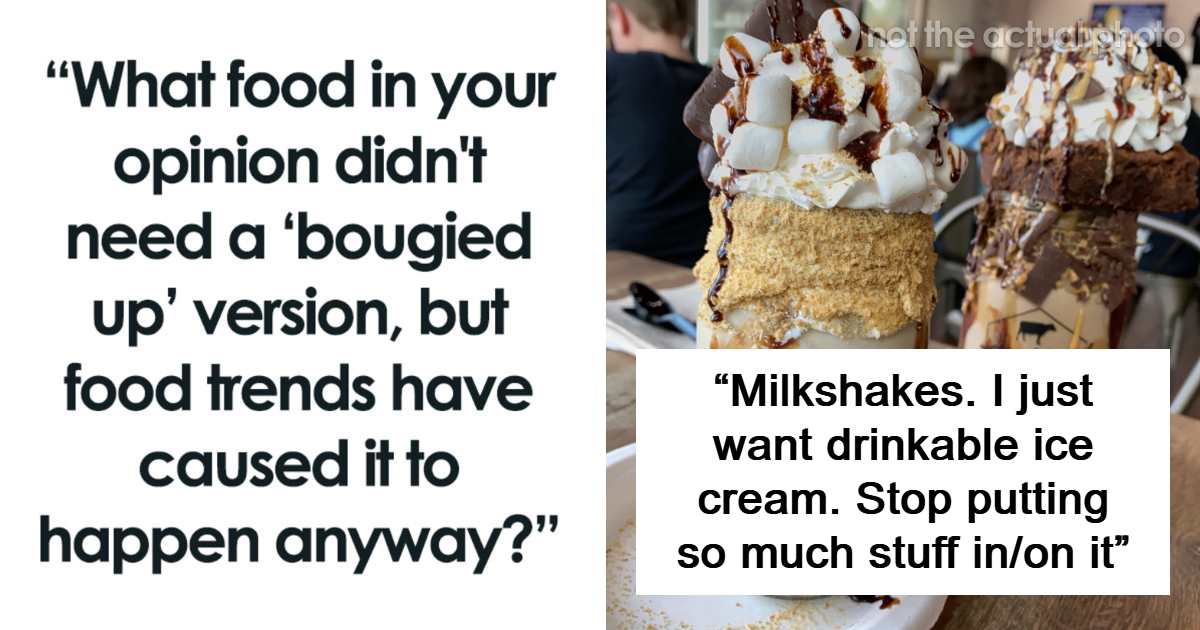
There is a time and place for foam, tweezers, edible flowers, truffle shavings, and a server whispering the word “reduction” as if they are revealing a government secret. Fine dining can be wonderful. Innovation keeps food exciting. But some dishes are already doing their job perfectly well without being escorted into a luxury spa, wrapped in gold leaf, and sold for the price of a small household appliance.
That is why the internet loves arguing about dishes that did not need a gourmet upgrade. Foodies are not anti-flavor. They are anti-nonsense. They know a good burger does not need to be eight inches tall. A milkshake should be drinkable, not a dessert construction project. A taco can be magnificent with seasoned meat, onion, cilantro, and lime. And grilled cheese? Please melt the cheese before introducing fig jam, imported mushrooms, or the emotional backstory of the cow.
This article takes a fun, food-loving look at 35 popular dishes that many diners believe are best when kept simple. The goal is not to insult chefs or creativity. It is to defend the humble joy of comfort food, street food, diner classics, family recipes, and snacks that became beloved because they were balanced, affordable, familiar, and delicious. Sometimes the best upgrade is restraint. Sometimes the garnish should remain in the garden.
Why Some Foods Resist the Gourmet Treatment
Food trends often begin with good intentions. A chef wants to honor a childhood favorite. A bakery wants to reinvent a classic. A restaurant wants to make something photogenic enough to stop thumbs on social media. The problem begins when the “upgrade” forgets what made the original great.
Many classic dishes succeed because they are direct. Mac and cheese is creamy pasta with cheese. Fries are hot, salty potatoes. Guacamole is avocado, lime, salt, and a few supporting players. These foods have clear identities. When too many luxury ingredients are added, the dish can lose its center. The result may look expensive, but taste confused.
There is also the issue of price. A street food that becomes “artisanal” often stops being accessible. A $3 snack becomes a $17 small plate. A lunch-counter sandwich becomes a “chef-driven handheld concept.” Suddenly, the food is wearing sunglasses indoors.
35 Dishes That Didn’t Need A Gourmet Upgrade
1. Burgers
A great burger is not complicated: juicy beef, a good bun, melted cheese if desired, pickles, onion, sauce, and balance. The gourmet version often stacks wagyu patties, foie gras, truffle aioli, fried eggs, onion jam, and a bun that gives up halfway through. If you need a structural engineer and a rain poncho, the burger has gone too far.
2. Grilled Cheese
Grilled cheese is bread, butter, and melted cheese. That is the contract. Add tomato soup and the nation relaxes. Gourmet versions can be tasty, but when the sandwich contains six cheeses, pear chutney, short rib, and no actual melt, it becomes a panini with commitment issues.
3. Macaroni and Cheese
Mac and cheese can handle breadcrumbs, sharp cheddar, and maybe a little mustard powder. It does not need lobster every time it leaves the house. Lobster mac can be delicious, but the classic version works because it is creamy, cheesy, and comforting. It should not require a seafood budget.
4. Tacos
A taco is one of the world’s most efficient flavor delivery systems. Tortilla, filling, salsa, onion, cilantro, lime: done. Gourmet tacos sometimes become miniature sculptures with luxury proteins, tiny flowers, and a price tag that makes people miss the taco truck with the plastic stools.
5. Pizza
Pizza is already perfect when the dough, sauce, cheese, and toppings are in harmony. Gourmet overload can turn it into a flatbread identity crisis. Not every pie needs figs, arugula, smoked honey, duck, and three cheeses with names that sound like Renaissance painters.
6. French Fries
Hot fries need salt. Maybe ketchup, mayo, vinegar, cheese, or gravy depending on where you are and how brave your shirt feels. Truffle fries became a symbol of “elevated casual dining,” but many food lovers would trade truffle oil for fresher potatoes and a fryer that knows what it is doing.
7. Hot Dogs
The hot dog is a stadium, street cart, cookout, and backyard hero. Regional styles are wonderful: Chicago dogs, chili dogs, Sonoran dogs, New York-style dogs. But when a hot dog gets buried under aioli, microgreens, and a bun made from something suspiciously brioche-adjacent, people start missing mustard and onions.
8. Milkshakes
A milkshake should be drinkable ice cream. Modern “freak shakes” often arrive crowned with brownies, doughnuts, candy bars, whipped cream towers, and enough syrup to glue a door shut. They photograph well, but at some point the straw becomes decorative.
9. Donuts
Classic glazed donuts, jelly donuts, old-fashioneds, and cake donuts do not need to apologize. Gourmet donut shops can be fun, but cereal mountains, bacon strips, edible glitter, and frosting piled like drywall compound can overwhelm the actual donut.
10. Cupcakes
Cupcakes used to be small cakes with frosting. Charming. Portable. Cute. Then some became architectural frosting monuments. If the frosting is taller than the cake and requires a strategy meeting, the cupcake has entered performance art.
11. Guacamole
Guacamole shines when ripe avocado is treated with respect. Lime, salt, cilantro, onion, jalapeño, and tomato can all work beautifully. But pomegranate seeds, excessive fruit, or random “superfood” additions can make guac feel less like a dip and more like a salad that got lost.
12. Hummus
Good hummus is creamy, nutty, lemony, and rich with tahini. Roasted garlic or paprika can be lovely. But dessert hummus, avocado hummus, and flavors that wander too far from chickpeas may make traditionalists ask whether we are still talking about hummus or simply dip with a marketing department.
13. Poutine
Fries, cheese curds, and gravy: that is the magic. The beauty of poutine is its warm, messy, unapologetic comfort. Add lobster, truffles, and luxury garnishes, and the dish can lose the late-night charm that made people love it in the first place.
14. Arancini
Arancini are fried rice balls, often filled with ragù, cheese, or peas. They are satisfying because they are crispy, creamy, and handheld. Tiny upscale versions with dramatic plating can be tasty, but many fans still prefer the generous, casual version eaten without ceremony.
15. Avocado Toast
Avocado on bread was once a simple breakfast or snack. Then it became a cultural symbol, a brunch menu anchor, and occasionally a financial debate. The best version still needs good bread, ripe avocado, salt, acid, and maybe chile flakes. It does not need to act like it owns property.
16. Elote
Mexican street corn is already packed with flavor: grilled corn, mayo or crema, chile, lime, cheese, and heat. Turning it into an expensive, dainty appetizer can feel like missing the point. Elote should be joyful, messy, and worth the napkin pile.
17. Nachos
Nachos should be abundant. Chips, cheese, beans, jalapeños, salsa, sour cream, guacamole, meat if desired, and enough layering to prevent the tragic naked chip at the bottom. Gourmet nachos that arrive as six arranged chips on a slate plate are nachos in witness protection.
18. Ramen
Restaurant ramen can absolutely be an art form. But instant ramen has its own comfort-food identity. It is quick, salty, nostalgic, and endlessly customizable. Not every packet needs a dissertation. Sometimes an egg, scallions, and hot sauce are enough.
19. Fried Chicken
Fried chicken depends on seasoning, crust, juiciness, and timing. When chefs overcomplicate it with unusual coatings, precious sauces, or plating that hides the crunch, people remember why a paper box of hot fried chicken can beat a fancy plate.
20. Chicken Wings
Wings are built for sauce, fingers, friends, and sports on television. Buffalo, barbecue, lemon pepper, garlic parmesangreat. But when wings are “deconstructed” or served with a foam that cannot survive kickoff, the snack loses its soul.
21. Meatloaf
Meatloaf is humble by design. It is ground meat, seasoning, binder, glaze, and nostalgia. A good meatloaf slice with mashed potatoes does not need to be reinvented as a tower, terrine, or tasting-menu surprise. It just needs not to be dry.
22. Mashed Potatoes
Mashed potatoes welcome butter, cream, salt, and maybe roasted garlic. But too many add-ins can turn them into a crowded side dish. Great mashed potatoes should be smooth enough to comfort you and sturdy enough to hold gravy like a responsible adult.
23. Tomato Soup
Tomato soup is at its best when bright, creamy, and paired with grilled cheese. Fancy versions with too many herbs, oils, or swirls can distract from its cozy purpose. Nobody wants tomato soup that needs a gallery label.
24. Pancakes
Pancakes are breakfast happiness. Butter, syrup, maybe blueberries or chocolate chips. Gourmet stacks with candy, cereal, cream, sauces, and cookies can become dessert pretending it woke up early.
25. Waffles
A crisp waffle with butter and syrup is hard to improve. Chicken and waffles also earned its place honestly. But when waffles become vehicles for everything from burgers to sushi-inspired toppings, the waffle iron may need a quiet weekend away.
26. Deviled Eggs
Deviled eggs are creamy, tangy, and retro in the best way. Paprika is not boring; it is tradition wearing a red hat. Caviar, gold leaf, or elaborate toppings can be fun at parties, but the classic version disappears from the tray first for a reason.
27. Potato Salad
Potato salad is personal. Some families like mustard. Some like mayo. Some add eggs, celery, pickles, or onion. What it rarely needs is a luxury makeover that forgets the picnic roots. The best potato salad tastes like someone’s aunt made it and is guarding the recipe.
28. Bologna Sandwiches
A fried bologna sandwich can be wonderful: crisp edges, soft bread, mustard, maybe cheese. Upscale versions can be clever, but part of the charm is that it is a modest sandwich with big flavor. It should not return from finishing school with an accent.
29. Peanut Butter and Jelly
PB&J works because it is sweet, salty, soft, sticky, and familiar. Artisan bread, small-batch preserves, and natural peanut butter can be delicious, but the lunchbox version still has emotional power. Sometimes grape jelly knows exactly what it is doing.
30. Chocolate Chip Cookies
There is room in the world for browned butter, chopped chocolate, sea salt, and bakery-style cookies. Still, the classic chocolate chip cookie does not need to be improved into a luxury object every time. Warm, chewy, simple, and slightly underbaked is already a winning strategy.
31. Caramel
Salted caramel had a glorious run, and it deserves respect. But not every caramel must be salted. Plain caramel is buttery, sweet, deep, and nostalgic. Options are good. Caramel should not be legally required to bring salt as a plus-one.
32. Ice Cream
Ice cream can be creative, but the classics remain classics: vanilla, chocolate, strawberry, mint chip, coffee, cookies and cream. When flavors become too experimental, the scoop can feel like a dare. A good vanilla is not boring; it is a master class in confidence.
33. Sushi Rolls
Sushi rewards balance, freshness, texture, and precision. Creative rolls have a place, especially in American sushi culture, but too much sauce, crunch, cream cheese, and garnish can bury the fish and rice. Sometimes less is not just more; it is dinner.
34. Bagels
A fresh bagel with cream cheese is already complete. Add lox, capers, tomato, and onion and you have a classic. Rainbow colors, dessert fillings, and overloaded sandwich builds can be entertaining, but a chewy, properly made bagel does not need fireworks.
35. Deconstructed Desserts
Deconstruction can be brilliant when it reveals something new. But too often, it means the customer receives cake components scattered across a plate and is asked to assemble joy manually. If people ordered carrot cake, they probably wanted carrot cakenot a puzzle with frosting.
What These Foodies Are Really Complaining About
The complaint is not “never change food.” Food culture has always evolved. Tomatoes were once new to Italian cooking. American pizza became its own category. Sushi rolls developed regional personalities. Tex-Mex, Korean tacos, Nashville hot chicken sandwiches, and countless other innovations prove that fusion and creativity can be exciting when flavor leads the way.
The frustration comes from upgrades that feel cosmetic rather than delicious. A dish can be elevated by better technique, fresher ingredients, smarter seasoning, or improved texture. A burger cooked well is an upgrade. Fresh tortillas improve tacos. Properly melted cheese improves grilled cheese. A crisp fry with the right potato and clean oil is better than a limp fry sprinkled with expensive dust.
But when the change exists mostly to justify a higher price or create a viral photo, diners notice. Food lovers can forgive mess. They can forgive simplicity. They can forgive paper plates, plastic baskets, and sauce on their sleeves. What they struggle to forgive is a dish that forgets its own purpose.
The Case for Keeping Simple Food Simple
Simple food is not lazy food. In many ways, it is harder to do well. A plain cheese pizza reveals the quality of the dough and sauce. A basic burger exposes the seasoning and cook. A grilled cheese has nowhere to hide if the bread is pale and the cheese is cold. A classic chocolate chip cookie depends on balance, not decoration.
That is why many beloved foods remain stubbornly resistant to reinvention. They are already optimized by generations of cooks, families, street vendors, diners, lunch counters, and home kitchens. These dishes became popular because they solved a delicious problem: feed people well, make them happy, and do it without unnecessary drama.
There is also memory involved. People do not crave mashed potatoes because they are rare. They crave them because they are familiar. They do not love PB&J because it is sophisticated. They love it because it tastes like childhood, school lunches, road trips, and standing in the kitchen when nobody felt like cooking. Comfort food carries emotional seasoning. You cannot replace that with microgreens.
When A Gourmet Upgrade Actually Works
To be fair, not every upgrade is a crime against lunch. Some are excellent. A better cheese can improve mac and cheese. A homemade sauce can make pizza shine. A fresh bun can rescue a burger. A touch of acid can brighten rich food. A crunchy topping can add contrast. The key is that the upgrade should support the dish, not hijack it.
The best chefs understand the original before changing it. They ask: What does this food want to be? Is it crispy? Creamy? cheap and cheerful? fast and fiery? nostalgic? handheld? If the upgrade protects that identity, it can work. If the upgrade turns nachos into a museum exhibit, the people will revoltand they will be correct.
500-Word Experience Section: What Eating These Foods Teaches Us
The funny thing about dishes that did not need a gourmet upgrade is that almost everyone has a personal example. Maybe you once ordered a “signature” grilled cheese that arrived with expensive cheese, thick bread, onion jam, and a dramatic diagonal cutonly to discover the cheese inside was not fully melted. In that moment, you probably thought about the basic grilled cheese you could have made at home in seven minutes while wearing socks that did not match. That homemade version would have won.
Many people have had the tall burger experience too. It arrives looking impressive, stabbed with a steak knife like it has been defeated in battle. The bun is glossy. The toppings are ambitious. The plate has a sauce smear. But the first bite is impossible. Lettuce escapes. Tomato slides out. The patty shifts. Your hands become condiments. By the end, you are eating the burger with a fork and questioning the direction of civilization. Meanwhile, a simple diner cheeseburger across town is quietly doing its job with dignity.
Then there are milkshakes that look like carnival rides. They come with whipped cream, cookies, cake slices, candy, and sometimes an entire dessert attached to the rim. They are fun for photos, but after three minutes, gravity joins the conversation. The glass is sticky. The straw is useless. You are no longer drinking a milkshake; you are managing an event. A classic vanilla or chocolate shake, thick but sippable, suddenly seems like wisdom in dairy form.
Street foods teach this lesson beautifully. Tacos, elote, hot dogs, pretzels, fries, and slices of pizza were designed around movement, hunger, speed, and satisfaction. They are not lesser because they are casual. In fact, casual food often has stricter rules because the customer knows exactly what they want. A taco should be hot, flavorful, and easy to eat. Elote should be messy in a happy way. Fries should be crisp enough to survive dipping. A hot dog should taste like a ballgame, a sidewalk, or a cookoutnot a luxury branding exercise.
Home cooking makes the same point. Family dishes are rarely precious, but they are precise in emotional terms. Potato salad has to taste the way your family expects. Meatloaf needs the right glaze. Pancakes should be soft in the middle and golden at the edges. Deviled eggs should vanish from the platter before anyone admits they took four. These foods are not judged by novelty. They are judged by recognition. When they taste right, people relax.
That does not mean we should reject creativity. Food would be boring if nobody experimented. But the best food experiences often come from knowing when to stop. Add the right amount of salt. Toast the bread properly. Use ripe avocados. Fry at the correct temperature. Melt the cheese. Warm the tortilla. Bake the cookie until the center is still soft. These are small choices, but they matter more than decorative extravagance.
In the end, the dishes foodies defend most fiercely are the ones that already feel complete. They remind us that pleasure does not always need luxury. Sometimes dinner should not be “curated.” Sometimes it should just be hot, salty, cheesy, crispy, creamy, sweet, messy, familiar, and good. The best version of a comfort food is often the one that respects why people loved it before it became a trend.
Conclusion
Gourmet food has its place, and culinary creativity should be celebrated when it makes food better. But not every beloved dish needs to be reinvented. Burgers, tacos, grilled cheese, fries, mac and cheese, milkshakes, cupcakes, and other comfort classics became iconic because they delivered flavor without fuss. Their simplicity is not a flaw; it is the feature.
The next time a menu tries to sell you a deconstructed, truffle-infused, gold-dusted version of a childhood favorite, pause and ask the most important food question: does this actually taste better, or is it just wearing a tiny hat? Foodies know the answer more often than restaurants might like.
Note: This is an original, web-ready HTML article written in standard American English and based on real food culture, comfort-food trends, and common foodie discussions about simple dishes being overcomplicated.