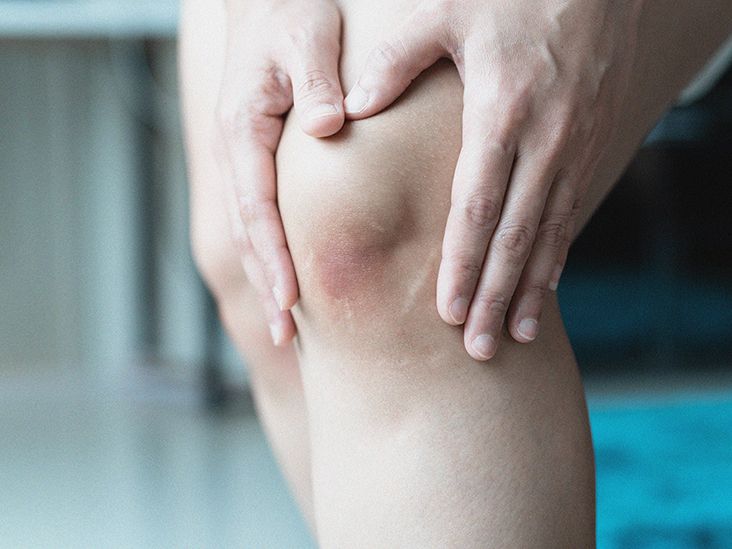
Note: This article is for educational purposes only. If you have severe pain, unexplained bruising, spreading redness, fever, unusual bleeding, or a bruise after a major injury, contact a healthcare professional.
A bruise is already dramatic enough. First it shows up purple, blue, black, green, yellow, or some mysterious shade best described as “old banana.” Then, just when you expect it to quietly fade away, it starts to itch. Naturally, your brain asks the big question: Why do bruises itch?
In many cases, an itchy bruise is part of normal healing. Your body is cleaning up leaked blood under the skin, calming inflammation, repairing tiny damaged blood vessels, and sending all kinds of chemical messages through the injured area. Unfortunately, some of those helpful repair signals can also irritate nearby nerve endings. Translation: your body is doing maintenance, but the construction crew is noisy.
Most itchy bruises are harmless and improve with simple home care. However, itching plus worsening pain, swelling, warmth, pus, fever, unexplained bruising, or frequent large bruises can point to something that needs medical attention. Let’s break down what is normal, what is not, and how to soothe a bruise without turning your skin into a scratch-and-win lottery ticket.
What is a bruise?
A bruise, also called ecchymosis, happens when small blood vessels under the skin break after a bump, fall, squeeze, sports injury, injection, or sometimes a minor hit you barely remember. Blood leaks into the surrounding tissue, creating the familiar discolored patch. The skin itself usually stays closed, which is why a bruise can look intense without bleeding on the surface.
Bruises often change color as they heal. A fresh bruise may look red, purple, blue, black, or brown depending on your skin tone and how much blood has collected under the skin. As the body breaks down and reabsorbs that blood, the bruise may turn greenish, yellowish, tan, or lighter brown before fading. This color-changing performance is normal, although it rarely wins applause.
Most minor bruises heal within about two weeks. Larger or deeper bruises may take longer, especially on the legs, where gravity is not exactly helping the situation.
Why do bruises itch?
Bruises itch for several reasons, and more than one may be happening at the same time. The most common explanation is healing-related inflammation. When blood vessels are damaged, your immune system sends cells and chemical messengers to clean up the area and start repair. This process can stimulate sensory nerves in the skin, creating an itchy sensation.
1. Healing inflammation can trigger itch nerves
Inflammation is not always bad. In fact, it is one of the body’s main repair tools. After an injury, inflammatory chemicals help control damage, remove broken-down blood cells, and signal tissue repair. But these same chemical signals can activate itch-sensitive nerve fibers. That is why a healing bruise may feel itchy even when it is no longer very painful.
2. Histamine may play a role
Histamine is a chemical involved in immune responses and itching. It is famous for making mosquito bites unbearable and seasonal allergies annoying. During skin irritation or tissue injury, histamine and other itch-related mediators may contribute to that prickly, “please scratch me” feeling around a bruise.
However, not all itching is caused by histamine alone. Some itch signals travel through non-histamine pathways, which is why an antihistamine does not always fix every itch. Bodies are complicated. Skin, apparently, likes to keep receipts.
3. Swelling can stretch the skin
A bruise may come with mild swelling. As fluid and blood collect in the tissue, the skin can stretch slightly. That stretching can irritate nearby nerves and cause itching, tingling, tightness, or sensitivity. This is common with larger bruises or bruises over areas where the skin is thin.
4. Dry skin can make the area itch more
Sometimes the bruise itself is not the only problem. Dry skin over or around the bruise can make itching worse. This is especially common in cold weather, after hot showers, with frequent washing, or in older adults whose skin may be thinner and drier. A bruise on dry skin is like a drama scene with background music: everything feels more intense.
5. Nerve irritation can cause itching or tingling
If the injury irritated tiny skin nerves, you may feel itching, tingling, pins-and-needles, or mild sensitivity as the area heals. This should gradually improve. If numbness, weakness, severe pain, or increasing tenderness develops, that is not a typical simple bruise and should be checked.
6. The “bruise” may actually involve a rash, bite, or skin reaction
Sometimes people think they have an itchy bruise, but the original problem is an insect bite, allergic reaction, contact dermatitis, or irritated skin from tape, bandages, creams, plants, or clothing friction. A bite can leave discoloration that looks like bruising, especially if you scratched it. A bandage adhesive can also cause a red, itchy outline around the injury.
Common causes of itchy bruises
An itchy bruise can come from everyday injuries or from factors that make bruising more likely. Here are the most common possibilities.
Minor bumps and forgotten injuries
The classic cause is simple trauma: walking into a coffee table, bumping your shin on a bed frame, dropping something on your foot, or discovering that your kitchen island has been secretly attacking you for years. These bruises may itch as they heal and usually fade without special treatment.
Exercise and sports
Contact sports, weight training, running, cycling, gardening, moving furniture, or any activity with repeated pressure can cause bruises. A bruise from exercise may itch during the repair phase, especially if the area is exposed to sweat, tight clothing, or friction.
Insect bites
Bug bites can be itchy first and bruised-looking later. Scratching can break tiny blood vessels, leaving purple or brown marks. Some people also react more strongly to bites, developing swelling and discoloration. If the area becomes hot, increasingly red, painful, or drains fluid, it may be infected.
Medication-related bruising
Some medicines can make bruising easier or more noticeable. These may include blood thinners, aspirin, antiplatelet drugs, some anti-inflammatory medicines, corticosteroids, and certain supplements that may affect bleeding risk. Never stop a prescribed medication on your own because of a bruise. Instead, ask your healthcare provider whether your bruising pattern is expected or needs evaluation.
Aging skin
As skin ages, it often becomes thinner and loses some of the cushioning fat and collagen that protect small blood vessels. This can make bruises more common, especially on the arms and hands. Dryness can also increase itching, so older adults may notice bruises that are both easier to get and more irritating while healing.
Nutritional issues
Low intake of certain nutrients, especially vitamin C or vitamin K, can affect blood vessel strength or normal clotting. Severe deficiencies are not the most common reason for a bruise, but they can contribute in some cases. A balanced diet with fruits, vegetables, protein, and adequate hydration supports skin and tissue repair.
Underlying health conditions
Frequent, large, unexplained, or unusual bruises may sometimes be related to platelet problems, clotting disorders, liver disease, blood disorders, or other medical conditions. These bruises are not automatically dangerous, but they deserve attention if they appear without injury, happen repeatedly, or come with other symptoms such as nosebleeds, bleeding gums, heavy menstrual bleeding, blood in urine or stool, fatigue, fever, or unexplained weight loss.
How to treat an itchy bruise at home
For a minor bruise, treatment focuses on reducing swelling, protecting the area, and calming the itch. The goal is to help your body heal without adding a new injury from scratching.
Use cold during the first 24 to 48 hours
Apply a cold pack wrapped in a thin towel for about 15 to 20 minutes at a time. Cold can help reduce swelling and discomfort soon after the injury. Do not put ice directly on the skin, unless you want the bruise to file a complaint with management.
Elevate the bruised area
If possible, raise the bruised area above heart level, especially during the first day. Elevation may reduce swelling and pooling of fluid. This is easiest for bruises on the arms or legs.
Switch to gentle warmth later
After the first couple of days, a warm compress may feel soothing and may support circulation as the bruise heals. Keep it warm, not hot. The goal is comfort, not slow-cooking your shin.
Moisturize dry, itchy skin
If the skin over the bruise is dry and unbroken, apply a fragrance-free moisturizer around the area. Avoid heavily scented lotions, harsh exfoliants, or products that sting. If there is a cut, scrape, blister, or open wound, follow wound-care advice and avoid putting random creams into broken skin.
Do not scratch
Scratching may feel satisfying for three seconds, then make everything worse. It can irritate the skin, increase inflammation, break the skin surface, and raise the risk of infection. Try pressing gently around the area, applying a cool compress, wearing loose clothing, or distracting your hands with something less destructive.
Consider an over-the-counter option carefully
For mild discomfort, some people use over-the-counter pain relievers. However, aspirin and some nonsteroidal anti-inflammatory drugs may increase bleeding or bruising in certain people. If you take blood thinners, have a bleeding disorder, have kidney disease, have stomach ulcers, are pregnant, or are unsure what is safe, ask a healthcare professional before taking medication.
For itching, a pharmacist or clinician may suggest an oral antihistamine or a mild anti-itch product depending on the cause. Avoid applying medicated creams to broken skin unless a healthcare professional tells you to.
What not to do with an itchy bruise
Do not aggressively massage a fresh bruise. In the early stage, pressure can worsen tenderness or swelling. Do not use heat immediately after the injury, because warmth can increase blood flow and may make swelling worse at first. Do not ignore a bruise that is expanding rapidly, extremely painful, or associated with a serious fall or blow.
Also, do not assume every itchy purple spot is a normal bruise. If there is a spreading rash, hives, blisters, warmth, red streaks, pus, fever, or severe tenderness, the problem may be more than simple bruising.
When to see a doctor for an itchy bruise
Most bruises do not need medical care. Still, some situations deserve a professional look.
Call a healthcare provider if:
- The bruise appeared without a clear injury.
- You bruise easily, frequently, or more than usual.
- The bruise is very large, very painful, or keeps growing.
- The bruise does not improve after about two weeks or does not fade over several weeks.
- You have signs of infection, such as spreading redness, warmth, pus, red streaks, or fever.
- You also have nosebleeds, bleeding gums, unusually heavy periods, blood in urine or stool, or prolonged bleeding from small cuts.
- You recently started a new medication or supplement and noticed more bruising.
- The bruise is near the eye, on the head, on the abdomen, or over a joint with reduced movement.
- A child has unexplained bruises, especially in unusual locations.
- You feel unsafe or the bruise may be related to abuse or assault.
Seek urgent care now if:
- The bruise followed a major injury, car accident, hard fall, or head trauma.
- You have severe swelling, intense pain, numbness, weakness, confusion, dizziness, or trouble moving the area.
- The skin becomes tight and extremely painful.
- You have chest pain, shortness of breath, fainting, or signs of serious bleeding.
How doctors may evaluate frequent or unexplained bruising
If bruising seems unusual, a healthcare professional may ask about your injury history, medications, supplements, alcohol use, diet, family history, menstrual bleeding, nosebleeds, dental bleeding, surgeries, and other symptoms. They may examine the skin and order blood tests such as a complete blood count, platelet count, clotting tests, or liver-related tests depending on the situation.
The purpose is not to panic you. It is to separate normal “I fought the laundry basket and lost” bruising from patterns that suggest a bleeding or clotting issue.
How to prevent bruises from becoming itchy and irritated
You cannot prevent every bruise unless you plan to live in a padded room, which is not practical and will ruin your interior design. But you can reduce irritation and lower your risk.
- Wear protective gear during sports or high-impact activities.
- Use good lighting at night to avoid furniture ambushes.
- Keep walkways clear of cords, shoes, toys, and rugs that slide.
- Moisturize regularly if your skin is dry.
- Wear loose clothing over a healing bruise to reduce friction.
- Talk with your healthcare provider if medication may be contributing to easy bruising.
- Eat a balanced diet with enough protein, fruits, vegetables, and fluids.
Experience-based section: What itchy bruises feel like in real life
Many people first notice an itchy bruise a few days after the original injury. The pain has faded, the swelling is calmer, and the bruise has started changing color. Then the itch arrives like an uninvited guest who brought a tiny violin. It may feel like a light tickle under the skin, a prickly sensation around the edges, or a tight feeling when you move the bruised area.
For example, someone who bumps their thigh on a desk may feel soreness on day one, tenderness on day two, and itching by day three or four. The bruise may look purple in the center and yellow around the edges. That itch can be annoying, but if the bruise is shrinking, the pain is improving, and there are no signs of infection, it usually fits with normal healing.
Another common experience happens after exercise. A person starts a new workout, does lunges, deadlifts, or a spirited battle with resistance bands, and later notices bruises on the legs or arms. When sweat, tight leggings, or compression sleeves rub the area, the skin may itch more. In that case, loose clothing, a cool compress, and moisturizer on unbroken skin can make the healing phase much more comfortable.
Some people describe an itchy bruise after a blood draw, injection, or IV placement. A small bruise at the needle site can happen when tiny vessels leak under the skin. The area may itch because of healing, mild irritation from adhesive tape, or dry skin from repeated cleaning. If the spot is only mildly itchy and improving, it is often manageable at home. But if redness spreads, the area becomes hot, drainage appears, or fever develops, it should be checked.
Parents may notice children scratching bruises on the shins or knees. Kids collect bruises the way some adults collect coffee mugs: frequently and with unclear explanations. Bruises over bony areas such as shins, knees, and elbows are common in active children. Still, unexplained bruises in unusual places, frequent large bruises, or bruises with other bleeding symptoms should be discussed with a pediatrician.
Older adults may have a different experience. A small bump on the arm can produce a large purple mark, and the surrounding skin may feel dry, thin, or itchy. Moisturizing and protecting the skin can help, but sudden increases in bruising should not be brushed off, especially if the person takes blood thinners or has other bleeding symptoms.
The most useful personal rule is simple: watch the trend. A normal itchy bruise should gradually feel better, look lighter, and become less tender. The itch should not come with spreading heat, pus, fever, severe pain, or rapid enlargement. If the bruise is acting like it has a secret agenda, let a healthcare professional investigate.
Conclusion
So, why do bruises itch? Usually, because the body is healing. Inflammation, histamine, swelling, dry skin, and nerve irritation can all make a bruise feel itchy as damaged tissue repairs and trapped blood is reabsorbed. Mild itching is common and often improves with cold compresses, elevation, gentle warmth later, moisturizer, loose clothing, and patience.
However, not every itchy bruise should be ignored. Seek medical advice if bruising is unexplained, frequent, unusually large, very painful, slow to heal, linked with unusual bleeding, or accompanied by warmth, spreading redness, pus, fever, numbness, weakness, or symptoms after a serious injury. Your skin is a surprisingly talkative organ. When it whispers “itchy healing,” home care may be enough. When it shouts “something is wrong,” listen.