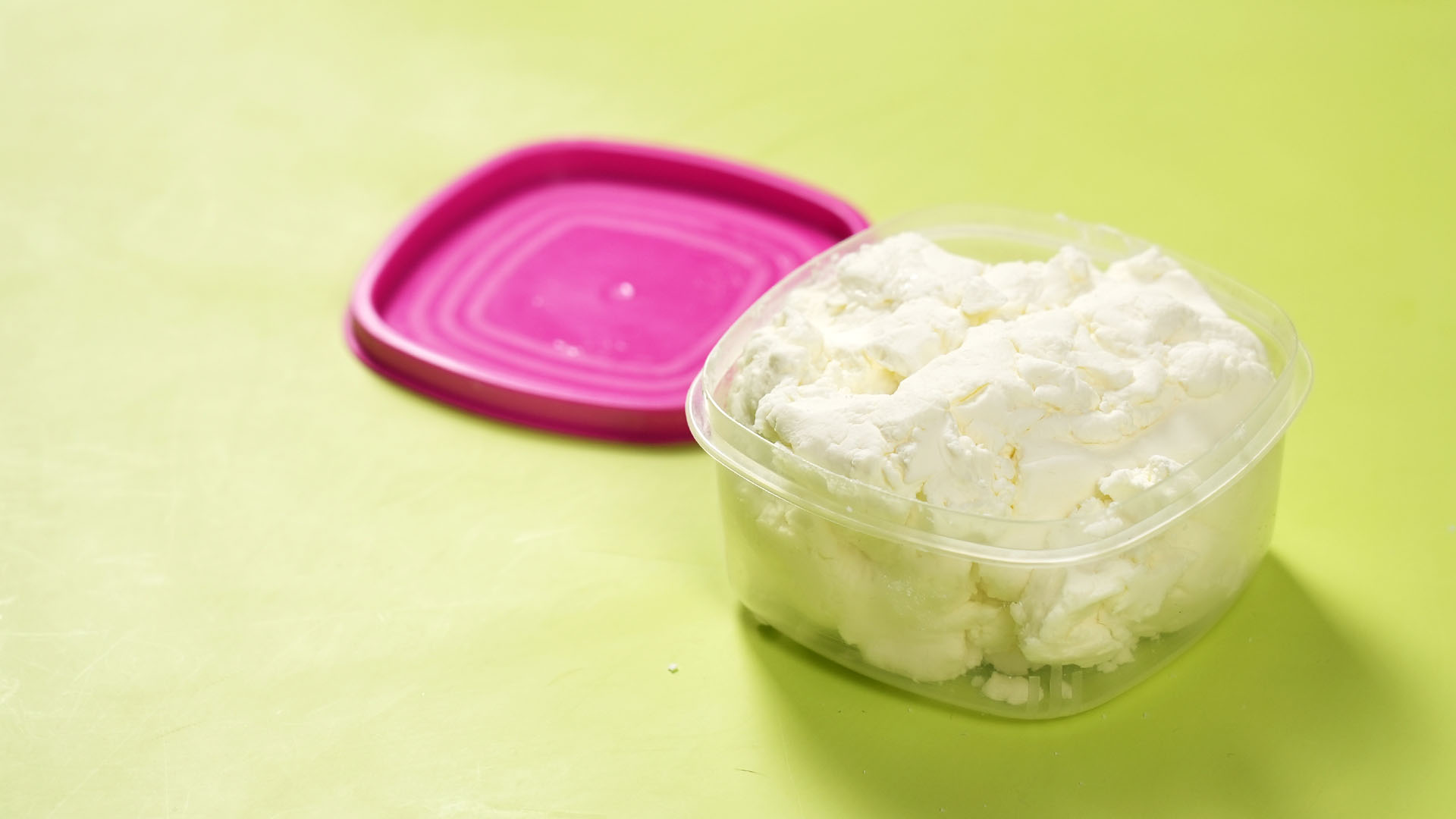
Learning how to make slime with shampoo is one of those gloriously simple home experiments that feels like magic, even though it is really kitchen-table science wearing a stretchy little cape. You do not need a lab coat, a chemistry degree, or a craft closet that looks like a glitter tornado passed through it. In many cases, all you need is shampoo, a thickening ingredient, a bowl, and a willingness to stir until your arm starts questioning your life choices.
Shampoo slime is popular because it uses familiar household ingredients and gives kids a hands-on way to explore texture, measurement, patience, and cause-and-effect. Some recipes feel more like soft dough. Others become stretchy, squishy, or jiggly. A few are best described as “science pudding,” which is not an official term but absolutely should be.
Before we start, one important note: homemade slime is for play, not for eating. Even when a recipe uses everyday products, it should be made with adult supervision, kept away from mouths, eyes, pets, carpets, and younger children who still believe every object deserves a taste test. Wash hands before and after play, and toss slime if it smells odd, dries out, changes color, or collects suspicious crumbs from the floor.
What Makes Shampoo Slime Work?
Most slime recipes work by changing the way ingredients move together. Traditional glue slime depends on polymers, which are long chains of molecules. When an activator connects those chains, the mixture thickens and becomes stretchy. Shampoo-only slime is a little different. It usually relies on thick shampoo plus ingredients like cornstarch, salt, baking soda, toothpaste, or glue to create a thicker, moldable texture.
The key is balance. Too much liquid creates soup. Too much powder creates crumbly dough. The perfect slime sits somewhere between “wow, it stretches” and “please do not put that on the couch.” Because shampoos vary by brand, thickness, fragrance, and formula, every recipe may need tiny adjustments. Start with the measurements below, then tweak slowly.
Best Shampoo for Homemade Slime
For the best results, choose a thick shampoo. Clear gel shampoos and creamy shampoos both work, but watery formulas are harder to thicken. A 2-in-1 shampoo and conditioner may create a softer, slipperier slime. Strongly scented shampoos can be fun, but avoid products that irritate skin or eyes. If someone has sensitive skin, eczema, cuts, or allergies, skip slime play or choose a gentler supervised activity.
Basic Supplies You Will Need
- Mixing bowls
- Spoons or craft sticks
- Measuring cups and spoons
- Airtight containers or zip-top bags
- Food coloring or glitter, optional
- Plastic tablecloth, tray, or washable placemat
A slime station is your friend. Cover the table, roll up sleeves, tie back long hair, and keep paper towels nearby. Slime has a mysterious talent for migrating to places no one invited it, including shirt cuffs, chair legs, and the dog’s tail.
Recipe 1: Classic Shampoo and Cornstarch Slime
This is the best beginner recipe because it is simple, borax-free, glue-free, and surprisingly satisfying. It creates a soft, moldable slime that feels like a cross between dough and putty.
Ingredients
- 1/2 cup thick shampoo
- 1 1/2 to 2 cups cornstarch
- 2 to 4 tablespoons water, added slowly
- Food coloring, optional
Instructions
- Add the shampoo to a bowl.
- Stir in food coloring if you want a brighter slime.
- Add cornstarch 1/2 cup at a time, stirring after each addition.
- Once the mixture becomes thick and crumbly, add water one tablespoon at a time.
- Knead with your hands until the slime becomes smooth and soft.
If it is too sticky, dust in more cornstarch. If it is too stiff, add a few drops of water or shampoo. This slime is excellent for squeezing, shaping, and sensory play, though it will not stretch like glue-based slime.
Recipe 2: Shampoo and Baking Soda Slime
This homemade shampoo slime feels creamy, soft, and slightly sandy. It is not the stretchiest slime in the world, but it is easy to make and ideal when you do not have glue or contact solution.
Ingredients
- 1 cup baking soda
- 1 to 2 tablespoons thick shampoo
- Food coloring, optional
Instructions
- Pour the baking soda into a bowl.
- Add one tablespoon of shampoo and stir well.
- Add more shampoo in tiny amounts until the mixture turns creamy and moldable.
- Knead gently for one to two minutes.
This recipe is easy to over-wet, so go slowly. If the slime becomes runny, add more baking soda. If it crumbles like a dry beach, add a few drops of shampoo. Plain shampoo tends to work best, but 2-in-1 formulas can create a softer feel.
Recipe 3: Shampoo and Salt Chill Slime
Shampoo and salt slime is a classic viral recipe, but it comes with a truth bomb: it depends heavily on the shampoo. Some brands thicken beautifully. Others stare back at you as if you asked them to do taxes. Use this recipe as an experiment, not a guaranteed miracle.
Ingredients
- 1/4 cup thick shampoo
- 1/4 teaspoon table salt
- Extra salt, added pinch by pinch if needed
Instructions
- Add shampoo to a small bowl.
- Sprinkle in the salt and stir for one full minute.
- If the mixture thickens, refrigerate it for 15 to 30 minutes.
- Remove it from the fridge and knead gently.
The result is usually a cool, slippery putty rather than classic stretchy slime. If the shampoo separates or becomes watery, that brand is not a good match. Try again with a thicker gel shampoo.
Recipe 4: Shampoo and Toothpaste Putty Slime
This recipe makes a squishy, minty putty. It is fun, fast, and oddly satisfying, but it should be kept away from eyes and mouths. Toothpaste may smell familiar, but this slime is still not edible. Your taste buds are not invited.
Ingredients
- 2 tablespoons thick shampoo
- 1 tablespoon paste-style toothpaste
- 1 to 3 tablespoons cornstarch, optional for thickening
Instructions
- Mix shampoo and toothpaste in a bowl until fully blended.
- Stir for two minutes. The mixture should begin to thicken.
- If it remains runny, add cornstarch one teaspoon at a time.
- Chill for 10 to 20 minutes, then knead.
Gel toothpaste may make the mixture slippery, while paste toothpaste usually gives better body. If your putty is too firm, add a small drop of shampoo. If it sticks to your fingers, add more cornstarch.
Recipe 5: Soft Butter Shampoo Slime
Butter slime is known for its smooth, spreadable feel. This no-glue shampoo version uses cornstarch and a tiny amount of lotion or conditioner to create a silky texture. It is perfect for kids who like soft sensory dough more than super-stretchy slime.
Ingredients
- 1/3 cup thick shampoo
- 1 cup cornstarch
- 1 teaspoon lotion or hair conditioner
- 1 teaspoon baby oil or cooking oil, optional
- Food coloring, optional
Instructions
- Mix shampoo, lotion, and food coloring in a bowl.
- Add cornstarch slowly while stirring.
- Knead until the slime becomes smooth.
- Add the oil only if you want a softer, silkier finish.
This recipe should feel soft and spreadable. If it leaves residue on your hands, knead in more cornstarch. If it cracks when stretched, add a small dab of lotion or conditioner.
Recipe 6: Stretchy Shampoo Cloud Slime with Glue
If you want the stretchiest result, this is the recipe to try. It uses shampoo for scent and softness, but glue and contact lens solution help create the classic slime structure. Choose a contact solution that contains boric acid and sodium borate, and use it only with adult supervision. Do not use powdered borax in this recipe.
Ingredients
- 1/2 cup washable white school glue
- 1 tablespoon thick shampoo
- 1/2 teaspoon baking soda
- 1 to 2 tablespoons contact lens solution
- Food coloring or glitter, optional
Instructions
- Pour glue into a bowl.
- Stir in shampoo, baking soda, and optional color.
- Add contact lens solution 1 teaspoon at a time.
- Stir until the slime pulls away from the bowl.
- Knead for three to five minutes until less sticky.
If the slime is too sticky, add a few more drops of contact solution. Do not dump in a large amount at once, or your slime may turn rubbery. If it becomes too stiff, knead in a tiny bit of lotion or glue.
Slime Troubleshooting Guide
My slime is too sticky
Add your thickener slowly. For cornstarch recipes, add cornstarch one teaspoon at a time. For glue slime, add contact solution a few drops at a time and knead before adding more.
My slime is too hard
Work in a small amount of shampoo, lotion, or water. Be patient. Slime often softens after a minute of kneading.
My slime is runny
Your shampoo may be too thin, or you may have added too much liquid. Add cornstarch or baking soda gradually until the texture improves.
My slime will not stretch
Shampoo-only slime is usually more doughy than stretchy. For stretch, use the glue-based recipe and knead thoroughly.
Safety Tips for Making Slime with Shampoo
Homemade slime is fun, but safe slime is better. Always supervise kids during mixing and play. Keep slime away from mouths, eyes, open cuts, pets, and food surfaces. Wash hands afterward, especially when using contact solution, toothpaste, fragrance-heavy shampoo, glitter, or coloring.
Do not let children play with slime for long periods if their hands become dry, itchy, red, or irritated. Stop immediately if irritation appears. Avoid recipes with strong cleaning products, laundry detergent, or unknown chemical mixtures. Slime should be stored in an airtight container and thrown away after about a week, or sooner if it becomes dirty or smells strange.
How to Store Shampoo Slime
Place slime in an airtight container or sealed bag after play. Keep it at room temperature unless the recipe specifically improves with chilling, such as salt slime. Label the container so no one mistakes it for frosting, pudding, or some mysterious beauty product. If slime dries out, try kneading in a few drops of water or shampoo. If it grows mold, smells sour, or develops mystery specks, say goodbye with dignity and toss it.
Easy Add-Ins for More Fun
- Food coloring: Add it early so the color blends evenly.
- Fine glitter: Use sparingly unless you want your house to sparkle until retirement.
- Foam beads: Add crunch and texture.
- Lotion: Softens stiff slime.
- Cornstarch: Makes slime thicker and more dough-like.
Experience Notes: What Actually Happens When You Make Shampoo Slime at Home
The first thing you learn when making shampoo slime is that recipes are more like helpful maps than strict laws. One thick shampoo may turn into perfect slime with cornstarch in five minutes. Another may behave like scented soup and refuse to cooperate. That does not mean you failed. It means your shampoo has chosen drama.
In real home testing, the classic shampoo and cornstarch recipe is usually the most reliable for beginners. It is forgiving, easy to adjust, and less stressful than recipes that require an exact chemical reaction. Kids also love it because the texture changes right in front of them. At first, it looks like paste. Then it becomes crumbly. Then, after a little water and kneading, it suddenly turns soft and squeezable. That moment gets a reaction every time.
The biggest mistake is adding too much water too quickly. One tablespoon can help. Four tablespoons dumped in at once can transform your promising slime into a puddle with ambition. The better method is to add liquid drop by drop, stir, then knead. Slime often looks wrong before it looks right, so give it a minute before declaring it a disaster.
Another practical lesson: use a tray. Not a napkin. Not your favorite wooden table. Not the kitchen counter where someone is about to make lunch. A tray keeps ingredients contained and gives kids permission to get messy without turning the whole room into a crime scene for cornstarch. Cornstarch especially likes to float into the air and settle everywhere like tiny white snowflakes with commitment issues.
Shampoo and salt slime is the least predictable, but that can make it a fun science challenge. Ask kids to compare two shampoos and record which one thickens better. This turns a simple craft into a mini experiment about texture, measurement, and observation. The result may not always be stretchy, but the learning is real.
The glue-based shampoo slime gives the most classic stretch, but it needs the most supervision. Add contact solution slowly and knead patiently. Many people add too much activator because the slime still feels sticky after ten seconds. Wait. Knead. Let the ingredients come together. Rushing slime is like rushing a cat; technically possible, emotionally risky.
For cleanup, act fast. Wet slime is easier to remove than dried slime. Scrape off extra slime, rinse washable surfaces with warm water, and avoid rubbing colored slime deeper into fabric. Keep slime away from carpet, blankets, upholstered chairs, and pets. If you follow only one household rule, make it this: slime stays at the table.
Most of all, treat shampoo slime as a playful experiment rather than a perfect product. The fun is in stirring, adjusting, laughing, comparing textures, and occasionally saying, “Well, that batch became swamp frosting.” With simple ingredients and a little patience, homemade shampoo slime can be a low-cost activity that keeps hands busy, brains curious, and screens ignored for at least a little while.
Conclusion
Making slime with shampoo is easy, affordable, and wonderfully flexible. Whether you want soft cornstarch slime, creamy baking soda slime, chilled salt putty, toothpaste slime, butter-style slime, or stretchy glue-based shampoo slime, the secret is to add ingredients slowly and adjust the texture as you go. Thick shampoo works best, cornstarch is the most beginner-friendly thickener, and adult supervision keeps the fun from turning into chaos. Homemade slime may be messy, but with the right setup, it is the good kind of messy: creative, curious, and full of “look what I made!” energy.