Note: This article is for general educational use and is based on information commonly provided by reputable U.S. medical sources, including major hospital systems, orthopedic organizations, neurology resources, and public health references. It is not a substitute for diagnosis or treatment from a licensed healthcare professional.
Cervical spinal stenosis sounds like a phrase that belongs in a medical spelling bee, but the idea is easier to understand than the name. “Cervical” refers to the neck area of the spine. “Spinal stenosis” means narrowing of the space inside the spine. Put them together, and cervical spinal stenosis means the spinal canal in the neck has become too tight for comfort.
That matters because the cervical spine is not just a stack of bones holding up your head while you scroll, drive, sleep badly, and pretend your posture is fine. It protects the spinal cord, supports movement, and provides pathways for nerves that travel into the shoulders, arms, hands, and even areas lower in the body. When the spinal canal or nerve openings narrow, nearby nerves or the spinal cord may become irritated or compressed.
Some people have cervical spinal stenosis and barely notice it. Others experience neck pain, tingling, weakness, clumsy hands, balance problems, or symptoms that make everyday tasks feel strangely difficult. The good news is that many cases can be managed with nonsurgical treatment, physical therapy, posture changes, and carefully chosen exercises. The important part is knowing when symptoms are mild, when they are more serious, and when it is time to stop guessing and call a professional.
What Is Cervical Spinal Stenosis?
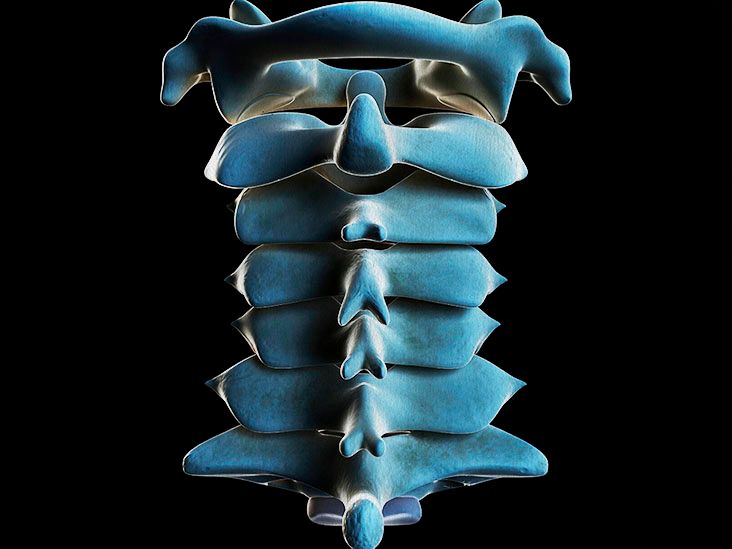
Cervical spinal stenosis is narrowing in the spinal canal or nerve passageways of the neck. The cervical spine contains seven vertebrae, labeled C1 through C7. Between and around these bones are discs, joints, ligaments, and openings where nerves travel. Over time, these structures may change shape, thicken, bulge, or develop bone spurs.
When the narrowing affects nerve roots, it may cause cervical radiculopathy, often felt as pain, tingling, numbness, or weakness traveling into the shoulder, arm, or hand. When the narrowing affects the spinal cord itself, it may cause cervical myelopathy, a more serious condition that can affect coordination, walking, balance, hand function, and bladder or bowel control.
In plain English: a pinched nerve can be annoying, painful, and disruptive. A compressed spinal cord can be a bigger deal and needs prompt medical attention.
Common Causes of Cervical Spinal Stenosis
Most cases of cervical spinal stenosis develop gradually. The spine ages like the rest of the body, although it does not always age politely. Decades of movement, posture habits, injuries, inflammation, and normal wear and tear can change the size and shape of the spaces around the spinal cord and nerves.
Age-Related Degeneration
The most common cause is degenerative change. Discs may lose height and hydration. Joints may become arthritic. Ligaments can thicken. Bone spurs may form. Any of these changes can reduce available space in the cervical spine.
Herniated or Bulging Discs
A cervical disc can bulge or herniate, pressing toward a nerve root or the spinal cord. This may happen suddenly after an injury or gradually as discs weaken over time.
Bone Spurs
Bone spurs, also called osteophytes, are bony overgrowths that often develop with arthritis. They are the body’s attempt to stabilize joints, but in the spine they can crowd nerves like an overenthusiastic person leaning into an already packed elevator.
Thickened Ligaments
Ligaments support the spine, but when they thicken, they may take up extra space inside the spinal canal. This can contribute to stenosis, especially when combined with disc and joint changes.
Congenital Narrowing
Some people are born with a naturally narrower spinal canal. They may not have symptoms early in life, but smaller starting space means less room for age-related changes later.
Injury or Trauma
Previous neck injuries, fractures, or instability can increase the risk of narrowing or nerve compression. Anyone with neck symptoms after trauma should seek medical care rather than trying to “stretch it out” at home.
Cervical Spinal Stenosis Symptoms
Symptoms can range from mild stiffness to significant neurological problems. They may come and go, worsen slowly, or appear more suddenly if a disc herniation or injury occurs.
Neck Pain and Stiffness
Neck pain is common, but not everyone with cervical stenosis has severe neck pain. Some people feel stiffness, tightness, or aching that worsens after long periods of sitting, looking down, or sleeping in an awkward position.
Numbness or Tingling
Tingling, pins-and-needles sensations, or numbness may travel into the shoulders, arms, hands, or fingers. The pattern depends on which nerve is affected.
Weakness in the Arms or Hands
Weakness may show up as trouble gripping objects, opening jars, buttoning a shirt, typing, or holding a phone without dropping it. If your hand suddenly starts acting like it has resigned from the team, that deserves attention.
Balance and Walking Problems
When spinal cord compression develops, people may notice unsteady walking, frequent tripping, heavy legs, or a feeling that their body is not coordinating properly. This is especially important because balance problems may indicate cervical myelopathy.
Clumsiness or Poor Coordination
Difficulty with fine motor tasks can be another warning sign. Examples include messy handwriting, dropping keys, struggling with zippers, or feeling awkward while using utensils.
Bladder or Bowel Changes
Loss of bladder or bowel control is not a typical “wait and see” symptom. It can signal serious spinal cord involvement and should be treated as urgent.
When to Seek Medical Help
Make an appointment with a healthcare provider if neck pain lasts more than a few weeks, symptoms travel into the arms, numbness or tingling keeps returning, or daily activities become harder. Seek urgent medical care if you have sudden weakness, worsening balance, difficulty walking, loss of coordination, or bladder or bowel control problems.
Exercises are not a replacement for medical evaluation when neurological symptoms are present. A gentle stretch may help a stiff neck, but it will not politely ask a compressed spinal cord to stop being compressed.
How Cervical Spinal Stenosis Is Diagnosed
Diagnosis usually begins with a medical history and physical exam. A clinician may ask about pain location, symptom timing, injuries, work habits, sleep position, and activities that worsen or relieve symptoms. They may test strength, reflexes, sensation, balance, walking, and hand coordination.
Imaging Tests
MRI is often used because it shows soft tissues such as discs, nerves, and the spinal cord. X-rays may show arthritis, alignment changes, disc space narrowing, or bone spurs. CT scans can provide more detailed views of bone. In some cases, additional nerve tests may be used to understand how nerves are functioning.
Why Diagnosis Matters
Two people can have the same MRI finding and very different symptoms. One may need only physical therapy and monitoring. Another may need a spine specialist because the spinal cord is involved. The goal is not just to find narrowing; it is to match the imaging with the person’s actual symptoms and function.
Treatment Options for Cervical Spinal Stenosis
Treatment depends on severity, symptoms, overall health, imaging findings, and whether the spinal cord is compressed. Mild cases often start with conservative care. More serious cases, especially cervical myelopathy, may require surgical evaluation.
Activity Modification
Small adjustments can reduce irritation. This may include limiting prolonged looking down, avoiding heavy overhead lifting, changing desk setup, using supportive pillows, and taking breaks from fixed postures. The point is not to live like a porcelain statue. The point is to reduce repeated stress on the neck.
Medication
Doctors may recommend over-the-counter pain relievers or anti-inflammatory medicines when appropriate. Some patients may be prescribed nerve pain medication, muscle relaxers, or short-term treatment for flare-ups. Medications can help symptoms, but they do not widen the spinal canal.
Physical Therapy
Physical therapy is often central to nonsurgical treatment. A physical therapist may work on posture, neck mobility, shoulder blade strength, deep neck muscle control, balance, and safe movement patterns. Therapy may also include heat, ice, traction in selected cases, manual therapy, and education.
Injections
Some people receive epidural steroid injections or other pain procedures to reduce inflammation and pain. Injections may help certain symptoms, especially nerve-related arm pain, but they are not a permanent cure for stenosis. They are usually considered one part of a broader plan.
Surgery
Surgery may be recommended when symptoms are severe, progressive, or related to spinal cord compression. Common surgical goals include decompressing the spinal cord or nerve roots and stabilizing the spine when needed. Procedures may include anterior cervical discectomy and fusion, cervical disc replacement in selected cases, laminectomy, laminoplasty, or posterior fusion.
Surgery is not chosen simply because an MRI looks dramatic. It is usually considered when symptoms, exam findings, and imaging all point to a problem that conservative care cannot safely manage.
Exercises for Cervical Spinal Stenosis
Exercise can be helpful, but only when chosen carefully. The best cervical spinal stenosis exercises are gentle, controlled, and focused on posture, mobility, and support. They should not cause sharp pain, increasing numbness, arm weakness, dizziness, or worsening balance.
Before starting, get medical clearance if you have arm weakness, numbness, tingling, balance problems, spinal cord compression, recent injury, or a history of neck surgery. If any exercise worsens symptoms, stop and ask a healthcare professional for guidance.
1. Chin Tucks
Sit or stand tall. Keep your eyes level. Gently draw your chin straight backward as if making a small double chin. Do not force your head down. Hold for 3 to 5 seconds, then relax. Repeat 5 to 10 times.
Why it helps: Chin tucks can support better neck alignment and strengthen deep neck stabilizing muscles.
2. Scapular Retractions
Sit or stand with relaxed shoulders. Gently squeeze your shoulder blades together as if trying to hold a pencil between them. Do not shrug. Hold for 3 to 5 seconds, then release. Repeat 8 to 12 times.
Why it helps: Better shoulder blade control reduces strain on the neck, especially for people who sit at desks or use phones often.
3. Gentle Neck Rotation
Sit upright and slowly turn your head to the right within a comfortable range. Return to center, then turn left. Keep the movement smooth and small. Repeat 5 times each side.
Why it helps: Gentle rotation can maintain mobility without aggressive stretching.
4. Shoulder Rolls
Slowly roll your shoulders backward in a comfortable circle. Keep your neck relaxed. Repeat 10 times. Then pause and breathe normally.
Why it helps: Shoulder rolls can reduce upper-back and neck tension, especially during posture breaks.
5. Doorway Chest Stretch
Stand in a doorway with forearms resting on the door frame. Step forward slightly until you feel a mild stretch across the chest. Keep the neck neutral. Hold for 15 to 20 seconds.
Why it helps: Tight chest muscles can pull the shoulders forward, encouraging forward-head posture and neck strain.
6. Walking
Walking may not look like a neck exercise, but it supports circulation, endurance, mood, and overall spinal health. Start with short, comfortable walks and build gradually.
Exercises to Avoid Unless Cleared
People with cervical stenosis should be careful with forceful neck extension, rapid twisting, heavy overhead lifting, contact sports, high-impact activity, and aggressive chiropractic neck manipulation. These may not be safe for everyone, especially if spinal cord compression is present.
Posture and Lifestyle Tips That Actually Matter
Posture does not need to be perfect. No one sits like a museum statue for eight hours, and trying to do so may make you tense. Instead, aim for movement variety and better support.
Set Up Your Screen at Eye Level
If your laptop sits low, your neck may spend hours in a forward-bent position. Raise the screen and use an external keyboard if possible.
Take Micro-Breaks
Every 30 to 45 minutes, change position. Stand, walk, roll your shoulders, or do a few gentle chin tucks. Small breaks are boring, yes, but so is neck pain. Choose your boring.
Sleep With Neck Support
A pillow should support the natural curve of the neck without forcing the head too far forward or backward. Side sleepers usually need enough pillow height to keep the neck aligned. Back sleepers may prefer a thinner supportive pillow.
Stay Active
Inactivity can lead to stiffness, weaker muscles, and lower tolerance for daily movement. Low-impact activity such as walking, stationary cycling, or water exercise may be helpful for many people.
Can Cervical Spinal Stenosis Be Cured?
Conservative care usually does not reverse the structural narrowing. However, symptoms can often be managed. People may improve pain, posture, strength, flexibility, and function. In more advanced cases, surgery may relieve pressure on the spinal cord or nerves, but recovery depends on how severe symptoms were and how long compression existed before treatment.
The practical goal is simple: reduce symptoms, protect nerve function, preserve movement, and keep life as normal as possible. That may not sound glamorous, but it is much better than letting your neck run the entire household.
Daily Living With Cervical Spinal Stenosis
Living with cervical spinal stenosis often means learning how your body responds to certain positions and routines. Some people feel worse after long drives. Others flare up after sleeping poorly, carrying heavy bags, or working at a desk without breaks. A symptom diary can help you spot patterns. Write down what you did, how long symptoms lasted, and what helped.
For example, someone may notice that arm tingling appears after two hours of laptop work but improves with screen elevation and shoulder exercises. Another person may discover that heavy grocery bags aggravate symptoms, so switching to smaller loads or a rolling cart makes daily life easier. These are not dramatic movie moments, but they are practical wins.
Personal Experiences and Real-Life Lessons About Cervical Spinal Stenosis
People dealing with cervical spinal stenosis often describe the experience as confusing at first. Neck pain is common, so many assume it is just “sleeping wrong” or “getting older.” Then odd symptoms appear: a hand feels numb, a coffee mug slips, typing becomes awkward, or balance feels slightly off. That is usually the moment when ordinary neck stiffness starts feeling less ordinary.
One common experience is frustration with inconsistent symptoms. A person may feel fine in the morning, then develop tingling after driving, desk work, or looking down at a phone. This unpredictability can make people wonder if they are imagining it. They are not. Nerve irritation can be position-sensitive, and the cervical spine may respond differently depending on posture, fatigue, inflammation, and activity.
Another lesson many patients learn is that “rest” helps only up to a point. During a painful flare, reducing irritating activity can be useful. But staying inactive for too long may increase stiffness and weakness. Many people do better with a middle path: calm the flare, keep moving gently, and gradually rebuild strength with professional guidance. In other words, the neck appreciates support, not abandonment.
Physical therapy can feel surprisingly detailed. A patient may expect dramatic stretches and complicated equipment but instead spend time learning tiny movements like chin tucks, shoulder blade control, breathing, and posture resets. At first, these exercises may seem too simple to matter. Then, after a few weeks of consistency, daily tasks may feel easier. The magic is not in one heroic workout. It is in repeated, boring, useful practice. The neck is apparently a fan of humble habits.
People also learn that ergonomics is not just office furniture marketing wearing a fancy hat. Raising a monitor, supporting the arms, avoiding long phone sessions with the head bent forward, and taking movement breaks can reduce symptom triggers. For someone with cervical stenosis, a good workstation may be less about luxury and more about keeping nerves calm enough to get through the day.
Sleep is another major theme. Many people experiment with pillows before finding one that supports the neck without pushing it into an awkward angle. A pillow that feels wonderful for one person may feel like a medieval device to another. The best choice is usually the one that allows the neck to stay neutral and lets the person wake up without feeling like they wrestled a chair overnight.
There is also an emotional side. Cervical spinal stenosis can make people worry about the future, especially if they read scary stories online. While it is important to take symptoms seriously, panic is not a treatment plan. The better approach is to get a clear diagnosis, understand whether the spinal cord is involved, follow a realistic care plan, and monitor changes. Many people manage symptoms well with conservative care, while others benefit from surgical evaluation when neurological signs progress.
The most useful real-life advice is to respect symptoms without becoming afraid of all movement. Sharp pain, worsening weakness, new balance problems, or bladder and bowel changes deserve prompt medical attention. Gentle movement, posture awareness, and strengthening may help when approved by a clinician. Cervical spinal stenosis is not a reason to give up on activity; it is a reason to move smarter.
Conclusion
Cervical spinal stenosis is a narrowing in the neck portion of the spine that can irritate nerve roots or compress the spinal cord. Symptoms may include neck pain, arm tingling, numbness, weakness, clumsy hands, balance problems, and in severe cases, bladder or bowel changes. Treatment may involve activity modification, medication, physical therapy, injections, or surgery depending on severity.
Exercises such as chin tucks, scapular retractions, gentle rotations, shoulder rolls, chest stretches, and walking may support comfort and function when performed safely. However, cervical spinal stenosis is not the condition for reckless stretching contests. If symptoms are worsening, neurological, or affecting walking and coordination, medical evaluation is essential.
With the right plan, many people reduce pain, improve mobility, and return to daily routines with more confidence. The neck may be small compared with the rest of the spine, but when it complains, it deserves to be heard.