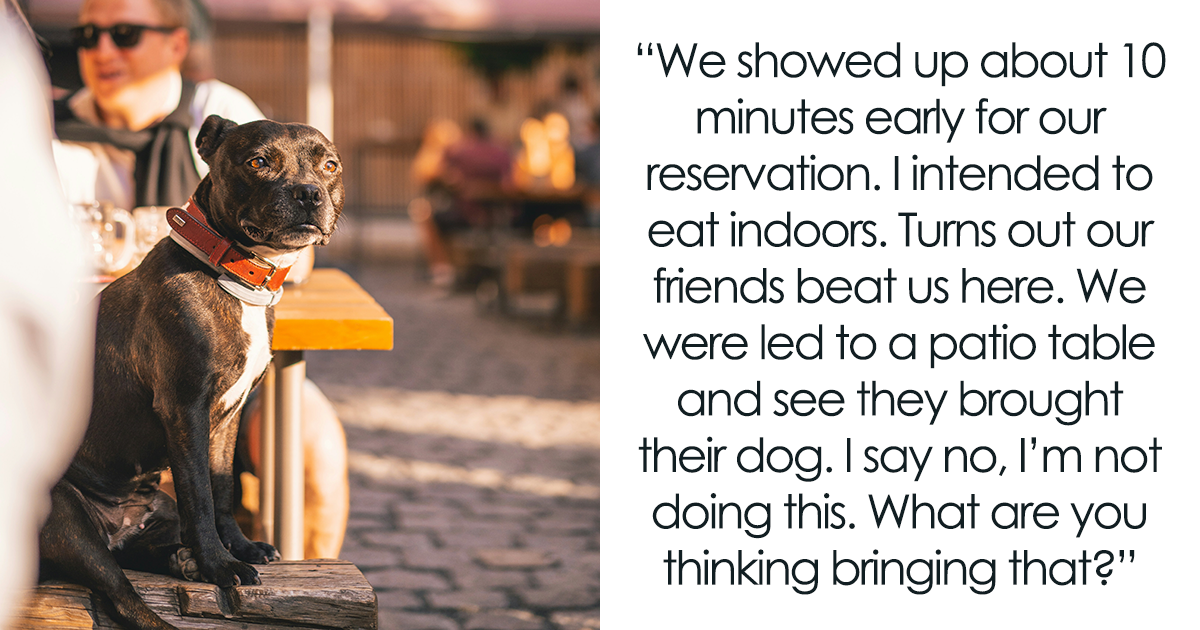
There are few modern dinner-table debates more emotionally loaded than this one: someone brings their dog to dinner, another guest gets uncomfortable, and suddenly the evening has more tension than a group chat after someone says, “We need to talk.” So, are you the jerk for leaving when your friends brought their dog to dinner? In most cases, noyou are not automatically the jerk. But as with every good social dilemma, the answer depends on the setting, the communication, the dog’s behavior, and whether anyone tried to turn a restaurant reservation into a surprise episode of Doggy Date Night.
This situation touches on more than personal preference. It involves restaurant policies, food safety expectations, allergies, service animal laws, boundaries, friendship etiquette, and the growing cultural divide between “dogs are family” and “dogs are wonderful, but not beside my pasta.” Both sides may have feelings that make sense. Dog owners often see their pets as companions they naturally include in daily life. Other diners may have allergies, anxiety around dogs, sensory discomfort, past negative experiences, or simply a reasonable expectation that dinner plans with friends will involve humans only.
The real question is not whether dogs are lovable. Most are. The question is whether it is fair to bring one to dinner without checking with everyone first. And that is where the social leash gets tangled.
The Core Issue: Consent Matters, Even for Cute Dogs
When a group makes dinner plans, there is usually an unspoken agreement about the basic setup: time, place, people, and general vibe. Adding a dog changes the experience. It can affect seating, restaurant choice, conversation, movement around the table, and the comfort level of other guests. Even a perfectly behaved dog still takes up space in the social environment.
That does not make the dog bad. It makes the decision to bring the dog something that should be discussed ahead of time. A quick message“Hey, would everyone be okay if we bring Luna? The patio allows dogs”can prevent an awkward scene later. Without that heads-up, guests may feel ambushed. They came for dinner, not for an unannounced pet-friendly test of their patience.
If you left calmly because you were uncomfortable, allergic, or frustrated by the lack of consideration, your reaction was a boundary. Boundaries are not rude by default. What matters is how you expressed it. Saying, “I’m sorry, I’m not comfortable dining with a dog here, so I’m going to head out,” is very different from shouting, insulting the dog, or making a dramatic exit worthy of a reality TV finale.
Restaurant Rules Are Not the Same Everywhere
In the United States, restaurant dog rules vary by state, city, health department, and individual business policy. A major distinction is whether the dog is a service animal or a pet. Under the ADA, trained service dogs are generally allowed in public areas of restaurants, even when pets are not permitted. A service animal is not the same thing as a casual pet, emotional support animal, or “he’s basically my child” companion.
For ordinary pet dogs, the rules are different. The FDA Food Code has been updated to allow pet dogs in outdoor dining areas when approved by the local regulatory authority. That does not mean every restaurant must allow pets. It also does not mean dogs can automatically come inside, sit on chairs, eat from restaurant plates, or wander under tables like tiny furry food inspectors.
Many dog-friendly restaurants limit pets to patios or outdoor seating areas. Responsible policies often require dogs to stay leashed, remain off furniture, avoid contact with servers, and enter through an outdoor route rather than walking through the dining room. These rules exist because restaurants must balance hospitality, food safety, accessibility, customer comfort, and legal compliance.
Why Someone Might Leaveand Be Completely Reasonable
Leaving dinner may sound extreme to some people, especially dog lovers. But there are several legitimate reasons someone might decide not to stay.
1. Allergies Are Not a Personality Flaw
Pet allergies are not caused only by fur. Allergens can come from dander, saliva, and urine proteins. A person can react even when the dog looks clean, short-haired, or “hypoallergenic.” No dog breed is completely allergen-free. For some people, exposure can mean sneezing, itchy eyes, coughing, skin irritation, or asthma symptoms. Asking them to “just deal with it for one dinner” is not thoughtful; it is basically telling their immune system to stop being dramatic, which historically does not work.
2. Some People Are Afraid of Dogs
Fear of dogs can come from past bites, childhood experiences, anxiety, or simple discomfort around animals. The dog owner may know their dog is gentle. The uncomfortable guest does not have that same relationship. Saying “Don’t worry, he’s friendly” rarely helps, because almost every dog-related incident in history was preceded by someone insisting the dog was friendly.
3. Food and Hygiene Expectations Matter
Many diners prefer not to eat around animals. That does not make them cold-hearted. Restaurants are associated with cleanliness, food preparation, and shared public space. Even if a dog is legally allowed on a patio, guests may still feel uncomfortable if the dog is sniffing bags, shaking near the table, barking, drooling, or begging for food. Dinner should not require defensive fork positioning.
4. The Surprise Is the Problem
If the friends had asked first, the situation might have gone differently. The person could have chosen another restaurant, suggested a dog-free plan, taken allergy medication, or politely opted out before arriving. The lack of warning removes choice. That is often what hurts most: not the dog itself, but the assumption that everyone else should automatically accept the change.
When Leaving Might Look Rude
Even when your boundary is valid, delivery matters. If you left without saying anything, ignored everyone’s messages, or made the friends feel publicly embarrassed, they may focus more on your exit than on their own lack of planning. Social situations are delicate. People tend to remember tone before logic.
A better approach is calm and direct. For example:
“I didn’t realize the dog was coming. I’m not comfortable eating with a dog at the table, so I’m going to head home. I hope you all enjoy dinner, and we can catch up another time.”
This makes the boundary clear without attacking anyone. It also avoids debating whether the dog is “good,” “clean,” or “basically better behaved than most people.” The dog’s moral character is not on trial. The issue is comfort and consent.
What the Dog Owners Should Have Done
Dog owners who want to bring their pets to social plans should follow one golden rule: ask first. Not announce. Not imply. Not show up with a leash and hope the group adjusts. Ask.
A considerate message might say:
“The restaurant patio is dog-friendly. Would anyone mind if we brought Max? If that doesn’t work, no problemwe’ll leave him home.”
That final sentence matters. It shows the offer is optional, not a test of friendship. It gives people permission to say no without feeling like villains in a movie where the dog definitely gets the audience sympathy.
Dog owners should also be honest about their dog’s behavior. A dog that barks, jumps, whines, steals food, lunges at other dogs, or cannot settle under a table is not ready for dinner service. Public dining is overstimulating: smells, servers carrying plates, children nearby, other pets, dropped food, tight spaces, and unpredictable noise. Even good dogs can struggle. Responsible ownership means knowing when the dog will enjoy the outingand when everyone, including the dog, would be happier at home.
What the Restaurant Factor Changes
If the dinner was inside a restaurant that does not allow pets, leaving becomes even more understandable. Nobody wants to be part of an awkward policy violation. Staff may feel uncomfortable enforcing rules, especially if the group acts entitled. A guest should not have to sit there wondering whether the restaurant is about to intervene.
If the dinner was on a dog-friendly patio, the situation becomes more nuanced. The friends may have assumed pets were part of the environment. Still, a dog-friendly patio does not mean every friend is automatically dog-friendly. Legal permission and social consideration are two different things. You can be allowed to do something and still be inconsiderate if you spring it on others.
Service Animals Deserve a Separate Conversation
It is important not to confuse this dilemma with service animal access. A trained service dog assisting a person with a disability is not a pet brought for fun. Restaurants generally must allow service animals in public areas, and other diners should not challenge, shame, or interrogate the handler. If the dog in question was a legitimate service animal, leaving because of allergies or fear may still be a personal choice, but blaming the handler would be unfair.
However, if the dog was simply a pet, emotional comfort companion, or “he gets sad when we leave,” then the social expectations are different. The friends should have checked with the group before bringing the dog.
The Friendship Etiquette: Talk After, Not During the Explosion
If this happened and everyone is upset now, the best move is a follow-up conversation. Keep it short, kind, and specific:
“I wasn’t trying to ruin dinner. I was surprised the dog came because no one asked ahead of time. I’m not comfortable eating with pets at the table, so I left instead of making it a bigger issue. Next time, please check with me first.”
This gives your friends a clear explanation and a future solution. It also avoids turning the incident into a personality war. You are not saying, “Your dog is disgusting.” You are saying, “I need to know before pets are included in dinner plans.” That is reasonable.
So, Are You the Jerk?
In most versions of this situation, no. You are not the jerk for leaving when friends brought their dog to dinner without asking. You are especially not the jerk if you had allergies, fear, discomfort, or concerns about restaurant rules. Your friends may love their dog deeply, but love does not erase the need for basic courtesy.
That said, the cleanest verdict depends on your exit. If you left respectfully, you set a boundary. If you insulted them, made a scene, or demanded the restaurant remove the dog without first addressing your friends, then everyone may owe everyone else an apology buffet.
The fairest conclusion is this: bringing a dog to group dinner should be opt-in, not surprise-in. Friends check before changing the plan. Guests speak up without cruelty. Restaurants make rules clear. Dogs, ideally, remain adorable but not in charge of the reservation.
Experiences Related to This Topic
Many people have lived some version of this dinner dilemma, even if the details vary. One common experience happens when a group books a casual patio dinner and one couple arrives with their dog as if it were the most obvious thing in the world. The dog may be sweet, but the mood shifts. Someone has to move a bag so the leash does not wrap around a chair. A server has to step carefully around the dog bowl. Conversation pauses every time the dog barks at another passing pup. Nobody wants to be the “anti-dog person,” so discomfort sits quietly at the table like an invisible extra guest.
Another familiar scenario involves allergies. A guest may not announce their allergy constantly because they do not want to seem difficult. Then a dog appears beside the table, and within minutes their eyes itch, their nose runs, or their breathing feels off. To the dog owner, the reaction may seem sudden. To the allergic person, it feels like a preventable problem that could have been avoided with one text message. This is why advance notice matters so much. It lets people make calm choices before symptoms or embarrassment enter the scene.
There is also the experience of being a dog owner who genuinely means well. Maybe the restaurant says “pet-friendly,” the dog is calm at home, and the owner assumes everyone will be delighted. Then the dog gets restless, knocks into a chair, whines for fries, or attracts attention from nearby tables. The owner spends the meal managing the dog instead of enjoying the friends. By the end, everyone is tiredincluding the dog. That experience can teach a useful lesson: not every pet-friendly place is the right place for every pet, and not every social event needs a canine guest star.
Some people have also been on the restaurant staff side of the issue. Servers often want guests to have a good time, but dogs can complicate service. A leash across a walkway can become a tripping hazard. A dog under the table may be hard to see when carrying hot plates. If the dog barks, other customers may complain. If the policy is unclear, staff may get stuck between unhappy diners and defensive pet owners. Clear expectations protect everyone.
The best real-world lesson is simple: respect travels both ways. Dog owners should respect that not everyone wants to dine with pets. Non-dog guests should express discomfort without mocking the animal or the owner. Friends should avoid surprises that affect health, comfort, or access. A dinner invitation should not require guests to silently tolerate a situation they did not agree to.
In the end, the dog is rarely the villain. The real problem is usually assumption. Someone assumes everyone loves dogs. Someone assumes restaurant permission equals group permission. Someone assumes silence means approval. Better communication solves most of it. A quick message before dinner can save the meal, the friendship, and possibly a plate of unattended appetizers from a very ambitious Labrador.
Conclusion
Leaving dinner because friends unexpectedly brought their dog does not automatically make you rude. It can be a reasonable response to an uncomfortable surprise, especially when allergies, fear, hygiene expectations, or restaurant policies are involved. The most respectful solution is not to shame dog owners or dismiss non-dog guests. It is to ask first, communicate clearly, and remember that friendship works best when nobody has to choose between their comfort and keeping the peace.
Note: This article is written for web publication in standard American English and is based on real U.S. guidance about restaurant pet policies, service animals, outdoor dining rules, allergies, and social etiquette.