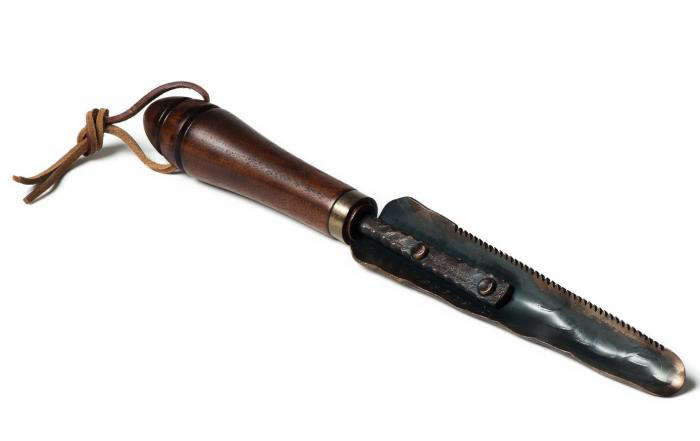
If a garden tool could stroll into a potting shed wearing leather boots and a confident grin, it would probably look a lot like the Fisher Blacksmithing Perennial Trowel. This is not the flimsy, bendy little scoop that comes free in a bargain garden kit and gives up the moment it meets a stubborn root. This is a hand-forged, heirloom-style gardening tool made for people who actually dig, divide, transplant, weed, edge, and occasionally mutter dramatic things at clay soil.
The Fisher Blacksmithing Perennial Trowel is designed for precision work in perennial beds, raised planters, containers, borders, bulb patches, and tight spaces where a full-size shovel would behave like an elephant in a teacup. Its narrow blade, serrated edge, forged steel construction, and hand-turned American black walnut handle make it both practical and beautiful. In other words, it is the rare garden tool that looks good enough to hang on the wall but is happiest when covered in honest dirt.
For gardeners who value craftsmanship, durability, and tools that feel personal rather than disposable, this perennial trowel deserves a closer look.
What Is the Fisher Blacksmithing Perennial Trowel?
The Fisher Blacksmithing Perennial Trowel is a narrow, hand-forged garden trowel made by Fisher Blacksmithing in Bozeman, Montana. It is often described as a perennial or tulip trowel because its slim profile is especially useful for planting bulbs, working around established perennials, dividing compact root clumps, and digging in tight garden spaces.
Unlike wide planting trowels that are built mostly for scooping soil, this tool is made for control. The long, narrow blade can slip between plants without disturbing every root system in the neighborhood. One side includes serrated teeth, which help with cutting through roots, loosening tough soil, edging borders, and removing deep weeds. It is a small tool, yes, but it has big “I came prepared” energy.
The tool is also notable for its materials. Fisher Blacksmithing uses forged steel and hand-turned American black walnut handles, with solid steel rivets used in the construction. That combination gives the trowel its rugged working character and its refined, handmade appearance.
Why Gardeners Like a Narrow Perennial Trowel
A standard garden trowel is useful for many everyday tasks, but it is not always the best choice for perennial beds. Perennials tend to grow in layered, crowded, living communities. There are roots, bulbs, crowns, mulch, stones, worms, and mysterious objects that may or may not be old plant labels from 2019. A wide blade can damage nearby plants or remove more soil than necessary.
A narrow perennial trowel gives you accuracy. You can dig a planting hole for a small perennial, tuck spring bulbs between established plants, loosen soil around a taproot weed, or clean up the edge of a flower bed without creating a miniature construction zone.
Best Uses for This Trowel
The Fisher Blacksmithing Perennial Trowel is especially useful for:
- Planting small perennials in established beds
- Transplanting young plants and divisions
- Digging holes for tulips, daffodils, garlic, alliums, and other bulbs
- Working in raised beds and containers
- Removing deep-rooted weeds
- Dividing small perennial clumps
- Edging around flower beds and borders
- Loosening rocky or compacted soil in tight areas
It is not meant to replace a shovel, spade, or garden fork for heavy-duty bed preparation. Instead, it shines in close-up work where accuracy matters more than brute force.
Craftsmanship: The Blacksmith Difference
The main reason this tool stands out is simple: it is made like a real tool, not like a seasonal accessory. Fisher Blacksmithing garden tools are built one at a time using traditional blacksmithing methods. Steel is heated, shaped over an anvil, formed with hammer work, and finished by hand. That process gives each tool slight individuality, which is part of the charm.
Mass-produced garden trowels can be perfectly acceptable for casual use, but many are stamped, welded, or assembled quickly with cost as the top priority. A hand-forged trowel takes a different approach. It focuses on strength, balance, and longevity. The goal is not to produce the cheapest tool on the pegboard. The goal is to create something that feels dependable every time it meets soil.
The American black walnut handle adds warmth and grip. Wood has a way of feeling more natural in the hand than plastic, especially during longer garden sessions. The handle also gives the tool a classic look that fits beautifully in a traditional garden shed, greenhouse, or potting bench setup.
Design Features That Matter
1. Narrow Blade for Precision
The blade’s slim shape is the heart of the tool. It can reach into small spaces, work between plants, and dig deep without disturbing too much surrounding soil. This is particularly helpful when planting bulbs among perennials, where you want the bulbs placed correctly without accidentally evicting your hostas.
2. Serrated Edge for Roots and Tough Soil
The toothed edge gives the trowel more versatility. It can help saw through small roots, cut into compacted soil, and separate tangled plant material. While it is not a pruning saw, those teeth add bite when a smooth trowel would simply slide, scrape, and complain.
3. Forged Steel Strength
A common frustration with cheap trowels is bending. Push into hard soil, hit a buried stone, or lever out a weed, and suddenly the blade looks like it has developed a personality disorder. Forged steel gives this trowel the strength needed for serious garden tasks.
4. Black Walnut Handle
The handle is not just decorative. A good handle affects comfort, grip, balance, and control. Black walnut is dense, attractive, and durable when properly maintained. It also gives the tool the satisfying feel of something made by a craftsperson rather than launched from a factory cannon.
How It Performs in Perennial Beds
Perennial gardens are rarely empty, open spaces. They are layered and alive. A narrow trowel is excellent in that environment because it lets the gardener work carefully. When adding a new salvia, dividing a small clump of daylilies, or planting spring bulbs between ornamental grasses, the tool can enter the soil cleanly and with minimal disruption.
The blade shape also helps when checking planting depth. Many bulbs need to be planted deep enough to stay protected but not so deep that they struggle to emerge. A long, narrow trowel makes it easier to create a deep, controlled hole. For smaller perennials, it helps create a clean pocket for the root ball without over-digging.
In raised beds, the tool feels especially useful. Raised beds are often densely planted, and gardeners usually work from the side rather than stepping into the bed. A narrow, strong trowel gives reach and control without requiring a full excavation project every time you add a seedling.
How It Compares With a Regular Garden Trowel
A regular garden trowel typically has a wider scoop. That makes it great for moving soil, filling pots, mixing amendments, and planting annuals. The Fisher Blacksmithing Perennial Trowel is more specialized. It is better for slicing, digging narrow holes, lifting weeds, dividing smaller plants, and working around established roots.
Think of it this way: a wide trowel is a soup spoon; a perennial trowel is a chef’s knife. Both belong in the kitchen, but you would not use them for the same job unless dinner had gone terribly wrong.
If your gardening style includes lots of container planting, bulb planting, perennial maintenance, and detailed bed work, this tool may become the one you reach for most often. If you mainly move loose potting mix into large containers, you may still want a wider trowel as a companion.
Who Should Buy the Fisher Blacksmithing Perennial Trowel?
This trowel is best for gardeners who appreciate quality and use hand tools often enough to notice the difference. It is a strong fit for perennial gardeners, cut-flower growers, cottage garden fans, urban gardeners, raised-bed gardeners, and anyone who enjoys handmade American tools.
It also makes an excellent gift for serious gardeners. Gardeners can be hard to shop for because many already own gloves, pruners, pots, seeds, and at least one hat that has seen things. A hand-forged perennial trowel feels special because it is both beautiful and useful. It is not a novelty item. It earns its keep.
However, it may not be necessary for someone who gardens only once or twice a year. Premium tools make the most sense when they are used regularly and cared for properly. This is a buy-it-for-years tool, not a “where did I leave that thing?” tool.
Care and Maintenance Tips
Because this trowel uses steel and wood, basic maintenance matters. The good news is that care is simple. After each use, remove soil from the blade. If the tool is wet, dry it before storing. Moisture and dirt are not friendly to metal over time. They are more like roommates who eat your snacks and never replace them.
For the steel blade, occasional oiling can help protect against rust. For the walnut handle, a light treatment with a suitable wood oil can help preserve the handle’s appearance and feel. Store the trowel in a dry place rather than leaving it outside in rain, grass, or the mysterious corner of the yard where all tools go to be forgotten.
With regular cleaning and sensible storage, a forged garden trowel can stay useful and handsome for many seasons.
Practical Gardening Examples
Planting Tulips Between Existing Perennials
Suppose you have a perennial border with catmint, coneflowers, and ornamental grasses. In fall, you want to add tulips for spring color. A wide shovel would disturb too many roots. A narrow perennial trowel lets you open individual planting holes between established plants, place bulbs at the right depth, and cover them without turning the whole bed upside down.
Removing a Deep Weed
Some weeds seem to have signed long-term leases. A serrated, narrow trowel can dig alongside the root, loosen the soil, and help lift the weed more completely. This is particularly useful with taproot weeds where pulling the leaves alone simply guarantees a comeback tour.
Dividing a Small Perennial
For small divisions of plants like daylilies, sedums, or compact ornamental grasses, the trowel can help separate a manageable clump. For larger divisions, you may need a fork or spade, but for close work, the perennial trowel provides useful control.
Is It Worth the Investment?
The Fisher Blacksmithing Perennial Trowel is a premium hand tool. Its value depends on how you garden. If you want the lowest-cost trowel possible, this is not trying to be that. If you want a durable, handmade, attractive, American-made garden tool that can handle years of real work, the value becomes much easier to understand.
Good tools change the gardening experience. They make tasks smoother, reduce frustration, and create a better connection between the gardener and the work. A well-made trowel will not magically weed the entire yard while you drink lemonade, unfortunately. But it can make the job feel less like a battle and more like a craft.
Experience Notes: What It Feels Like to Use a Tool Like This
Using a narrow forged perennial trowel in a real garden is a different experience from using a lightweight stamped trowel. The first difference is confidence. When the blade enters firm soil, it feels purposeful. There is less hesitation about whether the tool will twist, bend, or give up halfway through the job. That confidence matters more than people realize, especially when working in older beds where soil may contain roots, stones, compacted patches, and the occasional buried acorn planted by an ambitious squirrel.
In a perennial bed, the narrow blade feels especially helpful. Instead of digging a wide hole and disturbing neighboring plants, you can make a clean opening exactly where you need it. This makes a difference when planting bulbs between established perennials. You can slip the blade down, loosen a narrow column of soil, place the bulb, and close the hole with minimal drama. The surrounding plants stay in place, the mulch is not scattered across the path, and the gardener gets to feel unusually competent for a Tuesday afternoon.
The serrated edge becomes useful when dealing with tangled roots. Gardeners often underestimate how much root competition exists below the soil surface. What looks like a calm flower bed above ground can be a botanical traffic jam underneath. A toothed edge helps cut through small roots and tease apart compacted sections. It is not a replacement for heavy division tools, but for small clumps and detailed work, it adds welcome bite.
In containers, the tool offers another advantage: control. Large tools can feel clumsy in pots, especially when refreshing soil around perennials, herbs, or small shrubs. A narrow trowel can loosen the edge of a root ball, remove tired soil, or tuck in a new plant without scraping the entire container wall like a raccoon trying to escape a trash can.
The handle also changes the feel of the work. A wooden handle warms in the hand and gives a more natural grip than many plastic versions. Over time, a wood-handled tool can feel personal, almost like a favorite kitchen knife or well-worn pair of boots. That emotional connection may sound dramatic until you have spent a morning working with a tool that fits your hand well. Then it makes perfect sense.
There is also something satisfying about using a handmade tool in a garden. Gardening is already a slow, physical, seasonal practice. A hand-forged trowel matches that rhythm. It encourages careful work. You notice the soil texture, the root structure, the depth of the planting hole, and the way the blade moves through the bed. It makes ordinary tasks feel more intentional.
Of course, the experience is best when the tool is maintained. Leaving a forged steel and walnut trowel outside in the rain is like buying a beautiful cast-iron skillet and storing it in a swimming pool. Clean it, dry it, oil it occasionally, and it will reward you with years of service. Treat it badly, and it will still try its best, but it may quietly judge you from the shed wall.
Final Verdict
The Fisher Blacksmithing Perennial Trowel is a thoughtfully designed, beautifully made garden tool for people who care about both performance and craft. Its narrow blade, serrated side, forged steel construction, and black walnut handle make it especially valuable for perennial planting, bulb work, weeding, edging, transplanting, and raised-bed gardening.
It is not the cheapest trowel on the market, and that is exactly the point. This is a tool for gardeners who want something durable, practical, and handsome enough to make weeding feel slightly more civilized. If your garden includes perennials, bulbs, containers, or tight planting spaces, this trowel can become a trusted everyday companion.
In a world full of disposable garden gadgets, the Fisher Blacksmithing Perennial Trowel stands out as a tool with soul, strength, and serious dirt-moving manners. Your weeds may not appreciate it. Your garden probably will.