There is a whole planet living under our noses, and frankly, it has been doing an excellent job avoiding rent. A ladybug’s shell shines like polished armor. A jumping spider looks as if it has borrowed eight tiny opera glasses. A bee’s fuzzy body carries pollen like a golden backpack. Macro photography gives us permission to kneel in the grass, slow down, and discover that the “small stuff” is not small at all.
Macro photos of tiny creatures reveal details most people never notice in daily life: the lacework of a dragonfly wing, the jewel-like eyes of a fly, the delicate scales on a moth, the pollen dusting a bee’s legs, or the patient posture of a spider waiting in a web. These images are beautiful, yes, but they are also educational. They help us understand pollination, camouflage, survival, biodiversity, and the quiet drama happening in gardens, parks, forests, sidewalks, and even flowerpots.
This guide explores 50 incredible macro photo ideas and what they reveal about the hidden world of insects, arachnids, and other tiny creatures. Think of it as a field trip where the bus is your camera, the destination is six inches from your shoe, and the tour guide occasionally screams because a beetle moved.
What Makes Macro Photography So Fascinating?
Macro photography is close-up photography that makes small subjects appear larger than life. In practical terms, photographers often use a macro lens, close-up filter, extension tubes, or even a capable smartphone macro mode to capture subjects at very short focusing distances. The magic comes from magnification. A creature that might be ignored at normal size suddenly becomes a portrait subject with texture, expression, color, and character.
At high magnification, depth of field becomes extremely thin. That means only a tiny slice of the subject may appear sharp. This is why the eyes of a spider can be crisp while its legs blur into softness, or why a bee’s face may look sharp while its wings melt into a dreamy background. Skilled macro photographers often use careful lighting, fast shutter speeds, patient timing, and sometimes focus stacking to create sharper images with more visible detail.
But gear is not the whole story. The best macro photos come from curiosity. A photographer who studies how bees move from flower to flower, how butterflies warm themselves in morning light, or how ants organize their work will capture more than a close-up. They will capture behavior. And behavior is where tiny creatures stop being “bugs” and start becoming characters.
50 Incredible Macro Photo Ideas That Reveal A Hidden World
The following 50 macro photo concepts highlight the tiny creatures most likely to turn an ordinary backyard, garden path, or hiking trail into a miniature wildlife documentary.
1. A Bee Covered In Pollen
A bee dusted in pollen is one of the classic macro images because it shows beauty and purpose at once. The tiny hairs on a bee’s body help collect pollen as it visits flowers, making the image both adorable and ecologically important.
2. A Jumping Spider’s Big Eyes
Jumping spiders are macro photography celebrities. Their large front-facing eyes give them an almost cartoon-like personality, as if they are one tiny hat away from hosting a talk show.
3. A Dragonfly Wing In Sunlight
Dragonfly wings look like stained glass when photographed up close. Their transparent structure, fine veins, and reflective surfaces reveal engineering that would make an aircraft designer quietly take notes.
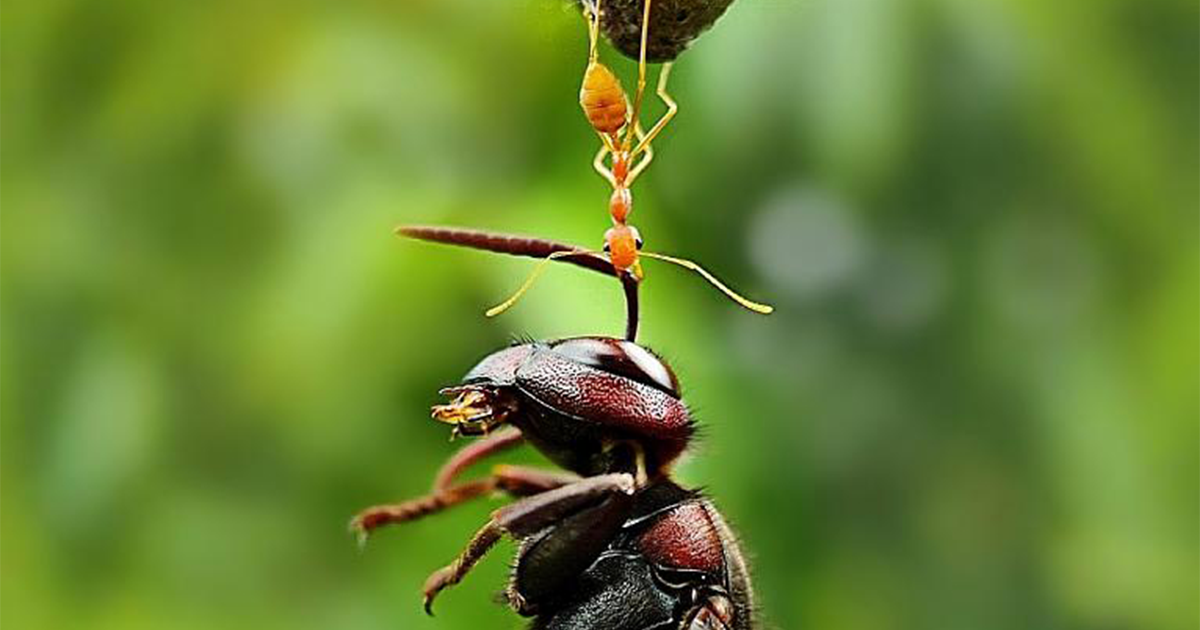
4. An Ant Carrying Food
Ant macro photos often show strength, teamwork, and persistence. A single ant carrying a crumb, seed, or leaf fragment can become a powerful image of determination in miniature form.
5. A Butterfly Wing Scale Pattern
Butterfly wings are covered in tiny scales. Under macro magnification, those scales form patterns that look like roof tiles, feathers, or pixels from nature’s own design software.
6. A Ladybug On A Leaf
A ladybug’s red shell and black spots make it a cheerful subject. Up close, its legs, antennae, and glossy wing covers show that this garden favorite is more complex than its cute reputation suggests.
7. A Moth’s Fuzzy Face
Moths are often overshadowed by butterflies, but macro photography changes that. Their furry bodies, feathery antennae, and soft eyes can look surprisingly elegant.
8. A Fly’s Compound Eyes
Fly eyes are made of many tiny lenses, creating a honeycomb-like surface. A sharp macro image can turn an ordinary housefly into a creature from a science fiction poster.
9. A Beetle’s Metallic Shell
Many beetles shimmer in green, bronze, blue, or copper tones. Macro photography captures those reflective surfaces and reveals why beetles are among the most visually diverse insects on Earth.
10. A Caterpillar’s Tiny Feet
Caterpillars may look simple from a distance, but close-up images show gripping legs, patterned skin, defensive hairs, and surprisingly expressive faces.
11. A Grasshopper’s Textured Body
A grasshopper’s body is full of ridges, plates, and powerful jumping legs. Macro images reveal it as a perfectly built machine for chewing, hiding, and launching itself dramatically when you get too close.
12. A Praying Mantis Portrait
Few tiny creatures look as intense as a praying mantis. Its triangular head, folded forelegs, and watchful posture make it a natural subject for dramatic close-up portraits.
13. A Spider Web With Dew
Dew on a spider web creates a string of tiny glass beads. In morning light, it can transform a backyard corner into a sparkling sculpture.
14. A Mosquito Close-Up
Nobody invites mosquitoes to dinner, but macro photos can still reveal their delicate bodies, long legs, and specialized mouthparts. Appreciation is optional. Scratching is likely.
15. A Hoverfly Mimicking A Bee
Hoverflies often resemble bees or wasps, but they are harmless flies. Macro photography helps viewers notice differences in eyes, wings, and body structure.
16. A Wasp’s Face
Wasps can look fierce in macro portraits, but they are also important predators and pollinators. Their sculpted faces and slender bodies make striking subjects.
17. A Firefly In The Grass
A firefly close-up reminds us that even familiar summer insects have elegant body shapes and subtle patterns when seen in detail.
18. A Snail’s Eye Stalks
Snails are slow enough for patient photography and weird enough to reward it. Their eye stalks, soft bodies, and shell textures make them excellent macro subjects.
19. A Tiny Crab Spider On A Flower
Crab spiders often hide among petals, waiting for prey. Their camouflage makes them a perfect example of how macro photos reveal tiny predators hiding in plain sight.
20. A Lacewing’s Transparent Wings
Green lacewings have delicate wings with intricate veins. A macro shot can make them look like fairy creatures that accidentally wandered into a biology textbook.
21. A Cicada Shell
The empty shell of a cicada nymph is a dramatic macro subject. It tells a story of transformation, leaving behind a ghostly shape clinging to bark.
22. A Beetle Walking Across Moss
Moss becomes a forest at macro scale. A small beetle crossing it can look like a giant explorer moving through green terrain.
23. A Flea Beetle On A Leaf
Tiny flea beetles are difficult to photograph because they jump quickly, but a sharp image reveals smooth bodies, strong hind legs, and subtle colors.
24. A Honeybee Drinking Nectar
A bee reaching into a flower shows the relationship between insects and plants. Macro photography makes that exchange visible and intimate.
25. A Butterfly Resting At Sunrise
Early morning is ideal for butterfly macro shots because cooler temperatures make them less active. Dew, soft light, and still wings can create a peaceful image.
26. A Leafhopper’s Bright Colors
Leafhoppers are often tiny and easy to miss, but up close they can display bold colors and patterns that rival tropical birds.
27. A Tick On A Blade Of Grass
A tick macro image is not cute, but it is educational. It shows how tiny parasites wait on vegetation and why outdoor awareness matters.
28. A Damselfly Resting Near Water
Damselflies are slender relatives of dragonflies. Macro photos highlight their delicate bodies, jewel-like colors, and graceful resting posture.
29. A Beetle Larva Under Bark
Not every tiny creature is glamorous, but larvae are essential parts of ecosystems. Macro images reveal hidden life in decaying wood and soil.
30. A Spider Carrying An Egg Sac
This type of image tells a story of parental investment. The spider may look small, but the behavior is big, meaningful, and surprisingly tender.
31. A Bumblebee In A Flower
Bumblebees are excellent macro subjects because of their fuzzy bodies and busy behavior. Their size makes them easier to photograph than many smaller insects.
32. A Weevil’s Long Snout
Weevils are beetles with distinctive snouts. In macro photos, they can look like tiny elephants wearing armor.
33. A Mantis Nymph On A Stem
Young mantises are tiny, quick, and charismatic. Their miniature hunting posture makes them perfect for storytelling images.
34. A Springtail On Wet Soil
Springtails are extremely small soil creatures that help break down organic matter. Macro photography introduces viewers to life forms they may never knowingly see.
35. A Termite Worker
Termites are often seen only as pests, but close-up photography reveals social insects with specialized roles and delicate bodies.
36. A Water Strider On A Pond
Water striders use surface tension to move across water. A macro image can capture the tiny dimples their legs create on the surface.
37. A Bee’s Pollen Basket
Some bees collect pollen in structures on their hind legs. A close-up shot can show packed pollen like bright yellow saddlebags.
38. A Spider’s Fangs
Spider fang images are dramatic, but they also reveal anatomy. Good macro photography can make fear turn into curiosity.
39. A Cockroach Wing Pattern
Cockroaches may not win popularity contests, but their wings and body plates can be surprisingly detailed when photographed up close.
40. A Silverfish In Household Light
Silverfish are fast, secretive indoor insects. Macro images show their shimmering scales, long antennae, and fish-like movement.
41. A Butterfly Proboscis
A butterfly’s curled feeding tube, called a proboscis, is a wonderful macro detail. It looks like a tiny party straw with serious biological importance.
42. A Stink Bug’s Shield Shape
Stink bugs have broad, shield-like bodies. Macro photos reveal their geometric form, patterned edges, and tough exterior.
43. A Small Spider On A Window
Even a house window can become a macro studio. A tiny spider against glass creates opportunities for silhouettes and backlit detail.
44. A Flower Beetle Feeding
Many beetles visit flowers for pollen or nectar. A close-up can show beetles as part of the pollinator community, not just background insects.
45. A Centipede’s Many Legs
Centipedes are fast predators with segmented bodies. Macro photography can capture their rhythm, texture, and slightly alarming elegance.
46. A Millipede Curled Up
Millipedes often curl into spirals when disturbed. A macro image of this defensive posture creates a beautiful natural pattern.
47. A Fleeting Gnat In Golden Light
Even gnats can become art when photographed in warm light. The lesson is simple: tiny does not mean boring.
48. A Beetle Emerging From Soil
This kind of image reveals the connection between insects and the ground beneath us. Soil is not empty; it is a crowded city with no street signs.
49. A Tiny Creature Reflected In A Water Drop
Water droplets can act like miniature lenses. When a tiny creature appears beside or inside a reflection, the result can feel magical.
50. A Backyard Scene That Looks Like Another Planet
The best macro photo may not be one creature, but an entire tiny landscape: moss, soil, dew, pollen, webs, and one small insect moving through it like an explorer.
Why Macro Photos Matter Beyond Beauty
Macro photography does more than create pretty pictures. It builds attention. When people see a bee’s pollen-covered legs or a butterfly’s fragile wing scales, they often begin to care more about the habitats that support those creatures. Gardens, meadows, native plants, fallen leaves, dead wood, and clean water all become easier to value when we can see who depends on them.
Insects are among the most diverse groups of animals on Earth, and many are essential to pollination, decomposition, food webs, and soil health. Bees, butterflies, moths, beetles, wasps, and flies all play roles in moving pollen, feeding birds and other wildlife, recycling nutrients, and supporting plant reproduction. A macro photo may be small in subject, but it can point toward a large ecological truth: the world works because tiny creatures keep showing up for their shifts.
Close-up images can also support education and science. High-quality photos may help identify species, document behavior, compare body patterns, and raise public interest in conservation. A crisp image of a native bee, a beetle, or a spider can introduce people to animals they might otherwise swat, ignore, or misunderstand.
How Photographers Capture Tiny Creatures Without Disturbing Them
The best macro photographers behave less like hunters and more like polite neighbors. They move slowly, avoid crushing plants, and try not to stress their subjects. Early morning is often a good time because many insects are cooler and less active. Soft light also helps reduce harsh shadows, while dew adds atmosphere.
Lighting matters. At close distances, the camera can block natural light, so many photographers use diffused flash, reflectors, or bright but gentle ambient light. A diffuser softens the flash, helping preserve detail without making the insect look as if it has been interrogated by airport security.
Focus is another challenge. Because the depth of field is so thin, photographers often focus on the eyes first. If the eyes are sharp, viewers feel connected to the subject. For still subjects, focus stacking can combine multiple photos taken at slightly different focus points, creating a final image with greater detail across the creature’s body.
Best Places To Find Tiny Macro Subjects
You do not need to travel to a rainforest to photograph tiny creatures. Start with a garden, park, balcony planter, meadow edge, compost pile, pond bank, or patch of weeds. Flowers attract pollinators. Damp logs attract beetles, millipedes, and fungi-loving insects. Porch lights may attract moths at night. Tall grass can hide spiders, grasshoppers, leafhoppers, and other small animals.
Native plants are especially valuable because they support local insects. A garden with diverse flowers, leaf litter, and fewer pesticides will usually offer more macro subjects than a perfectly trimmed lawn. In other words, a slightly messy garden may be a five-star hotel for tiny creatures. Nature does not always prefer our obsession with neat edges.
Beginner Tips For Taking Better Macro Photos
Start With Calm Subjects
Snails, caterpillars, beetles, resting butterflies, and sleeping bees are easier than fast flies or nervous grasshoppers. Build skill with subjects that are less likely to vanish the moment you breathe.
Get Low And Steady
Eye-level photos feel more intimate. Instead of shooting down from above, lower your camera until the creature’s world becomes the viewer’s world.
Watch The Background
A clean background makes the subject stand out. Move slightly left, right, up, or down to place the creature against distant greenery, sky, bark, or soft color.
Respect The Creature
Do not freeze, trap, glue, harm, or over-handle insects for a photo. A beautiful image is not worth damaging the life it celebrates.
Take More Shots Than You Think You Need
Tiny creatures move. Wind moves. Your hands move. The planet moves. Take several frames and expect many to fail. Macro photography is a numbers game with occasional tiny miracles.
The Story Hidden In Tiny Details
Every macro photo is a reminder that nature is layered. A flower is not just a flower; it is a landing pad, a restaurant, a nursery, and sometimes a hunting ground. A leaf is not just a leaf; it is shelter, food, camouflage, and a stage for microscopic dramas. A patch of moss can hold more visual adventure than a full-size landscape if you look closely enough.
That is why the best macro images are not merely close. They are observant. They invite the viewer to ask questions. Why does this beetle shine? Why are those wings patterned? Why does that spider look directly at the camera? Why is the bee carrying so much pollen? Why did I ever think my backyard was boring?
Personal Experience: What A Day With Tiny Creatures Teaches You
Spending time with macro photography changes how you move through the world. At first, you may begin with a simple goal: capture a sharp bee photo, find a colorful beetle, or photograph a spider without making the kind of noise that causes neighbors to check on you. But after an hour in the grass, the goal shifts. You stop hunting for “the perfect shot” and start noticing patterns.
You notice that bees do not visit flowers randomly. Some return again and again to the same blooms. You notice that ants have highways along stems and cracks in the pavement. You notice that a spider web is not messy at all; it is carefully placed where flying insects are likely to pass. You notice that leaves have bite marks, eggs, silk threads, tunnels, and clues. The backyard becomes a detective scene, except the suspects are extremely small and rarely cooperate with interviews.
One of the best experiences related to macro photography is learning patience. A butterfly may fly away just as you focus. A jumping spider may turn around at the exact moment you press the shutter. A breeze may move a flower and ruin the frame. At first, this feels annoying. Then it becomes part of the process. Macro photography teaches you that control is limited, but attention is powerful.
There is also a surprising emotional shift. Many people begin macro photography thinking insects are strange, scary, or simply not worth much attention. But a close view can soften that reaction. A bee becomes a hardworking pollinator. A spider becomes a precise hunter. A beetle becomes a living sculpture. Even a fly, the uninvited guest of picnics everywhere, becomes visually fascinating when its eyes and wings fill the frame.
The experience also encourages better outdoor habits. You become more careful about where you step. You hesitate before removing a “messy” patch of leaves because it may shelter tiny life. You look at garden flowers not just as decoration, but as food stations for pollinators. You start to understand that a healthy environment is not silent and sterile. It buzzes, crawls, flutters, digs, hides, and occasionally lands on your sleeve like it has urgent business.
Macro photography also rewards humility. You can own expensive gear and still lose to a moving ant. You can plan the perfect morning and end up photographing a beetle on a trash can because the light is unexpectedly wonderful. You can spend twenty minutes approaching a dragonfly only to discover a better image waiting on the fence behind you. The tiny world does not care about your schedule, which is rude, but also refreshing.
Most of all, photographing tiny creatures makes ordinary places feel extraordinary. A sidewalk crack becomes a canyon. A weed becomes a forest. A water droplet becomes a crystal ball. The more you look, the more you find. And once you have seen the hidden world through a macro lens, it is difficult to unsee it. The small world stays with you, quietly asking you to slow down and look again.
Conclusion
Macro photography opens a door to a world that is easy to miss but impossible to forget. Through close-up images of bees, spiders, beetles, butterflies, ants, snails, and other tiny creatures, we see nature’s design at a scale that feels both scientific and magical. These photos reveal color, structure, behavior, and ecological importance in the smallest corners of everyday life.
The next time you walk past a garden, pause for a moment. Look at the flowers, the leaves, the soil, and the thin lines of silk between stems. Somewhere nearby, a tiny creature is working, hunting, resting, building, pollinating, or simply being magnificent without asking for applause. Macro photography gives that hidden world its spotlight.
Note: This article is an original synthesis based on widely accepted macro photography techniques and natural-history information from reputable photography, museum, conservation, university extension, and U.S. government resources.