Parsley looks like the polite little herb that sits quietly beside the potatoes, but do not be fooled. Give it decent soil, steady moisture, and a little attention, and it becomes a leafy green overachiever. The real trick is knowing how to harvest parsley so the plant keeps producing
The good news: harvesting parsley is simple. The better news: once you learn where to cut, when to cut, and how much to take, one healthy parsley plant can provide fresh leaves for salads, soups, sauces, marinades, roasted vegetables, omelets, tabbouleh, chimichurri, gremolata, and emergency “this dinner looks too beige” situations.
This guide explains when parsley is ready, how to cut it correctly, how to avoid damaging the plant, and how to store or preserve your harvest. Whether you grow curly parsley, Italian flat-leaf parsley, or a little pot of supermarket parsley trying its best on a windowsill, the same basic rule applies: harvest from the outside, cut stems near the base, and leave the center alone so new growth can continue.
Understanding Parsley Before You Harvest
Parsley is a biennial herb, which means it naturally grows leaves in its first season, then sends up flowers and seeds in its second season. Most gardeners treat it as an annual because the best leaves come from the first year. Once parsley starts flowering, the leaves often become tougher and more bitter. At that point, the plant is less interested in your soup and more interested in completing its botanical life mission.
There are two common leaf types. Curly parsley has ruffled leaves and is often used as a garnish, though it has plenty of culinary value when chopped finely. Flat-leaf parsley, often called Italian parsley, has broader, flatter leaves and is usually favored by cooks because it has a stronger, cleaner flavor. Both types are harvested the same way.
When Is Parsley Ready to Harvest?
Parsley is ready to harvest when the plant has enough leafy stems to keep growing after you remove some. A good practical sign is that the plant has several mature outer stems that are at least 6 inches tall, with a healthy cluster of younger leaves in the center. If the plant looks tiny, nervous, and barely committed to being alive, give it more time.
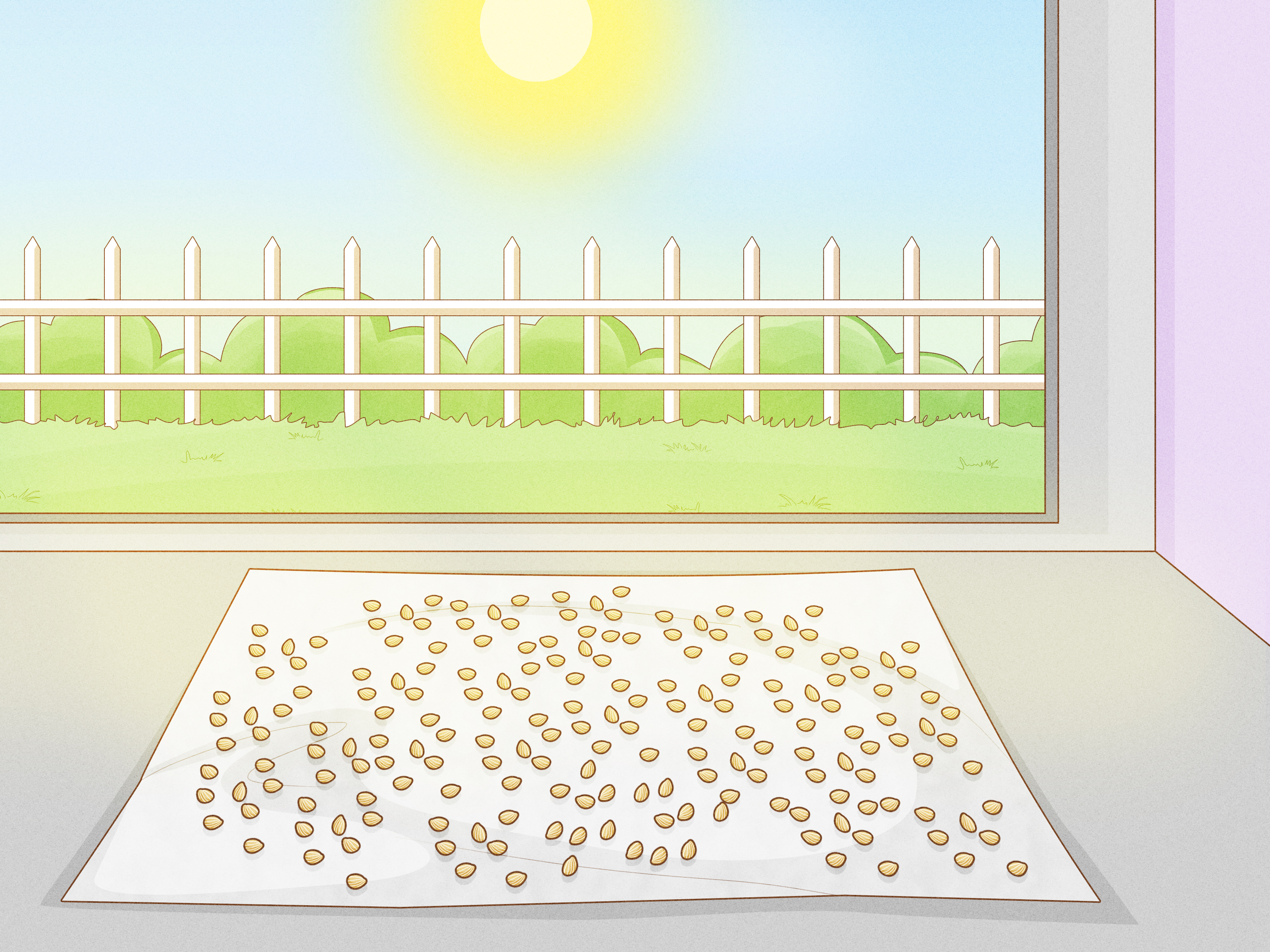
Seed-grown parsley is slow at the beginning. It may take several weeks just to germinate, then more time to build enough foliage for regular picking. Transplants from a garden center can usually be harvested sooner, often once they have settled into their container or garden bed and started producing fresh growth.
Best Time of Day to Harvest Parsley
The best time to harvest parsley is in the morning after the dew has dried but before the day becomes hot. Morning-harvested herbs are usually crisp, fragrant, and less wilted. If you harvest at noon during a heat wave, parsley may flop dramatically, and honestly, same.
For everyday cooking, you can snip a few stems whenever you need them. For a larger harvest meant for freezing or drying, choose a dry morning. Avoid harvesting wet leaves if you plan to store them, because excess moisture encourages spoilage.
Tools You Need for Harvesting Parsley
You do not need fancy equipment. A clean pair of kitchen scissors, garden snips, or small pruning shears works perfectly. Clean tools matter because dirty blades can spread disease from one plant to another. If you are harvesting a lot, bring a clean bowl, basket, or colander so the stems are not crushed.
- Clean scissors or snips: For neat cuts that help the plant recover.
- A clean harvest bowl: To keep leaves off the soil.
- Paper towels or a salad spinner: For drying washed parsley.
- Storage bags, jars, or containers: For refrigerating, freezing, or drying the harvest.
How to Harvest Parsley Step by Step
Step 1: Look for the Oldest Outer Stems
Start by looking at the outside of the plant. The outer stems are the oldest and usually the largest. These are the ones you want to harvest first. The young inner leaves are the plant’s growth engine, so leave them alone unless you enjoy turning a productive herb into a sad green haircut.
Step 2: Cut the Stem Close to the Base
Use clean scissors to cut each selected stem near the base of the plant, close to the soil line. Do not simply pinch off the leafy tops and leave bare stems behind. Parsley regrows better when entire outer stems are removed. Cutting only the tops can reduce productivity and leave the plant looking like it lost a fight with a tiny lawn mower.
Step 3: Harvest Around the Plant Evenly
Move around the plant and take stems evenly from different sides. This keeps the plant balanced and allows sunlight and airflow to reach the center. If you harvest only one side repeatedly, parsley can become lopsided, which is not a tragedy, but it does make your herb pot look like it is leaning into gossip.
Step 4: Leave the Center Growing
The center of the parsley plant contains young developing leaves. Leave this crown intact. If you cut deeply into the central growing point, the plant may slow down or stop producing. Think of the center as the parsley factory. You may take the finished products, but do not unplug the machinery.
Step 5: Water After a Heavy Harvest
If you take a generous harvest, check the soil afterward. Parsley prefers evenly moist, well-drained soil. Do not drown it, but do not let it wilt either. A steady watering routine helps the plant push out new leaves for the next harvest.
How Much Parsley Can You Harvest at Once?
For routine picking, harvest only what you need. For a larger cut, avoid removing more than about one-third of the plant at a time. Parsley can recover from regular harvesting, but it needs enough leaves left behind to photosynthesize and keep growing. In plain English: the plant still needs solar panels.
If your parsley is huge, vigorous, and bursting out of its pot like it has gym goals, you can harvest more confidently. If it is young, stressed, dry, recently transplanted, or growing in poor light, harvest lightly. The weaker the plant, the more polite you should be with your scissors.
Harvesting Parsley for Fresh Use
For fresh cooking, cut stems right before you use them. Fresh parsley has the brightest flavor and best texture immediately after harvest. Rinse the stems under cool water, shake off excess moisture, and pat dry. For chopped parsley, bunch the leaves together and slice with a sharp knife. Avoid crushing the leaves too aggressively, because bruising can make them dark and wet.
Use flat-leaf parsley in bold dishes such as garlic sauces, grilled meats, bean salads, pasta, lemony dressings, and herb butters. Use curly parsley when you want texture, a milder flavor, or a garnish that says, “Yes, I tried.” Both types can be mixed into soups near the end of cooking so the flavor stays fresh.
Harvesting Parsley for Drying
If you want dried parsley, harvest in the morning on a dry day. Choose healthy, unblemished leaves and avoid stems that are yellow, spotted, muddy, or damaged. Wash the parsley gently, dry it thoroughly, and spread it in a single layer on drying racks or clean screens in a warm, airy place away from direct sunlight.
You can also use a dehydrator on a low setting. Parsley dries quickly compared with thicker herbs, but drying time depends on humidity, airflow, and the size of the leaves. The leaves are ready when they crumble easily. Store dried parsley in an airtight container in a cool, dark cabinet. For best flavor, use it within a year. Yes, that dusty jar from the ancient pasta era still exists, but it may now taste mostly like cupboard.
Harvesting Parsley for Freezing
Freezing is one of the best ways to preserve parsley flavor. Wash and dry the stems thoroughly, chop the leaves, and freeze them in a labeled freezer bag. Press out extra air before sealing. You can also freeze chopped parsley in ice cube trays with water or olive oil. Once frozen, transfer the cubes to a freezer-safe container.
Frozen parsley is ideal for soups, stews, sauces, rice, roasted vegetables, and skillet meals. It will not have the same crisp texture as fresh parsley, so do not expect it to perform like a perky garnish. It is still excellent for flavor.
How to Store Freshly Harvested Parsley
Fresh parsley can last surprisingly well when stored correctly. For short-term storage, wrap clean, dry stems loosely in a paper towel and place them in a plastic bag or airtight container in the refrigerator. Another effective method is to place parsley stems upright in a jar with a small amount of water, cover loosely with a bag, and refrigerate.
Before storing, remove yellow or slimy leaves. One bad leaf can spoil the mood for the whole bunch. Keep parsley slightly humid but not wet. Excess water trapped on the leaves is the fast lane to mushy disappointment.
How Often Can You Harvest Parsley?
You can harvest parsley repeatedly throughout the growing season. A healthy plant can handle regular picking every few days if you take only a few stems at a time. For larger harvests, allow the plant two to three weeks to regrow before cutting heavily again.
Frequent light harvesting often encourages fresh growth. It also prevents the plant from becoming crowded and tangled. The key is consistency. Parsley likes regular attention, not a once-a-month ambush with scissors.
Harvesting Parsley from Containers
Container-grown parsley is harvested the same way as garden parsley: cut outer stems at the base and leave the center intact. However, container plants dry out faster, especially in warm weather. After harvesting, check the soil moisture. If the top inch feels dry, water deeply until excess water drains out.
Parsley grows well in pots, but it needs enough space for its taproot. A cramped container may produce smaller leaves and slower regrowth. If your plant dries out every afternoon or wilts even when watered, it may need a larger pot or a cooler location with morning sun and afternoon shade.
Harvesting Indoor Parsley
Indoor parsley can be harvested year-round if it receives enough light. Place it near a bright window or under a grow light. Indoor plants often grow more slowly than outdoor plants, so harvest gently. Take a few outer stems at a time and rotate the pot regularly so all sides receive light.
If indoor parsley becomes pale, stretched, or weak, it is probably asking for more light. If the soil stays wet for days, it may need better drainage. Healthy indoor parsley should look compact, green, and alert, not like it has been living in a basement writing sad poetry.
What to Do When Parsley Starts Flowering
In its second year, parsley often sends up a tall flower stalk. Once this happens, leaf quality usually declines. You can pinch off early flower stalks to delay the process, but eventually the plant will focus on flowering and seed production.
At that stage, harvest any usable leaves, then decide whether to let the plant flower for pollinators or remove it and start fresh. Parsley flowers can attract beneficial insects, and parsley is also a host plant for black swallowtail butterfly caterpillars. If you see striped caterpillars munching the leaves, you are not being robbed; you are accidentally running a butterfly nursery.
Common Parsley Harvesting Mistakes
Cutting Only the Leafy Tops
This is the most common mistake. Always cut the whole outer stem near the base. Leaving naked stems behind slows production and makes the plant less tidy.
Taking Too Much at Once
If you strip the plant nearly bare, regrowth will be slow. Leave enough foliage so the plant can recover.
Harvesting Wet Leaves for Storage
Wet parsley spoils faster. If you wash it before storing, dry it thoroughly with a salad spinner or towels.
Ignoring Yellow Leaves
Yellow leaves may mean age, stress, overwatering, underwatering, or poor light. Remove them during harvest and check the plant’s growing conditions.
Letting the Plant Bolt Without a Plan
Once parsley flowers, flavor declines. Harvest heavily before flowering if your main goal is kitchen use.
Real-Life Experiences: Lessons from Harvesting Parsley
The first thing many gardeners learn about parsley is that it does not respond well to impatience. You plant it, water it, stare at the soil, question your life choices, and then one day tiny green leaves appear as if the plant finally remembered it had an appointment. The harvest lesson starts there: parsley rewards calm, steady care.
One common experience is the “grocery-store pot experiment.” Someone buys a small parsley plant from the supermarket, uses a few leaves, then sets it on the windowsill and hopes for endless pesto-level abundance. Sometimes it works, but often the plant struggles because several seedlings are packed tightly into one small pot. The best fix is to trim lightly at first, water evenly, and move the plant into a larger container with drainage. After a couple of weeks, the harvest improves because the roots finally have room to breathe.
Garden parsley teaches a different lesson: the more correctly you cut, the more generous it becomes. Harvesting outer stems at the base feels almost too aggressive the first time. Many beginners want to snip only the leaf tips, thinking they are being gentle. But after a few weeks, the difference is obvious. Plants cut at the base send up fresh new growth. Plants given random little haircuts become woody, crowded, and less productive. Parsley is basically saying, “Please prune me like you mean it.”
Another useful experience comes from summer heat. Parsley that tasted bright and sweet in spring can become tired during hot weather, especially if the soil dries out. Gardeners in warm regions often get better harvests by picking early in the morning and giving plants afternoon shade. A layer of mulch helps keep soil moisture steady. The plant may not become a summer superstar like basil, but it can keep producing enough for everyday cooking.
Then there is the caterpillar dilemma. Many parsley growers eventually discover black swallowtail caterpillars eating the leaves. The first reaction is usually panic, followed by research, followed by guilt. These caterpillars become beautiful butterflies, so some gardeners plant extra parsley: one plant for the kitchen, one plant for the caterpillars, and one plant for emotional compromise. It is not the most efficient harvest strategy, but it is a charming one.
Finally, parsley proves its worth at the end of the season. A final harvest before hard winter weather can turn into freezer bags of chopped herbs, trays of parsley cubes, or jars of dried leaves. Months later, when soup tastes flat, a handful of preserved parsley brings back a little garden brightness. That is the quiet magic of harvesting well: you are not just cutting leaves; you are saving flavor for later.
Conclusion
Learning how to harvest parsley is mostly about timing, clean cuts, and restraint. Wait until the plant has enough mature stems, harvest in the morning when leaves are fresh, cut outer stems near the base, and protect the young center growth. Take only what the plant can spare, and it will reward you with steady regrowth throughout the season.
Fresh parsley is more than a garnish. It adds brightness, color, aroma, and balance to everyday meals. With the right harvesting method, a single plant can become a dependable kitchen companion instead of a one-time decoration. Treat it well, harvest it correctly, and parsley will keep showing up for dinner like the reliable green friend it is.
Note: This article is written for web publication and is based on established home-gardening practices from reputable horticultural and extension-style guidance. Always adjust harvest timing to your local climate, plant health, and growing conditions.