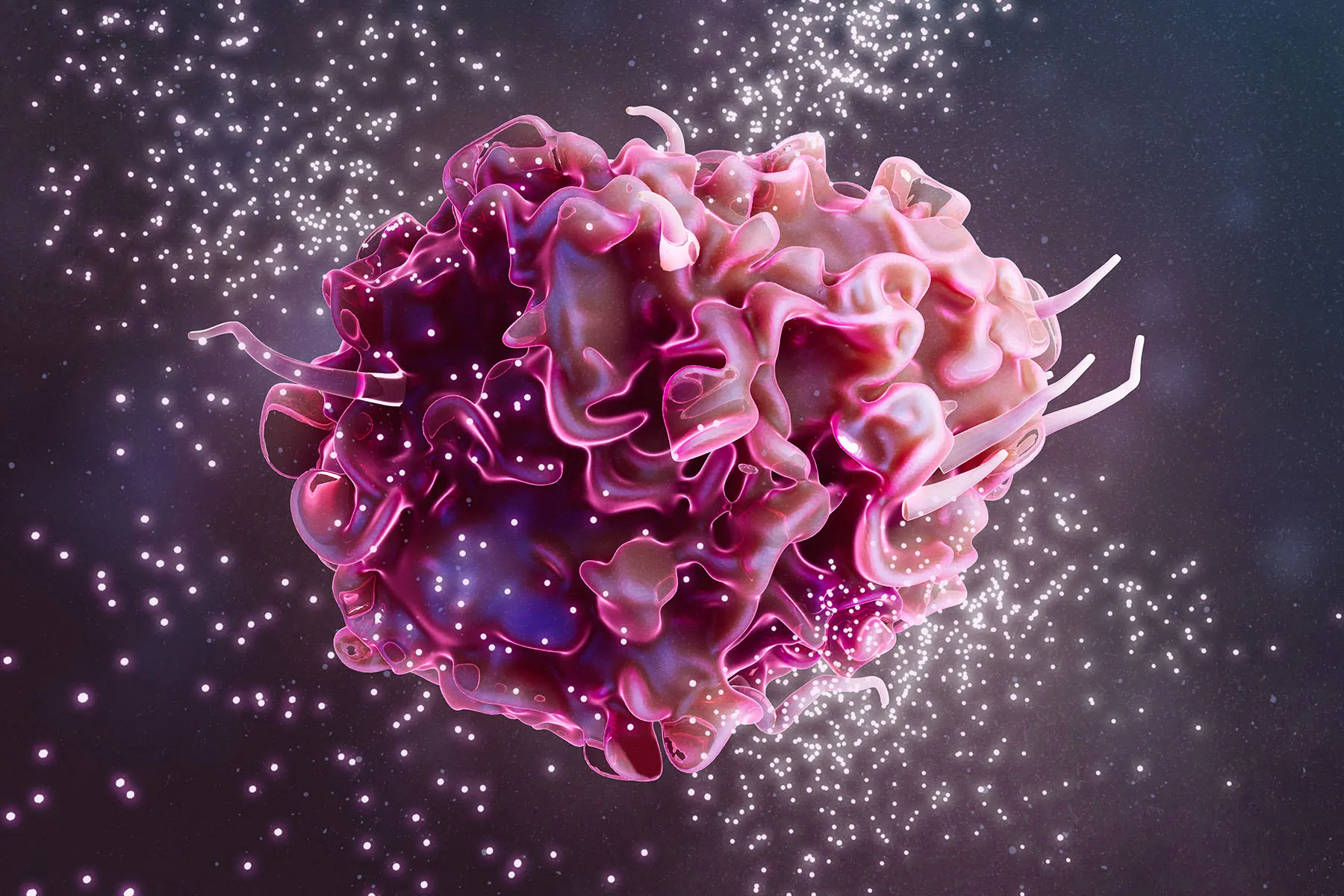
Cytokine release syndrome sounds like something that escaped from a medical textbook wearing a lab coat and carrying a clipboard. In reality, it is a serious inflammatory reaction that can happen when the immune system becomes highly activated and releases large amounts of chemical messengers called cytokines. These cytokines are not villains. Most days, they are helpful little text messages between immune cells. The trouble begins when the group chat gets wildly out of control.
Cytokine release syndrome, often shortened to CRS, is most commonly discussed in connection with modern cancer immunotherapies, especially CAR T-cell therapy and bispecific antibodies. These treatments are designed to wake up the immune system and aim it at cancer cells. That can be life-changing, even lifesaving. But when immune cells become intensely stimulated, they may release a flood of cytokines that causes fever, low blood pressure, breathing problems, organ stress, and other symptoms that need quick medical attention.
The good news is that doctors now recognize CRS much earlier than they did in the early days of advanced immunotherapy. Cancer centers, transplant teams, emergency departments, nurses, pharmacists, and intensive care specialists have developed clear protocols to monitor, grade, and treat it. CRS can still be dangerous, but it is also manageable when patients are watched closely and treated promptly.
What Is Cytokine Release Syndrome?
Cytokine release syndrome is a systemic inflammatory response caused by a rapid release of cytokines into the bloodstream. Cytokines are proteins that help immune cells communicate. They tell the body when to create inflammation, recruit immune cells, fight infection, repair tissue, or calm things down after the job is finished.
In CRS, the immune response becomes too intense. Instead of a controlled immune alarm, the body experiences something closer to a blaring siren. This can affect the whole body, including the heart, lungs, blood vessels, kidneys, liver, brain, and digestive system. Symptoms may be mild and flu-like, or they may become severe enough to require oxygen, blood pressure support, or intensive care.
Why Does Cytokine Release Syndrome Happen?
The most common trigger today is immune-based cancer treatment. CAR T-cell therapy is one of the best-known examples. In this treatment, a patient’s T cells are collected, changed in a laboratory so they can better recognize cancer cells, and then returned to the body. Once infused, those modified immune cells can multiply, attack cancer cells, and release cytokines as part of the immune attack.
Bispecific antibodies can also cause CRS. These medicines are designed to connect immune cells with cancer cells, encouraging the immune system to attack. Again, that immune activation is the point of the treatment. The challenge is keeping the response powerful enough to fight disease but controlled enough to protect healthy organs.
CRS can also be seen with other immune therapies, certain monoclonal antibodies, stem cell transplant-related treatments, severe infections, and inflammatory conditions. However, in everyday medical conversations, the phrase is most often linked with cancer immunotherapy.
Cytokines: Helpful Messengers With a Dramatic Side
Think of cytokines as the immune system’s notification system. A small number of alerts can be useful: “Send help here.” “Start inflammation.” “Bring in more immune cells.” “Something suspicious is happening.” But when cytokine levels rise too quickly, the body may react as if it is fighting a major threat everywhere at once.
Interleukin-6, often called IL-6, plays a major role in many cases of CRS. Other inflammatory molecules may also be involved, including interferon-gamma, interleukin-1, and tumor necrosis factor. These substances can influence fever, blood vessel widening, fluid shifts, clotting changes, and the way organs function during inflammation.
Common Symptoms of Cytokine Release Syndrome
CRS often begins with symptoms that resemble a strong flu. That can make it tricky because fever and body aches may not sound dramatic at first. But after CAR T-cell therapy or another high-risk immunotherapy, even a fever deserves attention. Medical teams usually tell patients exactly when to call, where to go, and what symptoms should never be ignored.
Mild to Moderate Symptoms
- Fever of 100.4°F or higher
- Chills or shaking
- Fatigue or weakness
- Headache
- Muscle aches or joint pain
- Nausea, vomiting, or diarrhea
- Loss of appetite
- Rash
- Fast heartbeat
Severe Symptoms
- Low blood pressure
- Shortness of breath or low oxygen levels
- Confusion or unusual sleepiness
- Dizziness or fainting
- Reduced urine output
- Abnormal bleeding or clotting problems
- Organ dysfunction
Severe CRS is a medical emergency. Patients receiving CAR T-cell therapy or bispecific antibodies should follow their care team’s emergency plan rather than trying to “sleep it off.” The immune system may be brave, but it is not always a reliable overnight decision-maker.
When Does CRS Usually Start?
The timing depends on the treatment. After CAR T-cell therapy, CRS often appears within the first several days after infusion, though it can occur later. Some patients develop symptoms around day two or three; others may have delayed reactions. With bispecific antibodies, CRS may occur after early doses, which is why many treatment plans use step-up dosing and careful observation.
Because timing varies, patients are usually monitored closely during the highest-risk period. Some people stay near the treatment center after CAR T-cell therapy so they can be evaluated quickly if symptoms begin. This is not medical overprotectiveness. It is more like keeping a fire extinguisher in the kitchen: hopefully boring, extremely useful if needed.
How Doctors Grade Cytokine Release Syndrome
Doctors grade CRS to describe how serious it is and guide treatment. The American Society for Transplantation and Cellular Therapy, known as ASTCT, created a widely used grading system. In simple terms, grading is based mainly on fever, blood pressure, and oxygen needs.
Grade 1
Grade 1 usually means fever without low blood pressure or low oxygen. Patients may feel miserable, but the condition is generally less severe and may be managed with close monitoring and supportive care.
Grade 2
Grade 2 may involve fever plus low blood pressure that responds to fluids, or oxygen needs that can be handled with low-flow oxygen. This stage often requires more active treatment and careful observation.
Grade 3
Grade 3 involves more serious blood pressure problems or higher oxygen requirements. Patients may need medications to support blood pressure, higher levels of oxygen, and care in a closely monitored setting.
Grade 4
Grade 4 is life-threatening. It may involve severe low blood pressure requiring multiple medications, breathing support, or intensive care. This level requires immediate and aggressive medical management.
How CRS Is Diagnosed
There is no single magic test that says, “Congratulations, this is definitely CRS.” Diagnosis is based on timing, symptoms, vital signs, recent treatments, physical examination, and laboratory results. Doctors also work hard to rule out other causes, especially infection. This matters because fever after cancer treatment could be CRS, infection, or both at the same time.
Common evaluations may include blood counts, kidney and liver tests, inflammatory markers such as C-reactive protein or ferritin, blood cultures, oxygen measurements, chest imaging, clotting tests, and heart monitoring when needed. The exact workup depends on the patient’s condition and treatment history.
Treatment for Cytokine Release Syndrome
Treatment depends on severity. Mild CRS may only require observation, fever control, fluids, and repeated checks of blood pressure, oxygen levels, and lab results. More serious CRS needs targeted therapy and sometimes hospital or intensive care support.
Supportive Care
Supportive care may include acetaminophen for fever, intravenous fluids, oxygen, medications for nausea, careful monitoring of urine output, and treatment of any suspected infection. Doctors may also give antibiotics while they determine whether infection is present.
Tocilizumab and Other Cytokine-Targeting Medicines
Tocilizumab is one of the best-known treatments for CRS related to CAR T-cell therapy. It blocks the IL-6 receptor, helping reduce the inflammatory effects of IL-6. Other medicines, such as siltuximab or anakinra, may be considered in specific situations depending on the treatment center’s protocol and the patient’s condition.
Corticosteroids
Corticosteroids can calm inflammation quickly. In the past, doctors worried that steroids might weaken the cancer-fighting effect of immunotherapy. Today, many protocols use steroids when needed, especially for severe or persistent CRS, because protecting the patient comes first. A brilliant immune response is not useful if it drives the body into crisis.
Intensive Care Support
Severe CRS may require intensive care. Patients may need medications that raise blood pressure, higher levels of oxygen, breathing support, kidney support, or close heart monitoring. The goal is to stabilize the body while targeted treatments quiet the inflammatory surge.
CRS vs. Cytokine Storm: Are They the Same?
The terms are related but not always identical. “Cytokine storm” is a broader phrase used to describe severe immune overactivation in different settings, including infections, autoimmune disease, and some inflammatory syndromes. “Cytokine release syndrome” is often used more specifically for a reaction triggered by immune therapies, especially CAR T-cell therapy and bispecific antibodies.
In casual conversation, people sometimes use the terms interchangeably. In medical records, clinical trials, and treatment protocols, the distinction matters because CRS has specific grading systems and management pathways.
CRS and Neurotoxicity: A Close but Different Concern
Patients receiving CAR T-cell therapy may also be monitored for immune effector cell-associated neurotoxicity syndrome, known as ICANS. ICANS can cause confusion, difficulty speaking, tremors, seizures, severe sleepiness, or other neurologic symptoms. CRS and ICANS can happen around the same time, but they are not the same condition.
This distinction matters because treatment decisions may differ. For example, tocilizumab can be very useful for CRS, but neurologic symptoms may require additional evaluation and different medications, including corticosteroids or seizure-prevention strategies in selected patients.
Who Is at Higher Risk?
Risk varies by treatment type, disease burden, immune activity, dose schedule, and individual health factors. Patients with a high amount of cancer in the body may have a stronger immune reaction when treatment begins attacking tumor cells. Some CAR T-cell products and bispecific antibodies carry higher CRS risks than others. A patient’s age, organ function, baseline inflammation, and prior therapies may also influence risk.
That said, CRS is not always predictable. Two patients can receive similar treatment and respond differently. This is why cancer centers use standardized monitoring instead of relying on guesswork, vibes, or the immune system’s questionable talent for surprise parties.
Can Cytokine Release Syndrome Be Prevented?
Not every case can be prevented, but the risk can often be reduced or managed early. Treatment centers may use step-up dosing for bispecific antibodies, hospital observation for high-risk patients, premedication, close monitoring, and rapid-response protocols. Some patients receive preventive medications depending on the therapy and institutional guidelines.
Patients also play a key role. Reporting fever quickly, following instructions about staying near the treatment center, carrying emergency information, and avoiding delays can make a major difference. After immune therapy, a thermometer becomes less of a household object and more of a tiny security guard.
What Patients and Families Should Ask the Care Team
Before starting CAR T-cell therapy, bispecific antibodies, or another immune therapy associated with CRS, patients and caregivers should feel comfortable asking direct questions. Good questions include:
- How likely is CRS with this specific treatment?
- When is CRS most likely to happen?
- What temperature should trigger a phone call?
- Which symptoms mean we should go to the emergency department?
- Should we stay near the hospital after treatment?
- Who do we call after hours?
- What treatments are available if CRS develops?
- How do you monitor for neurotoxicity?
These questions do not make a patient difficult. They make a patient prepared. In cancer care, preparation is not pessimism; it is teamwork with better shoes.
Living Through CRS: Experience-Based Notes for Patients, Caregivers, and Care Teams
People who experience cytokine release syndrome often describe the beginning as deceptively ordinary. A fever appears. The body aches. Chills arrive, sometimes dramatically enough to make a warm blanket feel like the most advanced medical technology on Earth. At first, CRS may feel like the flu, but the context is completely different. After CAR T-cell therapy or a bispecific antibody, fever is not just fever. It is a signal that the immune system may be reacting strongly to treatment.
For patients, one of the hardest parts is uncertainty. Many people enter immunotherapy with hope, anxiety, and a calendar full of appointments. They may have already gone through chemotherapy, scans, biopsies, hospital stays, and the emotional marathon of waiting for results. When CRS symptoms begin, the question becomes: “Is this expected, or is something wrong?” The honest answer is often both. CRS can be an expected risk, but it still needs serious attention.
Caregivers often become the first line of observation. They notice when a patient seems unusually weak, confused, flushed, chilled, dizzy, or short of breath. They check temperatures, write down symptoms, organize medication lists, and make the phone call when something feels off. This role can be stressful, especially when symptoms change quickly. A practical tip is to keep a simple symptom log with temperature, time, blood pressure if available, oxygen level if instructed, medications taken, and who was contacted. In a tense moment, notes are much more reliable than memory.
Patients sometimes worry that reporting symptoms will interrupt treatment or disappoint the medical team. It will not. Oncology teams would rather hear early about a fever that turns out to be manageable than hear late about a crisis that has already escalated. Fast reporting gives doctors more options. It may mean fluids, labs, observation, or medication before the body spirals into more severe inflammation.
From the care team’s perspective, CRS management is a balance between urgency and precision. Doctors and nurses monitor vital signs, look for infection, grade severity, and decide when to use medicines such as tocilizumab or corticosteroids. Pharmacists help ensure the right drugs are available quickly. Intensive care specialists may step in if blood pressure or breathing becomes unstable. Good CRS care is rarely a one-person performance; it is more like an orchestra, except the sheet music is a clinical protocol and everyone is moving fast.
Emotionally, recovery from CRS can be strange. Some patients feel better after treatment and assume the danger has passed, while others remain exhausted for days. Families may feel shaken even after the medical team says things are improving. That reaction is normal. A serious inflammatory event can leave people feeling physically drained and mentally alert to every small symptom. Follow-up visits are a good time to ask what happened, what grade the CRS was, what treatments were used, and what warning signs still matter at home.
The most reassuring experience shared across many cancer centers is this: CRS is no longer a mysterious surprise. It is a known risk with established monitoring and treatment strategies. That does not make it harmless, but it does mean patients are not facing it in the dark. With preparation, quick communication, and skilled care, many people move through CRS and continue forward with their cancer treatment plan.
Conclusion
Cytokine release syndrome is a serious immune reaction that can occur when powerful treatments activate immune cells and trigger a rapid release of cytokines. It is especially important in CAR T-cell therapy and bispecific antibody treatment, where immune activation is both the goal and the challenge. Symptoms can begin like the flu but may progress to low blood pressure, breathing problems, confusion, or organ stress.
The key message is simple: CRS is treatable, but timing matters. Patients should know the warning signs, follow their care team’s instructions, and report symptoms early. Doctors now use standardized grading systems and targeted treatments to manage CRS more effectively than ever before. In the world of modern immunotherapy, cytokines may be loud, but medicine has learned how to turn down the volume.