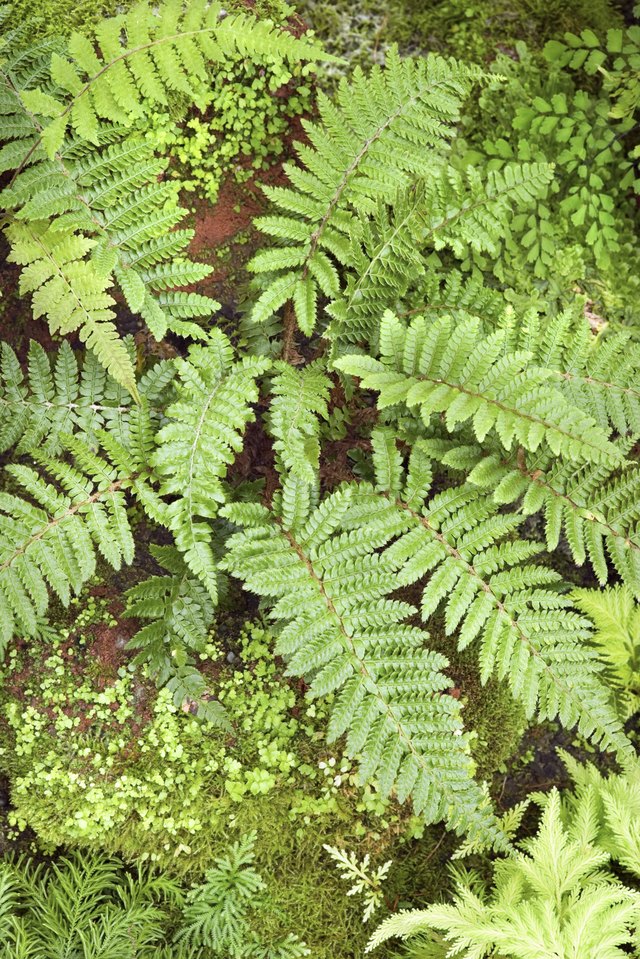
Outdoor ferns are the quiet poets of the shade garden. They do not shout with giant flowers, demand constant attention, or behave like drama queens every time the weather changes. Instead, they unfurl elegant fronds, soften hard edges, and make a shady corner look like it belongs in a woodland fairytale. But even these graceful plants need a haircut now and then.
Learning how to trim outdoor ferns is less about aggressive pruning and more about thoughtful grooming. Ferns do not respond well to being hacked into random shapes like tiny green topiary poodles. Their beauty comes from their natural arching form, so the goal is to remove dead, damaged, brown, or crowded fronds while protecting the crown where new growth appears.
Whether you grow ostrich fern, lady fern, Japanese painted fern, maidenhair fern, autumn fern, royal fern, Christmas fern, or another hardy outdoor fern, the basic trimming rules are simple: use clean tools, cut old fronds near the base, avoid injuring fiddleheads, and time your pruning according to the fern’s growth habit. Do that, and your ferns will reward you with fresh, lush growth that looks intentional instead of “forgotten behind the garage.”
Why Trim Outdoor Ferns?
Ferns are naturally low-maintenance, but low-maintenance does not mean no-maintenance. Outdoor fern trimming helps keep plants healthy, attractive, and easier to manage in a shade garden or woodland border.
Trimming Removes Dead and Damaged Fronds
Fern fronds can turn brown for many reasons: winter cold, summer drought, sun scorch, old age, storm damage, or simple seasonal dormancy. Once a frond is brown, crispy, broken, or flattened, it will not turn green again. Removing it gives the plant a cleaner appearance and makes room for new growth.
Pruning Improves Airflow Around the Crown
A dense pile of collapsed old fronds can trap moisture around the base of the plant. Ferns like consistent moisture, but they do not need a soggy blanket of old debris sitting on the crown forever. Careful trimming improves airflow and reduces the messy, matted look that can develop after winter.
Cutting Back Helps You See New Fiddleheads
In spring, many ferns send up curled new shoots called fiddleheads. These delicate new fronds are easy to damage if last year’s old foliage is lying over them. Cleaning up before or just as new growth appears makes it easier to avoid stepping on or slicing off the very growth you are trying to encourage.
When Is the Best Time to Trim Outdoor Ferns?
The best time to trim outdoor ferns depends on whether the fern is deciduous, semi-evergreen, or evergreen. If you are not sure which type you have, observe what happens in winter. Your fern will usually reveal its personality without requiring a formal introduction.
Trim Deciduous Ferns in Late Fall or Early Spring
Deciduous ferns naturally die back after frost or cold weather. Their fronds turn yellow, bronze, tan, or brown before collapsing. Japanese painted fern, ostrich fern, sensitive fern, royal fern, and many lady ferns are commonly treated as deciduous in cold climates.
You can cut deciduous ferns back after the foliage has died in fall. However, many gardeners prefer to leave the old fronds through winter because they provide light crown protection, catch fallen leaves, and help mark the plant’s location. Then, in late winter or early spring, cut the old fronds down before new fiddleheads fully unfurl.
Trim Evergreen Ferns Lightly in Spring
Evergreen ferns, such as Christmas fern and some wood ferns, may keep green fronds through winter. Do not shear these plants to the ground unless the foliage is badly damaged. Instead, remove brown, tattered, or flattened fronds individually in early spring. Keep healthy green fronds until fresh growth takes over.
Remove Damaged Fern Fronds Anytime
Dead, diseased, broken, or severely sunburned fronds can be removed whenever you notice them. If a summer heat wave crisps the edges, trim only the unsightly fronds and improve moisture or shade conditions. The fern does not need punishment; it needs a spa day.
Tools You Need to Trim Outdoor Ferns
You do not need a truckload of equipment to prune ferns. In fact, using oversized hedge shears on a delicate fern is like bringing a chainsaw to slice birthday cake. Keep it simple.
Basic Fern Trimming Tools
- Sharp hand pruners for thick or tough frond stems
- Garden scissors or snips for delicate ferns
- Gardening gloves to protect your hands from rough stems and hidden debris
- A small rake or hand fork for gently removing loose leaves
- A bucket or tarp for collecting trimmings
- Rubbing alcohol or disinfectant for cleaning blades
Sharp tools make clean cuts. Dull tools crush stems, tear tissue, and make pruning more stressful for the plant. Before trimming, wipe blades clean. If you are moving from one plant to another, especially if any plant looks diseased, disinfect your pruners with alcohol before continuing.
How to Trim Outdoor Ferns Step by Step
Fern pruning is simple once you understand where to cut. The most important rule is this: cut old fronds at or near the base, but do not damage the crown. The crown is the central growing point where new fronds emerge. Treat it like the fern’s command center.
Step 1: Identify Old, Dead, or Damaged Fronds
Look for fronds that are brown, blackened, yellowed, dry, torn, flattened, or clearly past their prime. On deciduous ferns, most or all of the fronds may be dead by late winter. On evergreen ferns, you may only need to remove a few battered pieces.
Step 2: Move Aside Healthy Growth
If new fiddleheads or fresh green fronds are already emerging, gently move them aside with your hand. Do not pull on them. New fern growth can snap easily, and once snapped, it will not reattach no matter how apologetically you stare at it.
Step 3: Cut Fronds Close to the Ground
Use pruners or scissors to cut each old frond near the soil line. Leave a short stub if needed, but avoid leaving tall, awkward stems sticking up everywhere. For most outdoor ferns, cutting the entire old frond is better than trimming only the brown tips. Tip-pruned ferns often look choppy, like they lost a fight with office scissors.
Step 4: Clear Debris Without Digging Into the Crown
After cutting, gently remove loose fronds, leaves, and stems from around the plant. Use your hands or a small rake, but do not scrape aggressively. Fern roots and rhizomes can be shallow, and new shoots may be hiding just under the surface.
Step 5: Mulch Lightly
Outdoor ferns appreciate organic matter. After trimming, refresh the area with a light layer of leaf mold, shredded leaves, compost, pine straw, or fine bark mulch. Keep mulch loose and avoid burying the crown. A two- to three-inch layer around the plant can help conserve moisture and support the woodland-style soil ferns love.
Step 6: Water If Conditions Are Dry
Many outdoor ferns prefer consistently moist soil, especially during active growth. After pruning and mulching, water if the soil is dry. Moist does not mean swampy unless you are growing a fern species suited to wet sites. Think “wrung-out sponge,” not “forgotten soup.”
How Much Should You Cut Back Ferns?
For deciduous ferns, you can cut all dead fronds down to a few inches above the soil once the plant is dormant or before spring growth expands. For evergreen ferns, be more selective. Remove only the fronds that are brown, damaged, or unattractive, leaving healthy green growth in place.
Avoid cutting fresh green fronds just to reduce size. Ferns use their fronds to photosynthesize and build energy. If a fern is too large for its space, trimming is only a temporary cosmetic fix. The better long-term solution may be division, transplanting, or choosing a smaller fern variety for that location.
Should You Cut Back Ferns in the Fall?
You can cut back deciduous outdoor ferns in fall after frost has killed the foliage. This gives the garden a tidy winter look and removes collapsed fronds before they become soggy. Fall cleanup is especially useful in formal beds where neatness matters.
However, leaving dead fronds until early spring has benefits. Old foliage can help insulate the crown, trap protective leaves, and provide winter texture. It also prevents accidentally forgetting where your fern is planted and digging into it while making ambitious “new garden plans” during a burst of spring enthusiasm.
The practical answer: both fall and early spring work. If your winters are harsh, leaving fronds until spring can offer light protection. If your garden is very wet or you dislike winter debris, fall cleanup is fine after dormancy.
Common Mistakes When Trimming Outdoor Ferns
Mistake 1: Cutting New Fiddleheads
New fiddleheads are the future fronds of the plant. If you cut them while removing old stems, you reduce the season’s fresh display. Trim before they emerge or work slowly once they appear.
Mistake 2: Shearing Ferns Into Shapes
Ferns are not boxwoods. Their natural form is part of their charm. Avoid shaping them into balls, cubes, pancakes, or any other geometry that would make a landscape designer quietly leave the room.
Mistake 3: Cutting Evergreen Ferns Too Hard
Evergreen ferns rely on existing green fronds through part of the year. Removing all foliage too early can weaken their appearance and slow recovery. Selective grooming is usually better.
Mistake 4: Ignoring the Growing Conditions
If fronds keep turning brown, trimming is not the whole solution. The plant may be getting too much sun, too little water, poor soil, or drying winds. Fix the cause, not just the crispy evidence.
How to Trim Different Types of Outdoor Ferns
Ostrich Fern
Ostrich fern can grow large and dramatic, with tall vase-shaped fronds. It is deciduous in many regions. Cut old fronds to the ground in late fall after they brown or in early spring before new fiddleheads expand. Because ostrich fern can spread by rhizomes, trimming will not control its spread. Digging and division are better for that job.
Japanese Painted Fern
Japanese painted fern is prized for silvery, burgundy, and green tones. Its foliage usually dies back in cold weather. Cut it back after the foliage has died in fall, or wait until early spring. Be careful not to cover the crown too heavily with mulch because the new spring growth is delicate.
Maidenhair Fern
Maidenhair fern has fine, airy foliage and thin dark stems. It looks delicate because it is delicate. Remove brown or dry fronds at the base using small scissors. If it browns from drought or too much sun, improve moisture and shade rather than repeatedly cutting it back.
Autumn Fern
Autumn fern is often semi-evergreen in mild climates. Its new growth may emerge coppery or bronze before maturing green. In spring, remove winter-damaged fronds to reveal the fresh growth. Avoid cutting all foliage unless it has been badly damaged.
Christmas Fern
Christmas fern is evergreen in many areas and often keeps its fronds through winter. Trim only old, flattened, or brown fronds in early spring. Healthy green fronds can remain until they naturally decline.
What to Do After Trimming Outdoor Ferns
After trimming, give your ferns a little support. Add compost or leaf mold around the planting area, water during dry spells, and maintain mulch. Ferns often thrive in soil rich in organic matter, similar to what they would find on a forest floor.
Avoid heavy fertilizer. Ferns are not usually heavy feeders, and too much fertilizer can cause weak growth or stress. If you fertilize, do it lightly in spring after new growth begins, using a slow-release or organic product according to label directions.
Can You Divide Ferns While Trimming?
Yes, trimming and dividing can go together, especially in early spring. If your fern has a dead center, reduced growth, or has outgrown its space, division may help rejuvenate it. Cut back old fronds first so you can see the crown and root structure more clearly.
For clump-forming ferns, dig up the plant and separate it into smaller sections, making sure each division has roots and growing points. For ferns that spread by rhizomes, sections of rhizome with roots and shoots can often be replanted. Water divisions well and keep them moist while they settle in.
How to Keep Outdoor Ferns Looking Good All Season
Good fern care is mostly about prevention. Plant ferns in the right place, and trimming becomes a quick seasonal chore rather than a rescue mission.
- Choose shade or partial shade for most outdoor ferns.
- Keep soil consistently moist but not constantly waterlogged unless the species prefers wet soil.
- Add organic matter such as compost, leaf mold, or aged bark.
- Use mulch to conserve moisture and moderate soil temperature.
- Protect delicate ferns from harsh afternoon sun and drying wind.
- Remove damaged fronds promptly to keep the plant tidy.
If a fern repeatedly looks scorched by midsummer, it may be planted in too much sun or too dry a spot. Move it to a shadier, moister location in early spring or fall. Ferns are forgiving when moved carefully, but they do not enjoy being relocated during brutal heat.
Experience Notes: What Trimming Outdoor Ferns Teaches You Over Time
The first time many gardeners trim outdoor ferns, they are nervous. The plant may look like a pile of brown feathers after winter, and it is tempting to either ignore it completely or cut everything in sight. Experience teaches a calmer approach. Start by looking closely at the base of the plant. If you see tight green curls or small pointed shoots, slow down. Those fiddleheads are the new season’s show, and protecting them matters more than achieving instant tidiness.
One useful habit is to trim ferns on a dry, mild day in early spring. The old fronds are easier to handle when they are not soaked, and the crown is easier to inspect. Bring a bucket, kneel beside the plant, and work from the outside inward. Cut the oldest, loosest fronds first. As the plant opens up, you will see where the healthy growth begins. This method feels more like grooming than pruning, which is exactly the right mindset.
Another lesson: not every brown fern is a disaster. In late winter, deciduous ferns are supposed to look tired. They are not dead; they are resting. Gardeners sometimes panic and dig up perfectly healthy crowns because the top growth has vanished. Before replacing a fern, gently check the crown area. If it is firm and new shoots appear as temperatures warm, the plant is alive and simply following its seasonal schedule.
Outdoor fern trimming also teaches you about microclimates. Two ferns of the same variety can behave differently in the same yard. One planted near a downspout or under leaf litter may return lush and full. Another planted near tree roots, a hot wall, or afternoon sun may brown early and need more frequent cleanup. Over time, the trimming process becomes a garden inspection. You notice which beds dry out fastest, where mulch is too thin, and which plants need relocation.
It also helps to resist perfection. Ferns are woodland plants, and woodland plants look best when they are allowed some softness. A fern bed does not need to be spotless. A few natural leaves around the base can support soil moisture and blend the planting into the landscape. The goal is not to make the garden look vacuumed. The goal is to remove the dead weight while keeping the relaxed, layered beauty that makes ferns so appealing.
Finally, trimming outdoor ferns is a satisfying seasonal ritual. It is one of those garden tasks that gives fast results without requiring heroic effort. Ten minutes with clean snips can transform a tired clump into a fresh-looking feature. Better yet, the plant usually handles the process gracefully. No thorns, no complicated flowering schedule, no argument. Just a quiet shade-loving plant saying, in its fern way, “Thanks for the haircut. I’ll take it from here.”
Conclusion
Knowing how to trim outdoor ferns is mostly about timing, restraint, and clean cuts. Remove dead or damaged fronds, cut deciduous ferns back after dormancy or before spring growth unfurls, and groom evergreen ferns selectively. Use sharp, sanitized tools, protect the crown, and avoid cutting fresh fiddleheads. After trimming, support your ferns with moisture, organic mulch, and the shady conditions they naturally prefer.
Outdoor ferns do not need fussy pruning routines. They simply need thoughtful seasonal cleanup. Treat them gently, and they will bring texture, movement, and woodland charm to your garden year after year.