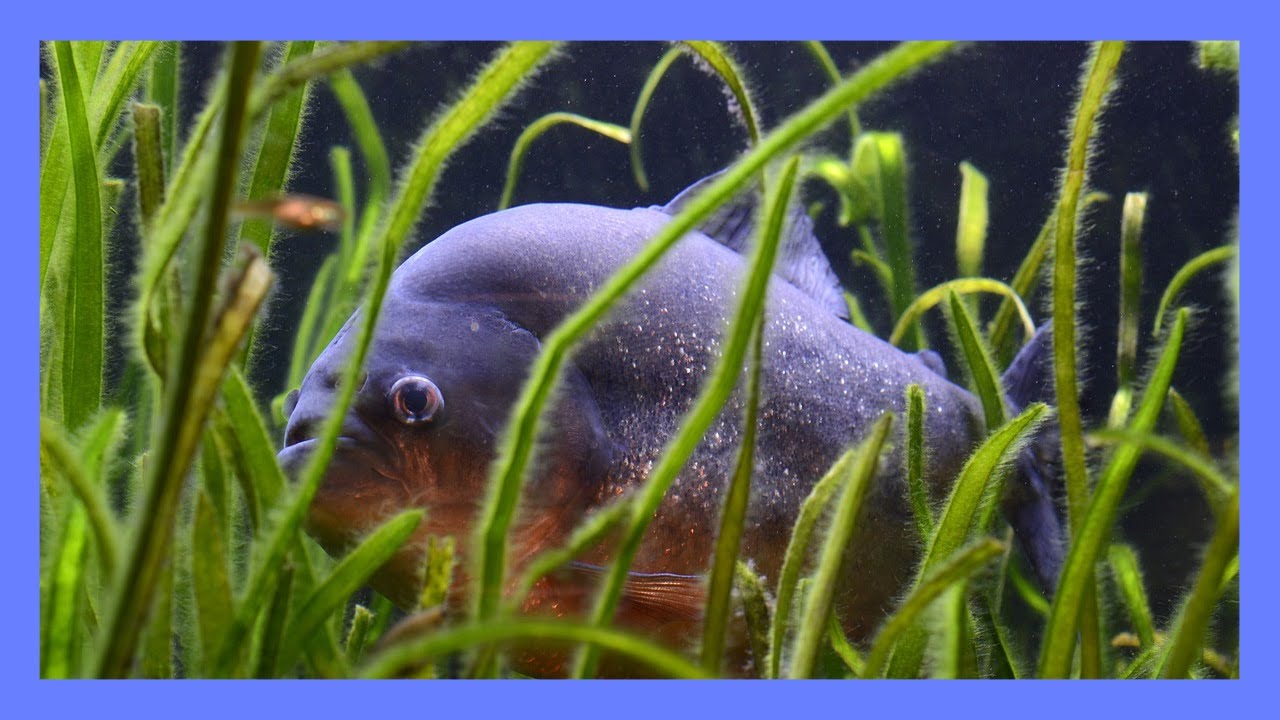
Say the word piranha, and most people instantly picture a tiny underwater villain with the confidence of a chainsaw and the manners of a hungry raccoon. Thanks to decades of movies, cartoons, campfire stories, and overcaffeinated nature documentaries, piranhas have become the unofficial mascots of “absolutely do not dip your toes in there.”
But here is the fun twist: real piranhas are much more interesting than their Hollywood reputation. Yes, they have sharp teeth. Yes, they can bite hard. Yes, you should respect them the same way you would respect a snapping turtle, a hornet nest, or your laptop when it has 2% battery left. But piranhas are not mindless water monsters cruising around South American rivers looking for swimmers to terrorize. They are clever, cautious, adaptable freshwater fish with complex feeding habits, social behavior, survival strategies, and a surprisingly misunderstood place in nature.
In this guide, we will explore the most fascinating piranha facts, from their powerful jaws and famous red bellies to their diet, habitat, myths, social behavior, and role in the ecosystem. By the end, you may still not want to cuddle one, which is wise, but you will definitely respect these creatures for more than their scary smile.
What Is a Piranha?
Piranhas are freshwater fish native to South America, especially river systems such as the Amazon, Orinoco, Paraguay, Paraná, and related floodplains, lakes, and seasonal wetlands. They belong to the family Serrasalmidae, the same broader fish family that includes pacus and silver dollars. That family connection explains why piranhas sometimes look like their more peaceful cousins, at least until they show off those triangular teeth.
There is not just one kind of piranha. Scientists recognize many species, and the exact number can vary depending on how researchers classify them. The most famous species is the red-bellied piranha (Pygocentrus nattereri), the fish most people imagine when they hear the name. It has a deep, compressed body, a silvery-gray back, shimmering scales, and, in adults, a reddish or orange belly that looks as if it swam through a sunset with attitude.
Where Do Piranhas Live?
Piranhas are strongly associated with the warm freshwater systems of South America. They can be found in rivers, streams, oxbow lakes, flooded forests, and seasonal pools. Their world is not one simple “river.” It is a constantly changing water maze. During rainy seasons, forests flood, food becomes more available, and fish move into new feeding areas. During dry seasons, water shrinks into smaller channels and pools, creating tighter spaces and more competition.
This changing habitat helps explain piranha behavior. In times of abundance, they may feed on fish, insects, crustaceans, worms, fruit, seeds, and plant material. In tougher conditions, competition increases, and piranhas may become more aggressive around food. In other words, they are not always in “attack mode.” They are responding to the conditions around them, just like any other wild animal trying to survive.
Those Teeth Are No Joke
Let us address the dental situation. Piranhas have sharp, triangular teeth designed for slicing. Their upper and lower teeth fit together in a way that makes them efficient at cutting pieces from food. This is one reason their bite looks so intimidating. If a piranha had a dentist, that dentist would probably wear chainmail gloves and rethink every life choice.
Their jaws are powered by strong muscles, and some species are famous for bite strength relative to body size. Research on the black piranha found an extremely powerful bite for a bony fish, making piranha jaw mechanics a favorite topic among scientists who study feeding performance. The practical takeaway is simple: these fish are small to medium-sized, but their mouths are specialized tools. Do not handle them casually, do not tease them, and do not assume “small fish” means “safe fish.”
Are Piranhas Really Bloodthirsty?
Piranhas are often described as bloodthirsty predators, but that is only part of the story, and it is the most exaggerated part. Many piranhas are opportunistic omnivores. Depending on the species, season, age, and habitat, their diet may include fish, fins, scales, insects, worms, mollusks, crustaceans, carrion, seeds, fruit, and aquatic plants.
Red-bellied piranhas, for example, may nip fins from larger fish, eat small fish, snack on aquatic invertebrates, and occasionally consume plant material. In zoos and aquariums, they are often fed carefully balanced diets that may include fish, shrimp, earthworms, and prepared foods. That is a far cry from the movie version where they behave like underwater lawn mowers with personal grudges.
Piranhas Are More Like Opportunists Than Monsters
A good way to understand piranhas is to think of them as opportunists. They do not waste energy if they do not have to. A weak, injured, trapped, or dead animal is easier food than a strong, fast, healthy one. Piranhas are practical. They are not trying to win a villain award; they are trying to get lunch without becoming lunch.
Their feeding habits also change with life stage. Younger piranhas often eat tiny aquatic animals, insects, and smaller prey. Larger piranhas may feed more heavily at dawn, dusk, or evening, when low light gives them an advantage. Some species or individuals may focus on fins and scales, which sounds rude but is a real feeding strategy in fish ecology.
Do Piranhas Attack Humans?
Piranha attacks on humans are much rarer than popular culture suggests. When bites do happen, they are usually linked to special circumstances: low water levels, food scarcity, fish being handled, nesting behavior, splashing, fishing activity, or people entering areas where piranhas are stressed or concentrated. Most stories of piranhas instantly overwhelming large animals are exaggerated or based on unusual situations.
That said, “rare” does not mean “impossible.” Piranhas can bite, and a bite can be serious. The correct attitude is not panic; it is respect. If you are in piranha habitat, follow local guidance, avoid swimming where people clean fish or dump scraps, do not splash wildly in shallow stagnant water, and do not handle piranhas unless you are trained to do so. Nature is not a theme park with foam padding.
Why Do Piranhas Swim in Groups?
One of the biggest myths is that piranhas form groups purely to hunt like tiny aquatic wolves. In reality, grouping can also be about protection. Piranhas have predators too, including larger fish, birds, caimans, river dolphins, and humans. Swimming in a shoal can reduce an individual fish’s chance of being singled out.
Group living also helps piranhas navigate complex habitats and respond to threats. A shoal may look terrifying from the outside, but from the piranha’s perspective, it may be a safety strategy. Imagine walking through a spooky parking garage alone versus with fifteen friends. The friends may not be hunting anyone; they just make the situation feel less like the beginning of a bad movie.
Piranhas Can Make Sounds
One of the coolest piranha facts is that red-bellied piranhas can produce sounds. Researchers have recorded different calls associated with confrontations, chasing, and food-related disputes. These sounds are produced with specialized muscles connected to the swim bladder, an internal organ that helps fish control buoyancy.
In simple terms, piranhas do not just bite; they also complain. Their underwater sounds can function like warnings or social signals. If two piranhas are having a disagreement, they may communicate before things escalate. That makes them more behaviorally complex than their reputation suggests. They are not silent villains. They are noisy neighbors with fins.
Red-Bellied Piranhas: The Celebrity Species
The red-bellied piranha is the poster fish for the group. Adults usually have a rounded body, metallic scales, a red-orange underside, and a strong jawline. They are widely distributed across parts of South America and are commonly displayed in public aquariums because they are visually striking and instantly recognizable.
Despite their fame, red-bellied piranhas are not constantly aggressive. In aquarium settings, they can be surprisingly shy, often hiding or hovering in groups until feeding time. Their scary image sells movie tickets, but their real behavior is a mix of caution, competition, social signaling, and opportunistic feeding.
Black Piranhas: Small Fish, Big Bite
The black piranha is another famous species, especially because of its bite strength. It is not necessarily the largest fish in the river, but its jaw power is impressive. Studies of bite force have made it a standout example of how evolution can pack extreme performance into a relatively compact animal.
This does not mean black piranhas are roaming around like aquatic supervillains. It means they are highly specialized feeders with strong equipment for their ecological role. Their bite helps them process tough prey items, defend themselves, and compete for food. Nature loves efficiency, and the black piranha is basically a swimming example of “built different.”
What Eats Piranhas?
Piranhas may look like the bullies of the river, but they are also part of the menu. Larger fish, caimans, birds, river dolphins, and people may prey on them. Young piranhas are especially vulnerable, which is why hiding among aquatic plants and roots can be important for survival.
This predator-prey balance matters. Piranhas help clean up carrion, control populations of smaller animals, and participate in the flow of energy through freshwater ecosystems. They are not “bad fish.” They are one piece of a complicated river system where nearly everything is eating, hiding, chasing, escaping, or pretending not to be edible.
How Big Do Piranhas Get?
Most piranhas are not enormous. Many species are roughly the size of a dinner plate or smaller, though size varies by species. Red-bellied piranhas are commonly reported around a foot long, with larger individuals possible. Their deep bodies can make them look bulkier than their length suggests.
The key point is that piranhas do not need to be gigantic to be impressive. Their reputation comes from their teeth, bite mechanics, feeding behavior, and group presence. A piranha does not need to be the size of a shark to make you reconsider dangling your fingers in the water.
Do Piranhas Make Good Pets?
Piranhas are legal to keep in some places and restricted or illegal in others. In the United States, rules vary by state because non-native predatory fish can become an ecological risk if released. Anyone considering aquarium piranhas must check local laws, understand the species’ needs, and never release unwanted fish into the wild.
They are also not beginner-friendly aquarium pets. They need large tanks, excellent filtration, careful feeding, hiding places, stable water conditions, and experienced handling. They may injure tankmates or even each other, especially in stressful conditions. A piranha aquarium is not a cute desktop decoration. It is a serious commitment with teeth.
Common Piranha Myths That Need to Retire
Myth 1: Piranhas Can Instantly Devour Anything
This is the classic movie myth. Piranhas can feed quickly in certain conditions, especially when many fish are competing over food, but the idea that they routinely erase large animals in seconds is exaggerated. Real feeding behavior depends on hunger, water conditions, prey condition, species, and opportunity.
Myth 2: Piranhas Eat Only Meat
Many piranhas eat a varied diet that may include plant material, fruit, seeds, insects, fish, and carrion. Some close relatives of piranhas, such as pacus, are even famous for eating nuts and fruit. The piranha family tree is more complicated than “all teeth, all meat, all the time.”
Myth 3: Every Piranha Is Extremely Dangerous to Humans
Piranhas deserve caution, but they are not all equally dangerous, and most are not actively seeking human contact. Bites are possible, especially in risky conditions, but fear-based myths often make them seem far more aggressive than they usually are.
Why Piranhas Matter in Nature
Piranhas play an important role in freshwater ecosystems. As predators, scavengers, and opportunistic feeders, they help recycle nutrients and influence the behavior of other fish. Their presence can shape where smaller fish feed, hide, and reproduce.
They also remind us that “scary” animals are often misunderstood animals. A creature can be dangerous in one situation and ecologically valuable in another. Sharks, snakes, spiders, crocodiles, and piranhas all suffer from dramatic reputations, yet each has a role in the natural world. Respect is more useful than panic.
Experience-Based Reflections: What Piranhas Teach Us About Respecting Wild Creatures
The first experience many people have with piranhas is not in the Amazon. It is through a screen. Maybe it is a movie scene, a cartoon, a video game, or a dramatic clip where the music sounds like a refrigerator falling down the stairs. The result is instant fear. Before we learn anything real about the animal, we inherit a story: piranhas are tiny monsters.
But when you observe piranhas in a public aquarium, the experience can be surprisingly different. They do not always race around looking chaotic. Many hover in the water with calm, watchful body language. They may stay close to their group, shift direction together, and react cautiously to movement outside the tank. Instead of looking like villains, they often look like serious little accountants guarding a vault. The teeth are real, but so is the caution.
That experience changes the lesson. Piranhas are not creatures to mock, poke, or test. They are animals to observe with patience. The more you watch, the more you notice: the way the group holds position, the way individuals create space, the way feeding time changes the mood, and the way their bodies are built for quick action. Their reputation becomes less like a horror story and more like a case study in survival.
The same lesson applies to wildlife in general. Many animals become dangerous when humans ignore boundaries. A piranha does not need to be evil to bite. A snake does not need to be aggressive to defend itself. A wild animal does not need to understand your intentions. In nature, actions matter more than vibes. If you splash, grab, corner, feed, or stress an animal, you may create the exact problem you were hoping to avoid.
Piranhas also teach us to question simple labels. Calling them “flesh-eating monsters” is easy. Understanding them as omnivores, scavengers, predators, prey, social fish, sound producers, and ecosystem participants is more accurate. The truth is less cartoonish but far more fascinating. Nature rarely fits into one-word descriptions, especially when that word is “yikes.”
For writers, educators, travelers, aquarium visitors, and curious kids, piranhas are a perfect reminder that wonder and caution can exist together. You can admire their design without wanting to touch them. You can laugh at their dramatic reputation while still respecting their bite. You can enjoy learning about them without turning them into pets, props, or villains.
The best real-world approach is simple: observe, learn, and keep a respectful distance. If you visit piranha habitat, listen to local experts. If you see them in an aquarium, appreciate the engineering of their jaws, the shimmer of their scales, and the social behavior of the shoal. If you write about them, skip the lazy monster myth and give readers the better story: a sharp-toothed fish that is stranger, smarter, and more ecologically important than its reputation.
In the end, “don’t mess with these creatures” does not mean “be terrified forever.” It means do not underestimate them. Do not turn them into jokes. Do not treat wildlife like a dare. Piranhas are not demons of the river, but they are not pool toys either. They are specialized survivors in one of the most dynamic freshwater environments on Earth. And honestly, any fish that can be shy, social, noisy, sharp-toothed, and meme-level famous all at once deserves a little applause from a safe distance.
Conclusion
Piranhas are proof that nature loves complicated characters. They are predators, scavengers, omnivores, prey animals, sound-makers, group swimmers, and misunderstood icons of freshwater ecosystems. Their teeth and bite strength are genuinely impressive, but their real story is bigger than fear. They survive in changing rivers, adapt their diet to opportunity, communicate with sounds, and play an important role in South American aquatic habitats.
So yes, the title is fair: do not mess with piranhas. But also, do not reduce them to horror-movie props. These creatures deserve respect, curiosity, and a much better public relations team.