Note: This article is for general educational purposes. Costs, eligibility, and coverage can change based on the person’s medical needs, insurance plan, state Medicaid rules, supplier, documentation, and local programs.
Introduction: Independence Hast “senior gadgets.” They are practical tools that help people move safely, hear conversations, read medication labels, shower without turning the bathroom into an Olympic skating rink, and keep doing everyday tasks with less pain, less risk, and more dignity.
For many families, the first big question is not whether a walker, hearing aid, shower chair, ramp, or medical alert system would help. The question is: Who pays for it? That is where things get interestingby “interesting,” we mean slightly more complicated than assembling furniture with instructions translated by a sleepy robot.
The cost of assistive devices for older adults can range from a few dollars for a jar opener to several thousand dollars for a power wheelchair, stair lift, custom hearing aids, or major home modification. Coverage may come from Medicare, Medicaid, Medicare Advantage, Veterans Affairs benefits, private insurance, state assistive technology programs, nonprofit organizations, or out-of-pocket savings. The trick is knowing which device fits which funding pathway.
This guide breaks down the major types of senior assistive devices, what they typically cost, what Medicare may or may not cover, where Medicaid and VA benefits can help, and how families can shop smarter without buying three versions of the same “miracle” product from late-night ads.
What Are Assistive Devices for Older Adults?
Assistive devices are products, equipment, or technologies that help a person perform daily activities more safely and independently. They may support mobility, hearing, vision, bathing, dressing, cooking, communication, medication management, memory, or emergency response.
Common Categories of Assistive Devices
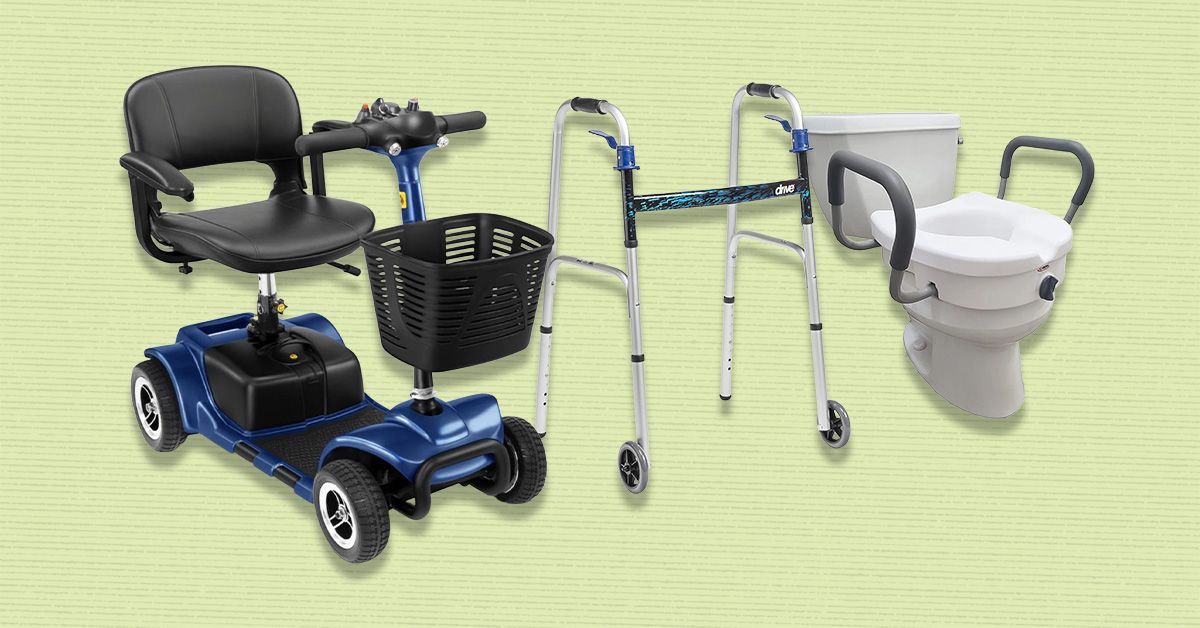
Mobility aids include canes, walkers, rollators, manual wheelchairs, power wheelchairs, scooters, transfer boards, and patient lifts. These devices help reduce fall risk and make movement less exhausting.
Bathroom safety devices include grab bars, shower chairs, raised toilet seats, non-slip mats, handheld showerheads, and transfer benches. The bathroom is small, slippery, and full of hard surfacesbasically a tiny obstacle course with plumbingso safety upgrades matter.
Hearing and communication devices include hearing aids, amplified phones, captioned telephones, TV listening systems, speech-to-text apps, and alerting devices that flash or vibrate.
Vision aids include magnifiers, large-print labels, talking watches, screen readers, high-contrast keyboards, smart device accessibility settings, and electronic video magnifiers.
Daily living aids include reachers, dressing sticks, sock aids, easy-grip utensils, jar openers, adaptive cutting boards, medication organizers, automatic pill dispensers, and smart reminders.
Home modification tools include ramps, stair rails, widened doorways, improved lighting, lever-style door handles, threshold ramps, stair lifts, and accessible showers.
Why Assistive Devices Matter More Than People Think
The right assistive device can prevent injuries, reduce caregiver strain, delay or avoid facility-based care, and help an older adult stay active. A walker is not a symbol of “giving up.” It is more like upgrading from a wobbly chair to a chair that actually understands its job.
For example, an older adult with arthritis may use a raised toilet seat and grab bars to reduce knee strain. Someone with mild hearing loss may use over-the-counter hearing aids to reconnect with family conversations. A person recovering from surgery may temporarily use a shower chair, walker, and reacher until strength returns.
Assistive devices also help caregivers. A transfer bench or patient lift can reduce the physical strain of helping someone move from bed to chair or into the shower. A medical alert device can offer peace of mind when a loved one lives alone. Smart medication reminders can prevent missed doses, duplicate doses, and the classic “Did I take that pill or just think very hard about taking it?” moment.
How Much Do Assistive Devices Cost?
Costs vary widely depending on whether the device is basic, medical-grade, customized, rented, purchased new, bought used, or covered by insurance. Below are common examples, but prices can differ by brand, supplier, region, and features.
Low-Cost Devices
Many daily living aids are affordable. Reachers, jar openers, sock aids, large-print labels, non-slip mats, and pill organizers often cost less than a restaurant meal. These small tools can make a surprisingly large difference, especially for people with arthritis, low vision, poor balance, or limited hand strength.
Mid-Range Devices
Canes, walkers, rollators, shower chairs, raised toilet seats, bedside commodes, transfer benches, and basic manual wheelchairs often fall into the moderate-cost category. Some may be covered by Medicare Part B as durable medical equipment if they are medically necessary, prescribed for use in the home, and supplied by an enrolled Medicare supplier.
Higher-Cost Devices
Power wheelchairs, mobility scooters, hospital beds, patient lifts, advanced pressure-relief mattresses, custom seating systems, stair lifts, home ramps, and prescription hearing aids can cost hundreds to thousands of dollars. These purchases require careful planning because the cheapest option is not always safe, and the most expensive option is not always necessary.
Does Medicare Cover Assistive Devices for Older Adults?
Medicare coverage depends heavily on whether the item qualifies as durable medical equipment, often called DME. Under Original Medicare, Part B may cover medically necessary DME when it is durable, used for a medical reason, generally useful to someone who is sick or injured, used in the home, and expected to last at least three years.
Examples of covered DME may include walkers, wheelchairs, scooters, hospital beds, oxygen equipment, patient lifts, commode chairs, certain pressure-reducing support surfaces, and other medically necessary equipment. After the Part B deductible, beneficiaries typically pay 20% of the Medicare-approved amount if the supplier accepts assignment.
Important Medicare Rules to Know
First, Medicare usually requires a doctor or other approved provider to document medical need. A power wheelchair or scooter, for instance, generally must be needed for mobility inside the homenot just for shopping, travel, or cruising through the neighborhood like a tiny parade float.
Second, the supplier matters. If the supplier is not enrolled in Medicare or does not accept assignment, the person may owe more or even the full cost. Before buying or renting equipment, ask: “Are you enrolled in Medicare, and do you accept assignment for this item?” It is not rude; it is financially wise.
Third, Medicare may rent some equipment, require purchase of other items, or allow either renting or buying depending on the device. Some rented items may become the patient’s property after a certain number of rental payments.
What Medicare Usually Does Not Cover
Original Medicare does not cover every useful safety item. Many everyday convenience or home safety products are not covered, even if they would make life easier. Grab bars, shower chairs, raised toilet seats, stair lifts, bathroom remodeling, and routine home modifications are often paid out of pocket unless another program helps.
Original Medicare also does not cover hearing aids or exams specifically for fitting hearing aids. It may cover diagnostic hearing and balance exams when ordered by a provider to diagnose or manage a medical condition, but the hearing aids themselves are generally not covered.
Routine vision exams for eyeglasses or contact lenses are also generally not covered by Original Medicare, although Part B may cover one pair of standard eyeglasses or contact lenses after cataract surgery that implants an intraocular lens.
Medicare Advantage: Helpful, but Read the Fine Print
Medicare Advantage plans must cover at least the same medically necessary services as Original Medicare, but many plans also offer extra benefits. Depending on the plan and location, extra benefits may include allowances for over-the-counter items, bathroom safety devices, limited home modifications, hearing aids, routine vision care, transportation, or fitness programs.
However, benefits vary dramatically. One plan may offer a hearing aid allowance, another may cover certain bathroom safety products, and another may provide a quarterly over-the-counter card that can be used for approved items. The details are in the Evidence of Coverage, Summary of Benefits, and plan formulary or benefit catalog.
Before choosing a Medicare Advantage plan because it “covers hearing aids,” ask specific questions: What is the dollar allowance? Which brands or providers are included? Are fittings covered? Is there a copay? Is prior authorization required? Does the benefit renew every year or every few years?
Medicaid and HCBS Waivers: A Major Source of Help
Medicaid can be one of the most important funding sources for assistive devices and home-based support, especially for low-income older adults and people who need long-term services and supports. Medicaid rules vary by state, and coverage often depends on medical necessity, income, assets, functional need, and waiver availability.
Home and Community-Based Services, or HCBS waivers, may help pay for assistive technology, home modifications, personal care, respite care, adult day services, and other supports that help people remain at home instead of moving into an institution. Covered assistive technology may include environmental controls, ramps, specialized beds, communication aids, or adaptive equipment, depending on the state program.
The catch is that HCBS programs may have waiting lists, service caps, or strict eligibility rules. Families should contact their state Medicaid office, Area Agency on Aging, or Aging and Disability Resource Center to learn what is available locally.
Veterans Benefits for Assistive Devices
Veterans enrolled in VA health care may qualify for assistive devices through VA Prosthetic and Sensory Aids Service programs when there is a medical need. VA support can include mobility aids, hearing aids, prosthetics, orthotics, home medical equipment, communication devices, and certain accessibility improvements.
Veterans may also qualify for grants or programs that help with home accessibility, depending on disability status, service connection, and clinical need. For older veterans, this can be a valuable pathway because VA coverage may reach devices that Medicare does not fully cover.
Over-the-Counter Hearing Aids: A Newer Option
Over-the-counter hearing aids are designed for adults age 18 and older with perceived mild to moderate hearing loss. They can be purchased in stores or online without a prescription, medical exam, or professional fitting. This has created a lower-cost pathway for many older adults who have been postponing hearing help because prescription hearing aids can be expensive.
OTC hearing aids are not right for everyone. Sudden hearing loss, ear pain, drainage, dizziness, hearing loss in only one ear, or severe hearing difficulty should be evaluated by a medical professional. A bargain device is not a bargain if it delays care for a treatable condition.
Where to Find Financial Help Beyond Insurance
When insurance does not cover the device, families still have options. Local Area Agencies on Aging can connect older adults with home modification programs, caregiver support, transportation resources, and community-based services. The Eldercare Locator is a national service that helps people find aging services by ZIP code or location.
State assistive technology programs are another excellent resource. Many states offer device demonstrations, short-term device loans, reutilization programs, equipment exchange, and financing options. Trying a device before buying it can prevent expensive mistakes. Nobody wants to discover that a pricey rollator does not fit through the bathroom door after the return window closes.
Nonprofit organizations, faith-based groups, disease-specific foundations, local charities, and durable medical equipment loan closets may also help. Some communities have reuse programs where gently used wheelchairs, walkers, shower chairs, and other devices are cleaned and redistributed at low or no cost.
Tax Considerations and Savings Accounts
Some medical expenses may be deductible if they meet IRS rules and the taxpayer itemizes deductions. Medical expenses may include certain equipment, supplies, and home improvements made primarily for medical care. However, only expenses above a specific percentage of adjusted gross income may qualify, and rules can be technical.
Health Savings Accounts and Flexible Spending Accounts may also help pay for eligible medical equipment and supplies. People should keep receipts, prescriptions, medical necessity letters, and supplier documentation. Good paperwork is not glamorous, but neither is paying twice because a claim was denied for missing information.
How to Choose the Right Assistive Device
The best assistive device is not always the fanciest one. It is the one that fits the person, the home, the budget, the medical condition, and the daily routine.
Start With the Problem, Not the Product
Instead of asking, “Should we buy a wheelchair?” ask, “Where is mobility hardest?” Is the issue walking long distances, getting out of a chair, moving safely at night, transferring into the shower, or navigating stairs? Different problems need different tools.
Ask a Professional
A doctor, physical therapist, occupational therapist, audiologist, low vision specialist, or rehabilitation professional can help match the device to the person’s needs. Occupational therapists are especially helpful for home safety, bathing, dressing, cooking, and daily living challenges.
Measure the Home
Measure doorways, hallway widths, bathroom space, bed height, chair height, stair dimensions, and vehicle storage space. A device that works beautifully in a showroom may be a disaster in a narrow hallway with a rug that behaves like a banana peel.
Think About Training
Canes, walkers, scooters, lifts, and hearing aids all require learning. A poorly fitted cane or a walker used incorrectly can create new risks. If possible, ask a clinician or trained supplier to adjust the device and teach safe use.
Real-Life Examples: Cost and Coverage in Action
Example 1: The Walker That Prevented a Bigger Problem
Mrs. Taylor, age 78, started “furniture walking,” which is the unofficial sport of grabbing tables, counters, and doorframes while pretending nothing is wrong. Her doctor documented balance problems and prescribed a walker for home use. Because the walker met DME requirements and came from a Medicare-enrolled supplier, Medicare Part B helped cover it after the deductible, leaving her responsible for the usual coinsurance.
Example 2: The Shower Chair That Was Not Covered
Mr. Lee, age 82, needed a shower chair after hip surgery. His family assumed Medicare would pay because the chair was clearly useful. However, many bathroom safety items are considered convenience or safety equipment rather than covered DME. The family bought a basic shower chair out of pocket and later found a local aging program that helped install grab bars.
Example 3: Hearing Help Through a Medicare Advantage Plan
Ms. Johnson had Original Medicare and learned that hearing aids were not covered. During open enrollment, she compared Medicare Advantage plans and found one with a hearing aid allowance. She checked the provider network, fitting costs, copays, and brand restrictions before switching. That homework mattered because the benefit sounded simple in the brochure but had very specific rules.
Experience Section: Lessons Families Learn the Practical Way
Families often learn about assistive devices in small, emotional moments rather than neat planning sessions. It may begin when Dad stops going to the mailbox because the front steps feel risky. It may happen when Mom laughs at the wrong part of a conversation because she did not hear the question. Or it may appear after a minor fall that suddenly makes the whole house look suspicious: loose rugs, dim hallway, slippery tub, low sofa, and that one extension cord lying across the floor like it has a personal grudge.
One common experience is resistance. Many older adults dislike the idea of using a cane, walker, hearing aid, or shower chair because it feels like a label. Families can help by changing the conversation. Instead of saying, “You need this because you are getting old,” try, “This tool helps you keep doing what you want with less hassle.” A walker is not a defeat; it is a strategy. A grab bar is not a decoration; it is a reliable handhold that does not move, unlike towel racks, which are absolutely not designed to save anyone’s dignity.
Another lesson is that small changes often work better than dramatic ones. Better lighting, non-slip mats, a raised toilet seat, a reacher, and a medication organizer may improve daily life faster than a major renovation. Families sometimes spend hours debating expensive equipment while ignoring a $15 night light that could prevent a midnight fall. The smartest approach is usually layered: fix obvious hazards first, add simple devices, then consider bigger equipment if the need remains.
Caregivers also discover that fit matters. A cane that is too tall can strain the shoulder. A walker that is too low can encourage poor posture. A wheelchair that is too wide may not fit through the bathroom door. Hearing aids that are not comfortable may live permanently in a drawer, where they will hear absolutely nothing. Whenever possible, test devices before buying, ask about return policies, and involve a clinician who understands both the person and the home environment.
Coverage paperwork is another real-world challenge. Families may need prescriptions, medical necessity notes, prior authorization, supplier forms, plan approval, or proof that the device is needed in the home. Keeping a folder with insurance cards, doctor notes, receipts, device manuals, warranty information, and contact numbers can save enormous frustration. It is not the most exciting folder in the house, but it may become the most useful.
Finally, the best experience comes when the older adult has a voice in the decision. People are more likely to use devices they helped choose. Color, weight, grip style, storage, appearance, and ease of cleaning all matter. Independence is not only about staying safe; it is about staying involved. The right assistive device should feel less like medical equipment and more like a quiet teammate in daily life.
Conclusion: The Best Device Is the One That Gets Used
Assistive devices for older adults can protect safety, support independence, reduce caregiver stress, and make everyday life more manageable. But cost and coverage can be confusing. Medicare may cover medically necessary durable medical equipment, but it often does not cover everyday home safety products, hearing aids, or routine vision items. Medicaid, Medicare Advantage, VA benefits, state assistive technology programs, Area Agencies on Aging, nonprofit loan closets, and tax-advantaged accounts may help fill the gaps.
The smartest path is practical: identify the daily problem, talk with a professional, check coverage before buying, use enrolled suppliers when insurance is involved, compare total costs, and choose devices the older adult will actually use. A device sitting unused in a closet has the same safety value as a motivational poster in a tornado. But the right tool, fitted well and accepted by the person using it, can make home feel safer, movement feel easier, and independence feel possible again.