Blake Lively has never exactly been a shrinking violet on a red carpet. She can arrive in sequins, drop a joke sharp enough to slice a lemon, and somehow make a business pitch sound like brunch gossip with better lighting. But when the actress and entrepreneur posted a series of pregnancy photos in September 2022, the message behind the sparkle was not just celebrity news. It was a boundary. A big one. The kind with a fence, a locked gate, and maybe Ryan Reynolds standing nearby with a dad joke and a stern look.
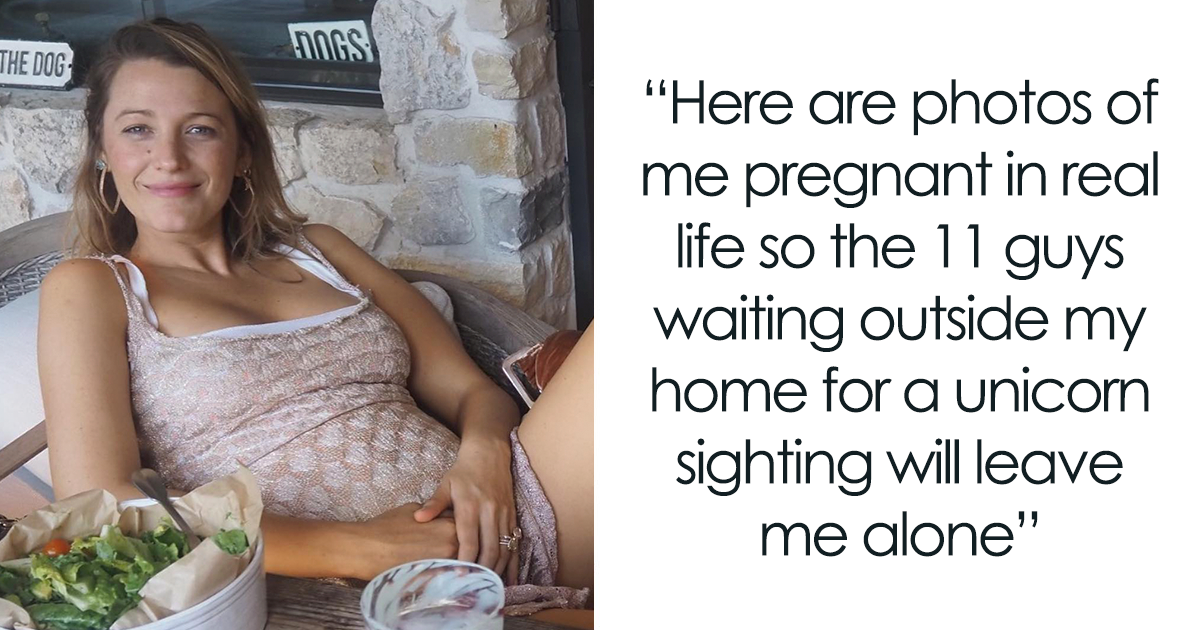
The viral moment began after Lively revealed she was expecting her fourth child with husband Ryan Reynolds at the 10th Annual Forbes Power Women’s Summit in New York. Fans celebrated the news, entertainment outlets rushed to cover it, and paparazzi reportedly began waiting outside her home hoping to capture the first unofficial photo. Instead of letting strangers turn her pregnancy into a stakeout, Lively posted her own images and made her position unmistakable: “You freak me and my kids out.”
It was classic Blake Lively in one sense: glamorous, funny, direct, and fully aware of the internet machine. But it was also a serious statement about celebrity privacy, motherhood, media ethics, and the uncomfortable way public fascination can spill onto private doorsteps. Her post did more than show a baby bump. It asked a simple question: When does curiosity stop being entertainment and start becoming harassment?
Blake Lively’s Pregnancy Reveal Was Stylish, Strategic, And Very Blake
Before the Instagram post made headlines, Lively had already made the pregnancy public in a very Hollywood-but-on-her-own-terms way. She appeared at the Forbes Power Women’s Summit wearing a glittering, body-hugging look that made the announcement obvious without requiring a press release stamped in gold foil. The event also tied into her entrepreneurial life, including her non-alcoholic mixer brand Betty Buzz.
During the summit, Lively joked about loving to create, whether that meant baking, storytelling, businesses, or humans. It was a lighthearted line, but it captured a major part of her public identity. She is not only known as the star of Gossip Girl, A Simple Favor, and The Age of Adaline; she is also a mother, business owner, fashion personality, and one-half of a famously witty celebrity marriage.
Still, there is a major difference between a red-carpet reveal and photographers camping near a private residence. One is a chosen public moment. The other is a forced intrusion. That distinction became the emotional center of Lively’s post.
Why Blake Lively Posted The Pregnancy Pics Herself
Lively’s Instagram carousel included candid pregnancy photos with friends and family, including sweet moments featuring Ryan Reynolds and Taylor Swift. The images felt personal but controlled, which was precisely the point. By posting them herself, Lively took away the financial incentive for photographers to chase the first exclusive shot.
In entertainment media, a first photo can have real value. A celebrity pregnancy, a baby bump, a wedding, or a rare sighting of a child can become a commodity. The more private the celebrity, the more expensive the chase can become. Lively’s move flipped the script. Instead of letting paparazzi profit from making her family uncomfortable, she gave fans what they wanted while making clear that the people waiting outside her home were not welcome.
Her words were blunt because the situation was blunt. She was not complaining about being recognized at a public event. She was talking about her children being frightened by adults waiting near their home. That is not sparkle-and-smile celebrity culture. That is a family safety issue wearing a telephoto lens.
The Bigger Issue: Celebrity Kids Did Not Ask To Be Famous
One of the strongest parts of Lively’s message was her focus on children. She thanked people who unfollow accounts and publications that share photos of celebrity kids and praised media outlets with a “No Kids Policy.” That phrase matters because it points to a long-running debate in entertainment journalism: Should children of famous parents be photographed, published, and monetized without consent?
Blake Lively and Ryan Reynolds have been consistent about keeping their children mostly out of the spotlight. Their kids are part of a famous family, but they are not performers doing press tours. They are children. They go to school, have routines, make messes, mispronounce words in adorable ways, and presumably leave snacks in places no adult will discover until 2029.
The ethical issue is simple. Adults can choose fame. Children inherit proximity to it. A child walking with a parent is not making a public appearance. A child leaving a birthday party, park, or school is not promoting a movie. When photographers treat those moments as marketable content, the child becomes part of a business transaction they never agreed to join.
Blake Lively Has Called Out Paparazzi Before
The 2022 pregnancy post was not an isolated outburst. Lively had previously criticized paparazzi and tabloids for sharing images of her children. In 2021, she pushed back after photos of herself with her daughters circulated online, saying the experience behind the images was frightening. She argued that the published version made the scene look cheerful, while the reality involved photographers following and upsetting her family.
That context makes the pregnancy post feel less like a sudden celebrity rant and more like a continuation of a clear boundary. Lively was not saying, “Never photograph me.” She was saying, “Do not frighten my children. Do not wait outside my home. Do not turn my family’s private life into your payday.”
That is a pretty reasonable request, even in a culture that sometimes treats famous people like public Wi-Fi: always available, no password needed.
Ryan Reynolds And Blake Lively’s Family Privacy Strategy
Lively and Reynolds married in 2012 and have built a public image around humor, affection, and family-first priorities. They joke online, roast each other lovingly, and occasionally share glimpses of domestic chaos, but they rarely make their children the center of publicity. Their daughters James, Inez, and Betty were already known to fans before the fourth pregnancy, partly because Taylor Swift referenced their names in music. Their fourth child, later publicly known as Olin, was welcomed quietly in early 2023.
This approach is not secrecy for the sake of mystery. It is selective sharing. Lively and Reynolds allow the public to enjoy pieces of their life while keeping the most vulnerable parts protected. That balance is difficult for any public figure, especially in the age of Instagram, TikTok, fan accounts, airport photos, and celebrity-news feeds that refresh faster than a toddler changes moods.
By posting the pregnancy pictures herself, Lively showed how modern celebrities can use social media as a shield. The same platforms that fuel attention can also help public figures reclaim control. She did not need a magazine cover or a paparazzi shot. She had her own account, her own caption, and her own terms.
Why Fans Supported Blake Lively’s Message
Fans largely rallied around Lively because her frustration felt human. People may love celebrity style, red carpets, and baby announcements, but most can understand why a parent would be disturbed by strangers hovering near the family home. The glamorous part of the story was the pregnancy photos. The relatable part was a mother saying, essentially, “Please leave my kids alone.”
There is also a growing public awareness that clicks have consequences. When audiences like, share, and comment on unauthorized photos of celebrity children, they help create demand. Demand creates money. Money creates more photographers waiting for more shots. Lively’s post reminded fans that they are not powerless. Unfollowing accounts that publish invasive images may seem small, but it removes attention from a business model built on intrusion.
The “No Kids Policy” And Why It Matters
The idea behind a “No Kids Policy” is straightforward: media outlets should avoid publishing unauthorized paparazzi photos of minors. The movement gained major attention years before Lively’s post, when celebrities including Kristen Bell and Dax Shepard pushed entertainment media to stop using images of celebrity children taken without consent. Some outlets publicly adopted policies against publishing those photos.
This matters because media ethics often change when money dries up. If publications refuse to buy or publish intrusive photos, photographers have less reason to take them. If readers refuse to click, the incentive weakens even more. In other words, privacy is not only protected by laws or celebrity statements. It is also shaped by audience habits.
Lively’s message understood this perfectly. She did not only call out paparazzi. She called on fans to stop rewarding the ecosystem that makes paparazzi profitable. That is a sharper strategy than simply scolding photographers, because it targets the demand behind the behavior.
Pregnancy, Public Bodies, And The Right To Control The Story
Pregnancy adds another layer to this discussion. A pregnant celebrity’s body often becomes treated like public property. Every outfit is analyzed. Every angle is inspected. Every rumor becomes a headline. It is exhausting to watch from the outside, so living inside it must feel like being trapped in a group chat with 40 million people and no mute button.
Lively’s decision to share her own pregnancy photos was therefore about more than beating paparazzi to the punch. It was about bodily autonomy. She decided which images people would see, when they would see them, and what message would accompany them. That matters because pregnancy is personal even when the pregnant person is famous.
By controlling the release, Lively transformed a potentially invasive media frenzy into a conversation about consent. The photos were warm and celebratory, but the caption made sure the context was not lost. She could be joyful about her pregnancy and angry about the intrusion at the same time. Parenthood, after all, is basically multitasking with snacks.
What This Moment Says About Modern Celebrity Culture
The Blake Lively pregnancy photo moment is a perfect case study in how celebrity culture has changed. In the old tabloid era, paparazzi often controlled the image pipeline. They captured the photos, sold them to outlets, and shaped public perception. Now, celebrities can publish directly to fans. That direct access reduces the need for invasive middlemen, but it does not eliminate them completely.
In fact, social media can make the appetite even bigger. Fans feel closer to stars than ever, which can blur the line between public interest and personal entitlement. A celebrity sharing one family photo does not mean every family moment is open for business. A pregnancy announcement does not mean photographers should wait outside a home. A famous parent does not turn a child into a public character.
Lively’s post worked because it used the tools of modern fame against the worst parts of modern fame. She gave the internet content, but she also gave it a conscience check.
Specific Examples Of Healthy Boundaries In Celebrity Coverage
1. Public events are different from private homes
When Lively walked a red carpet, she knew cameras would be there. That is part of the event. But photographers waiting near a home create a different situation. Homes are where children should feel safe, not where they learn to scan sidewalks for strangers with cameras.
2. Parent-approved photos are not the same as paparazzi shots
A photo shared by a parent is chosen with context and consent. A paparazzi image is taken for profit, often without permission. The difference is not just legal; it is emotional and ethical.
3. Fans can support celebrities without invading them
Fans can celebrate Lively’s pregnancy, admire her style, and enjoy her humor without demanding access to her children. Healthy fandom knows the difference between affection and entitlement.
Related Experiences: What Blake Lively’s Story Teaches Everyday Parents And Fans
Most people will never have 11 photographers waiting outside their home for a baby-bump sighting. For that, we can all be grateful and maybe send a muffin basket to anonymity. But the emotional core of Blake Lively’s story is surprisingly familiar. Many parents know what it feels like when people ignore boundaries around children, photos, or private family moments.
Think about the parent who asks relatives not to post a child’s school photo online, only to find it on Facebook with a caption, three heart emojis, and the child’s full name. Or the parent at a birthday party who realizes another adult is livestreaming the room without asking. Or the family that wants to announce a pregnancy quietly, but someone leaks the news in a group chat before the parents are ready. These situations are smaller than a paparazzi swarm, but the feeling is similar: someone else has taken control of a personal story.
Lively’s post is a useful reminder that sharing should not be confused with surrendering privacy. A person can post one pregnancy picture and still not owe the world daily updates. A parent can share a funny story about a child and still refuse to show the child’s face. A celebrity can attend a public event and still deserve peace at home. Boundaries are not contradictions. They are instructions.
For fans, the experience offers a chance to practice better digital manners. Before reposting a photo of a celebrity child, ask where it came from. Was it shared by the parent? Was it taken at a public professional event? Or was it snapped from a distance while the child was simply existing? That pause matters. The internet often moves at the speed of impulse, but ethics require a tiny speed bump.
For publishers and bloggers, the lesson is even clearer. Not every available image should be used. SEO traffic is great, but it is not a permission slip to treat children as click magnets. An article about Blake Lively can discuss the news, analyze the media response, and explore celebrity privacy without embedding invasive photos or encouraging readers to hunt for them. Responsible content can still rank well, attract readers, and offer value. Imagine that: doing the right thing and still satisfying Google. Miracles do happen.
For parents outside the celebrity world, Lively’s response can also be empowering. It is okay to say no. It is okay to tell people not to post your child. It is okay to ask guests not to film certain moments. It is okay to protect your family’s peace, even if someone calls you dramatic. Sometimes “dramatic” is just what people say when a boundary inconveniences them.
The biggest takeaway is that privacy is not about hiding. It is about choosing. Blake Lively chose to share her pregnancy joy with fans while rejecting the creepy circus outside her home. That combination is what made the post powerful. It was not anti-fan. It was anti-harassment. It was not secretive. It was selective. And in a world where attention is treated like currency, choosing what not to sell may be the strongest statement of all.
Conclusion: Blake Lively Turned A Paparazzi Problem Into A Privacy Lesson
Blake Lively’s pregnancy photo post became viral because it had all the ingredients of a celebrity-news moment: a beloved actress, a famous husband, a baby announcement, Taylor Swift-adjacent photos, and enough glamour to make sweatpants feel personally attacked. But the reason it lasted in public conversation was deeper. Lively used her platform to expose the uncomfortable cost of invasive celebrity coverage and to remind fans that children should not be collateral damage in the entertainment economy.
Her message was clear, sharp, and effective. She shared the photos herself, celebrated her pregnancy, protected her family, and challenged the audience to stop supporting outlets that publish unauthorized images of children. That is not just a celebrity clapback. It is a media literacy lesson wrapped in a baby-bump carousel.
In the end, the story is not only about Blake Lively’s pregnancy pics. It is about consent, family privacy, and the power of choosing where attention goes. The paparazzi wanted a sighting. Lively gave the world a statement.