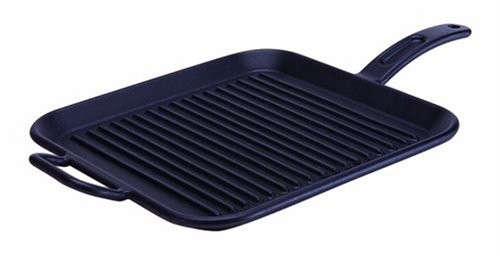
Some kitchen tools whisper, “Use me when you feel inspired.” The Lodge Pro-Logic P12SGR3 Pre-Seasoned Cast Iron Square Grill Pan is not one of them. This pan walks into the kitchen wearing boots, smelling faintly of steak night, and looking ready to put grill marks on anything that stands still long enough. Designed as a 12-inch square cast iron grill pan, it gives home cooks a practical way to enjoy indoor grilling without dragging out charcoal, arguing with propane, or checking the weather app like it owes you money.
At its core, the Lodge Pro-Logic P12SGR3 is a pre-seasoned cast iron square grill pan made for searing, browning, and giving food that classic ridged-grill look. It is often listed with raised grill ridges, low sloped sides, a long handle with a hanging hole, and an assist handle for easier lifting. Because it is cast iron, the pan is heavy, durable, slow to heat, and excellent at holding steady heat once it gets hot. That combination makes it especially useful for steaks, burgers, chicken breasts, pork chops, vegetables, sandwiches, and even fruit that deserves a little caramelized drama.
This in-depth guide looks at the Lodge Pro-Logic P12SGR3 from every useful angle: design, cooking performance, cleaning, seasoning, pros and cons, buying considerations, and real-world cooking experience. Whether you are new to cast iron or already have a skillet collection that could qualify as a home gym, this grill pan deserves a closer look.
What Is the Lodge Pro-Logic P12SGR3 Grill Pan?
The Lodge Pro-Logic P12SGR3 is a square cast iron grill pan built to recreate some of the benefits of outdoor grilling on a stovetop. Its square shape gives more cooking area than many round pans of similar width, while the raised ridges lift food slightly above rendered fat and juices. That helps create visible grill marks and encourages browning on the parts of the food that touch the hot iron.
The “pre-seasoned” part matters. Lodge seasoned cast iron typically arrives with a factory-applied layer of oil baked onto the surface, giving the pan a head start before your first cook. It does not mean the pan will behave exactly like a brand-new synthetic nonstick skillet. Cast iron is more like a loyal dog: treat it well, feed it occasionally with oil, and it becomes better over time. With regular cooking and proper care, the surface develops a darker, smoother patina that improves food release.
Key Design Features That Make It Stand Out
12-Inch Square Cooking Surface
The 12-inch square format is one of the biggest advantages of the Lodge Pro-Logic P12SGR3 grill pan. A square pan makes better use of stovetop space than a round pan when you are cooking long foods like bacon strips, asparagus, zucchini planks, chicken cutlets, or sandwiches. It is also easier to arrange four burgers, two steaks, or several pieces of sliced vegetables without everything piling into the center like commuters in an elevator.
Raised Grill Ridges
The raised ridges are the reason this pan exists. They create contact points that leave dark grill marks while allowing fat and moisture to collect below the food. This does not magically turn your kitchen into a backyard barbecue pit, because there is no live flame or smoke from dripping fat hitting hot coals. Still, the ridges give you visual appeal, texture, and a more grilled-style finish than a flat skillet.
Pre-Seasoned Cast Iron
The pan comes pre-seasoned, which means it is ready for basic cooking after a quick wash and dry. The seasoning is made to provide an easy-release surface that improves with use. For best results, cook with a thin layer of oil, avoid aggressively scraping the surface with sharp tools, and dry the pan thoroughly after washing. Cast iron rewards consistency. Ignore it in a wet sink overnight and it may reward you with rust, which is less charming.
Long Handle and Assist Handle
A 12-inch cast iron grill pan is not featherweight cookware. The long handle gives you leverage, while the assist handle helps when lifting, moving, or transferring the pan from stovetop to oven. Both handles can get very hot during cooking, so a dry towel, silicone handle holder, or oven mitt is not optional. It is the difference between “dinner is ready” and “I have learned a painful lesson.”
Low, Sloped Sides
The Pro-Logic design is known for its smoother, more rounded look compared with traditional cast iron pieces. Low, sloped sides make it easier to slide in tongs or a spatula, flip food, and remove larger items. This design is especially helpful when grilling fish fillets, quesadillas, grilled cheese sandwiches, or thin chicken cutlets.
How the Lodge Pro-Logic P12SGR3 Performs in Real Cooking
The biggest strength of this Lodge cast iron grill pan is heat retention. Cast iron takes longer to heat than thin aluminum or stainless steel cookware, but once it is hot, it stays hot. That matters when you place cold food on the cooking surface. A lighter pan may lose heat quickly, causing food to steam instead of sear. The Lodge P12SGR3 holds onto heat more stubbornly, helping meat and vegetables brown properly.
For steaks and burgers, the pan performs best when preheated over medium to medium-high heat for several minutes. The goal is not to blast the pan until it smokes like a tiny iron volcano. The goal is steady, even heat. Once hot, lightly oil the food rather than flooding the pan. Place the food down, leave it alone long enough to form marks, then rotate or flip. Constant poking is the enemy of browning. The pan is not a touch screen; it does not need nonstop interaction.
Vegetables also do well on this grill pan. Zucchini, bell peppers, onions, mushrooms, eggplant, and asparagus pick up attractive char lines and concentrated flavor. The trick is to cut vegetables in larger pieces so they sit across the ridges instead of falling into the grooves. Brush with oil, season generously, and cook in batches if needed. Overcrowding traps steam and turns “grilled vegetables” into “vegetables having a humid meeting.”
Chicken breasts, pork chops, and sausages are good matches too, especially when you want a seared exterior without using an outdoor grill. For thicker cuts, sear on the stovetop first, then finish gently in the oven if needed. Cast iron is oven-friendly, which adds flexibility for recipes that need both browning and controlled internal cooking.
Best Foods to Cook on the Lodge P12SGR3
Steak and Burgers
This pan is made for high-heat searing. Ribeye, strip steak, sirloin, smash-style burgers, and turkey burgers can all develop bold marks and a savory crust. Pat meat dry before cooking, season shortly before it hits the pan, and allow enough space between pieces.
Chicken and Pork
Boneless chicken thighs, chicken breasts, pork chops, and tenderloin medallions all benefit from the pan’s steady heat. A marinade can add flavor, but wipe off excess liquid before cooking to prevent steaming and sticking.
Vegetables
Thick-cut vegetables are excellent on this Lodge grill pan. Try zucchini planks, eggplant slices, corn ribs, halved romaine, portobello mushrooms, or sweet onion rounds. A little oil, salt, pepper, and patience go a long way.
Sandwiches and Flatbreads
Grilled cheese, panini-style sandwiches, quesadillas, naan, and pita bread can all get crisp edges and striped marks. You can use another heavy pan or a grill press on top if you want more contact.
Fruit
Peaches, pineapple rings, and watermelon slabs can become surprisingly delicious on a cast iron grill pan. The heat caramelizes natural sugars and adds a lightly smoky impression, even without real smoke.
How to Use It for the Best Results
First, preheat the pan properly. Cast iron needs time. Put it over medium heat and let it warm gradually for several minutes. If one corner of the pan sits outside the burner, rotate the pan halfway through preheating to encourage more even heat.
Second, dry your food. Moisture is the villain in many failed searing attempts. Use paper towels to pat meat, fish, tofu, or vegetables dry before seasoning. A dry surface browns faster and sticks less.
Third, oil the food instead of pouring too much oil into the grooves. A light coating helps prevent sticking and supports browning. Too much oil collects between the ridges and may smoke heavily.
Fourth, do not move food too early. When proteins first hit hot iron, they may cling. As browning develops, they usually release more easily. Give them time. Cast iron cooking requires confidence, not nervous tapping with tongs every eight seconds.
Finally, manage smoke. Indoor grill pans can smoke, especially with fatty foods or high heat. Turn on the range hood, open a window, and use oils with appropriate smoke points. If the pan is smoking aggressively before food goes in, lower the heat slightly.
Cleaning and Maintenance
Cleaning a ridged cast iron grill pan takes a little more attention than cleaning a flat skillet. The grooves collect browned bits, oil, and seasoning residue, so a quick wipe may not be enough after a serious steak session.
After cooking, let the pan cool slightly but not completely. Wash it by hand with warm water and a brush or non-scratch scrubber. A small amount of mild dish soap is fine when needed. For stuck-on food, add a little water to the pan, warm it briefly, and scrape with a pan scraper once it is safe to handle. Avoid soaking cast iron for long periods.
After washing, dry the pan immediately and thoroughly. Many cast iron fans place the pan back on low heat for a minute to drive off hidden moisture. Then rub on a very thin layer of cooking oil. The word “thin” is important. The surface should look lightly refreshed, not like it is auditioning for a deep fryer.
Pros and Cons of the Lodge Pro-Logic P12SGR3
Pros
- Excellent heat retention for searing and grill-style cooking.
- Large 12-inch square surface provides useful cooking space.
- Raised ridges help create grill marks and lift food above drippings.
- Pre-seasoned surface is ready to use and improves over time.
- Durable cast iron construction can last for decades with proper care.
- Assist handle makes the pan easier to lift and transfer.
- Works for meat, vegetables, sandwiches, flatbreads, and fruit.
Cons
- Heavy compared with aluminum or nonstick grill pans.
- Handles become hot and require protection.
- Ridges take more effort to clean than a flat skillet.
- Can smoke indoors if overheated or used with very fatty foods.
- Requires drying and light oiling after washing to prevent rust.
Who Should Buy This Grill Pan?
The Lodge Pro-Logic P12SGR3 is a strong choice for home cooks who want indoor grilling performance without spending premium cookware money. It is especially appealing if you like steaks, burgers, grilled vegetables, and crispy sandwiches. Apartment dwellers, people without outdoor grill access, and cooks in cold climates may find it particularly useful.
It is also a good fit for anyone who appreciates low-maintenance durability but does not mind a few cast iron habits. If you are willing to wash, dry, and oil the pan after use, it can become a long-term kitchen workhorse. If you prefer cookware that goes straight into the dishwasher and asks nothing of you emotionally, cast iron may not be your soulmate.
How It Compares With Other Grill Pans
Compared with enameled cast iron grill pans, the Lodge P12SGR3 is usually more rugged and less fussy about metal utensils, though it requires seasoning maintenance. Enameled pans can be easier to clean and come in more colors, but they are often more expensive and may not develop the same natural patina.
Compared with lightweight nonstick grill pans, the Lodge takes longer to heat and is heavier to move, but it offers better heat retention and greater durability. Nonstick coatings eventually wear out. Cast iron, treated properly, tends to get better with age. In cookware terms, that is a pretty rare personality trait.
Compared with a flat cast iron skillet, the grill pan gives you ridged marks and keeps food slightly elevated from juices. However, a flat skillet gives more complete surface contact and is often easier to clean. The best choice depends on the job. For a smash burger, use a flat skillet. For striped chicken, zucchini, or panini-style sandwiches, the Lodge grill pan earns its keep.
Practical Cooking Examples
Weeknight Steak
Preheat the pan over medium-high heat, pat the steak dry, rub it with a thin layer of oil, and season with salt and pepper. Sear for a few minutes per side, depending on thickness, then rest before slicing. For crosshatch marks, rotate the steak 45 degrees halfway through the first side.
Grilled Vegetable Platter
Slice zucchini, peppers, onions, and mushrooms into large pieces. Toss with olive oil, salt, black pepper, and a little garlic powder. Grill in batches until tender and marked. Finish with lemon juice or balsamic vinegar.
Chicken Sandwich Night
Use thin chicken cutlets for faster cooking. Season with paprika, garlic, salt, and pepper. Grill until cooked through, then serve on toasted buns with lettuce, tomato, and a simple yogurt sauce. The ridges add texture that makes the sandwich feel more restaurant-worthy.
Common Mistakes to Avoid
One common mistake is using heat that is too high. Cast iron does not need maximum heat to perform well. Medium to medium-high is usually enough. Too much heat can burn oil, create smoke, and make food stick.
Another mistake is skipping preheating. A lukewarm grill pan will not create strong marks. Give the iron time to warm up evenly before adding food.
A third mistake is washing the pan and leaving it wet. Water is not cast iron’s best friend. Dry the pan immediately, then apply a light coat of oil.
Finally, do not expect outdoor smoke flavor from a stovetop pan. The Lodge P12SGR3 can create grill marks, browning, and charred edges, but it cannot fully duplicate charcoal or wood smoke. If you want smoky flavor, use smoked paprika, a smoky marinade, or finish foods with a small amount of smoked salt.
Real-Life Experience With the Lodge Pro-Logic P12SGR3 Grill Pan
Using the Lodge Pro-Logic P12SGR3 feels a little different from using everyday cookware. The first thing you notice is the weight. This pan does not slide around the stove like a lightweight nonstick pan. It sits there with the confidence of a kitchen appliance that has made up its mind. That weight can be inconvenient when washing, but during cooking it feels reassuring. Once the pan is hot, it delivers the kind of steady heat that makes simple foods taste more intentional.
For steak, the experience is satisfying as long as you respect the preheat. A properly heated P12SGR3 gives steak clear marks and a nice browned flavor. The best results come from drying the meat well and using only a light coating of oil. If the steak is wet or the pan is not hot enough, the surface will steam and the ridges will not make the bold marks people expect. When everything is done right, the steak looks like it came from a restaurant kitchen, which is excellent news for anyone who enjoys compliments but does not want to explain how easy dinner was.
Vegetables may be where this pan becomes most useful for everyday meals. Zucchini, peppers, onions, and mushrooms cook beautifully because the ridges add texture and visual appeal. A plain vegetable side suddenly looks deliberate, not like something added to the plate out of nutritional guilt. The square shape helps because you can line up longer slices neatly across the surface. The only rule is to avoid overcrowding. Cook in batches, and the vegetables brown instead of sweating.
Cleaning is the part that separates casual cast iron users from committed ones. The ridges can trap food bits, especially after sugary marinades or cheese-filled sandwiches. A stiff brush and warm water usually solve the problem, but you need to clean between the grooves. After that, drying and oiling take less than two minutes. It is not difficult, but it is a habit. Think of it as brushing the pan’s teeth after dinner.
The pan also teaches better cooking behavior. Because cast iron rewards patience, you start learning not to flip too soon, not to crowd the surface, and not to panic when food sticks for the first minute. Over time, the seasoning improves and the pan becomes more forgiving. That is one of the pleasures of cast iron cookware: it develops a relationship with the kitchen. Every burger, pork chop, grilled peach, and slightly overambitious quesadilla adds a little history.
In a small apartment or during bad weather, the Lodge Pro-Logic P12SGR3 becomes a practical substitute for outdoor grilling. No, it will not replace charcoal smoke or the joy of standing outside with tongs like a backyard monarch. But it will produce satisfying grill marks, strong searing, and dependable results on a regular stovetop. For cooks who want durable cookware with personality, this pan feels less like a gadget and more like a long-term cooking partner.
Conclusion
The Lodge Pro-Logic P12SGR3 Pre-Seasoned Cast Iron Square Grill Pan is a durable, practical, and flavorful addition to a home kitchen. Its 12-inch square shape offers useful cooking space, while the raised ridges create grill marks and lift food above excess fat and moisture. The pre-seasoned cast iron surface is ready to use and becomes better with regular care, making the pan a smart choice for cooks who value longevity over convenience-only cookware.
It is not perfect for everyone. It is heavy, it requires hand washing, and it needs to be dried and lightly oiled after use. But those small responsibilities come with serious rewards: better searing, versatile cooking, and a pan that can last for years. For steak lovers, vegetable grillers, sandwich makers, and anyone who wants indoor grill flavor without outdoor grill logistics, the Lodge P12SGR3 is a dependable piece of cookware with old-school muscle and modern kitchen usefulness.
Note: Product availability, exact packaging, and listing names may vary by retailer. Always check the current seller details before purchasing, especially if model number, size, or country-of-origin information is important to you.