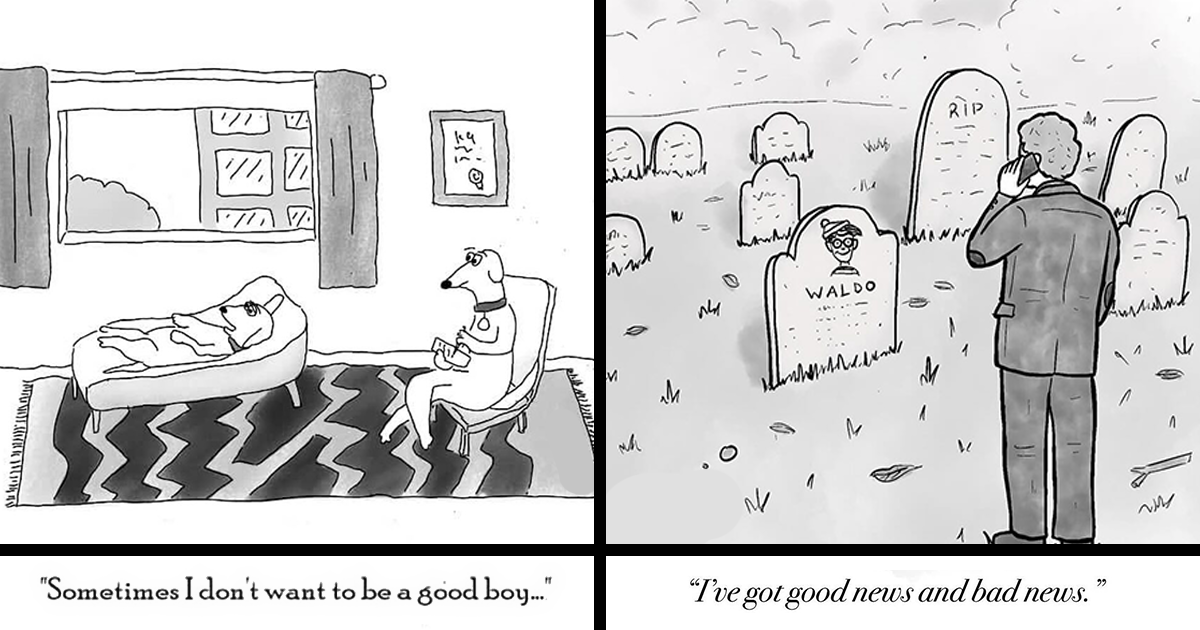
Some comics need a hero, a villain, three plot twists, and a cape budget. One-panel comics need one square, one sharp idea, and the confidence to walk into your brain wearing mismatched socks. That is the charm behind 50 entertaining one-panel comics based on artist’s observations: they take ordinary life, tilt it slightly, and suddenly your coffee machine looks like it has been judging your decisions since 7:03 a.m.
One-panel comics are small comedy machines. There is no long setup, no dramatic backstory, and no “previously on” recap. The artist gives you a scene, a caption, a strange expression, or a tiny contradictionand your mind does the rest. The best ones feel effortless, but that is the trick. Behind every simple-looking panel is timing, editing, visual clarity, and a surprisingly deep understanding of how people behave when they think nobody is sketching them.
Why One-Panel Comics Still Feel So Fresh
In the age of endless scrolling, the one-panel comic fits perfectly into modern attention spans without feeling disposable. It delivers a complete joke in one glance, but a good one stays with you longer than expected. You laugh first, then realize the comic has gently pointed at something true: office awkwardness, social anxiety, pet behavior, dating confusion, technology dependence, family habits, or the heroic human ability to overcomplicate lunch.
That is why observational comics work so well. They are not just random jokes. They are tiny mirrors. The artist notices what most people ignore: the weird pause after a bad group-chat joke, the way a dog looks personally betrayed by a closed door, or how adults act calm while secretly losing a battle against a printer.
The Magic of Turning Everyday Observations Into Comedy
Observational humor begins with a simple question: “Isn’t it strange that we all do this?” One-panel cartoonists answer that question with drawings. Instead of giving us a full essay about modern life, they create a single image that says, “Here, look. Humanity is doing that thing again.”
1. The Joke Starts With Recognition
A one-panel comic often lands because the reader recognizes the situation immediately. A cat sitting like royalty. A person pretending to understand an email. A meeting where everyone says “circle back” because nobody wants to admit the circle has become a maze. Recognition gives the reader a foothold. The absurd twist gives them the laugh.
2. The Twist Makes the Familiar Feel New
The best observational comics do not merely repeat what we already know. They add a twist. Maybe animals act like office employees. Maybe ghosts have customer service complaints. Maybe aliens study humans and conclude that our greatest ritual is staring into refrigerators for emotional support. The scene is familiar enough to understand, but strange enough to surprise.
3. The Caption Does Heavy Lifting
In one-panel cartoons, every word matters. A caption that is too long can flatten the joke. A caption that is too vague can make readers stare at the panel like they are decoding a tax form written by raccoons. Great captions are short, specific, and timed like a drum hit. They do not explain the joke; they unlock it.
What Makes These 50 One-Panel Comics Entertaining?
A collection of 50 entertaining one-panel comics works because variety keeps the reader moving. One panel might joke about pets. The next might poke fun at work culture. Another may turn a mythological creature into someone with completely normal problems, like bad Wi-Fi or a dentist appointment. That range creates a rhythm: quick laugh, clever observation, visual surprise, repeat.
Here are the kinds of observations that often make these comics shine:
- Workplace absurdity: meetings, deadlines, office phrases, and the mysterious power of pretending a spreadsheet is exciting.
- Animal logic: cats, dogs, birds, and other creatures behaving like tiny philosophers with snack demands.
- Modern technology: phones, apps, robots, and the emotional drama of a low battery warning.
- Relationship moments: small misunderstandings, awkward honesty, and the comedy of trying to communicate like a normal person.
- Social behavior: parties, small talk, public embarrassment, and the universal fear of waving back at someone who was not waving at you.
- Fantasy in ordinary places: monsters, aliens, dinosaurs, or historical figures dropped into everyday problems.
Why the Single Panel Is Harder Than It Looks
People sometimes look at a one-panel comic and think, “I could make that.” Technically, yes. People also say they could open a restaurant because they once made excellent toast. The single-panel format looks simple because all the extra scaffolding has been removed. There is no second panel to clarify the setup. No third panel to build tension. No fourth panel to save a weak punchline. Everything has to work at once.
The artist must choose the exact moment. Not before the joke. Not after the joke. The perfect moment is usually the instant when the absurdity becomes visible. That might be a character’s blank stare, a sign in the background, a tiny prop on a desk, or one line of dialogue that changes the whole meaning of the scene.
Visual Economy Matters
In one-panel comics, clutter is the enemy. Every visual element should either support the joke, set the scene, or guide the reader’s eye. A lamp can be funny if it adds context. A random lamp wearing sunglasses is only funny if the joke needs a lamp with suspicious confidence.
Timing Happens on the Page
Comedy timing is not only for stand-up performers. Cartoonists create timing through composition. The reader sees the setting first, then the characters, then the odd detail, then the caption. A strong one-panel comic controls that sequence without needing arrows, flashing lights, or a narrator shouting, “Please notice the lobster in the conference room.”
The Role of Absurdity in Observational Comics
One of the most enjoyable things about observational one-panel comics is how they use absurdity to tell the truth. A comic may show a bear giving career advice, a skeleton trying to relax, or a group of aliens misunderstanding grocery stores. On the surface, it is silly. Underneath, it often points to something very human: fear, pride, confusion, laziness, ambition, or the eternal desire to avoid making one more phone call.
Absurdity gives artists freedom. They can exaggerate real behavior without sounding preachy. A comic about procrastination becomes funnier when the procrastinator is a dragon sitting on a pile of unopened bills. A joke about awkward dating becomes lighter when two robots are trying to define “chemistry” while one of them literally sparks.
Why Readers Love Comics Based on Real Observations
Readers connect with these comics because they feel seen. Not in a dramatic, emotional movie-trailer waymore like, “Oh no, that cartoon just described me ordering food while pretending I studied the menu.” Observational humor works because it turns private little habits into shared laughter.
That shared laughter is important. It reminds us that many of our tiny failures are not unique. Everyone has misunderstood a text message. Everyone has opened the fridge three times hoping new food appeared. Everyone has tried to look busy when someone important walked by. One-panel comics compress these universal experiences into a single clean joke.
50 Types of One-Panel Comic Ideas That Always Entertain
While every artist has a unique voice, certain comic ideas remain endlessly entertaining because they come from common human behavior. Here are 50 observation-based themes that can inspire memorable one-panel comics:
- A pet acting like the owner of the house.
- A person losing an argument with technology.
- A meeting where nobody knows why they are there.
- An alien misunderstanding a normal human habit.
- A monster dealing with a very ordinary problem.
- A historical figure facing modern customer service.
- A dog pretending not to understand rules.
- A cat making a dramatic moral judgment.
- A couple misreading each other’s simple comments.
- A ghost struggling with modern real estate prices.
- A robot trying to develop a personality.
- A person treating coffee like a sacred ceremony.
- A caveman inventing a problem we still have today.
- A dinosaur worrying about long-term planning.
- A superhero dealing with paperwork.
- A villain attending a team-building workshop.
- A plant silently judging its owner.
- A fish giving life advice from a bowl.
- A child accidentally being more logical than adults.
- A parent negotiating with a tiny snack dictator.
- A phone notification ruining a peaceful moment.
- A food item having an identity crisis.
- A cloud taking weather criticism personally.
- A calendar feeling overworked.
- A chair witnessing office gossip.
- A gym machine waiting for attention.
- A fridge becoming a place of emotional support.
- A mirror offering brutally honest feedback.
- A sock disappearing into a mysterious universe.
- A bird questioning human commuting habits.
- A vampire struggling with night-shift burnout.
- A zombie trying mindfulness.
- A wizard confused by smartphone updates.
- A pirate learning online banking.
- A detective solving a very obvious household mystery.
- A therapist listening to fairy-tale characters.
- A knight dealing with poor workplace benefits.
- A dragon hoarding coupons instead of gold.
- A sandwich becoming too important to someone’s day.
- A squirrel planning like a corporate strategist.
- A mailbox tired of bad news.
- A snowman discussing seasonal career insecurity.
- A moon watching humans make questionable choices.
- A shopping cart with abandonment issues.
- A remote control hiding on purpose.
- A printer behaving like a dramatic artist.
- A traffic cone enjoying authority too much.
- A bee explaining productivity culture.
- A skeleton trying to “get in shape.”
- A normal person realizing the weirdest part of life is normal life itself.
How One-Panel Comics Fit the Internet Era
The internet has been very kind to short-form visual humor. A one-panel comic can travel quickly because it is easy to read, easy to share, and easy to understand without sound. It works on social media, blogs, newsletters, and image galleries. More importantly, it gives readers a quick emotional reward. In a crowded feed full of headlines, hot takes, and someone’s suspiciously perfect breakfast, a clever cartoon feels like a tiny vacation.
However, the best one-panel comics are not just quick snacks. They reward a second look. A small background detail might add another joke. A character’s expression may change the meaning. The caption might become funnier after the reader notices what is happening in the corner. That re-read value is one reason cartoon fans keep returning to the format.
The Artist’s Eye: Seeing Comedy Before Everyone Else
The real talent behind observation-based comics is not simply drawing well. It is noticing well. A good cartoonist sees the world as a collection of setups waiting for punchlines. The grocery store becomes a theater. The office becomes a zoo with email. The living room becomes a stage where pets perform psychological experiments on their owners.
This kind of noticing requires patience. It also requires the courage to ask silly questions. What would a chair say after a long day? What would a dog think of human fashion? What if the Grim Reaper had scheduling problems? What if a motivational poster became too motivated? These questions sound ridiculous, but they are exactly where great cartoon ideas begin.
Why Clean, Clever Humor Has Long-Term Appeal
One-panel comics often succeed when they are clever without being cruel. They can be sarcastic, strange, dry, or wonderfully ridiculous, but the most shareable ones usually invite readers into the joke rather than pushing someone outside of it. That makes them appealing to broad audiences. You do not need specialized knowledge to enjoy a comic about a dog, a meeting, or a toaster with an attitude problem.
Clean observational humor also ages well. Trends change. Apps change. Fashion changes, sometimes aggressively. But human behavior remains dependable in its weirdness. People will always procrastinate, misunderstand each other, talk to pets, argue with objects, and believe that one more cup of coffee will finally turn them into the organized version of themselves.
Experience: What These Comics Feel Like From a Reader’s Perspective
Reading a strong collection of one-panel comics feels like walking through a tiny museum where every exhibit whispers, “Yes, life is odd, and we have receipts.” The experience is fast, but not shallow. You move from panel to panel, and each one asks you to make a small mental jump. Sometimes the jump is obvious. Sometimes it takes a second. That delayed laugh can be the best kind, because it feels like the joke politely waited for your brain to catch up.
What makes 50 entertaining one-panel comics based on artist’s observations especially enjoyable is the sense of discovery. You never know what the next panel will do. It might turn a boring office scene into a miniature disaster. It might make an animal behave with more emotional intelligence than the humans nearby. It might take a fantasy creature and give it a problem so ordinary that the contrast becomes hilarious. That unpredictability keeps the reading experience lively.
There is also a comforting quality to this kind of humor. Many comics based on daily observations make us laugh at things that normally annoy us. A printer jam is frustrating in real life; in a comic, it becomes evidence that the printer has chosen chaos as a lifestyle. Small talk can feel awkward in real life; in a comic, it becomes a perfectly staged social ballet performed by people who forgot the steps. The cartoon does not remove the annoyance, but it makes it lighter.
Another part of the experience is how personal the humor can feel. A reader might stop at one panel and think, “That is exactly my cat,” or “That is exactly my boss,” or “Unfortunately, that is exactly me before coffee.” This is the secret power of observational comics: they turn individual embarrassment into group entertainment. Instead of feeling called out, you feel included. The comic says, “Relax. Everyone is a little ridiculous.”
From a creative perspective, these comics are also inspiring. They remind readers that funny ideas do not always come from wild adventures. Sometimes they come from standing in line, watching a pet stare at nothing, hearing a strange phrase in a meeting, or noticing how people behave when an elevator gets too quiet. The world is already full of punchlines. The artist’s job is to notice them before they escape.
That is why a collection of 50 one-panel comics can feel satisfying rather than repetitive. Each panel is a separate little universe, but together they create a larger message: comedy is everywhere. It is in our routines, our habits, our misunderstandings, our technology, our pets, and our attempts to appear normal while doing deeply silly things. One-panel comics simply frame the evidence.
Conclusion
50 Entertaining One-Panel Comics Based On Artist’s Observations celebrates a format that proves comedy does not need a lot of space to make a big impression. With one drawing and a carefully placed idea, a cartoonist can turn everyday life into something sharper, stranger, and much funnier. These comics work because they combine recognition with surprise. We see ourselves, but slightly exaggerated. We see ordinary situations, but with the hidden absurdity turned up just enough to sparkle.
Whether the joke involves pets, work, technology, fantasy creatures, social awkwardness, or the quiet drama of household objects, one-panel comics remind us that life is full of tiny comic scenes. We just need the right artist to point at them and say, “Look closer. This is funnier than you thought.”
Note: This article is an original, web-ready SEO article written in standard American English, synthesized from real knowledge about one-panel cartoons, observational humor, webcomic culture, cartooning craft, and reader engagement.