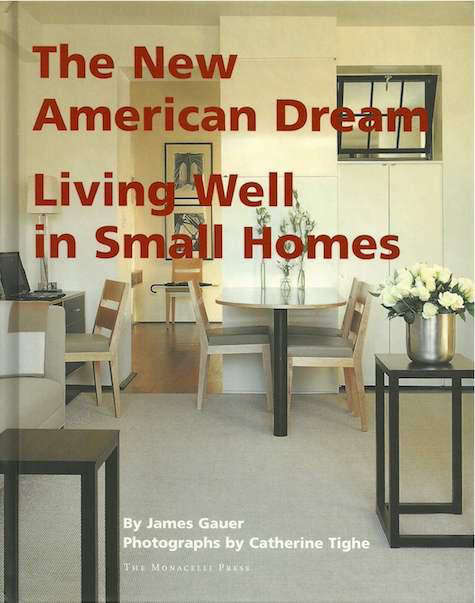
Small homes have a funny way of exposing the truth. A giant house can hide bad habits behind spare bedrooms, mystery drawers, and that one closet nobody opens unless they want to be emotionally ambushed by old cords and holiday wreaths. A small home does not play that game. It wants honesty. It wants intention. It wants you to decide, once and for all, whether you truly need three fondue forks and a lamp you have hated since sophomore year.
But here is the good news: living well in a small home is not about deprivation. It is about design, rhythm, and smarter choices. When every square foot matters, your home starts working harder for you. Furniture earns its keep. Storage becomes strategic. Decor becomes lighter, more personal, and more useful. And daily life can actually feel calmer because there is less to maintain, less to lose, and less visual noise shouting at your brain before coffee.
That is why small-space living has become more than a niche lifestyle. For many people, it is a practical answer to affordability, simplicity, and the desire for a home that feels edited rather than overstuffed. Whether you live in a condo, apartment, cottage, townhouse, or a compact single-family home, the real goal is the same: make your home feel generous, functional, and unmistakably yours.
Why Living Small Works When You Stop Fighting the Space
The biggest mindset shift is this: a small home is not a large home that failed. It is a different kind of home with a different set of strengths. It can be easier to clean, cheaper to furnish, simpler to heat and cool, and often more connected because people naturally gather instead of disappearing into separate wings like contestants in a reality show.
Small homes also force better priorities. You notice what you use. You notice what blocks movement. You notice which pieces make life easier and which ones are just freeloading in the corner. That awareness is not a design burden. It is freedom. Once you stop trying to cram suburban expectations into a compact footprint, small-home living starts to feel less like compromise and more like refinement.
The Core Rules of Living Well in Small Homes
1. Edit first, organize second
This is the golden rule, and yes, it is rude because it means you cannot buy your way out of clutter with twelve matching bins and a label maker. Organizing only works when you are storing things you actually need, use, or genuinely love. Otherwise, you are just arranging chaos into prettier categories.
Start small. One drawer. One shelf. One cabinet. Pull everything out, sort it quickly, and decide what stays based on function and frequency. In small homes, the best question is not “Do I have room for this?” It is “Is this worth the room it takes?” That one question can save a shocking amount of space.
2. Make every piece earn its rent
In a compact home, single-purpose furniture should be prepared to defend itself in court. A bench that stores blankets? Welcome. An ottoman that hides board games? Excellent. A dining table that doubles as a desk? You may proceed. But a giant decorative cabinet that holds nothing except your regret? Straight to jail.
Look for pieces that combine seating, storage, sleeping, and work surfaces. Think storage beds, nesting tables, drop-leaf dining tables, slim consoles, rolling carts, wall desks, and stools that tuck away neatly. Good small-space furniture does not just fit the room. It improves the room’s options.
3. Build up, not out
When square footage is limited, vertical space becomes your secret weapon. Tall shelving, wall hooks, peg rails, stacked cabinetry, and high-mounted shelves instantly create more storage without stealing floor area. The eye also reads height as spaciousness, which means going upward helps a room feel larger as well as more organized.
This principle works in almost every room. Kitchens can use upper shelves and magnetic organizers. Bedrooms can add hooks, narrow towers, and shelf headboards. Bathrooms benefit from wall storage above toilets and vanities. Entryways get smarter with vertical cubbies and coat hooks. The floor is expensive real estate. Your walls should pitch in.
4. Let layout do the heavy lifting
People often assume small spaces fail because they are too small. Usually, they fail because the layout is doing absolutely nobody any favors. A sofa that blocks circulation, a bed shoved into the wrong wall, or a dining table that turns every meal into an obstacle course can make a decent room feel impossible.
Give movement priority. Leave clear walking paths. Float furniture when it helps define zones. Angle less, align more. Use rugs, lighting, and furniture placement to carve a room into working areas without building walls. One living area can hold a lounge zone, a reading corner, and a work station if each area is clearly assigned and visually tidy.
5. Keep visual weight under control
A small home does not have to be beige and bland, but it does benefit from visual discipline. Rooms feel larger when they have breathing room, consistent color flow, and fewer bulky interruptions. Furniture on visible legs can lighten a room. Mirrors can bounce natural light. Glass, acrylic, and open shelving can reduce the sense of heaviness when used thoughtfully.
The trick is balance. Not everything should be open, or your home starts looking like a very stylish convenience store. Mix concealed storage with a few curated display areas. Let the eye land on some open space. Small homes feel best when they are edited, not empty.
6. Store things where you use them
This sounds obvious, yet people love creating weird domestic scavenger hunts. Batteries in the guest room. Light bulbs in the hall closet. Tape in a kitchen drawer for reasons nobody can explain. In a small home, this causes instant frustration because every misfiled item creates extra movement and clutter.
Create micro-zones. Coffee supplies near the coffee maker. Everyday dishes near the dishwasher. Mail tools by the entry. Reading glasses where you actually read. Toiletries grouped by routine. The more naturally your home matches your habits, the easier it is to keep tidy without turning into a full-time household manager.
7. Treat closed storage like a gift, not a dumping ground
Cabinets, drawers, and closets are wonderful. They are also dangerously good at hiding bad decisions. In small homes, closed storage should be organized with intention: dividers inside drawers, bins inside cabinets, risers on shelves, and categories that make sense at a glance.
A tidy closet is not about aesthetics for social media. It is about saving time, reducing duplicate purchases, and preserving sanity. If you can see what you own and reach it easily, your home immediately becomes more efficient.
Room-by-Room Ways to Make a Small Home Feel Bigger
Kitchen
Small kitchens thrive on ruthless practicality. Use vertical shelves, wall rails, narrow pantry storage, and under-cabinet organizers. Add a bench with hidden storage if you have an eat-in nook. Keep countertops as clear as possible so the room feels functional instead of frantic. If an appliance only appears twice a year, it should not be getting premium shelf space.
Living Room
Your living room may also be your office, guest room, hobby zone, and snack headquarters. That means flexible furniture is everything. Choose a coffee table with storage, a compact sofa, and side tables that can move around. Use baskets or closed cabinets to hide daily clutter. If possible, let one piece go vertical, like a bookcase or wall-mounted media unit, so the room uses height instead of spreading sideways.
Bedroom
A small bedroom should feel restful, not like a furniture traffic jam. Under-bed storage is the obvious hero, but wall-mounted lighting, floating nightstands, and slim dressers can make just as much difference. Limit furniture to what supports sleep, dressing, and storage. A bedroom does not need to be a showroom. It needs to help you exhale.
Bathroom
Bathrooms are masters of tiny-space drama. Use shelves above the toilet, drawer organizers, hooks behind doors, and trays to corral daily-use items. The goal is not to jam in more products. The goal is to make the space easier to clean and faster to use.
Entryway
Even the tiniest entry should act like a landing pad. Hooks for bags and coats, a tray for keys, a narrow bench or shoe shelf, and one basket for grab-and-go items can prevent clutter from spreading like gossip through the rest of the home. Small homes especially need strong entryway systems because there is no spare square footage to absorb chaos.
Mistakes That Instantly Shrink a Small Home
The first mistake is buying furniture before measuring. Eyeballing dimensions is how people end up with a sectional that fits the room only if nobody breathes in. The second is storing too many “just in case” items. In small homes, fantasy storage is expensive. The third is ignoring lighting. A dim room feels cramped faster than a bright room with the same footprint.
Another common mistake is overdecorating every surface. Small homes can absolutely have personality, color, books, art, and charm. They just need restraint. One great lamp and one meaningful framed print do more than twelve tiny trinkets that collect dust and make your shelf look nervous.
What Small-Home Living Gives Back
Once a small home is working properly, it offers something surprisingly luxurious: clarity. You spend less time cleaning rooms you barely use. You notice what enters your home because there is no hiding place for random junk. You become choosier, which usually leads to better purchases and fewer impulse buys. In many cases, you also become more creative, because limited space inspires smarter solutions.
There is also an emotional shift. A well-run small home can feel deeply comforting. It encourages routines. It supports easier maintenance. It invites intentional living without turning every day into a minimalist sermon. You do not need to own fifteen objects and a fern named Walter. You just need a home where things make sense.
Experience: What It Really Feels Like to Live Well in a Small Home
Living in a small home changes your relationship with space in ways that are practical, emotional, and occasionally hilarious. At first, it can feel like every object is glaring at you. A single unfolded blanket suddenly looks like a major lifestyle failure. A chair with three shirts on it becomes an installation piece titled I’ll Deal With This Later. But after a while, you begin to understand the deeper rhythm of small-space living.
You become more aware of what supports your day. The mug you reach for every morning matters more. The lamp that creates a cozy reading corner matters more. The drawer that opens smoothly and holds exactly what you need feels weirdly satisfying, like tiny domestic poetry. Because there is less room for excess, the things that remain tend to become more useful and more loved.
There is also a psychological lightness that comes from not managing too much house. Cleaning a small kitchen does not feel like preparing for battle. Resetting a living room can take five minutes instead of half a Saturday and an existential speech. When friends come over, you are not worried about “opening up the formal room” because your home is already operating at full honesty. It is all real space, all the time.
Small-home living also teaches discipline in the gentlest possible way: through immediate consequences. Buy a bulky side table that does not fit? You will know by sunset. Keep six extra throw pillows? Congratulations, you now live inside a decorative avalanche. Forget to create a spot for mail? It will colonize your counter by Thursday. The house gives fast feedback, and that makes it easier to improve.
Over time, the home starts to feel smarter. You learn where to place a basket so clutter stops at the door. You learn that one excellent storage bench can solve six annoyances at once. You learn that a little empty space is not wasted space; it is breathing room. You stop trying to make your home behave like a larger one and start appreciating its own strengths: efficiency, coziness, charm, and a surprising ability to make daily life feel edited.
Perhaps the best part is that living well in a small home often spills into the rest of life. You buy with more intention. You keep less but use more of what you have. You become less impressed by sheer size and more interested in quality, function, and comfort. In a culture that often confuses “more” with “better,” that is a pretty refreshing lesson.
So yes, small homes require thought. They ask you to measure, edit, prioritize, and occasionally surrender the giant accent chair of your dreams. But they can also make life easier, calmer, and more connected. When done right, living small does not feel like living with less. It feels like living with enough, arranged beautifully.
Conclusion
Living well in a small home is not about forcing yourself into a stripped-down version of adulthood. It is about building a home where every inch has purpose, every object belongs, and every room supports the life you actually live. The best small homes are not merely organized. They are intentional, warm, flexible, and full of quiet confidence.
If there is one takeaway worth taping to the fridge, it is this: small homes reward good choices quickly. Edit what you own. Choose furniture that works harder. Use your walls. Keep the layout open. Reduce visual clutter. Build routines that reset the space every day. Do that consistently, and your compact home can feel not just manageable, but truly wonderful.