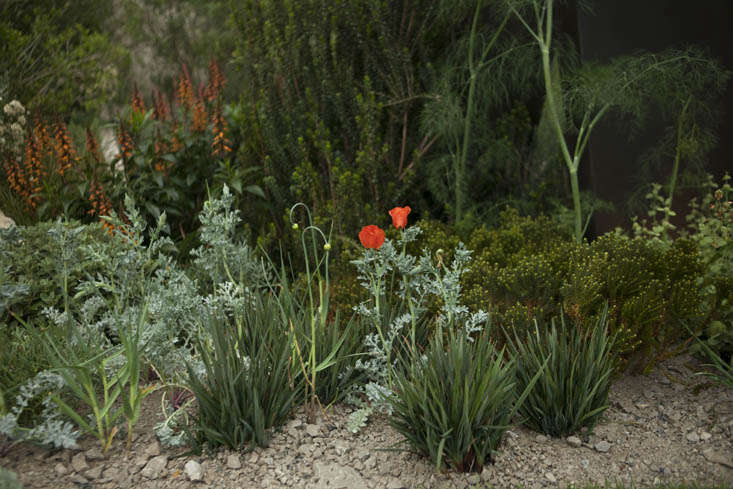
Summer gardens have a funny way of revealing our true personalities. In spring, we are all optimistic philosophers with seed packets. By July, we are practical engineers, shade-seeking mammals, amateur meteorologists, and, occasionally, people apologizing to a crispy basil plant. That is why Trending on Gardenista: Looking Ahead, Summer Edition feels less like a simple seasonal headline and more like a design mood: prepare beautifully, plant intelligently, and create an outdoor space that can survive both a heat wave and a dinner guest who asks where you bought your “vibe.”
The modern summer garden is no longer just a pretty border around a lawn. It is an outdoor room, a tiny ecosystem, a water-management plan, a pollinator buffet, a kitchen extension, and sometimes the only place in the house where nobody can find the phone charger. Gardenista-style thinking has always favored considered living: restrained materials, useful plants, timeless details, and design that looks effortless even when someone definitely spent three weekends moving gravel.
Looking ahead to summer means asking better questions. What will still look good in August? Which plants can handle heat without demanding a personal hydration coach? How can a patio feel inviting without turning into a furniture showroom? And how do we make gardens that support birds, bees, butterflies, soil, and humans with equal enthusiasm?
The Big Summer Shift: From Decorative Gardens to Useful Beauty
The biggest summer garden trend is not a single plant, color, or patio chair. It is a shift in attitude. Homeowners are moving away from purely decorative landscapes and toward gardens that do more. A border should bloom, yes, but it should also feed pollinators. A path should look handsome, but it can also slow runoff. A container garden should decorate the terrace, but if it can produce herbs, peppers, strawberries, or edible flowers, even better.
This is the sweet spot where Gardenista-inspired design shines. The goal is not to build the loudest backyard on the block. It is to create a layered, livable place that looks curated rather than chaotic. Think linen cushions instead of neon plastic, gravel paths instead of thirsty turf, clipped herbs near the kitchen door, native perennials moving gently in the breeze, and a water bowl tucked under a shrub for birds. Summer style, in other words, is growing up.
1. Native Plants Are the New Summer Luxury
Native plants have become one of the strongest themes in summer garden design, and for good reason. They are adapted to local conditions, support native insects and wildlife, and often need less fuss once established. That does not mean every garden must look like an untouched meadow. A native-forward landscape can be elegant, structured, colorful, and completely at home beside a modern patio or cottage walkway.
The trick is to plant natives with intention. Instead of scattering one of everything like a botanical confetti cannon, repeat plants in drifts or clusters. A group of coneflowers, mountain mint, black-eyed Susans, penstemon, milkweed, or native grasses has more visual strength than lonely singles. Pollinators also find clumped plantings more easily, which means your garden becomes less of a floral scavenger hunt and more of a five-star nectar restaurant.
How to Make Native Planting Look Designed
- Use repetition: Repeat three to five key plants throughout the bed.
- Add structure: Mix airy perennials with shrubs, grasses, or evergreens.
- Plan bloom succession: Choose plants that flower from spring through fall.
- Frame the wildness: Use clean edges, gravel paths, low hedges, or stone borders.
For summer, the most useful native plants are often the steady performers: echinacea, bee balm, coreopsis, switchgrass, little bluestem, goldenrod, asters, salvia, yarrow, and regional shrubs such as viburnum, serviceberry, or fringe tree. The best choices depend on your climate, soil, and sun exposure, but the design principle remains universal: plant for beauty, habitat, and resilience.
2. Drought-Tolerant Gardens Are Becoming the Default
A summer garden that needs constant watering is like a friend who texts “quick question” and then sends six paragraphs. At some point, you need boundaries. Drought-tolerant gardening is one of the smartest ways to prepare for hotter, drier spells, rising water costs, and increasingly unpredictable weather.
Water-wise design begins with the old but unbeatable phrase: right plant, right place. Plants with similar water needs should live together. Lavender, sedum, ornamental grasses, agastache, rosemary, rockrose, yarrow, and many native prairie plants can thrive in sunny, well-drained areas. Moisture-loving plants belong in lower spots, rain gardens, or areas where runoff naturally collects. The garden becomes easier to maintain when plants are not forced into conditions they secretly despise.
Summer Watering That Actually Works
Deep, infrequent watering is usually better than a daily sprinkle. Shallow watering encourages shallow roots, and shallow roots panic when the heat arrives. Water early in the morning, mulch generously, and use drip irrigation or soaker hoses where possible. Mulch is not glamorous, but neither is watching your hydrangea faint dramatically at 2 p.m. A 2- to 4-inch layer of organic mulch helps retain moisture, suppress weeds, and make the garden look tidier than your garage.
3. Pollinator Gardens Are Moving Front and Center
Pollinator gardening is no longer a niche hobby reserved for people who can identify seventeen bee species before breakfast. It is now mainstream, practical, and increasingly stylish. Bees, butterflies, hummingbirds, moths, beetles, and other beneficial insects need nectar, pollen, shelter, and safe habitat. A summer garden can provide all of that while still looking polished.
The key is diversity. Include flowers in different shapes, colors, heights, and bloom times. Tubular flowers such as penstemon, salvia, bee balm, and coral honeysuckle are favorites for hummingbirds. Daisy-like flowers such as asters, coneflowers, and black-eyed Susans offer accessible landing pads for bees and butterflies. Herbs such as oregano, thyme, basil, dill, and fennel can support pollinators when allowed to flower.
Equally important: skip unnecessary pesticides. A “perfect” garden can be surprisingly lifeless if every leaf is chemically polished into silence. A healthy summer garden has a little nibbling, a few seedheads, and enough ecological activity to keep things interesting. In other words, if one leaf has a hole in it, remain calm. The plant is not filing a complaint.
4. Rain Gardens and Smarter Drainage Are Having a Moment
Summer does not only bring drought. In many regions, it also brings heavy downpours, flash runoff, and drainage problems. That is why rain gardens, permeable paving, gravel paths, and planted swales are appearing in more residential landscapes. These features help slow and absorb water instead of sending it straight into storm drains.
A rain garden is usually a shallow planted depression that captures runoff from a roof, driveway, patio, or slope. Filled with grasses, perennials, and shrubs that tolerate both wet and dry conditions, it can reduce runoff while adding beauty and habitat. It is one of the rare garden features that can look romantic while quietly doing civil engineering in the background.
Where Rain Gardens Work Best
- Near downspouts, but not directly against the foundation.
- In low areas that collect water but still drain within a reasonable time.
- Beside patios, driveways, or walkways where runoff needs slowing.
- In sunny to partly sunny areas where flowering perennials can thrive.
Before digging, homeowners should check local guidance, soil drainage, and underground utilities. A rain garden is not just a hole with flowers. It is a small water system, and the best ones are planned with the same care as a kitchen renovationonly with more frogs and fewer invoices from tile installers.
5. The Outdoor Room Is Softer, Greener, and More Personal
The summer patio is evolving. Instead of oversized furniture sets lined up like a hotel lobby, the new outdoor room feels collected. It has texture, shade, layered lighting, useful side tables, flexible seating, and plants that blur the edge between hardscape and garden.
Hedges and borders are also returning as a way to define outdoor rooms. A low hedge can separate dining from lounging. Tall grasses can screen a neighbor’s driveway. Climbing vines can soften a pergola or fence. Broad-leafed evergreens, ferns, and potted trees can make a patio feel cool and enclosed without shutting it down completely.
Summer Outdoor Room Ideas
- Create shade first: Use umbrellas, pergolas, trees, shade sails, or vine-covered structures.
- Add flexible seating: Mix benches, chairs, stools, and cushions that can move easily.
- Use containers as architecture: Large pots can define corners, frame steps, and guide movement.
- Layer lighting: Use path lights, lanterns, sconces, and subtle string lights instead of one harsh floodlight.
The result should feel like an invitation, not a showroom. A good summer outdoor room says, “Sit here, drink something cold, and forget your inbox exists.” Frankly, that is the kind of architecture we all deserve.
6. Containers Are Getting More Ambitious
Container gardening is no longer just a geranium in a pot by the door, though geraniums have served honorably and deserve our respect. Today’s containers are mini landscapes. They combine shrubs, perennials, annuals, herbs, grasses, succulents, and small edibles in compositions that change through the season.
For summer, containers should be chosen with heat, watering, and scale in mind. Larger pots hold moisture better than tiny ones. Light-colored containers stay cooler than dark ones. A container with drainage holes is not optional unless the goal is to create a tragic soup. Use high-quality potting mix, group plants with similar needs, and place thirsty containers where you will actually remember them.
Excellent summer container combinations include rosemary with trailing thyme and dwarf peppers; sedum with ornamental grasses and compact salvia; impatiens for shade with ferns and caladiums; or a Mediterranean mix of lavender, santolina, and olive. On balconies and small patios, containers can deliver the whole summer garden experience without requiring a mortgage-sized yard.
7. Edible Gardens Are Becoming Prettier
The kitchen garden is having a design upgrade. Instead of hiding vegetables in a utilitarian corner, gardeners are mixing edibles into ornamental beds, containers, raised planters, and patio borders. Hot peppers, herbs, strawberries, edible flowers, compact tomatoes, Swiss chard, kale, and lettuces can be both productive and beautiful.
Hot peppers are especially useful in summer design because they bring color, structure, and flavor. Purple basil, bronze fennel, nasturtiums, chives, calendula, and borage also earn their place in ornamental beds. A garden that gives you dinner ingredients is satisfying in a very specific way. It makes you feel like you have your life together, even if dinner is just pasta with herbs and a heroic amount of cheese.
8. Summer Color Is Softer, Dustier, and More Natural
While bright tropical color still has its place, many current garden palettes are leaning toward softer, more atmospheric tones: faded pink, apricot, cream, silver, lavender, dusty coral, pale yellow, blue-green foliage, and warm terracotta. These colors feel cooler in strong sun and pair beautifully with natural materials such as gravel, weathered wood, stone, linen, and aged metal.
That does not mean the summer garden should whisper all the time. A few bold accents can wake up the scene. Dahlias, zinnias, salvias, ageratum, begonias, and penstemons can bring energy without overwhelming the design. The trick is restraint. Let one or two colors be the stars, then support them with foliage and texture. A garden with every color at once can be joyful, but it can also look like the plant sale sneezed.
9. Lawns Are Shrinking, Not Disappearing
The conversation around lawns has matured. The point is not that every lawn is evil and must be replaced by Tuesday. Lawns can be useful for children, pets, games, and open visual space. The smarter trend is reducing unnecessary lawn and replacing difficult areas with plantings that do more.
Steep slopes, soggy corners, narrow side yards, hot strips beside driveways, and awkward patches under trees are often better as groundcovers, meadow-style plantings, shrubs, bee lawns, or gravel gardens. This reduces mowing, watering, and frustration. It also creates more habitat and seasonal interest. A smaller lawn surrounded by richer planting often looks more intentional than a large lawn that is mostly a weekly chore wearing green pants.
10. Low-Maintenance Does Not Mean No-Maintenance
Every summer garden needs care. The difference is whether the care feels like a pleasant ritual or a punishment from the gardening gods. Low-maintenance design depends on choosing durable plants, improving soil, using mulch, grouping plants by water needs, installing efficient irrigation, and avoiding fussy layouts that require constant trimming.
Summer maintenance should focus on observation. Walk the garden in the morning with coffee. Check soil moisture. Look for wilting before it becomes crisis theater. Deadhead annuals where it helps. Leave some seedheads for wildlife. Pull weeds before they become emotional support shrubs. Adjust containers as plants grow. A garden is not furniture; it changes, and that is the charm.
Summer Experience Notes: What Looking Ahead Really Feels Like
The most memorable summer gardens are not always the most expensive or professionally photographed. They are the ones that understand how people actually live when the days are long. A good summer garden has a chair in the right place, not just the pretty place. It has shade where people naturally gather. It has a hose that reaches the containers. It has herbs close enough to the kitchen that you will use them instead of admiring them from afar like tiny green museum pieces.
One of the best experiences related to a Gardenista-style summer garden is the slow morning inspection. Before the heat gathers itself, the garden feels generous. Bees move through the flowers with the focus of tiny accountants. The soil is cool under the mulch. The tomatoes are pretending they did not grow two inches overnight. A container of basil releases its scent when brushed. This is when the garden tells you what it needs: water here, prune there, move that pot, stop ignoring the mint before it annexes the county.
Another summer lesson is that restraint often creates more pleasure than abundance. It is tempting to buy every blooming plant in June, especially when garden centers look like botanical candy stores. But the gardens that age best through summer usually have a plan. They repeat plants. They leave breathing room. They use foliage as much as flowers. They include places for the eye to rest. The result is a space that feels calm in July instead of frantic.
Outdoor dining also changes how a garden is experienced. A simple table under a tree can become the center of the season. Add a pot of rosemary, a bowl of cherry tomatoes, a few lanterns, and suddenly dinner feels like a lifestyle feature, even if the main course came from a grill and the salad was assembled at heroic speed. The garden does not need to be perfect to be useful. In fact, a slightly imperfect garden is often more inviting. Nobody wants to relax in a space that looks as if touching a cushion requires written permission.
Summer also teaches humility. Some plants will fail. A heat wave may flatten the annuals. A rabbit may develop expensive taste. The elegant container by the door may need a midseason refresh because petunias, like people, sometimes make dramatic choices. Looking ahead means planning for these moments. Keep a few backup plants. Use tough fillers such as sedum, grasses, herbs, coleus, or sweet potato vine. Refresh mulch. Move stressed pots into afternoon shade. Treat the garden as a living edit, not a finished painting.
The most satisfying summer experience is realizing that the garden has become part of the household rhythm. You step outside to cut herbs. You notice butterflies on the milkweed. You sit outside after sunset because the lighting is soft and the air smells like lavender or wet stone. You hear birds in the shrubs you planted last year. That is the real promise of Trending on Gardenista: Looking Ahead, Summer Edition: not chasing trends for their own sake, but building an outdoor life that becomes more beautiful, resilient, and personal with every season.
Conclusion: The Summer Garden of the Future Is Considered, Useful, and Alive
Looking ahead to summer, the best garden ideas are not flashy tricks. They are thoughtful choices that make outdoor spaces more livable and more resilient. Native plants support wildlife. Drought-tolerant planting reduces stress. Rain gardens manage water beautifully. Containers bring flexibility to small spaces. Outdoor rooms extend daily life beyond the walls of the house. Edibles make the garden delicious. Softer colors, cleaner edges, and layered textures create a calm seasonal mood.
A Gardenista-inspired summer is not about perfection. It is about attention. It asks us to notice where the sun falls, where water travels, where people gather, and where birds land. It invites us to design gardens that can handle heat, welcome pollinators, feed the kitchen, and still look quietly gorgeous when the guests arrive. That is a trend worth keeping long after summer fades.