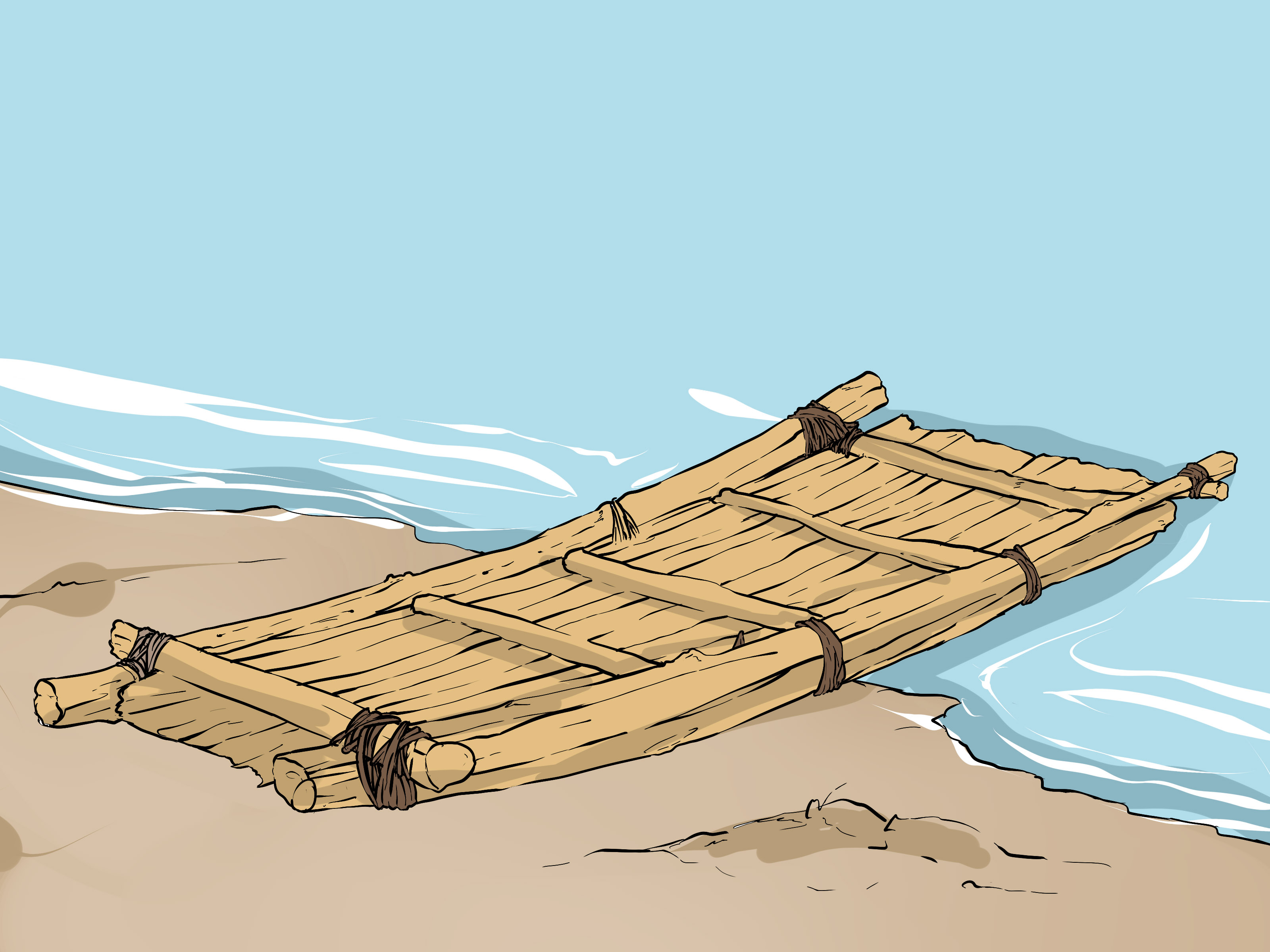
Being stranded on a desert island sounds romantic for approximately seven seconds. Then the sun starts cooking your shoulders, your stomach begins performing whale songs, and you realize your phone has become a very expensive mirror. Survival is not about acting like an action hero. It is about making calm, boring, smart decisions while nature attempts to humble you with heat, saltwater, bugs, and coconuts that refuse to open politely.
The good news is that desert island survival follows a clear order of priorities. You need safe water, protection from the elements, a way to signal rescuers, and enough food and fire to keep your body and morale functioning. Food matters, of course, but dehydration, heat illness, injuries, and panic can become dangerous much faster than missing a few meals.
This guide breaks the challenge into three practical ways to survive on a desert island: secure water and shelter, create fire and find safe food, and signal for rescue while keeping your mind steady. Think of it as a survival plan with fewer movie explosions and more common sense.
Way 1: Secure Safe Water and Build Shelter First
If you do nothing else in the first hour, protect your body from heat and begin looking for fresh water. A desert island may be surrounded by water, but the ocean is the world’s largest “do not drink” sign. Seawater contains too much salt for the human body to process safely, and drinking it can worsen dehydration. The goal is to find, collect, or make fresh water while reducing how much you sweat.
Stop, Breathe, and Choose a Safe Base Camp
Before sprinting into the jungle like a panicked squirrel, stop and assess your situation. Are you injured? Is anyone else with you? Is the tide rising? Can you see wreckage, a boat, supplies, luggage, plastic containers, cloth, rope, metal, or anything useful? Survival begins with inventory.
Choose a camp location above the high-tide line, away from falling coconuts, unstable cliffs, insect-heavy swamps, and obvious animal trails. Look for natural shade, a breeze, and access to materials such as palm fronds, driftwood, vines, and broad leaves. Do not camp directly on the beach if waves can reach you at night. Getting woken up by the ocean is dramatic, but not in a helpful way.
Find and Collect Fresh Water
Your best water sources may include rain, dew, plant condensation, freshwater streams, rock pools above the tide line, or water trapped in natural depressions. If you have plastic sheeting, a tarp, a poncho, or even a large leaf arrangement, create a rain catchment system. Angle the material into a container such as a bottle, shell, coconut half, or salvaged container.
Morning dew can be collected by dragging a clean cloth through grass or leaves and wringing it into a container. This is slow, but slow water is better than imaginary water. If you find coconuts, the liquid inside young green coconuts may help with hydration, but do not rely on coconuts alone. Too much coconut water may upset your stomach, and an upset stomach on a deserted island is nature’s way of saying, “You made choices.”
If you find standing freshwater, treat it before drinking whenever possible. Clear-looking water can still contain bacteria, viruses, or parasites. Boiling is one of the most reliable ways to make water safer. If you cannot boil, filter cloudy water through cloth and then disinfect it with appropriate purification tablets or other available treatment methods. Avoid water that may be contaminated by chemicals, fuel, dead animals, or strange discoloration; boiling does not remove every hazard.
Make a Simple Solar Still Only as a Backup
A solar still can produce small amounts of water, but it is not a magic fountain. To make one, dig a hole in damp soil, place a container in the center, surround it with green vegetation if available, cover the hole with plastic, seal the edges with sand or stones, and place a small rock in the center so condensation drips into the container. It may work slowly in sunny conditions, but you should not bet your life on it as your only source.
Use solar stills as a backup while prioritizing rain collection, natural freshwater, and water conservation. Stay in shade during the hottest part of the day, move in the morning or late afternoon, and avoid unnecessary labor. Sweat is water leaving the building.
Build Shelter for Shade, Wind, and Rain
Shelter is not just about sleeping. It protects you from sunburn, heat exhaustion, wind chill, rain, insects, and general misery. A basic lean-to can be made with a ridgepole supported between two trees or forked branches, then covered with palm fronds, leaves, bark, or debris. Angle the roof steeply so rain runs off instead of joining you inside.
If you are on a windy beach, build a windbreak from driftwood, rocks, sand, or vegetation. If rain is frequent, raise your sleeping area slightly with branches or leaves to avoid lying in damp sand. If insects are relentless, smoke from a small controlled fire may help, and covering exposed skin with light clothing can reduce bites and sun exposure.
The best shelter is visible enough for rescuers to spot but safe enough to protect you. If possible, build it near an open signaling area, not deep inside dense vegetation where aircraft or boats cannot see you. You are not trying to win an island interior-design contest. You are trying to be found.
Way 2: Make Fire and Find Food Without Taking Foolish Risks
After water and shelter, fire becomes your survival multitool. Fire can boil water, cook food, dry clothing, discourage insects, warm you at night, boost morale, and create smoke signals. It also gives you something to stare at while you rethink every camping trip you ever skipped.
Start Fire Safely and Keep It Controlled
Gather tinder, kindling, and fuel before you strike a spark. Tinder should be dry and fluffy: shredded bark, dry grass, coconut fiber, bird nests that are clearly abandoned, or dry palm material. Kindling should be pencil-thin sticks. Fuel should be larger wood added only after the fire is established.
If you salvaged matches, a lighter, a magnifying lens, batteries, steel wool, or a flint striker, protect them from moisture immediately. Store fire-making tools in a dry pouch, bottle, shell, or wrapped cloth. Build your fire on sand, bare soil, or a cleared stone area away from dry brush and overhanging leaves. A survival fire should help you live, not turn the island into a barbecue with you as the anxious chef.
Keep at least one small fire ready for cooking and warmth, and prepare a separate signal fire in an open location. A signal fire should include dry fuel for ignition and green leaves or damp vegetation nearby to create smoke once a plane or boat appears. Do not burn all your materials at once. Fire is a resource, not a bonfire party.
Understand That Food Is Important, But Not First
Hunger is uncomfortable, but dehydration and heat illness are more urgent. Many people can function for a while with little food, but poor water decisions can become dangerous quickly. Once you have water, shelter, and a basic rescue signal, begin looking for safe calories.
Potential island food sources may include coconuts, fish, crabs, shellfish, seaweed, edible fruits, bird eggs, and small animals. However, the word “potential” is doing heavy lifting. Do not eat unknown plants, mushrooms, brightly colored berries, or anything that smells rotten, bitter, chemical, or suspiciously like regret. Many wild plants and fungi can be toxic, and guessing is not a nutrition strategy.
Use the Shoreline Carefully
The shoreline can provide food, but it can also provide injuries. Sharp coral, sea urchins, jellyfish, slippery rocks, and rip currents are serious hazards. If you fish or gather shellfish, work in calm, shallow areas and avoid turning your back on waves. If caught in a rip current, do not exhaust yourself fighting straight back to shore. Float, stay calm, signal for help if possible, and swim parallel to the shoreline or at an angle once you can move out of the current.
For fishing, you can improvise hooks from thorns, safety pins, bone, shell, or wire. Fishing line may come from shoelaces, clothing threads, vines, or salvaged cord. Tide pools may trap small fish or crabs, but be cautious. Some tropical fish and reef species can carry toxins, and spoiled seafood can cause severe illness. Cook seafood thoroughly when possible.
Open Coconuts and Shellfish Without Losing a Finger
Coconuts are useful but stubborn. To open one, remove the outer husk by wedging it against a sharp rock, stake, or broken branch and peeling the fibers away. Once you reach the hard shell, locate the three “eyes.” One may be softer and can be punctured to drain the liquid. Then strike around the coconut’s equator with a rock until it cracks.
Shellfish should be collected only from clean-looking water and cooked thoroughly. Avoid shellfish from areas with unusual algae blooms, foul odors, or dead marine life. When in doubt, skip it. A bad meal can cost more water through vomiting or diarrhea than the calories were worth.
Protect Your Body Like It Is Your Only Tool
On a desert island, your body is your engine, toolbox, and rescue beacon operator. Protect it. Cover cuts quickly, rinse wounds with the cleanest water available, and keep them dry when possible. Infection can become a major problem in hot, humid environments. Use cloth strips as bandages and change them if they become dirty.
Move slowly during hot hours. Wear light, loose clothing if you have it. Cover your head and neck with fabric or leaves. Rest in shade. If you feel dizzy, confused, nauseated, weak, or stop sweating in extreme heat, treat it as serious. Cool down, drink safe water if available, loosen clothing, and stop physical work. Heroic overexertion is a terrible survival plan with excellent marketing.
Way 3: Signal for Rescue and Build a Daily Survival Routine
The goal is not to become mayor of Palm Tree Island. The goal is to get home. That means making yourself visible, predictable, and ready when rescue comes near. A good signal can turn a passing aircraft, boat, or search team into your ride back to civilization.
Create Big, Obvious Ground Signals
Make signals large enough to be seen from the air or sea. Use stones, logs, seaweed, bright clothing, wreckage, or sand trenches to create “SOS,” “HELP,” a large “X,” or arrows pointing toward your camp. Put signals in open areas with high contrast. Dark rocks on pale sand or white shells on dark ground are easier to spot.
Refresh signals daily. Wind, tides, rain, and curious birds with no respect for typography can ruin your message. If you move camp, leave arrows or markers showing where you went. Rescuers need clues, not a mystery novel.
Use Smoke, Reflection, Sound, and Movement
Prepare three signal fires in a triangle if you have enough fuel. Three of almost anythingthree fires, three whistle blasts, three shouts, three flashescommonly communicates distress. Keep smoky material ready, such as green leaves, damp grass, or seaweed, but add it only when you see or hear a possible rescuer.
A mirror, phone screen, watch face, polished metal, or even a shiny shell can reflect sunlight toward boats or aircraft. Practice aiming the flash by holding two fingers in a V shape and flashing the light between them toward the target. Bright clothing, waving fabric, and movement can also catch attention.
If you salvaged a whistle, use it instead of yelling when possible. A whistle carries farther and uses less energy. Save your voice for emergencies, singing motivational sea shanties, or apologizing to a crab you tried and failed to catch.
Stay Near the Wreckage If It Is Safe
If you arrived by boat or aircraft and the wreckage is safe, visible, and above the tide line, stay near it or mark the route from it to your camp. Search teams often look for the missing vessel or aircraft first. A bright boat hull, reflective metal, or debris field may be easier to spot than a person under trees.
However, do not stay in a dangerous location. If the wreckage is unstable, leaking fuel, exposed to waves, or too hot in the sun, move to safer ground and create clear markers. Salvage useful items carefully: containers, tarps, rope, plastic, metal, foam, wiring, fabric, mirrors, first-aid supplies, and anything that can hold water.
Create a Routine to Protect Your Mind
Routine keeps panic from taking over. Divide your day into survival blocks: morning water collection, signal maintenance, food gathering, shelter repair, rest during peak heat, evening fire preparation, and injury checks. Small tasks create momentum and help your brain focus on what can be controlled.
Keep track of days by marking a stick, rock, or tree. Monitor tides, weather patterns, animal behavior, and where you found resources. If you are with others, assign jobs based on ability. One person collects water, one maintains signals, one gathers fuel, and one rests if injured. Survival is teamwork, not a dramatic argument episode.
Desert Island Survival Experience: What the First Days Teach You
The first experience most stranded people describe is not bravery. It is disbelief. The brain keeps waiting for the situation to become normal again: a rescue boat appears, a phone signal returns, someone laughs and says the vacation package included “immersive realism.” But the island does not care about your itinerary. The faster you accept reality, the faster you start making useful decisions.
Imagine the first afternoon. The sun is high, your mouth is dry, and everything looks both beautiful and threatening. The beach is bright enough to make your eyes ache. You want to walk the entire island immediately, but that is a classic mistake. A better move is to mark your starting point, collect anything useful from the shore, and build shade. Even a rough lean-to can change your mood because it gives you a base. A base says, “I am not wandering. I am working.”
By the second day, water becomes the center of your universe. You notice clouds differently. You study leaves for moisture. You learn that containers are treasure. A plastic bottle with no cap, a cracked bowl, a piece of tarp, or half a coconut suddenly feels like luxury equipment. Rain is no longer weather; it is an event. You spread every catchment surface you have and guard the collected water like it is liquid gold with a better publicist.
Food teaches patience. The hungry brain wants shortcuts. It points at mystery berries and says, “Those look fine.” It points at shellfish and says, “Raw seafood is fancy in restaurants.” Ignore that brain. It is tired and dramatic. Safe survival eating is slow, cautious, and sometimes boring. Cook what you can. Test no unknown plant unless you have reliable knowledge. Skip anything rotten, slimy, bitter, or found near suspicious water. The island may offer food, but it does not provide a menu with allergy warnings.
Fire changes the emotional temperature of the whole camp. Even a small flame makes the night less enormous. It gives you warmth, smoke, light, and a sense of control. The first successful fire often feels like a victory parade, even if the parade is just you, three crabs, and a palm tree that seems unimpressed. Protect that fire-making ability. Dry tinder matters. Dry matches matter. A backup ember can save hours of frustration.
Signaling also becomes part of your daily identity. You stop thinking, “I hope someone finds me,” and start thinking, “How do I make myself impossible to miss?” You clear brush around your ground signal. You rebuild letters after wind scatters them. You keep green vegetation near the signal fire. You place shiny objects where the morning sun can hit them. Every improvement increases your odds.
The deeper lesson is that survival is not one huge heroic act. It is dozens of ordinary actions repeated with discipline: drink safe water, stay shaded, check injuries, improve the shelter, maintain the signal, rest before exhaustion, and avoid unnecessary risks. A desert island tests judgment more than strength. The person who survives is often not the strongest swimmer or the loudest leader. It is the person who stays calm, observes carefully, and keeps doing the next useful thing.
Conclusion: Survive Smart, Stay Visible, and Do Not Argue With the Ocean
To survive on a desert island, focus on the priorities that keep you alive and increase your chance of rescue. First, secure safe water and shelter. Avoid seawater, collect rain, treat questionable freshwater, and protect yourself from sun, wind, rain, and insects. Second, use fire wisely and gather food cautiously. Fire helps with water, warmth, cooking, morale, and signaling, while food should never come at the cost of poisoning yourself. Third, make yourself visible. Build large ground signals, prepare smoke fires, use reflective flashes, and maintain a routine that keeps panic from running the camp.
A desert island may look like paradise on a postcard, but survival depends on practical decisions, not tropical vibes. Stay calm, conserve energy, work during cooler hours, and make every action serve a purpose. Your job is not to conquer the island. Your job is to outlast the emergency long enough for rescue to find you waving, hydrated, and hopefully wearing something better than a palm-frond hat.