If your under-sink cabinet looks like a chemistry lab sponsored by bad decisions, this article is for you. The truth is, you do not need twelve different bottles with aggressive names like “Mega Blast Citrus Doom” to keep your home clean. For most everyday messes, the most effective homemade cleaner is a simple all-purpose spray made with a few basic ingredients you probably already own.
But let’s clear up one very important thing right away: a homemade cleaner is not the same as a disinfectant. A good cleaner removes grease, grime, dust, soap scum, and plenty of everyday gunk. That alone goes a long way. In many homes, regular cleaning with soap and water is enough for routine upkeep. Disinfecting is a separate step you usually reserve for situations where someone is sick, a sick visitor has been around, or you are dealing with messes that call for germ-killing products.
That distinction matters because the internet loves chaos. One corner of the web tells you to mix everything but your house keys into a spray bottle, while another acts like vinegar is a magical wizard liquid sent to save your tile grout and your soul. Reality is less dramatic and much more useful. The best homemade cleaner is one that is simple, cheap, works on common messes, and does not create new problems while trying to remove old ones.
In this guide, you will learn the most practical homemade cleaner recipe, why it works, where to use it, where not to use it, and how to avoid the classic mistakes that turn a clever DIY cleaning moment into a “why are my countertops sad?” situation.
Why This Homemade Cleaner Actually Works
The most effective homemade cleaner for everyday use is not powerful because it has a million ingredients. It is effective because each ingredient does a simple job well.
Soap does the heavy lifting
A small amount of dish soap or castile soap helps break up grease, loosen dirt, and lift residue off surfaces. This is the backbone of any reliable all-purpose cleaner. If your kitchen counters are sticky, your cabinet handles are mysteriously tacky, or your bathroom sink has developed a personality, soap is doing the real work.
White vinegar helps with mineral buildup and soap scum
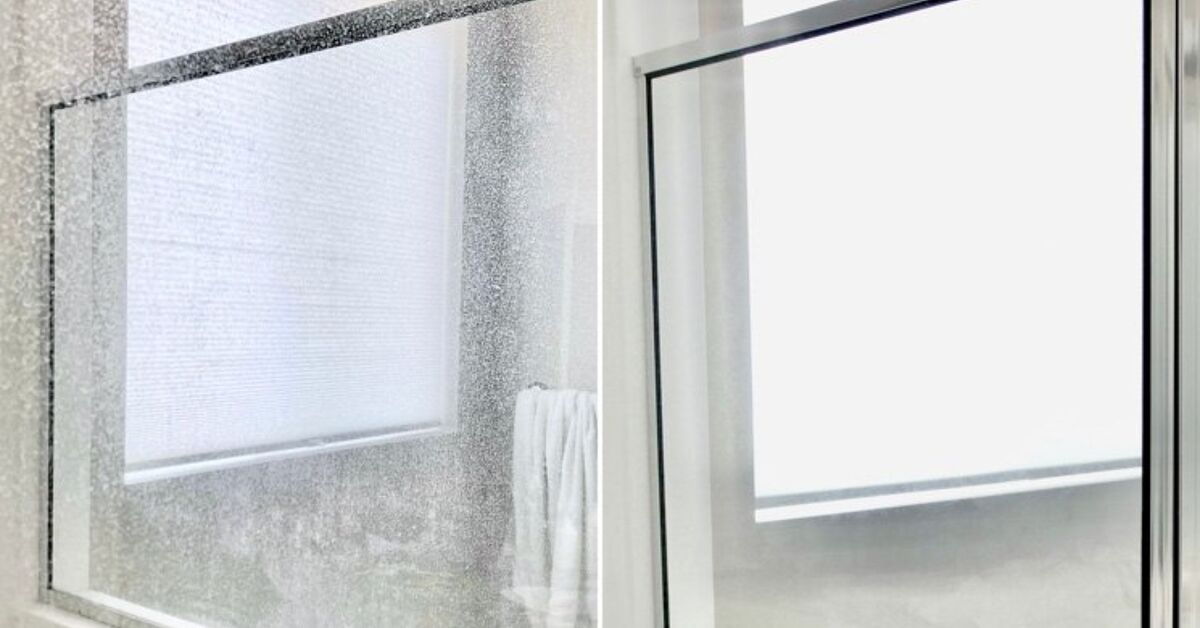
White vinegar is mildly acidic, which makes it helpful for dissolving hard-water spots, breaking down soap scum, and cutting through certain dull residues on sinks, tile, and shower surfaces. It is especially handy in bathrooms and anywhere water likes to leave tiny chalky souvenirs.
Baking soda is your backup scrubber
Baking soda is not the star of the spray bottle. It is the backup dancer who suddenly saves the show. It works best as a separate paste or sprinkle-on scrub for sinks, tubs, stovetops, and stubborn spots that need gentle abrasion. It can deodorize, too, which is useful when your trash can starts making editorial comments about your cooking.
Together, these ingredients create a low-cost, versatile system for cleaning most common household messes. The trick is knowing when to combine them and when to keep them in separate lanes.
The Best Homemade Cleaner Recipe for Everyday Use
Here is the all-purpose homemade cleaner that makes the most sense for most homes.
All-Purpose Homemade Cleaner
- 2 cups warm distilled or boiled-and-cooled water
- 1/4 cup white vinegar
- 1 teaspoon unscented dish soap or liquid castile soap
- Optional: 5 to 10 drops of essential oil for scent only
How to make it
- Pour the water into a clean spray bottle.
- Add the vinegar.
- Add the dish soap last so you do not create a foam party in your kitchen.
- Gently swirl. Do not shake like you are auditioning as a bartender.
- Label the bottle clearly.
How to use it
Spray the surface lightly, let it sit for 30 to 60 seconds on greasy or grimy areas, then wipe with a microfiber cloth or sponge. For tougher buildup, spray first, wait a minute, then scrub gently. On very dirty surfaces, a second pass is normal. Cleaning is not a magic trick. It is just a satisfying little war of patience.
Why this formula is so effective
This cleaner is simple enough to be useful and mild enough to use often. The soap handles grease and soil. The vinegar helps on water spots and residue. The water spreads everything evenly and makes the formula practical for daily use. Optional fragrance is exactly that: optional. Nice smell is pleasant, but it is not cleaning power dressed in lavender.
Where to Use This Homemade Cleaner
Kitchen counters and cabinet fronts
This spray is excellent for food splashes, fingerprints, light grease, and everyday crumbs that somehow become glue if you ignore them for two days. It works especially well on laminate, sealed synthetic counters, painted cabinet fronts, appliance exteriors, and stainless steel with a good wipe-down.
Bathroom sinks, tile, and fixtures
The vinegar in the mix helps loosen soap residue and water spots, while the soap handles grime from toothpaste, lotions, and daily use. Spray sinks, faucets, tile, and toilet exteriors, then wipe dry for the best finish.
Light switches, doorknobs, and high-touch spots
These are ideal places for a quick clean because they collect fingerprints, oil, and mystery smudges at an impressive rate. Spray the cloth instead of the switch or knob directly if you want to avoid drips.
Trash cans and laundry areas
This cleaner is also useful for deodorizing and freshening up utility areas. If the surface still smells funky after cleaning, follow up with baking soda as a separate deodorizing step.
Where You Should Not Use It
This part is where homemade cleaning advice usually goes off the rails. Just because something is “natural” does not mean it belongs on every surface in your home.
Do not use vinegar-based cleaner on natural stone
Granite, marble, limestone, travertine, and similar natural stone surfaces do not appreciate acid. Vinegar can dull or etch them over time. If you have stone countertops or stone tile, skip the vinegar and stick with a surface-safe cleaner recommended by the manufacturer.
Avoid unfinished wood, waxed wood, and delicate finishes
The acidity and moisture can damage finishes or leave surfaces looking tired and streaky. That rustic farmhouse table may look charming, but it has boundaries.
Skip screens and electronics
Do not use this cleaner on phone screens, laptop displays, TVs, or specialty coated surfaces. Use products designed for electronics and apply them to a cloth, not directly to the device.
Do not use it as a disinfectant substitute
This cleaner is great for routine cleaning, but it is not a replacement for an EPA-registered disinfectant or a properly diluted bleach solution when disinfection is actually needed. Cleaning comes first. Disinfection is a separate step for specific situations.
The One Mistake Everyone Makes: Mixing Too Much Stuff
The internet loves dramatic recipes. Vinegar, baking soda, lemon juice, hydrogen peroxide, borax, essential oils, dish soap, and half a moonbeam from the internet’s favorite “cleaning hack” video all end up in one bottle. Please do not do this.
The more ingredients you add, the less control you have over how the cleaner behaves and where it can be used safely. Some ingredients cancel each other out. Some add cleaning value only in certain situations. Some should never be mixed with other products at all.
Never mix bleach with vinegar
This can release irritating chlorine gas. That is not an internet myth. It is a real safety hazard.
Never mix bleach with ammonia
This can create chloramine gas, which is also dangerous. Many glass cleaners and specialty cleaners may contain ammonia, so read labels before playing amateur chemist.
Do not store vinegar and baking soda together expecting magic
When they mix, they fizz because they react. That bubbling looks impressive, but the drama happens fast, and then you are mostly left with a weaker solution and the memory of your spray bottle trying to impersonate a volcano. Use baking soda separately when you need scrubbing power.
How to Use Baking Soda the Smart Way
If your all-purpose spray is the daily driver, baking soda is the heavy-duty sidekick.
For sinks and tubs
Sprinkle baking soda on a damp sponge or directly on the surface. Scrub gently, then rinse well. This works nicely for soap film, dull buildup, and mild stains without harsh fumes.
For stovetops and greasy spots
Make a simple paste with baking soda and a little water. Spread it over stuck-on messes, let it sit for several minutes, and wipe away. It is especially helpful when spaghetti sauce has become emotionally attached to your stove.
For drains
Baking soda and vinegar can help freshen a slow or smelly drain, followed by plenty of hot water. Just do not expect it to replace proper plumbing repair if your drain is truly clogged and staging a rebellion.
Homemade Cleaner vs. Disinfectant: Know the Difference
This is one of the most important things to understand if you want your cleaning routine to be both effective and safe.
Cleaning removes dirt, grease, and many germs from surfaces. It lowers the mess level and makes your home look, feel, and smell better.
Disinfecting is designed to kill certain germs, usually with a product that has specific directions, contact time, and safety warnings.
For most day-to-day cleaning, your homemade cleaner is enough. If someone in your home is sick, or you are handling a mess that calls for actual disinfection, clean first and then use an appropriate disinfectant according to the label. That is the adult version of “first sweep the floor, then bring in the special equipment.”
Practical Tips to Make Your Homemade Cleaner Work Better
Use microfiber cloths
A good microfiber cloth grabs dirt instead of just pushing it around like a tiny indecisive mop. It also helps reduce streaks on shiny surfaces.
Make small batches
Homemade cleaners are best when fresh and simple. Small batches also keep you from hoarding six mystery bottles under the sink with labels like “maybe bathroom?”
Label every bottle
Always label the contents and keep the bottle out of reach of children and pets. If you make more than one formula, this is not optional. “Surprise liquid” is not a storage system.
Ventilate the room
Even milder cleaners can be irritating in enclosed spaces, especially when you are cleaning a shower or small bathroom. Open a window or run the fan when possible.
Patch-test first
Before using any homemade cleaner on a new surface, test it in a small hidden spot. That five-second test can save you from a large and very expensive learning experience.
A Smarter Homemade Cleaning Routine
If you want the easiest system, use this three-part routine:
- Everyday cleaning: the all-purpose vinegar-and-soap spray for counters, sinks, tile, cabinet fronts, and general messes.
- Scrubbing: baking soda paste for tubs, stovetops, sinks, and stuck-on grime.
- Disinfecting when needed: a proper EPA-registered disinfectant or properly diluted bleach solution used exactly as directed and never mixed with other cleaners.
That is it. No elaborate shelf of homemade potions. No dramatic cleaning reels. No ingredients list that looks like you are preparing a spell to remove a Victorian curse from your backsplash.
Real-Life Experience: What It’s Actually Like to Use This Homemade Cleaner
What surprises most people when they switch to a homemade cleaner like this is not just that it works, but that it changes how they clean. A lot of commercial products train you to think cleaning should smell aggressively “fresh” and feel like a science-fiction event. This homemade cleaner feels different. It smells lighter, wipes away faster, and turns cleaning into a more normal task instead of a whole production.
In real-life use, the first place people usually notice the difference is the kitchen. Cabinet doors, refrigerator handles, microwave exteriors, and counters seem to pick up fingerprints and oily film almost immediately, especially in busy households. This spray handles that daily buildup well because the soap cuts the grease and the vinegar helps remove that slightly dull, tacky finish left behind by cooking. Instead of scrubbing hard, you usually spray, wait a few seconds, and wipe. That small pause makes a huge difference.
The bathroom is where this cleaner often earns its fan club. Soap scum, dried toothpaste, light hard-water spotting, and sink splatter respond well without requiring the heavy scent cloud that some store-bought products create. People who are sensitive to strong fragrances often notice the room feels easier to clean because they are not fighting the fumes while they wipe down the faucet. It is a small quality-of-life upgrade, but a real one.
Another common experience is discovering that less product actually works better. Many people start out over-spraying because they are used to commercial cleaners that foam dramatically or promise instant miracles. With this homemade cleaner, a light mist is usually enough. Too much can leave extra moisture behind and make wiping slower. Once you get the rhythm right, it becomes a quick clean rather than a soggy event.
There is also a learning curve. For example, some people try it on everything at first and then realize vinegar has opinions about certain surfaces. Natural stone, delicate finishes, and screens are not part of this cleaner’s friend group. Once you know the limits, the routine gets easier because you stop expecting one bottle to do every single job in the house.
The biggest long-term benefit is probably consistency. When a cleaner is cheap, simple, and easy to remake, people tend to use it more often. That means messes get handled while they are still small. A sticky counter gets wiped today instead of becoming tomorrow’s archaeology project. A bathroom sink gets refreshed in two minutes instead of waiting for a weekend deep-clean drama. Over time, the house stays cleaner not because the product is magical, but because it is practical enough that you actually reach for it.
And that may be the most useful experience of all: homemade cleaner works best when it makes cleaning feel less annoying. If a recipe is simple, safe, and effective, you use it. If it feels like a chemistry quiz wrapped in a DIY blog post, the bottle ends up forgotten in the back of the cabinet next to expired batteries and that one mystery screw nobody wants to throw away.
Conclusion
The most effective homemade cleaner you will ever need is not flashy. It is a simple all-purpose mix of water, white vinegar, and a little dish soap, supported by baking soda for scrubbing when necessary. Used correctly, it handles everyday grease, grime, soap scum, fingerprints, and household messes without overcomplicating your routine.
The secret is not making the strongest cleaner imaginable. The secret is making the smartest one: easy to mix, inexpensive to use, effective on common surfaces, and safe enough that it does not create a second problem while solving the first. Keep it simple, use it often, know when you need a real disinfectant, and your home will stay cleaner with a lot less drama.