For many physicians, social media feels like a strange little carnival booth set up outside the clinic. It is loud, crowded, full of hot takes, and somehow always one comment away from chaos. So the instinct to stay far away makes perfect sense. You trained to diagnose illness, not to explain RSV in 30 seconds while a dancing sound clip plays in the background.
But here is the truth: patients, caregivers, reporters, students, recruiters, advocacy groups, and misinformation merchants are already there. They are posting, searching, scrolling, saving, and sharing. If physicians avoid social media entirely, the online health conversation does not become quieter. It just becomes less informed.
That is why the better move is not panic, not silence, and definitely not posting a blurry lecture slide with a caption that reads “thoughts?” The better move is to show up strategically. Social media can help physicians educate the public, build trust, grow a professional reputation, counter false claims, recruit talent, support advocacy, and remind people that medicine is practiced by actual humans rather than by mysterious beings who live inside exam rooms.
The goal is not to become an influencer with a ring light the size of Saturn. The goal is to use digital platforms well, ethically, and with enough common sense to keep your license, your dignity, and your patient privacy intact.
Why physicians are afraid of social media in the first place
Let’s be honest: the fear is not irrational. Physicians have real reasons to hesitate.
1. The privacy risk is real
Patient confidentiality is not optional, and social media is built for speed, screenshots, and spread. A story told “anonymously” can still become identifiable through timing, location, diagnosis, age, or one oddly specific detail. A harmless-looking post can become a HIPAA problem faster than you can say “I thought that was vague enough.”
2. Professional boundaries can get messy
Patients may send friend requests, direct messages, photos, or questions that belong in a clinical workflow, not a comment thread. Physicians who casually answer personalized medical questions online may blur the line between public education and individual care. That line matters.
3. The internet remembers everything
Even private accounts are not truly private. Screenshots are forever. Jokes age badly. Sarcasm often dies on contact with strangers. And content that feels harmless to the person posting it may look reckless, insensitive, or unprofessional to patients, colleagues, employers, residency directors, or state boards.
4. Misinformation is exhausting
Plenty of physicians look at social platforms and think, “I went to medical school for this?” They see conspiracy threads, miracle cures, cherry-picked research, and someone with no clinical training confidently explaining the pancreas. It is tempting to close the app and go outside to stare at a tree for a while.
5. Time is already in short supply
Physicians are busy. Between charting, patient care, inbox management, meetings, family life, and the occasional need for sleep, social media can feel like one more unpaid job. Nobody wants to add “content machine” to an already packed professional identity.
Why staying off social media can be a missed opportunity
Even so, avoiding social media altogether can create its own problems. When physicians disappear from online spaces, the health information vacuum does not remain empty. It gets filled, often by people who are more confident than correct.
Patients already use social platforms to learn about symptoms, screening, vaccines, medications, diets, mental health, fertility, menopause, skin care, weight loss, chronic illness, and whatever “detox” nonsense is trending this week. They are not waiting for a peer-reviewed journal article to drift into their feed. They are listening to whoever explains things clearly and sounds trustworthy.
That creates a huge opportunity for physicians. A doctor who explains a topic in plain English can do more than collect likes. They can reduce confusion, help people ask better questions, encourage earlier care, correct myths, and make medicine feel more accessible. In an era of mistrust and information overload, clear communication is not fluff. It is public service.
Social media can also support the physician’s own goals. It can help build a niche, attract speaking invitations, connect with peers, highlight research, promote advocacy, recruit staff, educate trainees, and open doors to writing, consulting, media, or leadership opportunities. A thoughtful online presence can become a living portfolio.
And no, that does not require dancing in scrubs. Unless, of course, you genuinely want to. In that case, stretch first.
What smart physician social media use actually looks like
The best physician accounts are not random. They are intentional. They usually do three things well: they educate, they stay professional, and they sound human.
They teach, not perform
Useful physician content often answers common questions. Think: “What does high blood pressure actually feel like?” “When is a headache an emergency?” “What a dermatologist wishes you knew about sunscreen.” “Three things parents can do before a child’s first asthma visit.” This kind of content meets people where they are.
They keep advice general
A good rule is simple: educate the public, but do not diagnose the follower. Broad guidance is fine. Personal treatment plans in the comments are not. If someone asks, “I have chest pain and numbness in my left arm, should I worry?” the answer is not a mini-thread. The answer is immediate emergency care.
They protect boundaries
Professional accounts should act like professional spaces. That means clear profile language, a disclaimer that posts are for education and not individual medical advice, and a plan for what happens when people send private health questions. Social media is not a patient portal, not informed consent, and not a substitute for formal medical care.
They sound like a person
People do not engage with textbook fragments wearing a lab coat. They engage with clarity, warmth, credibility, and voice. Physicians do not need to become comedians, but a little wit goes a long way. A cardiologist can say, “Your heart is a loyal employee, but it hates being managed by stress, cigarettes, and a drive-thru breakfast.” That is memorable. That gets shared.
How physicians can start without creating a digital headache
Pick one platform first
Do not try to conquer the entire internet on day one. Choose one platform that matches your goals and audience.
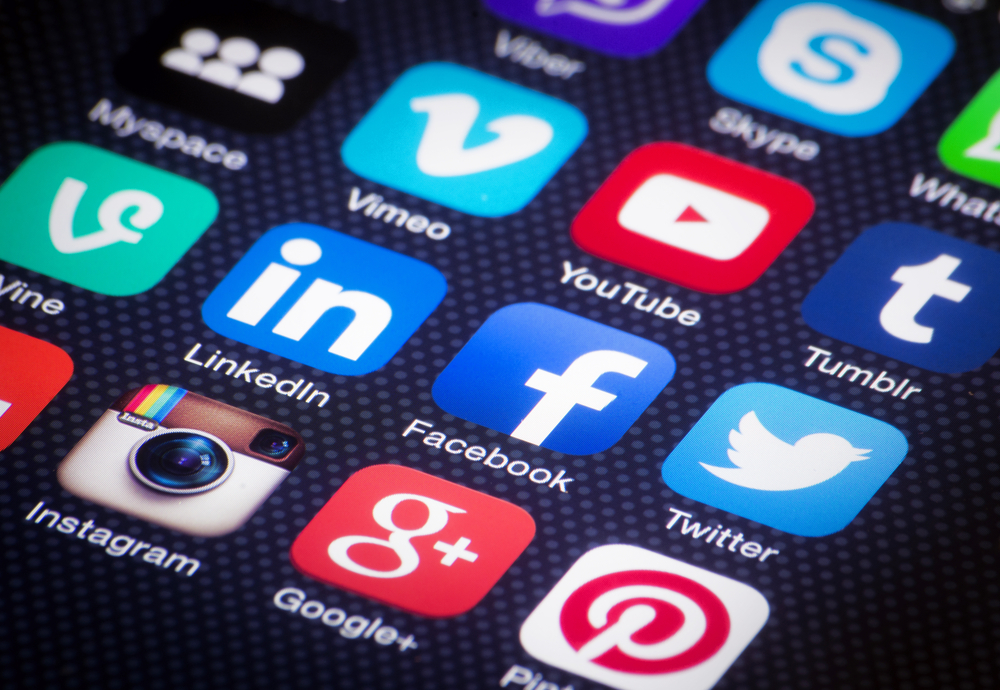
- LinkedIn works well for professional networking, thought leadership, hiring, policy commentary, and career visibility.
- Instagram is useful for visual education, short videos, community engagement, and approachable health content.
- YouTube is strong for longer explanations, patient education libraries, and searchable evergreen content.
- X, Threads, or similar text-first platforms can be useful for fast commentary, conference discussion, journal takeaways, and advocacy, though they also come with more noise.
Start where your audience already is. A rural family physician trying to educate local patients may need a different approach than an academic oncologist speaking to peers, journalists, and advocacy organizations.
Create a simple content plan
Physicians often overcomplicate this part. You do not need a content empire. You need a repeatable structure. A practical plan might include:
- One myth-busting post each week
- One “what I wish patients knew” post each week
- One evidence update or conference takeaway each month
- One values-based post on prevention, access, advocacy, or equity each month
That is enough to build consistency without becoming a full-time broadcaster.
Write for normal humans
Medical accuracy matters. So does readability. Replace jargon with plain language. Shorter sentences help. Specific examples help more. Instead of “gastroesophageal reflux,” try “acid reflux.” Instead of “nonadherence,” say “people often stop taking a medicine when side effects, cost, or confusion get in the way.” Good health communication is less about sounding impressive and more about being understood.
Have a privacy rule that is stricter than you think you need
Never post patient information without proper consent, and do not assume that removing a name makes a story safe. If a case is educational, make it broadly general, composite, or fully de-identified to an extreme degree. When in doubt, do not post it. Your best viral idea is not worth a privacy breach.
Separate public education from patient care
If followers ask personal health questions, redirect them to appropriate channels. Use pinned language, saved replies, or a profile note that says messages are not monitored for medical care. Physicians who make this boundary clear early tend to avoid bigger problems later.
Know your employer and board rules
Before posting regularly, review your institution’s policies on branding, media, patient privacy, photography, endorsements, and public statements. Also understand your state board’s professionalism expectations. “I did not know” is not a magical legal shield.
The biggest mistakes physicians make on social media
Mistake #1: Treating every post like a journal abstract
If your post reads like a conference poster stapled to a brick wall, engagement will be thin. Translate evidence. Do not dump it.
Mistake #2: Fighting every troll
Not every comment deserves a debate. Some people want information. Others want a food fight. Learn the difference. A calm correction can help onlookers. A 74-comment battle with a stranger named “LiverKingTruthPatriot” usually does not.
Mistake #3: Posting while angry
Frustration is understandable. Posting in the heat of the moment is not wise. Take the same approach you would with a risky email: draft it, breathe, and reread it later with your highest-functioning brain cells.
Mistake #4: Ignoring disclosure rules
If you endorse products, partner with brands, speak for companies, or receive compensation related to content, disclose that relationship clearly. Transparency is not just ethical. It protects credibility. Hidden conflicts of interest can wreck trust faster than a typo ever could.
Mistake #5: Making it all about yourself
People follow physicians for value. Credentials matter, but they are not content. The best accounts are not endless self-congratulation. They are service-oriented. They help, explain, clarify, and occasionally reassure.
How physicians can use social media to build trust
Trust online is not built by sounding perfect. It is built by sounding clear, consistent, and honest.
That means citing evidence when appropriate, acknowledging uncertainty when evidence is evolving, and avoiding exaggerated claims. It also means resisting the temptation to oversimplify complex topics into flashy but misleading absolutes. Medicine is nuanced. Your social media presence can still be engaging without turning every topic into “always,” “never,” or “one weird trick.”
Trust also grows when physicians communicate with humility. A pediatrician explaining vaccine safety, an OB-GYN discussing menopause symptoms, or an internist breaking down blood pressure myths does not need to sound distant to sound credible. People respond well to experts who are confident without being condescending.
In fact, one of the most powerful things a physician can say online is, “Here is what we know, here is what we do not know yet, and here is what would make me concerned enough to seek care.” That is medicine at its best: useful, honest, and calm.
A practical starter formula for physician content
If you want something easy, try this format:
- Start with a question: “Does high cholesterol cause symptoms?”
- Give the clear answer: “Usually, no. That is why screening matters.”
- Add three useful takeaways: who should care, what to do next, and when to seek medical help.
- Close with a boundary: “This is general education, not personal medical advice.”
That structure works for short videos, carousels, text posts, and even longer explainers. It is simple, repeatable, and actually useful.
Physicians do not need social media fame. They need digital competence.
Let’s remove the weird pressure here. The point of social media is not to become internet-famous for explaining colonoscopy prep with exceptional charisma. The point is digital competence. Patients live in a world where health information arrives through feeds, searches, videos, reposts, podcasts, and screenshots. Physicians who understand that environment are better positioned to educate, advocate, and protect the public.
That competence includes knowing how misinformation spreads, how trust is earned, how to speak plainly, how to disclose conflicts, how to maintain boundaries, and how to stop before posting something reckless. It also includes recognizing when to log off. A healthy social media strategy should support your professional life, not swallow it whole.
So yes, physicians should be careful online. But fear alone is a poor strategy. The better strategy is presence with judgment.
If social media makes you nervous, that may actually be a good sign. It means you understand the responsibility. Now pair that caution with training, clear rules, and a realistic plan. Then post something useful. The public does not need more noise. It needs more credible voices who can explain medicine without confusion, arrogance, or chaos.
In other words: stop hovering at the edge of the pool. Check the water, learn the rules, and dive in.
Experience from the digital exam room: what physicians often learn after they start
Once physicians begin using social media with intention, many discover that the experience is less frightening and more practical than expected. At first, the fear usually centers on reputation: “What if I say the wrong thing?” “What if a patient sees this?” “What if I attract conflict?” Those are reasonable worries. But in real-world use, the more common outcome is that doctors learn how much confusion people carry around basic health topics and how valuable clear explanation can be.
A family physician who starts posting one short video a week about preventive care may notice that patients begin arriving with better questions. Instead of saying, “I saw something online and now I’m terrified,” they may say, “I watched your explanation of home blood pressure monitoring, and I realized I’ve been doing it wrong.” That is not celebrity. That is better care before the visit even starts.
A dermatologist may find that a simple post about suspicious moles gets shared among families and friend groups, prompting people to book skin checks they had delayed for months. An endocrinologist explaining insulin myths may help a newly diagnosed patient feel less ashamed and less overwhelmed. A pediatrician posting calm, practical guidance during flu season may become a trusted voice not because the content is flashy, but because it is steady and easy to understand.
Physicians also learn that tone matters as much as knowledge. People do not just respond to facts; they respond to how those facts are delivered. A doctor who writes with warmth, clarity, and a little personality often reaches further than one who sounds technically correct but emotionally unavailable. Social media rewards communication that feels direct and human. That does not mean lowering standards. It means translating expertise into language people can use on an ordinary Tuesday.
There are surprises on the professional side too. Some physicians discover that social media connects them with colleagues they never would have met otherwise. A thoughtful thread about resident wellness, obesity care, vaccine counseling, menopause treatment, or rural access can spark collaboration across states and specialties. Invitations to speak, write, teach, or join advisory work often grow from consistent public communication rather than from one spectacular viral moment.
Of course, not every experience is pleasant. Physicians quickly learn that comment sections contain sincere questions, emotional stories, and the occasional determined goblin with unlimited free time. Over time, the healthiest users develop a rhythm: answer what is useful, ignore what is bait, and block when necessary. They stop treating every hostile comment like a courtroom cross-examination and start protecting their attention.
Perhaps the biggest lesson is this: social media works best for physicians when it reflects the same values that guide good clinical care. Be accurate. Be clear. Be compassionate. Respect boundaries. Admit uncertainty. Do not make promises you cannot support. And remember that trust is built one interaction at a time. Physicians who learn those habits often realize they were not actually afraid of social media itself. They were afraid of using it without a framework. Once the framework is in place, the whole thing becomes less like a minefield and more like a microphone.