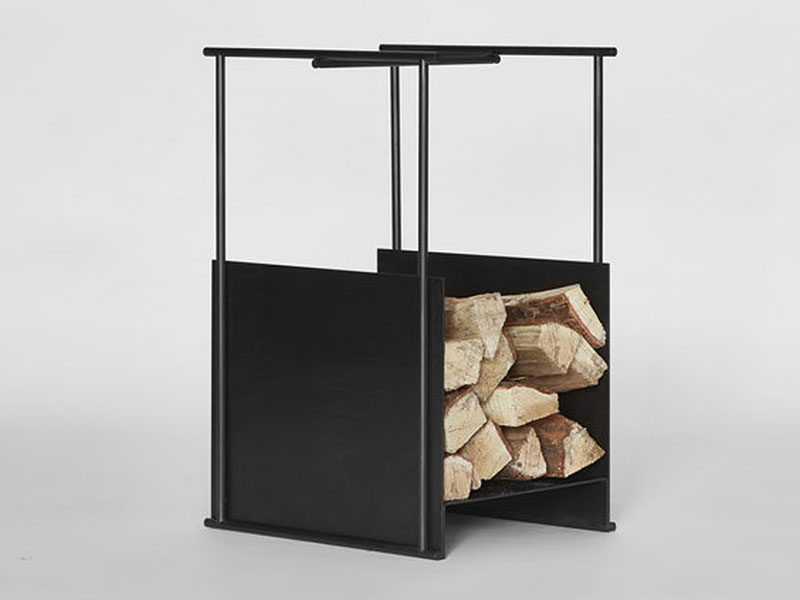
A black firewood hutch may sound like a humble backyard helper, but do not be fooled by its quiet personality. This sturdy storage piece can make your patio look sharper, your firewood burn better, and your winter evenings feel far less chaotic. Nobody wants to sprint through cold rain looking for logs that have been marinating in mud like sad little roast potatoes.
At its best, a black firewood hutch combines function, durability, and style. It gives your logs a proper home, keeps them organized, improves airflow, and adds a clean architectural accent to outdoor spaces. Whether you use a fireplace, wood stove, outdoor fire pit, pizza oven, or backyard chiminea, the right hutch can turn a messy pile of wood into something that looks intentional. Yes, firewood can have curb appeal. We live in exciting times.
This guide explores what a black firewood hutch is, why it is useful, what features matter most, where to place it, how to maintain it, and how to choose a design that works for your home. We will also look at practical examples, common buying mistakes, and real-life experience with using one through different seasons.
What Is a Black Firewood Hutch?
A black firewood hutch is a structured storage unit designed to hold split logs while protecting them from ground moisture and unnecessary weather exposure. It is usually made from powder-coated steel, iron, aluminum, treated wood, or a combination of metal and wood. The “hutch” part usually means it offers more structure than a simple open rack. Many models include a roof, raised base, side panels, shelves, or a cabinet-like frame.
The black finish is not just for drama, although it certainly brings a little backyard sophistication. Black works well with modern patios, farmhouse porches, rustic cabins, outdoor kitchens, and traditional brick fireplaces. It hides soot, blends with iron fireplace tools, and pairs easily with stone, concrete, wood siding, and garden greenery.
Why Firewood Storage Matters More Than People Think
Firewood is not just “wood sitting outside until it becomes cozy.” It is fuel. Like any fuel, its performance depends on how it is stored. Wet or poorly stacked firewood can produce more smoke, burn less efficiently, attract insects, and become frustrating to use. Dry, seasoned firewood lights more easily, burns hotter, and makes the whole experience feel less like a survival challenge.
A good black firewood hutch helps solve three classic firewood problems: moisture, mess, and movement. It raises logs off the ground so they are not soaking up water from soil or concrete. It keeps wood neatly stacked so your patio does not look like a beaver hosted a yard sale. It also places your logs where you can reach them without repeatedly dragging bark, dirt, and mystery crumbs through the house.
Main Benefits of a Black Firewood Hutch
1. It Keeps Firewood Off the Ground
Firewood should not sit directly on soil, grass, or damp concrete. Ground contact increases moisture exposure and can encourage decay, mold, and insects. A raised hutch gives air room to circulate underneath the stack, helping the lower logs stay drier and cleaner.
2. It Improves Airflow
Good firewood storage is about balance. You want protection from rain and snow, but you do not want to seal the wood in a damp box. A smart hutch design allows air to move around the logs. Open sides, slatted panels, and raised frames are all helpful. Think of it as letting your wood breathe, without giving it a yoga mat.
3. It Adds Outdoor Style
A black firewood hutch can make an outdoor area look polished. Instead of a random pile near the fence, you get a clean, vertical structure that feels like part of the design. Black metal especially works well with modern fire pits, matte black patio furniture, charcoal grills, and dark-framed windows.
4. It Helps Reduce Indoor Mess
Keeping a small amount of firewood near the door or fireplace is convenient, but storing too much indoors can invite bark flakes, dust, and bugs. A hutch lets you keep most of your supply outside while bringing in only what you need. Your floors will thank you, possibly in tiny squeaks of relief.
5. It Makes Firewood Easier to Use
Stacked firewood is easier to inspect, rotate, and carry. A hutch keeps logs at a more convenient height than a ground pile. Some designs also include kindling shelves, tool hooks, or compartments for fire starters, gloves, and small splitting tools.
Best Materials for a Black Firewood Hutch
Powder-Coated Steel
Powder-coated steel is one of the most popular choices for black firewood storage. It is strong, attractive, and more weather-resistant than untreated metal. The coating helps protect against rust while giving the hutch a smooth matte or semi-gloss finish. For outdoor use, look for thick steel tubing, reinforced joints, and rust-resistant hardware.
Wrought Iron
Wrought iron has a classic, heavy-duty look. It suits traditional homes, stone patios, and rustic fireplaces. The downside is weight and maintenance. Iron can rust if its finish gets scratched, so it may need occasional touch-ups.
Aluminum
Aluminum is lighter than steel and naturally resistant to rust. It is a good option if you need to move the hutch occasionally. However, lighter frames may not feel as stable when fully loaded with heavy hardwood logs.
Wood and Metal Combination
Some black firewood hutches use a metal frame with wood accents. This combination looks warm and architectural, especially on porches or covered patios. If wood is part of the structure, make sure it is treated, sealed, or naturally rot-resistant.
Indoor vs. Outdoor Black Firewood Hutch
An indoor black firewood hutch is usually smaller and more decorative. It may sit beside a fireplace and hold one evening or one day’s worth of logs. Indoor designs often include a solid base to catch bark and dust. They prioritize style, compact size, and easy cleaning.
An outdoor black firewood hutch is larger, tougher, and more weather-aware. It should have a raised base, sturdy frame, and some type of roof or top cover. Outdoor hutches must handle rain, snow, sun, wind, and the occasional squirrel who thinks your log rack is a luxury apartment complex.
For most homes, the best setup is a two-zone system: a larger outdoor hutch for your main supply and a small indoor rack for short-term convenience. This keeps the bulk of the wood outside while still making fires easy to start.
How to Choose the Right Size
The best size depends on how often you burn wood. If you use a fire pit a few weekends a year, a compact hutch may be enough. If you heat with a wood stove all winter, you need serious capacity. A decorative porch hutch may hold a few armloads, while a large outdoor unit can store a face cord or more, depending on dimensions.
Before buying, measure your available space and think about your actual habits. A huge hutch looks impressive, but if it blocks a walkway or turns your patio into an obstacle course, the romance disappears quickly. Leave room around the hutch for loading, unloading, sweeping, and airflow.
Where to Place a Black Firewood Hutch
Placement is one of the most important decisions. The hutch should be convenient, but not pressed directly against your house. Firewood can attract insects, and stacking it too close to siding, foundations, or garage walls is not ideal. A smart location is close enough for easy access but far enough to reduce pest and moisture concerns.
Choose a level surface such as pavers, gravel, concrete, or a firm patio area. Avoid low spots where water pools. If the hutch sits on grass or soil, place pavers or blocks under the feet to prevent sinking and improve drainage. A sunny, breezy spot is excellent because it helps wood dry faster after damp weather.
Should a Firewood Hutch Have a Roof?
A roof is very useful, especially for outdoor firewood storage. The goal is to protect the top of the stack from rain and snow while keeping the sides open. Covering the entire stack tightly can trap moisture, which is exactly what you do not want. Firewood is not a sandwich; it does not need to be wrapped on all sides.
A sloped roof is especially practical because it sheds water. Metal roofs are durable and match black frames nicely. Wooden roofs can look charming but need sealing. Fabric covers are affordable and flexible, though they may wear out faster than a built-in roof.
Design Ideas for a Black Firewood Hutch
Modern Patio Hutch
A slim black steel hutch with clean lines looks great beside a concrete fire pit or outdoor sofa. Pair it with neutral cushions, gravel landscaping, and warm string lights for a polished backyard lounge.
Farmhouse Porch Hutch
A black hutch with a peaked roof and wood accents can complement a farmhouse porch beautifully. It gives the space a practical, cozy feeling without looking cluttered.
Rustic Cabin Hutch
For a cabin or mountain-style home, choose a larger hutch with heavy framing and a simple roof. Black metal against stacked logs creates a rugged, timeless look.
Compact Fireplace Hutch
Inside the home, a small black firewood hutch with a tray base can sit beside the hearth. It keeps logs ready without overwhelming the room.
Common Mistakes to Avoid
Buying Too Small
A tiny hutch may look cute online, but firewood disappears quickly when the temperature drops. If you burn wood regularly, size up. You do not want to refill the rack every time the wind sneezes.
Choosing a Closed Design
Firewood needs airflow. Avoid hutches that fully enclose the logs without ventilation. A cabinet-style design may look tidy, but trapped moisture can lead to poor burning performance.
Ignoring Weight Capacity
Seasoned hardwood is heavy. Oak, hickory, maple, and ash can put serious pressure on a frame. Check the build quality, welds, legs, and support bars before loading it like a tiny lumber warehouse.
Placing It in a Wet Area
Even the best hutch struggles in a soggy corner. Avoid placing it under dripping rooflines, near sprinklers, or in muddy low spots.
How to Maintain a Black Firewood Hutch
Maintenance is simple but important. Sweep away bark and debris regularly. Check for rust spots, especially around screws, welds, and scratched areas. If the finish chips, touch it up with outdoor-rated black metal paint. Tighten bolts once or twice a year, especially before winter.
If the hutch has a fabric cover, inspect it for tears. If it has a roof, clear leaves and snow when needed. Keep plants trimmed around the hutch so air can circulate. A firewood hutch should look like a storage solution, not a secret forest shrine.
How to Stack Firewood in a Hutch
Stack logs bark-side up when possible, especially near the top, because bark can help shed water. Place larger, heavier pieces at the bottom and smaller pieces near the top. Keep the stack stable and avoid leaning logs against weak side panels.
Leave small gaps for airflow. Do not cram every log in like you are packing for a vacation with no luggage limit. Good stacking helps wood stay dry, makes pieces easier to grab, and reduces the chance of the pile shifting.
Black Firewood Hutch Buying Checklist
Before choosing a black firewood hutch, look for durable materials, rust-resistant coating, raised feet, open ventilation, a stable base, and enough capacity for your needs. If it will live outdoors, a roof or top cover is a major advantage. If it will sit indoors, a debris-catching base is helpful.
Also consider assembly. Some hutches arrive flat-packed and require basic tools. Read dimensions carefully, because product photos can be sneaky. A hutch that looks enormous next to a staged fireplace may be surprisingly small in real life. Measuring tape is cheaper than regret.
Experience Section: Living With a Black Firewood Hutch
After using a black firewood hutch through different seasons, the biggest lesson is simple: organization changes everything. Before having a proper hutch, firewood tends to become “that pile.” It starts neatly enough, then one windy weekend and two rushed evenings later, it looks like a woodland creature filed a complaint. A hutch gives the whole system boundaries. Logs go in one place. Kindling has a spot. The patio looks calmer.
The black finish is surprisingly forgiving. Dust, ash, and bark crumbs do not stand out as dramatically as they would on a lighter rack. A matte black hutch also makes the wood itself look richer. The contrast between dark metal and golden split logs has a magazine-like quality, even if the rest of the yard includes a hose you forgot to coil and a chair cushion that has emotionally given up.
In rainy weather, a roofed hutch makes a noticeable difference. The top layer stays much drier than it would under a loose tarp. Better still, the open sides allow air to move through, so the wood does not develop that damp, trapped smell. A tarp can work in a pinch, but it is easy to over-cover the stack. A hutch with a fixed roof removes the guesswork.
Another practical benefit is cleaner carrying. When logs are raised off the ground, they pick up less mud and fewer leaves. That means fewer messes near the fireplace and less sweeping after every fire. If you use an indoor fireplace, keeping only a small amount inside and refilling from the outdoor hutch works beautifully. It gives you convenience without turning your living room into a bark confetti festival.
Placement matters more than expected. A hutch near the back door is convenient, but it should still have space around it. When it is too close to a wall, leaves collect behind it and airflow suffers. Moving it slightly away from the house improves access, cleaning, and drying. If the hutch sits on pavers, it feels more stable and looks more intentional. On soft ground, the feet may sink once the rack is loaded, especially after rain.
One small surprise is how quickly capacity becomes important. A compact hutch looks perfectly adequate until the first cold week, when suddenly you are refilling it constantly. For occasional fire pit nights, small is fine. For regular fireplace use, bigger is usually better. Even if you do not fill it completely, extra space helps with sorting different log sizes and keeping kindling separate.
Maintenance has been minimal. A quick sweep, an occasional bolt check, and a rust touch-up here or there are usually enough. The main habit is keeping the area around the hutch tidy. Loose bark and leaves can hold moisture, so clearing them helps protect both the hutch and the wood.
Overall, a black firewood hutch is one of those purchases that feels more useful over time. It is not flashy, but it quietly improves the rhythm of using firewood. It makes fires easier to start, patios easier to clean, and outdoor spaces better looking. In the grand hierarchy of home upgrades, it may not compete with a kitchen remodel, but it absolutely beats tripping over a soggy log in the dark.
Conclusion
A black firewood hutch is more than a storage rack with good fashion sense. It protects firewood from ground moisture, improves airflow, keeps outdoor areas tidy, and adds a strong visual accent to your home. The best models are raised, ventilated, sturdy, weather-resistant, and properly sized for your firewood habits.
Whether you want a sleek black metal hutch for a modern patio or a roofed outdoor firewood hutch for serious winter use, the right choice can make wood burning cleaner, easier, and more enjoyable. Choose quality materials, place it wisely, maintain it lightly, and your firewood will be ready when the evening calls for flames, warmth, and the ancient human tradition of staring happily at glowing logs.