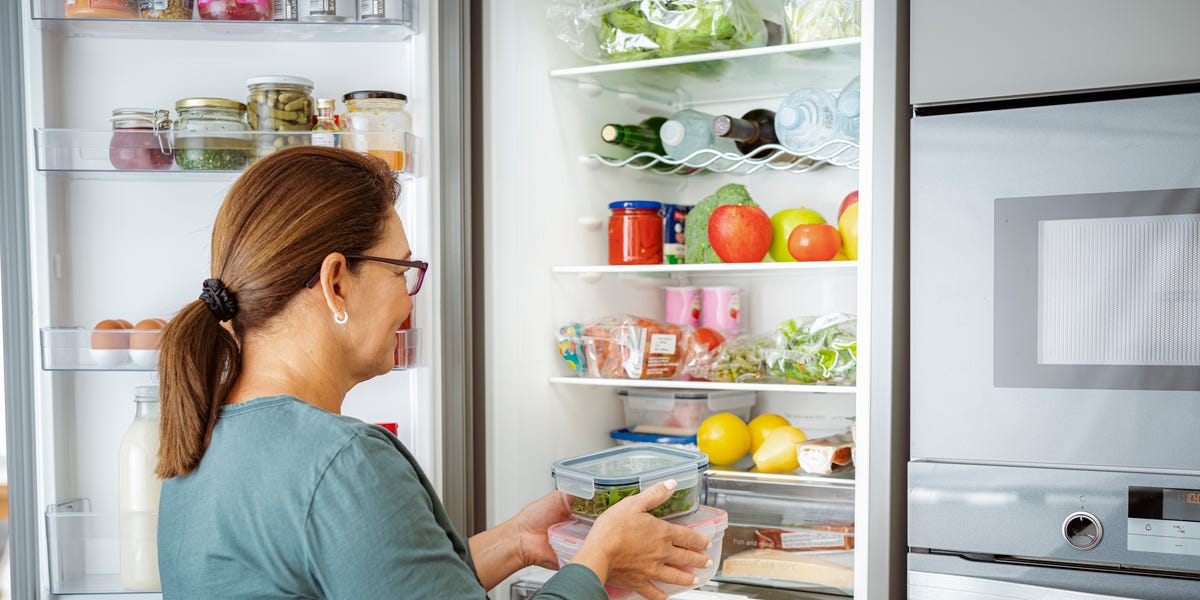
Most people know the obvious refrigerator all-stars: milk, raw meat, yogurt, leftovers, and anything that starts smelling “adventurous” after two days. But plenty of everyday foods still get left on counters, tucked into warm cabinets, or forgotten in that mysterious pantry zone where crackers go to die. The result is usually one of three things: spoiled flavor, a shorter shelf life, or a mold surprise nobody invited.
Here’s the important distinction: some foods need refrigeration for safety, while others should be refrigerated mostly for quality and freshness. That difference matters. Eggs are a clear fridge item. Natural peanut butter is more of a “your kitchen will be less chaotic if you chill it” item. Either way, knowing what belongs in the refrigerator can save money, reduce waste, and keep your food tasting like food instead of a science project.
This guide breaks down 12 everyday foods you should be refrigerating, why it helps, and how to store each one without turning your fridge into an overstuffed cold cave. The goal is simple: keep food fresher longer, cut back on waste, and avoid learning about food storage from a fuzzy green patch.
Why Refrigeration Matters More Than People Think
Cold temperatures slow bacterial growth, delay spoilage, and help certain foods hold their flavor, texture, and oils longer. Refrigeration also helps with products that are technically shelf-stable until opened but begin to decline once air, moisture, and kitchen heat get involved. In other words, the fridge is not just for emergency lettuce and judgmental leftovers. It is also one of the easiest tools for protecting food quality at home.
Another good rule: once a food is opened, cut, ripe, or made with ingredients like eggs or dairy, its storage needs often change. A sealed bottle on a grocery store shelf and an opened bottle in your kitchen are living very different lives.
12 Everyday Foods You Should Be Refrigerating
1. Eggs
In the United States, eggs belong in the refrigerator, full stop. American eggs are washed and processed differently than eggs in some other countries, which removes the natural protective coating from the shell. That makes refrigeration especially important. Keeping eggs cold helps maintain quality and lowers the risk of bacterial growth.
Store them in their original carton instead of the refrigerator door, where temperatures swing every time someone opens the fridge to stare into it like answers live there. The carton protects eggs from absorbing odors and helps you track freshness more easily.
2. Butter
Butter is one of those foods that inspires passionate kitchen debate. Yes, some people keep a small amount out for easy spreading. But for regular storage, refrigeration is the smarter move. Chilling butter helps protect it from contamination and slows rancidity, especially in warm kitchens.
If you like soft butter for toast, keep a small portion out temporarily and return the rest to the fridge. That way your morning bagel gets what it wants without turning the whole stick into a temperature experiment.
3. Natural Peanut Butter and Other Natural Nut Butters
Traditional peanut butter can often stay in the pantry for a while after opening, but natural peanut butter is a different beast. Because it usually contains fewer stabilizers and often no added oils or sugars, it separates more easily and can lose quality faster. Refrigeration helps slow that process and keeps it fresh longer.
The texture may become firmer, but that is a small price to pay for avoiding that oily top layer that looks like your sandwich spread is having an identity crisis.
4. Tortillas
Many people treat tortillas like bread and leave them in the cupboard after opening. That can work for a short stretch, but refrigeration helps prevent mold and extends freshness, especially for softer flour tortillas and preservative-light brands. The fine print on many packages even says to refrigerate after opening.
Keep them sealed tightly so they do not dry out. Warm them briefly before using, and they will bounce back nicely for tacos, wraps, and late-night quesadilla decisions.
5. Ripe Bananas
Bananas should ripen on the counter, but once they are perfectly yellow and ready to eat, the refrigerator can buy you extra time. Chilling slows the ripening process. The peel may turn brown or nearly black, but the fruit inside usually stays good for a few more days.
This is especially useful if your bananas leap from “not ready” to “banana bread emergency” in roughly six hours. Refrigeration will not make them prettier, but it will make them more practical.
6. Ripe Avocados
Avocados have the same personality type as bananas: fine on the counter until ripe, then suddenly racing against the clock. Once an avocado gives slightly to pressure and is ready to eat, move it to the refrigerator. That slows softening and helps you squeeze a little more life out of it.
If you have already cut it, refrigeration becomes even more important. Wrap it tightly or use an airtight container to limit browning and keep the texture from turning into sad green mush.
7. Nuts
Nuts are packed with healthy unsaturated fats, but those fats are fragile. Left at room temperature too long, nuts can go rancid and lose their best flavor. Refrigeration helps preserve quality much longer, especially for shelled nuts. A sealed container is important because nuts can absorb moisture and odors from nearby foods.
If you buy nuts in bulk, the refrigerator is your friend and the freezer is your overachieving friend. Either one is better than leaving an expensive bag of almonds to age dramatically in a warm cabinet.
8. Maple Syrup
Real maple syrup is one of the most commonly mishandled pantry items. Once opened, it should be refrigerated. Why? Because even though syrup is sugary, it can still develop mold if left at room temperature too long. Refrigeration helps it stay fresh much longer.
This is especially important with pure maple syrup, which is less like fake pancake syrup and more like a natural product with a shorter post-opening grace period. Translation: your waffles deserve better than a moldy cap situation.
9. Ketchup
Yes, restaurants leave ketchup on the table. No, that does not mean your bottle should live beside the toaster forever. Ketchup’s acidity helps with stability, but refrigeration preserves its flavor, color, and freshness after opening. In a home kitchen, especially one that gets warm, the refrigerator is the safer long-term choice.
If you go through ketchup at a superhero pace, room temperature may not ruin your week. But if that bottle lingers for months, the fridge is a better address.
10. Jam, Jelly, and Preserves
Unopened jam can sit in the pantry, but once opened, it should be refrigerated. Sugar and acidity help, but they do not make a jar immortal. Refrigeration slows spoilage and helps preserve taste and texture. It also reduces the chance that mold will appear after repeated use.
A clean spoon matters too. Every time a buttery knife or crumb-coated utensil dives into the jar, you are basically inviting contamination to brunch.
11. Chocolate Syrup
Chocolate syrup often gets treated like a permanent shelf decoration, but once opened, it lasts better in the refrigerator. Chilling helps it keep its flavor and quality longer. That matters more than people think because sugary products can still degrade after opening, especially if they are repeatedly exposed to heat and air.
Store it tightly closed and give it a shake before using. Your chocolate milk should taste nostalgic, not oddly metallic and vaguely suspicious.
12. Whole Wheat Flour
White flour is fairly stable in the pantry, but whole wheat flour is different because it contains more natural oils from the grain. Those oils can go rancid faster at room temperature. Refrigerating whole wheat flour helps protect flavor and extends shelf life, especially if you do not bake with it every week.
This tip is a quiet money-saver. Few kitchen disappointments are as rude as realizing your “healthy baking era” ended because your flour went stale before your motivation returned.
Quick Storage Tips That Make a Big Difference
Refrigerating the right foods helps, but how you refrigerate them matters too. First, keep your refrigerator cold enough. A crowded fridge that is barely cool is not doing your groceries any favors. Second, use airtight containers or reseal packages well. Exposure to air dries foods out, invites odors, and shortens freshness.
Third, do not ignore labels. “Refrigerate after opening” is not decorative writing. It is useful guidance from the manufacturer based on how the product behaves once exposed to air and bacteria from everyday handling. Fourth, remember that ripe, cut, or cooked foods usually become more perishable than their unopened or whole versions. A whole avocado and half an avocado are not playing by the same rules.
Finally, the refrigerator is not a time machine. It slows spoilage; it does not reverse it. If something smells off, shows mold, leaks, bubbles strangely, or looks like it has been through a rough emotional season, toss it.
Common Refrigerator Mistakes to Avoid
One mistake is putting food in the refrigerator door when it needs a stable temperature. The door is the warmest zone because it gets opened constantly. Eggs and butter are both better off deeper inside the fridge.
Another mistake is assuming “shelf-stable” means “safe forever after opening.” That is how people end up with pantry ketchup from three seasons ago and maple syrup that deserves its own warning label. Shelf-stable before opening does not always mean shelf-stable afterward.
People also forget that texture changes are normal. Refrigerated bananas get dark skins. Cold natural peanut butter gets firmer. Butter hardens. None of that means the food is bad. It just means the refrigerator is doing its job, even if it lacks bedside manner.
What Happens When You Actually Start Refrigerating These Foods
Here is the part nobody tells you: once you start refrigerating the right everyday foods, your kitchen gets easier to manage. Not glamorous. Not cinematic. Just easier. You open the fridge and realize your bananas are still usable, your tortillas have not turned into a mold petri dish, and your maple syrup is behaving like a civilized breakfast condiment instead of a science fair entry.
One of the biggest changes people notice is reduced food waste. A bag of nuts lasts longer and keeps its flavor. A jar of jam stays fresher. Whole wheat flour does not develop that old, bitter smell that ruins good intentions and muffins at the same time. These are small wins, but they add up fast when grocery prices are doing their best impression of a prank show.
There is also less mealtime frustration. Think about the classic weeknight scramble: you want tacos, but the tortillas smell questionable. You want toast, but the butter is too soft and has been sitting out too long. You want avocado for a sandwich, but yesterday’s perfect fruit has become today’s green pudding. Refrigeration does not solve every kitchen problem, but it dramatically lowers the odds of these tiny domestic betrayals.
Families often notice the change first with produce and spreads. Ripe bananas stay useful long enough to make it into lunchboxes. Avocados buy you a little breathing room. Natural peanut butter stops separating so dramatically. Ketchup stays brighter and tastes fresher. It is not magic. It is just a colder, smarter holding pattern.
Another real-world benefit is predictability. When foods are stored properly, they behave more consistently. Eggs hold their quality. Butter tastes clean instead of stale. Chocolate syrup does not get weird. Jam does not collect surprise fuzz around the lid. That consistency matters because it turns cooking from a guessing game into an actual plan.
There is also something satisfying about learning which foods are “fridge for safety” and which are “fridge for quality.” Once you understand the difference, you make better calls automatically. You stop refrigerating things that are happier elsewhere, and you stop leaving vulnerable foods in warm cabinets just because they looked fine on day one. Your kitchen starts running on logic instead of folklore.
And then there is the mental side of it. Proper storage reduces that low-level background stress of wondering whether something is still okay to eat. We have all had that moment: staring at a bottle, jar, or half-used package and trying to decode its personal history like a detective in sweatpants. When you refrigerate foods correctly from the start, there is less uncertainty later.
The best part is that none of this requires an expensive appliance upgrade or a full pantry makeover. It is mostly habit. Put the opened syrup in the fridge. Move the nuts. Chill the tortillas. Store the eggs where the temperature stays steady. Treat ripe produce like the short-term guest it is. These are tiny actions, but they create a kitchen that wastes less, tastes better, and surprises you less often in all the right ways.
So no, refrigerating everyday foods is not the most thrilling household improvement. It will not earn applause. But it will save flavor, money, and a remarkable number of groceries from an untimely end. And honestly, that is a pretty strong performance for one cold box in the corner.
Final Takeaway
If you remember nothing else, remember this: refrigeration is not only about obvious perishables. It is also about protecting flavor, extending shelf life, and getting the full value out of foods you already buy all the time. Eggs, butter, natural peanut butter, tortillas, ripe bananas, ripe avocados, nuts, maple syrup, ketchup, jam, chocolate syrup, and whole wheat flour all benefit from colder storage in ways many people overlook.
Use the refrigerator as a strategy, not just a storage bin. Your groceries will last longer, your meals will be less wasteful, and your odds of discovering something fuzzy at breakfast will drop dramatically. That alone is worth making room next to the leftovers.

