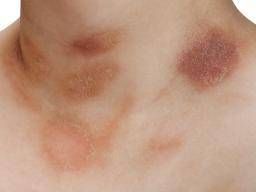
Pityriasis rosea sounds like a rare flower you might accidentally overwater, but it is actually a common skin rash that can appear suddenly, spread dramatically, and thenthankfullyusually leave on its own. For many people, the first clue is one larger oval patch on the chest, back, abdomen, or neck. A week or two later, smaller patches may show up like they received a group invitation. The pattern can look alarming, especially if you have never had a widespread rash before, but pityriasis rosea is generally harmless, temporary, and not considered a dangerous skin condition.
Still, “usually harmless” does not mean “ignore every rash and hope for the best.” Pityriasis rosea can mimic ringworm, eczema, psoriasis, drug reactions, and even certain infections that need medical treatment. That is why understanding the symptoms, diagnosis, and treatment options matters. This guide explains what pityriasis rosea looks like, how doctors identify it, what helps the itching, when to seek medical care, and what real-life recovery often feels like when your skin decides to decorate itself without asking permission.
What is pityriasis rosea?
Pityriasis rosea is an acute, self-limited rash that most often affects the trunk and upper arms or thighs. “Self-limited” is the medical way of saying, “It usually packs its own bags and leaves.” Most cases clear within several weeks, although some can last longer. The condition is seen most often in teens and young adults, but it can affect people of different ages and skin tones.
The exact cause is not fully proven. Many researchers suspect a viral trigger, possibly related to certain human herpesviruses, but pityriasis rosea is not the same as cold sores or genital herpes. It is also not usually treated like a typical contagious infection. In everyday life, people with pityriasis rosea usually do not need to isolate, throw away their towels, or look suspiciously at every doorknob.
Main symptoms of pityriasis rosea
1. The herald patch
The classic first sign is a single larger patch called the herald patch. It is often oval or round, slightly raised, and may have a fine scale around the edge. On lighter skin, it may look pink, salmon, or reddish. On darker skin, it may appear brown, purple, grayish, or darker than the surrounding skin. This first patch commonly appears on the chest, abdomen, back, or neck.
The herald patch is sneaky because it can look like ringworm at first. Many people see a round scaly patch and immediately think, “Great, fungus has entered the chat.” But pityriasis rosea usually behaves differently. Instead of staying as one isolated ring, it is often followed by a broader rash.
2. Smaller oval patches
After several days to two weeks, smaller patches may appear. These spots often spread across the chest, back, abdomen, upper arms, or thighs. On the back, the rash may follow natural skin lines and create a pattern often described as a “Christmas tree” shape. Festive? Technically. Welcome? Absolutely not.
The smaller patches may be dry, scaly, and mildly raised. They can be pink, red, tan, brown, purple, or gray depending on skin tone. In people with brown or Black skin, pityriasis rosea may be more likely to leave temporary dark or light marks after the active rash fades. These pigment changes usually improve over time, but they can linger for weeks or months.
3. Itching
Itching varies from person to person. Some people barely notice it. Others feel like their skin has joined a tiny percussion band. The itch may worsen with heat, sweating, hot showers, tight clothing, or harsh soaps. Scratching can irritate the rash and may increase the risk of broken skin or infection, so itch control is more than a comfort issue.
4. Mild flu-like symptoms
Some people feel slightly unwell before or during the rash. Possible symptoms include fatigue, headache, sore throat, low-grade fever, reduced appetite, or mild body aches. These symptoms are not always present, and when they do occur, they are usually mild.
How long does pityriasis rosea last?
Most cases improve without specific treatment within about 4 to 10 weeks. Some clear faster, while others take up to 12 weeks or occasionally longer. The rash may fade gradually rather than disappearing overnight. One day it looks angry, the next day it looks bored, and eventually it becomes a faint memory with better lighting.
If a rash continues beyond three months, keeps spreading aggressively, becomes painful, blisters, involves the eyes or mouth, or comes with strong systemic symptoms, it is time to get checked. A longer-lasting rash may still be harmless, but doctors may want to reconsider the diagnosis.
Is pityriasis rosea contagious?
Pityriasis rosea is not generally considered contagious in the way ringworm, scabies, or chickenpox can be. You usually do not need to avoid school, work, or normal household contact simply because of pityriasis rosea. That said, because not every rash is pityriasis rosea, it is smart to get medical advice if the rash is unusual, spreading quickly, or affecting other people in the household.
How doctors diagnose pityriasis rosea
Clinical exam
Doctors often diagnose pityriasis rosea by looking at the rash and asking about its timeline. The classic story is: one larger herald patch first, followed by multiple smaller oval scaly patches along the trunk. The distribution, shape, scale, and pattern are important clues.
Medical history
A clinician may ask when the first patch appeared, whether the rash itches, whether you recently had a cold-like illness, whether you started new medications, and whether anyone around you has a similar rash. New medications matter because some drug reactions can look similar to pityriasis rosea.
Tests when needed
Testing is not always necessary. However, if the diagnosis is uncertain, a doctor may use a skin scraping to check for fungal infection such as ringworm. In certain situations, blood tests may be considered to rule out other causes, including syphilis, especially if the rash involves the palms or soles, lacks a typical herald patch, or appears in an unusual pattern. A skin biopsy is rarely needed but may be used when the rash is persistent or confusing.
Conditions that can look like pityriasis rosea
Pityriasis rosea can resemble several other skin problems. This is one reason self-diagnosis from image searches can turn into a midnight anxiety carnival. Similar-looking conditions include:
- Ringworm: A fungal infection that often forms ring-shaped, scaly patches and usually needs antifungal treatment.
- Eczema: Dry, itchy, inflamed skin that may come and go over time.
- Psoriasis: A chronic inflammatory condition that may cause thicker scaly plaques.
- Guttate psoriasis: Small drop-like spots that can appear after infections such as strep throat.
- Secondary syphilis: A sexually transmitted infection that can cause a widespread rash and requires medical treatment.
- Drug eruptions: Rashes triggered by medications or supplements.
- Viral rashes: Skin eruptions related to other viral illnesses.
The takeaway is simple: if the rash does not follow the expected pattern, does not improve, or comes with concerning symptoms, let a healthcare professional take a look.
Treatment for pityriasis rosea
Most cases need comfort care, not aggressive treatment
Because pityriasis rosea usually clears on its own, treatment focuses on reducing itching and irritation. There is no magic overnight eraser, which is rude, but there are practical ways to make the waiting period more comfortable.
Use gentle skin care
Choose fragrance-free cleansers and moisturizers. Avoid scrubbing the rash, exfoliating acids, strong perfumes, and harsh soaps. Your skin is already filing a complaint; do not hand it a megaphone. Apply a bland moisturizer after bathing to reduce dryness and scaling.
Keep showers lukewarm
Hot water can worsen itching. Lukewarm showers are usually better. Keep baths and showers short, pat the skin dry, and moisturize while the skin is still slightly damp. Oatmeal baths may help calm itchy skin for some people.
Try anti-itch products
For mild itching, calamine lotion, colloidal oatmeal, or fragrance-free moisturizers may help. Over-the-counter hydrocortisone cream may reduce localized itch, but it should be used according to label directions and not applied to large areas for long periods without medical guidance.
Ask about antihistamines
Oral antihistamines may help if itching interferes with sleep. Some can cause drowsiness, so follow the label and ask a pharmacist or clinician if you are unsure which option is appropriate.
Prescription treatments
If itching is severe, a clinician may prescribe a stronger topical corticosteroid. In more intense or persistent cases, other treatments may be considered. Some studies have looked at antiviral medication such as acyclovir, especially for severe cases, but this is not necessary for everyone. Light therapy may also be used in select cases, although it can increase the risk of temporary pigment changes, particularly in darker skin tones.
What to avoid during a flare
During pityriasis rosea, avoid anything that makes the rash hotter, sweatier, or more irritated. That may include hot showers, heavy workouts, tight synthetic clothing, scented lotions, rough towels, and aggressive exfoliation. You do not have to live like a porcelain doll, but giving your skin a calmer environment can reduce itch and redness.
When to see a doctor
Make an appointment with a healthcare provider if you are not sure the rash is pityriasis rosea, if it lasts longer than three months, if it becomes painful, if it blisters, if it affects the eyes or mouth, or if you have fever, swollen lymph nodes, or significant fatigue. You should also seek medical advice if the rash involves the palms or soles, appears after starting a new medication, or if you are pregnant.
Pregnancy deserves special mention. Pityriasis rosea during pregnancy, especially early pregnancy, should be discussed with an obstetrician or dermatologist. Most rashes are not emergencies, but pregnancy changes the “let’s just wait and see” equation.
Pityriasis rosea in different skin tones
Many online photos show pityriasis rosea as pink or red patches on lighter skin. That is only part of the picture. On darker skin, the rash may look violet, gray, brown, or darker than the surrounding skin. The scale may be subtle, and the inflammation may not look bright red. After the rash fades, temporary hyperpigmentation or hypopigmentation can remain.
This matters because delayed recognition can happen when medical images and descriptions are not inclusive. If the rash is oval, scaly, widespread on the trunk, and follows skin lines, pityriasis rosea can still be possible even when it does not look “classic” in the textbook sense.
Can pityriasis rosea come back?
Most people have pityriasis rosea once. Recurrence is uncommon, but it can happen. If a similar rash returns repeatedly, a healthcare professional may want to confirm the diagnosis and rule out other causes such as eczema, psoriasis, fungal infection, medication reactions, or immune-related skin conditions.
Practical recovery tips
- Wear loose, breathable clothing.
- Use fragrance-free detergent and skin care products.
- Keep showers short and lukewarm.
- Moisturize daily.
- Avoid scratching whenever possible.
- Use cold compresses for itchy areas.
- Check with a clinician before using strong creams or multiple treatments at once.
Real-life experiences and practical lessons from pityriasis rosea
One of the most frustrating parts of pityriasis rosea is not always the rash itself. It is the uncertainty. Many people first notice a single oval patch and assume it is dry skin, a bug bite, ringworm, or a mysterious souvenir from the laundry basket. Then more spots appear. Suddenly, what looked like one small problem becomes a full-body skin puzzle, and the internet becomes both tempting and terrifying.
A common experience is the “ringworm panic.” Because the herald patch can be round and scaly, people often try antifungal creams before they know what is happening. Sometimes that is reasonable if a clinician suspects fungus, but pityriasis rosea will not always respond to antifungal treatment because it is not a fungal infection. When the smaller patches appear across the trunk, the pattern often becomes clearer.
Another common experience is itch that changes from day to day. Some people report very little discomfort, while others feel itchy after showers, workouts, or warm weather. Sweat can be a major trigger. A person may feel fine in the morning, take a hot shower, put on tight clothing, rush through a busy day, and then wonder why the rash seems louder by evening. The skin is not being dramatic for fun; heat and friction can genuinely intensify irritation.
People with pityriasis rosea also often worry about appearance. A rash on the chest, neck, arms, or back can make someone feel self-conscious at school, work, the gym, or social events. The good news is that the condition usually fades. The less glamorous news is that fading can be slow. Some spots flatten first, then turn duller, then leave temporary discoloration. This can feel like the rash has overstayed its welcome, eaten your snacks, and asked for the Wi-Fi password.
Helpful real-world strategies are usually simple. Switch to gentle soap. Skip scented lotion. Wear soft cotton or breathable fabrics. Take lukewarm showers. Moisturize. Use anti-itch products when needed. Avoid turning the bathroom into a steam room. If you exercise, shower afterward and change out of sweaty clothes quickly. These steps do not “cure” pityriasis rosea overnight, but they can make the recovery period much easier.
The biggest lesson is to balance patience with common sense. Pityriasis rosea is often harmless and temporary, but not every widespread rash should be casually labeled and ignored. If the pattern is unusual, symptoms are severe, the rash affects sensitive areas, or it lasts longer than expected, professional evaluation is worth it. Skin has a limited vocabulary: red, itchy, scaly, bumpy, angry. A dermatologist can translate.
Conclusion
Pityriasis rosea is a common, usually temporary rash that often begins with a herald patch and later spreads into smaller oval, scaly patches on the trunk and nearby areas. It may itch, it may look dramatic, and it may test your patience, but it typically clears without serious complications. Diagnosis is usually based on appearance and history, while treatment focuses on comfort: gentle skin care, itch relief, avoiding heat and irritation, and getting medical support when symptoms are severe or unusual.
The most important thing is not to panicand not to assume. If your rash fits the classic pattern and you feel well, it may simply need time and gentle care. If the rash is persistent, painful, widespread in an unusual way, affects the palms or soles, appears during pregnancy, or comes with other symptoms, a healthcare provider can help confirm what is going on. In other words: let your skin be weird, but do not let it be mysterious forever.