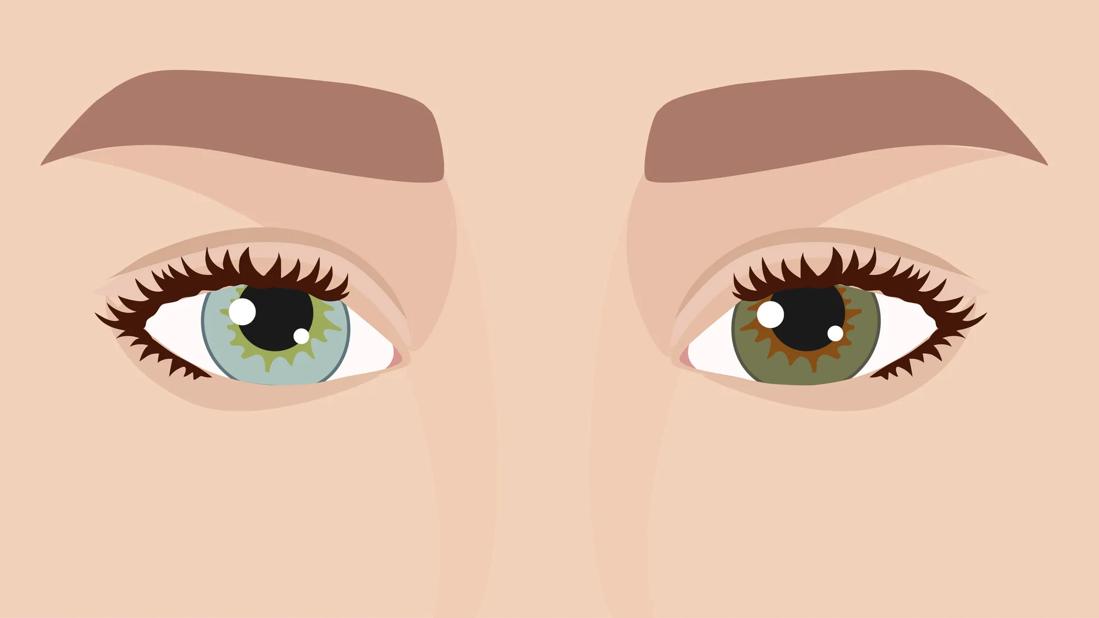
Changing your eye color may sound like the ultimate beauty shortcut: no makeup, no filter, no ring light required. Just wake up with a brand-new shade and let your selfies do the rest. The problem is that your iris is not a pair of sneakers. It is part of a delicate, highly engineered organ that does not appreciate being “upgraded” for cosmetic reasons.
That is why eye color change surgery has become one of the most controversial trends in cosmetic eye care. While the promise is simple, the reality can be anything but. Procedures marketed to lighten brown eyes, implant a new iris color, or tattoo the front of the eye may carry risks that go far beyond temporary discomfort. We are talking about glaucoma, corneal damage, chronic inflammation, cataracts, infection, and in some cases, permanent vision loss.
If that escalated quickly, good. It should. This is one of those topics where the fine print matters more than the before-and-after photos. Here is what eye color change surgery really involves, why so many eye specialists warn against it, and when a desire for a cosmetic change can turn into a very real medical emergency.
What Is Eye Color Change Surgery?
The phrase eye color change surgery sounds like one procedure, but it usually refers to a few different techniques. They all aim to alter how the eye looks, but they do it in very different ways. Unfortunately, “different” does not automatically mean “safe.”
1. Cosmetic Iris Implant Surgery
This is the procedure that tends to make ophthalmologists collectively clutch their slit lamps. A silicone artificial iris is placed inside the eye, over the natural iris, to create a new visible color. In medical settings, artificial iris devices can be used for people with a damaged, missing, or malformed iris after trauma or congenital conditions. That is very different from putting an implant into an otherwise healthy eye for cosmetic purposes.
Why is this such a big deal? Because the front part of the eye is a tight, highly sensitive space. Adding a foreign device can irritate nearby structures, block normal fluid drainage, rub against the iris, and damage the cornea. In plain English: your eye has very little patience for decorative interior remodeling.
2. Laser Eye Color Change
Laser eye color change procedures are usually marketed as a way to lighten brown eyes. The theory is that a laser breaks up pigment in the iris so the eyes appear lighter over time. Sounds sleek, modern, and suspiciously like something a sci-fi villain would offer at a discount.
The concern is that released pigment may interfere with the eye’s drainage system. If fluid cannot drain properly, pressure can build up. That pressure can damage the optic nerve and lead to glaucoma, which is not the sort of glow-up anyone wants.
3. Keratopigmentation or Corneal Tattooing
Keratopigmentation changes the appearance of eye color by placing pigment into the cornea, the clear front surface of the eye. Instead of actually changing the iris, it changes what people see when they look at your eye. The result may appear dramatic, but the method can come with serious trade-offs.
Potential problems include corneal injury, scarring, dye reactions, inflammation, infection, visual distortion, and long-term difficulty for eye doctors trying to examine the structures behind the cornea. That last point matters more than it sounds. If the front of the eye becomes harder to evaluate, future diagnosis and treatment can also become harder.
Why Eye Specialists Are So Concerned
When ophthalmologists warn the public about a trend, it is usually not because they are trying to ruin anyone’s fun. It is because they have seen what can happen when a procedure goes sideways. And with cosmetic eye color surgery, the list of possible complications is not short, subtle, or cute.
One major reason for concern is that there is a huge difference between a medically necessary artificial iris and a purely cosmetic eye color procedure. A patient born without a functional iris or someone whose iris was damaged by trauma may benefit from reconstructive surgery because the goal is to restore function, reduce glare, and improve quality of life. Even then, real surgical risks still exist.
By contrast, elective cosmetic eye color procedures are performed on eyes that may otherwise be healthy. That changes the risk-benefit equation dramatically. If you start with healthy vision, any elective procedure that can leave you with worse vision has to clear a very high bar. Many eye specialists do not believe cosmetic eye color surgery clears that bar at all.
The Biggest Dangers of Eye Color Change Surgery
Glaucoma and Dangerous Pressure Buildup
This is one of the most serious risks. The eye constantly produces fluid, and that fluid has to drain properly to keep pressure at a safe level. Cosmetic iris implants can crowd the angle where drainage happens. Laser procedures may release pigment that clogs the drainage pathway. When the pressure rises, the optic nerve can be damaged.
The scary part is that glaucoma may not announce itself with fireworks. Some people notice pain, blurred vision, halos, headache, nausea, or redness. Others may have little warning until vision loss has already begun. Once the optic nerve is damaged, that loss is often permanent.
Corneal Damage and Scarring
Your cornea is clear for a reason. It is the window that light passes through to reach the retina. If an implant rubs against it or if pigment procedures injure it, the cornea can swell, scar, or become cloudy. This is sometimes called corneal decompensation, and it can seriously reduce vision.
In severe cases, the damage is bad enough that the patient may later need a corneal transplant. Imagine seeking a new eye color and ending up needing donor tissue just to try to see properly again. That is not a cosmetic inconvenience. That is a life-changing complication.
Inflammation, Uveitis, and Chronic Irritation
The eye does not love being poked, sliced, tattooed, or fitted with a foreign device. Persistent inflammation is a common thread in warnings about these procedures. Chronic irritation can mean pain, redness, light sensitivity, tearing, and blurred vision. It can also trigger a cascade of other issues, including pressure problems and tissue damage.
Some people may hear “inflammation” and think of mild swelling after a facial. This is not that. Inflammation inside the eye can threaten vision and require ongoing treatment. Even after the cosmetic device is removed, the eye may not go back to business as usual.
Infection
Any surgery on the eye carries an infection risk. With cosmetic eye color procedures, that risk may include bacterial or fungal infection. Infections can scar the cornea, cloud vision, and, in severe cases, lead to blindness. Because the eye is such a specialized organ, even a small infection can turn into a very big problem.
This is one reason bargain surgery and medical tourism raise extra concern. Post-op follow-up matters. If complications begin after a patient has already traveled home, access to the original surgeon may be limited, and local doctors may be left trying to manage the damage.
Cataracts and Repeat Surgeries
Complications do not always arrive one at a time. Cosmetic iris implants, in particular, have been associated with cataracts, bleeding, recurrent inflammation, and damage that later requires additional surgery. Some patients end up needing the implant removed, followed by separate procedures for cataracts, glaucoma, iris repair, or corneal transplantation.
In other words, the first surgery may not be the end of the story. It can be the opening chapter in a long, expensive, stressful sequel nobody asked for.
Unpredictable Results and Regret
Even when a person avoids the worst complications, the cosmetic result may not match what was promised. Laser procedures may produce an eye color that is uneven, lighter than expected, or simply not attractive in person. Keratopigmentation may change tone over time, look artificial, or create visual symptoms that make the appearance feel irrelevant.
This is the awkward truth about cosmetic eye surgery: once your vision is compromised, the question of whether the color looks nice becomes very unimportant, very fast.
Medical Artificial Iris Surgery Is Not the Same Thing
This point deserves its own spotlight. Some people hear that the FDA has approved an artificial iris and assume that means cosmetic eye color surgery is generally accepted. Not so fast.
FDA-approved artificial iris devices are intended for people with iris defects, such as congenital aniridia or injury-related damage. These surgeries are reconstructive, not elective style upgrades. They are performed because the patient may have significant symptoms like glare, light sensitivity, visual dysfunction, or a visibly damaged iris.
Even in those medically appropriate cases, the surgery still carries risks, including infection, inflammation, increased eye pressure, and the possibility of worsened visual symptoms. So if a medically indicated procedure already requires careful screening and counseling, using similar technology for purely cosmetic reasons should not be treated like a casual beauty service.
Red Flags to Watch For Before Saying Yes
If you are researching eye color surgery and see any of the following, take it as a flashing neon caution sign:
- Claims that the procedure is “perfectly safe” or “risk-free”
- Glossy marketing that focuses on beauty but barely discusses complications
- Promises of a guaranteed final shade
- Vague information about long-term follow-up
- Pressure to travel quickly or book surgery abroad with little consultation
- No clear explanation of how complications would be managed if you return home
- Before-and-after photos doing all the talking while the consent form does all the whispering
Healthy skepticism is not negativity. It is eye protection.
Are There Safer Ways to Change Eye Color?
If your goal is cosmetic and temporary, prescription colored contact lenses are the far safer option. They can create dramatic or subtle changes without surgically altering the structures of the eye. The key phrase here is prescription. Novelty contacts bought from sketchy corners of the internet can scratch the cornea, fit poorly, and cause infection.
If you want to try a different eye color, the smart route is to see an eye doctor, get properly fitted, and use lenses exactly as directed. It is less dramatic than a permanent procedure, sure. But “less dramatic” is an excellent trait in eye care.
When to See a Doctor Immediately
If someone has already had eye color change surgery, urgent symptoms should never be brushed off. Seek prompt medical attention for:
- Eye pain
- Sudden blurred or decreased vision
- Redness that is worsening instead of improving
- Extreme light sensitivity
- Headache, nausea, or vomiting with eye symptoms
- Halos around lights
- Floaters, flashes, or a curtain-like shadow in vision
- Any sign that “something just feels very wrong” after surgery
With eye complications, hoping it will settle down on its own is not a strategy. It is a gamble.
The Bottom Line
The idea behind eye color change surgery is easy to understand. Eyes are one of the most noticeable features on the face, and changing their color sounds like a shortcut to reinvention. But the eye is not a blank canvas. It is an organ with microscopic structures that must stay clear, balanced, and functional for you to see. Once those structures are damaged, no amount of aesthetic satisfaction can make that a fair trade.
The strongest message from eye experts is remarkably consistent: cosmetic procedures to permanently change eye color can put vision at risk, and the danger is not theoretical. Complications have included glaucoma, corneal damage, uveitis, cataracts, infection, repeat surgeries, and lasting visual loss. For most people, that is a very high price to pay for a different shade in the mirror.
If you are tempted by the trend, pause before treating your iris like a paint sample. Temporary colored contacts fitted by an eye professional can satisfy the curiosity without inviting the same level of risk. Your future self, and quite possibly your optic nerve, will appreciate the restraint.
Experiences Related to the Topic: What This Journey Can Feel Like in Real Life
One of the most striking things about eye color change surgery is how ordinary the motivation can sound at first. A person may say they have wanted lighter eyes since childhood, or that social media videos made the procedure look quick, glamorous, and almost routine. They may spend weeks looking at transformation photos, reading promotional copy, and imagining the confidence boost that comes with a dramatic cosmetic change. In that stage, the procedure can feel less like surgery and more like self-expression.
Then comes the consultation phase, where the experience often splits in two. In a careful medical setting, a patient may hear a long list of risks and leave feeling unsettled. In a heavily marketed cosmetic setting, the same patient may be reassured that everything is advanced, refined, customized, and safe in the “right hands.” That difference in tone matters. Many people who later regret the procedure describe being emotionally sold on the result long before they fully understood the downside.
After surgery, the lived experience may quickly stop feeling cosmetic. Instead of admiring a new eye color, a patient may be focused on pain, redness, blurred vision, watering, or intense light sensitivity. Some describe constant awareness of the eye, as if something never feels normal again. Others end up in a cycle of follow-up appointments, pressure checks, steroid drops, extra medications, and mounting anxiety each time vision seems a little worse.
For people who develop complications, the emotional toll can be as heavy as the physical one. There may be regret, embarrassment, and fear about having chosen an elective procedure that affected something as precious as sight. It is one thing to be unhappy with a haircut. It is another to worry that you may need implant removal, glaucoma treatment, cataract surgery, or even a corneal transplant because of a cosmetic decision you thought would be simple.
There is also the day-to-day frustration. Reading can become harder. Night driving may feel unsafe. Bright sunlight can become miserable. Work screens may bother the eyes. Social situations may get weird in an unexpected way: instead of receiving compliments, a person may spend their energy hiding discomfort or explaining why they are suddenly seeing specialists all the time. The cosmetic “upgrade” becomes background noise while the practical burden takes center stage.
On the other hand, people who step back from surgery after learning the risks often describe a different kind of experience: relief. Temporary colored contacts, better styling, and even simple acceptance of natural eye color can start to feel a lot more appealing when compared with the possibility of permanent damage. That may not sound dramatic, but in eye health, boring is underrated. Sometimes the best experience is the one where your vision stays clear, your cornea stays healthy, and the only thing changing in the mirror is your opinion about what was worth risking in the first place.