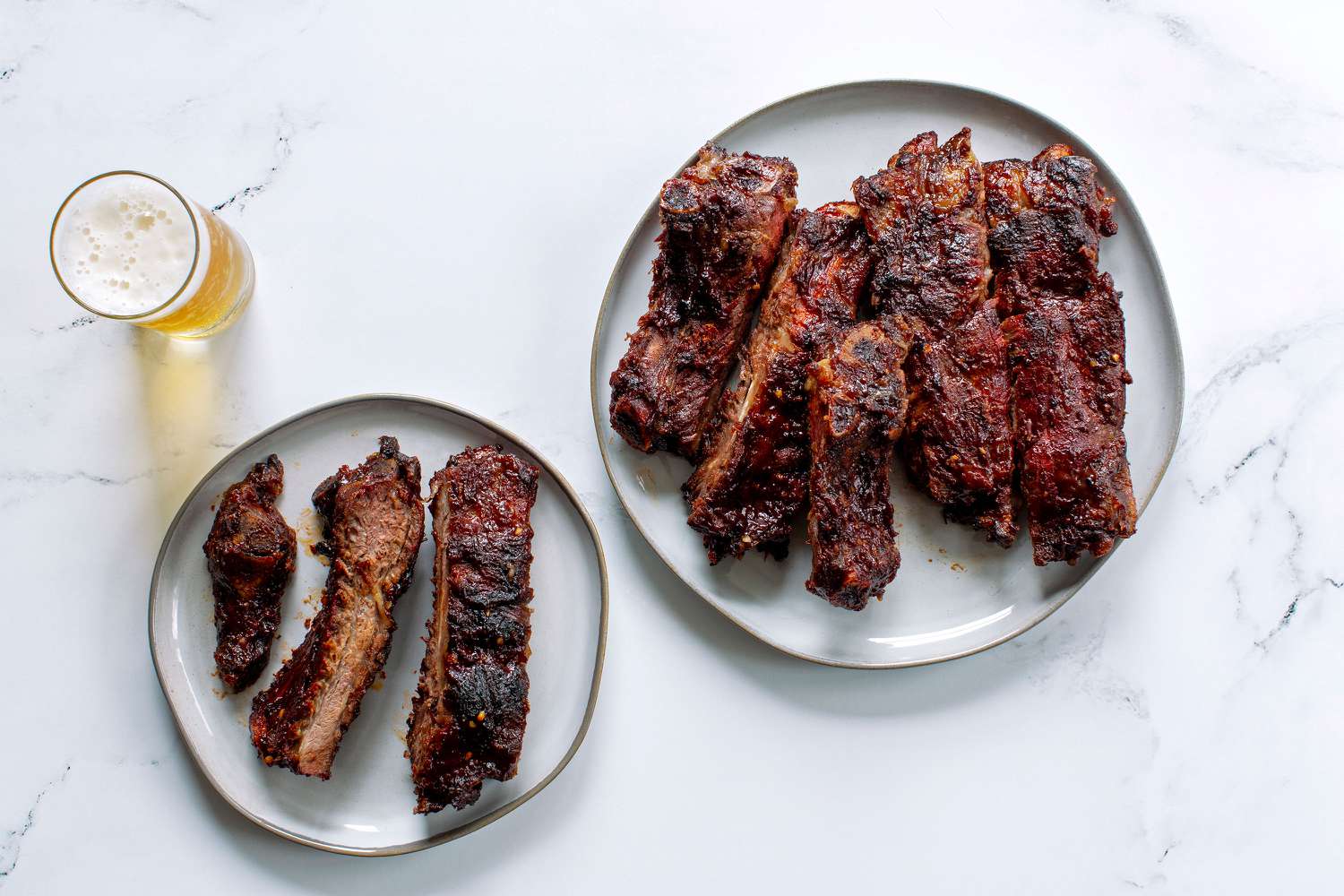
Some recipes whisper. This one walks into the room wearing barbecue sauce like cologne and says, “Oh yeah.” These sticky beef ribs are rich, glossy, tender, sweet, smoky, savory, and just dramatic enough to make dinner feel like an event. They are the kind of ribs that require napkins, happy silence, and at least one person at the table saying, “Wait, did you make extra?”
This Oh Yeah Sticky Beef Ribs Recipe is built for home cooks who want deep barbecue flavor without needing a competition smoker, a backyard pit, or a secret handshake from a rib master. The method uses low-and-slow oven cooking to tenderize the beef, followed by a bold sticky glaze that caramelizes into a shiny, finger-licking finish. You can also finish the ribs on the grill if you want a little outdoor smoke and a reason to stand proudly near fire.
The beauty of beef ribs is that they reward patience. Cook them too fast and they act like leather with opinions. Cook them gently, season them well, glaze them at the right time, and they become juicy, beefy, and almost embarrassingly good. This recipe focuses on balance: brown sugar and honey for stickiness, apple cider vinegar for brightness, soy sauce and Worcestershire sauce for umami, garlic and smoked paprika for backbone, and a little heat because ribs should have a personality.
What Makes These Sticky Beef Ribs So Good?
Great sticky beef ribs come down to three things: the cut, the slow cook, and the glaze. Beef ribs have strong flavor because they come from hardworking, well-marbled areas of the animal. That means they need time for connective tissue to soften and fat to render. The goal is not just “cooked.” The goal is tender, juicy, and saucy enough to make forks feel unnecessary.
The sticky glaze is added near the end because sugary sauces can burn if they spend too long under high heat. This is one of the golden rules of barbecue-style cooking: season early, sauce late. The ribs first become tender under foil, then get brushed with sauce and returned to heat until the glaze turns glossy and slightly tacky. That tacky finish is the whole point. It should cling to the ribs like it has emotional attachment issues.
Best Cut of Beef Ribs for This Recipe
Beef Back Ribs
Beef back ribs are often what remains after ribeye steaks or roasts are cut away from the bones. They have fantastic flavor, though the meat can be mostly between the bones rather than piled on top. They work beautifully for this recipe because the long cook helps them become tender while the glaze gives them a bold, barbecue-style finish.
Beef Short Ribs
Beef short ribs are meatier, richer, and often more luxurious. English-cut short ribs are thick and ideal for braising or oven roasting. Flanken-style short ribs are cut thin across the bone and cook faster, but this recipe is designed for larger beef back ribs or English-cut beef short ribs. If using very thick short ribs, expect a longer cooking time.
What to Ask the Butcher
Ask for meaty beef back ribs or English-cut beef short ribs with good marbling. Avoid ribs that look like the butcher already invited the ribeye steak to leave with all the meat. A little fat is good; huge hard chunks of surface fat can be trimmed.
Oh Yeah Sticky Beef Ribs Recipe Overview
- Prep time: 20 minutes
- Cook time: 3 to 4 hours
- Total time: About 4 hours
- Servings: 4 to 6
- Cooking method: Oven-baked with optional grill finish
- Flavor profile: Sweet, smoky, tangy, savory, sticky
Ingredients
For the Beef Ribs
- 4 to 5 pounds beef back ribs or English-cut beef short ribs
- 2 tablespoons olive oil
- 2 teaspoons kosher salt
- 1 tablespoon smoked paprika
- 2 teaspoons garlic powder
- 2 teaspoons onion powder
- 1 teaspoon black pepper
- 1 teaspoon chili powder
- 1 teaspoon ground mustard
- 1/2 teaspoon cayenne pepper, optional
- 1 cup low-sodium beef broth
For the Sticky Glaze
- 1 cup ketchup
- 1/3 cup brown sugar
- 1/4 cup honey
- 1/4 cup apple cider vinegar
- 3 tablespoons soy sauce
- 2 tablespoons Worcestershire sauce
- 2 tablespoons molasses
- 1 tablespoon Dijon mustard
- 3 cloves garlic, minced
- 1 teaspoon smoked paprika
- 1/2 teaspoon crushed red pepper flakes, optional
Equipment You’ll Need
- Large rimmed baking sheet or roasting pan
- Aluminum foil
- Small saucepan
- Basting brush
- Instant-read thermometer
- Tongs
- Optional: grill for finishing
How to Make Oh Yeah Sticky Beef Ribs
Step 1: Prep the Ribs
Pat the beef ribs dry with paper towels. Moisture is the enemy of good browning, and these ribs deserve a strong start. If there is a tough membrane on the bone side, loosen it with a butter knife and pull it off with a paper towel for grip. Do not stress if it does not come off perfectly. This is dinner, not a surgical residency.
Step 2: Season Like You Mean It
Rub the ribs with olive oil. In a small bowl, mix kosher salt, smoked paprika, garlic powder, onion powder, black pepper, chili powder, ground mustard, and cayenne if using. Coat the ribs all over with the spice blend, pressing it into the meat so it sticks. For deeper flavor, season the ribs up to 24 hours ahead and refrigerate them uncovered or loosely covered.
Step 3: Start Low and Slow
Preheat the oven to 300°F. Place the ribs meat-side up in a roasting pan. Pour beef broth into the bottom of the pan, not directly over the ribs, so the seasoning stays in place. Cover tightly with foil. Bake for 2 1/2 to 3 hours, depending on the thickness of the ribs. The meat should be tender and starting to pull back from the bones.
For food safety, whole cuts of beef should reach a safe internal temperature, but beef ribs usually need to cook well beyond the minimum to become tender. Many rib cooks look for tenderness rather than temperature alone: a probe or skewer should slide into the meat with little resistance. Think softened butter, not gym equipment.
Step 4: Make the Sticky Glaze
While the ribs cook, combine ketchup, brown sugar, honey, apple cider vinegar, soy sauce, Worcestershire sauce, molasses, Dijon mustard, minced garlic, smoked paprika, and red pepper flakes in a saucepan. Bring to a gentle simmer over medium heat. Cook for 10 to 15 minutes, stirring often, until the sauce thickens slightly and looks glossy.
The glaze should taste sweet, tangy, salty, and bold. If it tastes too sweet, add a splash more vinegar. If it tastes too sharp, add a spoonful of honey. If it tastes flat, add a pinch of salt or a few drops of Worcestershire sauce. Sauce is not a statue; you are allowed to adjust it.
Step 5: Glaze and Caramelize
Remove the ribs from the oven and carefully uncover the pan. Increase the oven temperature to 425°F. Brush the ribs generously with sticky glaze. Return them to the oven, uncovered, for 10 minutes. Brush again and bake for another 8 to 10 minutes, until the sauce is lacquered and bubbling at the edges.
For an extra sticky finish, turn on the broiler for 1 to 3 minutes at the very end. Watch closely. This is not the time to check your messages, reorganize your fridge, or have a philosophical crisis. Sugar can go from caramelized to scorched quickly.
Step 6: Rest, Slice, and Serve
Let the ribs rest for 10 minutes before slicing. This helps the juices settle and gives the glaze a chance to cling. Slice between the bones and serve with extra warm sauce on the side. Prepare for happy chaos.
Optional Grill Finish
If you want smoky flavor, cook the ribs in the oven until tender, then finish them on a medium grill. Brush with glaze and grill for 2 to 3 minutes per side, turning and basting until sticky. Keep the ribs away from roaring flames because the sugar in the sauce can burn. You want charred edges, not barbecue-flavored regret.
Flavor Variations
Spicy Sticky Beef Ribs
Add 1 tablespoon of hot sauce or 1 teaspoon of gochujang to the glaze. This gives the ribs a warmer, deeper heat without turning dinner into a dare.
Asian-Inspired Sticky Beef Ribs
Add 1 tablespoon grated ginger, 1 teaspoon sesame oil, and an extra tablespoon of soy sauce to the glaze. Finish with sliced green onions and toasted sesame seeds.
Smoky Backyard BBQ Ribs
Add 1 teaspoon chipotle powder to the dry rub and use a smoky barbecue sauce in place of half the ketchup. This variation tastes like it spent all day near a smoker, even if your oven did most of the heavy lifting.
What to Serve With Sticky Beef Ribs
Sticky beef ribs are rich, so the best side dishes bring freshness, crunch, or creaminess. Classic coleslaw is a perfect partner because the vinegar and cabbage cut through the fat. Potato salad, baked beans, cornbread, grilled corn, pickles, roasted sweet potatoes, and mac and cheese are all welcome at the party.
If you want a lighter plate, serve the ribs with cucumber salad, crisp green salad, or roasted vegetables. For a comfort-food dinner, pile them beside mashed potatoes and spoon extra glaze over the top. Nobody will complain. If they do, check whether they are secretly a salad fork in disguise.
Tips for Perfect Sticky Beef Ribs
Do Not Rush the Tender Stage
Beef ribs need time. If they are tough after 2 1/2 hours, keep cooking. Tough ribs are usually undercooked, not overcooked. The connective tissue needs enough time to soften.
Keep the Foil Tight
A tight foil cover traps steam and helps the ribs cook gently. If too much liquid evaporates, the ribs can dry out before they become tender.
Glaze Late
Sugary sauce should go on near the end. Early glazing may sound tempting, but it can burn before the meat is ready. Let the rub build flavor first, then bring in the sticky sauce for the grand finale.
Use a Thermometer, But Trust Texture Too
A thermometer helps with food safety, but tenderness is the real test for ribs. The meat should pull back from the bone and feel soft when pierced. If the ribs are safe but still chewy, they need more time.
How to Store and Reheat Leftovers
Cool leftover ribs and refrigerate them in an airtight container within two hours of serving. Store for 3 to 4 days. Reheat gently in a covered baking dish at 300°F with a splash of broth or water until hot. Brush with extra glaze during the last few minutes to revive that sticky shine.
You can also freeze cooked beef ribs. Wrap them tightly, place them in a freezer-safe bag or container, and freeze for up to 2 to 3 months for best quality. Thaw overnight in the refrigerator before reheating.
Common Mistakes to Avoid
Using Thin Ribs Without Adjusting Time
Thin flanken-style ribs cook much faster than big beef back ribs or English-cut short ribs. If you use thin ribs, this low-and-slow method may overcook them. Choose meaty ribs for best results.
Skipping the Rest
Resting may feel unnecessary when the kitchen smells like a barbecue festival, but it matters. Give the ribs at least 10 minutes so the juices stay in the meat instead of running across the cutting board like they have somewhere better to be.
Burning the Glaze
Sticky sauce is beautiful because of sugar, but sugar burns easily. Use high heat briefly, watch closely, and pull the ribs when the glaze is shiny, bubbling, and slightly darkened.
Why This Recipe Works
This recipe combines techniques used in classic barbecue, braising, and oven-roasting. The dry rub seasons the surface and creates a savory base. The covered low-temperature bake tenderizes the beef while keeping moisture in the pan. The final uncovered glaze stage thickens the sauce and creates the sticky texture that makes these ribs unforgettable.
The glaze works because it has balance. Brown sugar, honey, and molasses bring sweetness and body. Apple cider vinegar keeps the sauce from tasting heavy. Soy sauce and Worcestershire sauce add savory depth. Garlic, mustard, smoked paprika, and chili build complexity. The result is not just sweet ribs. It is sticky beef ribs with layers.
Experience Notes: What I’ve Learned Making Sticky Beef Ribs
The first thing experience teaches you about sticky beef ribs is humility. You can have the perfect spice rub, the perfect playlist, and the confidence of someone who has watched three barbecue videos in a row, but the ribs still run the schedule. Beef ribs do not care about your dinner timeline. They become tender when they become tender. Once you accept that, the whole process gets easier and a lot more enjoyable.
One of the best practical lessons is to check tenderness earlier than you think, then keep checking without panicking. Some racks are ready around the three-hour mark; others need more time. The thickness of the meat, the amount of fat, the exact cut, and even how tightly the pan is covered can change the cooking time. I like to use a skewer or thermometer probe and slide it between the bones. If it pushes back, the ribs are not ready. If it glides in smoothly, you are close to rib happiness.
Another experience-based tip: make more glaze than you think you need. Sticky beef ribs have a funny way of making sauce disappear. Some goes on the ribs, some gets caramelized in the pan, some is served on the side, and some mysteriously vanishes when people walk through the kitchen holding “just a small spoon.” Extra glaze is also useful for leftovers. A dry leftover rib can be forgiven when reheated gently with a little broth and brushed with warm sauce.
I have also learned that side dishes matter more than people admit. These ribs are rich, bold, and sticky, so they love contrast. A crunchy slaw with vinegar dressing can make the whole plate taste brighter. Pickles are excellent because acidity cuts through the fat. Cornbread is dangerous because it encourages extra sauce wiping, which encourages extra eating, which encourages sitting very still afterward and making satisfied noises.
If you are cooking for guests, the best move is to finish the tender stage before they arrive. Keep the ribs warm, then glaze and caramelize them right before serving. That final glossy finish makes the kitchen smell amazing and gives the ribs a fresh-from-the-oven look. It also makes you appear wildly organized, even if twenty minutes earlier you were searching for the basting brush like it had joined witness protection.
The biggest “oh yeah” moment happens when the sauce tightens around the ribs. It should not be watery, and it should not be burned. It should look shiny and clingy, with darker edges and little bubbles. That is when you know the ribs are ready. Let them rest, slice them cleanly, and serve them with confidence. Sticky beef ribs are messy food, but they are also generous food. They turn a normal dinner into something people remember.
Final Thoughts
This Oh Yeah Sticky Beef Ribs Recipe is everything a great rib dinner should be: tender, glossy, flavorful, and just messy enough to feel honest. It does not require fancy equipment or professional barbecue skills. It only asks for good ribs, a balanced rub, a sticky homemade glaze, and enough patience to let low heat do its magic.
Whether you serve these ribs for a weekend dinner, game day, backyard cookout, holiday meal, or “I simply deserve ribs” night, they deliver big flavor with a reliable method. Keep the sauce late, the heat steady, and the napkins close. One bite and, yes, the name makes perfect sense: oh yeah.