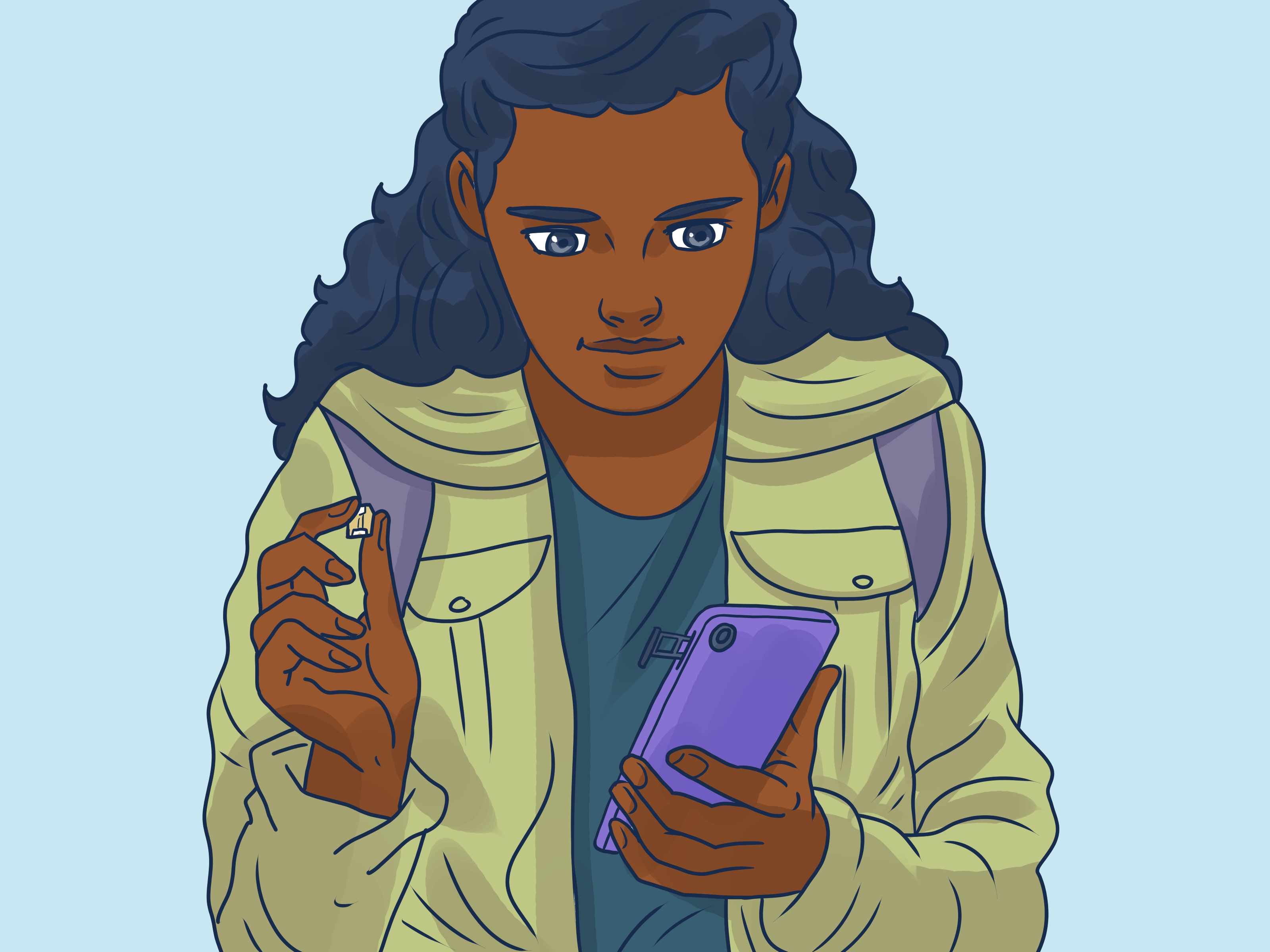
Important safety note: This article is not a guide to disappearing, hiding from responsible adults, sleeping on the street, or avoiding authorities. Instead, it explains three safer ways a teenager can leave a dangerous situation, find temporary space, or reach qualified support without becoming isolated and vulnerable.
When home feels unbearable, running away can seem like the emergency exit in a building full of smoke. You may imagine that once you are outside, everything will suddenly become quieter. Unfortunately, leaving without a safe destination often replaces one crisis with several new onessuch as hunger, unsafe transportation, exploitation, interrupted schooling, and nowhere secure to sleep.
That does not mean you should remain somewhere you are being abused, threatened, neglected, or placed in immediate danger. It means the goal should be to get to safety, not simply to get away.
The three options below focus on trusted adults, recognized youth services, emergency assistance, and a practical safety plan. They are less cinematic than boarding a mystery bus at midnight, but real life rarely provides background music or a conveniently unlocked beach house.
Why Running Away from Home Can Become Dangerous Quickly
A teen who leaves home may have limited money, transportation, identification, medication, or access to secure housing. Depending on strangers, sleeping outside, or moving from couch to couch can expose a young person to violence, coercion, theft, trafficking, substance use, and serious health problems.
Research summarized by the Centers for Disease Control and Prevention connects unstable housing among high school students with higher risks involving physical health, mental health, violence, sexual health, and suicide. Federal youth programs also recognize that young people living on the street may be especially vulnerable to sexual exploitation and trafficking.
This is why a safe departure should involve at least one trustworthy adult or youth-serving organization that knows where you are. Someone offering a place to stay should not demand secrecy, money, sexual contact, illegal work, photographs, passwords, or “favors.” Anyone who says, “Do not tell anybody you are here,” is waving a red flag large enough to cover a football field.
First Decide: Is This Conflict, Crisis, or Immediate Danger?
Before choosing what to do, try to identify the type of situation you are facing.
Ordinary but intense conflict
This may include arguments about grades, dating, household rules, screen time, clothing, chores, or curfews. These conflicts can feel overwhelming, especially when everyone is angry, but they may be addressed through temporary space, mediation, counseling, or help from another relative.
A serious family crisis
This may involve being kicked out, repeated verbal intimidation, a caregiver’s substance misuse, severe neglect, an unsafe adult in the household, rejection related to identity, or a breakdown in communication that makes staying at home unstable.
Immediate danger
This includes physical or sexual abuse, threats involving weapons, serious injury, being locked out without shelter, stalking, forced labor, trafficking, or believing that you may hurt yourself or someone else. Immediate danger calls for emergency helpnot a secret solo trip.
Way 1: Leave the Argument, Not Your Safety Network
If the situation is not immediately dangerous, the safest first option is often arranging a short stay with a responsible adult whom you already know. This might be a grandparent, aunt, uncle, adult sibling, family friend, coach, teacher, school counselor, neighbor, or the parent of a close friend.
The adult should understand the situation, communicate with the appropriate people, and help develop a plan. The purpose is not to help you disappear. It is to create a cooling-off period while keeping you housed, fed, reachable, and connected to school.
Choose an adult who acts like an adult
A safe adult does not encourage impulsive decisions just because they enjoy family drama. They listen, ask sensible questions, and care about your long-term well-being. They should be willing to contact a counselor, youth service, guardian, social worker, or other professional when appropriate.
You might begin the conversation by saying:
“Things at home have become too intense, and I do not feel able to handle another night of arguing. I am not trying to disappear. Can you help me figure out a safe temporary arrangement and talk with the adults involved?”
If talking feels difficult, write the important facts in a message. Explain what happened, whether you are currently safe, where you are, and what help you need. Avoid posting your location publicly on social media. A private conversation with a verified adult is very different from announcing to the entire internet that you are alone and looking for somewhere to stay.
Build a temporary plan
A responsible short-term arrangement should answer several questions:
- Where will you sleep safely?
- Which responsible adults know where you are?
- How will you attend school and keep appointments?
- How will you obtain necessary medication?
- When will the family situation be reviewed?
- Will a counselor or mediator be involved?
A written plan can prevent a one-night break from turning into weeks of uncertainty. SAMHSA and the 988 Suicide & Crisis Lifeline encourage safety planning that identifies warning signs, coping strategies, supportive people, and professional resources.
When this option is not appropriate
Do not rely on family mediation when contacting the family could immediately expose you to violence or retaliation. In an abuse situation, tell the trusted adult clearly that you are afraid of being harmed. Ask the adult to contact emergency services, child protection, a child-abuse counselor, or a recognized youth crisis program.
Way 2: Use an Official Youth Crisis or Shelter Program
If there is no safe relative or trusted adult available, contact an established youth service rather than staying with a stranger or sleeping in a public place.
In the United States, the National Runaway Safeline offers free, confidential crisis support through telephone, text, chat, and email. Its trained staff can listen, discuss options, and connect young people with local resources. The service is available through 1-800-RUNAWAY (1-800-786-2929).
National Safe Place also connects young people in crisis with youth shelters and participating community locations. A teen in the United States can text SAFE and a current location to 4HELP (44357) to receive information about a nearby Safe Place or youth-serving organization. The service also offers access to a trained professional by text.
What a youth shelter may provide
Federally supported Basic Center Programs serve eligible young people with emergency shelter, clothing, food, counseling, health-care referrals, and other crisis services. These programs can provide short-term shelter while staff assess whether safe family reunification, another approved placement, or further support is appropriate.
Services vary by location, age, legal circumstances, and available space. Calling first is usually better than wandering from building to building like the world’s least enjoyable scavenger hunt. A crisis counselor can explain where to go and what to expect.
How to verify that a service is legitimate
Use an official youth hotline, government directory, school counselor, hospital social worker, law-enforcement agency, or established nonprofit to locate shelter. A real youth program should be able to explain its organization, intake process, rules, staff roles, and confidentiality practices.
Be cautious when an individual contacts you privately through social media and promises free housing. Do not accept transportation from an unknown person. Do not send intimate images, disclose financial passwords, or agree to work in exchange for shelter. If someone pressures you, threatens you, or tries to prevent you from contacting others, move toward a staffed public location and request emergency help.
What to tell a crisis counselor
You do not need to deliver a flawless speech. Begin with the essential information:
“I am a teenager, I do not have a safe place to stay tonight, and I need help finding an approved youth shelter or responsible adult.”
Then explain whether you were kicked out, whether anyone hurt or threatened you, whether you need medication, and whether you are having thoughts of self-harm. The counselor can ask follow-up questions. Your job is to tell the truth, not to sound like a courtroom attorney in the final episode of a television drama.
Way 3: Report Abuse or Immediate Danger and Ask for Protection
If someone is hurting you, threatening serious harm, sexually abusing you, preventing you from receiving necessary care, or placing you in immediate danger, contact emergency services or ask a trustworthy adult to do so.
In the United States, call 911 when there is an immediate threat to life or physical safety. Move to a staffed public place when possible, such as a police station, fire station, hospital, school office, library desk, or participating Safe Place location.
For questions about child abuse or help making a report, the Childhelp National Child Abuse Hotline provides support and referrals by call or text at 800-422-4453. Its counselors are available around the clock to discuss difficult situations and help identify appropriate reporting resources.
If you are thinking about suicide, self-harm, or harming another person, call or text 988 in the United States. The 988 Suicide & Crisis Lifeline provides free, confidential crisis support 24 hours a day.
Explain the immediate facts
When speaking to emergency personnel, a teacher, counselor, nurse, social worker, or hotline counselor, use direct language. Include:
- What happened and who was involved
- Whether you are injured
- Whether a weapon was used or threatened
- Whether younger children are also at risk
- Where you are currently located
- Whether the person who harmed you knows where you are
- Whether you have a safe adult available
You may say, “I am afraid to return home because I was hit and threatened,” or, “An adult in my house has been touching me sexually.” Clear words help professionals understand the urgency. You are not being dramatic by describing danger accurately.
Do not investigate the situation yourself
You do not need to confront an abusive person, secretly record a dangerous encounter, or return to collect proof when doing so could put you at risk. Preserve messages or photographs that you already have, but prioritize getting to safety. Let qualified professionals decide what evidence is needed and how it should be collected.
What Should You Take When Leaving for Safety?
When you are working with a trusted adult or crisis professional and can safely collect essential items, prioritize practical needs rather than attempting to pack your entire bedroom.
Useful essentials may include identification, prescribed medication, a phone and charger, emergency contact information, necessary medical equipment, basic clothing, school information, and hygiene products. Do not delay an emergency departure to search for belongings. People are harder to replace than hoodies.
Avoid carrying weapons, illegal substances, or stolen money. These items can create additional danger and legal complications. A youth service can often help with clothing, food, hygiene supplies, transportation referrals, and other immediate needs.
Things Not to Do After Leaving Home
Do not sleep in isolated places
Parks, abandoned buildings, vehicles, transit stations, and hidden outdoor areas may expose you to weather, violence, arrest, illness, or exploitation. Youth experiencing homelessness face greater health and safety risks than their stably housed peers.
Do not trust strangers offering “no-questions-asked” housing
A person may initially appear kind and later demand sex, money, criminal activity, or control over your movements. Safe assistance should increase your connection to legitimate supportnot cut you off from it.
Do not turn off every method of contact
Unless a professional advises you that contact creates a specific safety risk, remain reachable by at least one trusted adult or service provider. A crisis counselor can help establish a communication plan that protects your privacy without making it impossible for safe people to assist you.
Do not assume being kicked out means you have no options
Even when a caregiver tells you to leave, youth shelters, school homeless-education contacts, social workers, child-protection agencies, and crisis programs may be able to help. Ask specifically for an approved place to sleep and assistance staying enrolled in school.
Experiences Related to “3 Ways to Run Away from Home As a Teen”
The following stories are fictionalized composite examples based on common situations described by youth-serving organizations. They are not accounts of identifiable individuals.
Experience 1: The argument that felt permanent
Sixteen-year-old Maya had been arguing with her mother for weeks. The subjects changedgrades, a new relationship, missed choresbut the shouting was constant. One Friday evening, Maya filled a backpack and planned to sleep behind a shopping center until she could persuade a friend to hide her.
Before leaving, she messaged her aunt: “I cannot stay here tonight. Please do not tell me to calm down. I need somewhere safe.” Her aunt called immediately. Instead of treating the situation like gossip with bonus popcorn, she asked whether Maya had been physically harmed and whether anyone was in immediate danger.
Maya was not being abused, but she was emotionally overwhelmed and afraid the argument would escalate. Her aunt spoke with Maya’s mother and arranged for Maya to stay for two nights. Everyone agreed that Maya would continue answering her mother’s messages, attend school on Monday, and meet with the school counselor.
The weekend did not magically transform the family into cheerful people in a breakfast-cereal commercial. However, it interrupted the cycle of shouting. With the counselor’s help, Maya and her mother created rules for ending arguments before they became explosive. Maya learned that taking temporary space could be responsible when a safe adult helped manage it.
Experience 2: Kicked out with nowhere to go
Seventeen-year-old Jordan was told to leave after disclosing something personal that a caregiver refused to accept. Jordan first considered staying with someone met through social media. The stranger promised a room and transportation but insisted that Jordan tell nobody the address.
That demand made Jordan uncomfortable. Instead of accepting the ride, Jordan entered a busy library and contacted a youth crisis service. A counselor located a nearby youth shelter and explained the intake process. Library staff helped Jordan remain in a safe public area until approved transportation was arranged.
At the shelter, Jordan received food, clean clothing, a bed, counseling, and help contacting the school. Staff also discussed longer-term options and identified a relative who might provide a stable placement after the necessary checks and conversations.
The experience was stressful. Shelter rules were not glamorous, and nobody supplied a luxury suite with unlimited pizza. Still, Jordan remained safe and connected to professionals. Choosing a recognized program prevented a frightening family crisis from becoming an opportunity for an unknown adult to gain control.
Experience 3: Leaving an abusive home
Fifteen-year-old Alex had been hit repeatedly by an adult in the household. After one incident, the adult threatened worse violence if Alex told anyone. Alex initially planned to disappear after school, believing that reporting the abuse would only create more trouble.
Instead, Alex told a teacher, “I am afraid to go home because an adult there hit me and threatened me.” The teacher brought in the school counselor and followed the required safeguarding procedures. Because Alex reported pain and visible injuries, medical professionals and appropriate authorities became involved.
Alex was terrified that nobody would believe the story. The counselor helped Alex focus on specific facts: what happened, when it happened, what was said, and whether other children were in danger. Alex did not have to investigate the abuse or negotiate directly with the person responsible.
The next few days involved many questions and unfamiliar adults, which was exhausting. However, Alex was not left alone outside or forced to depend on strangers. A protective process was established, and counseling support continued afterward.
This experience illustrates an important difference: Alex did not “run away” in the usual sense. Alex disclosed danger and asked responsible people for protection. That choice created a record of the abuse and brought in professionals with authority to respond.
What these experiences have in common
Maya, Jordan, and Alex faced different problems, but each avoided disappearing without support. One used a trusted relative, one contacted a youth shelter, and one reported immediate danger. In every case, the safer path involved telling someone where the teen was and asking for concrete assistance.
Leaving home safely is not about proving that you can survive alone. It is about recognizing when a situation has exceeded what you can reasonably handle by yourself.
Conclusion: Get Away from Danger, Not from Help
Thinking about running away from home does not make a teenager foolish, selfish, or ungrateful. It usually means something feels intolerable and change is urgently needed. The feeling deserves attention, but an impulsive disappearance can expose a young person to risks far beyond the original argument or crisis.
The three safer choices are straightforward: arrange temporary space through a trusted adult, contact an official youth crisis or shelter program, or report abuse and immediate danger to emergency professionals. None requires sleeping outdoors, accepting rides from strangers, or keeping your location secret from everyone who could protect you.
If the first adult does not listen, tell another. Keep asking until someone takes the situation seriously. Safety is not a prize awarded only to people who explain their pain perfectly. You deserve support while figuring out what happens next.
Editorial Note
This article retains the requested search-oriented title but intentionally does not provide instructions for hiding, avoiding authorities, secretly crossing jurisdictions, or surviving on the street. Its recommendations synthesize safety information from the National Runaway Safeline, the U.S. Family and Youth Services Bureau, the 988 Suicide & Crisis Lifeline, National Safe Place, Childhelp, and the National Center for Missing & Exploited Children.
Additional background was informed by the CDC, SAMHSA, the American Academy of Pediatrics’ HealthyChildren.org, the Office of Juvenile Justice and Delinquency Prevention, Youth.gov, and the National Network for Youth.