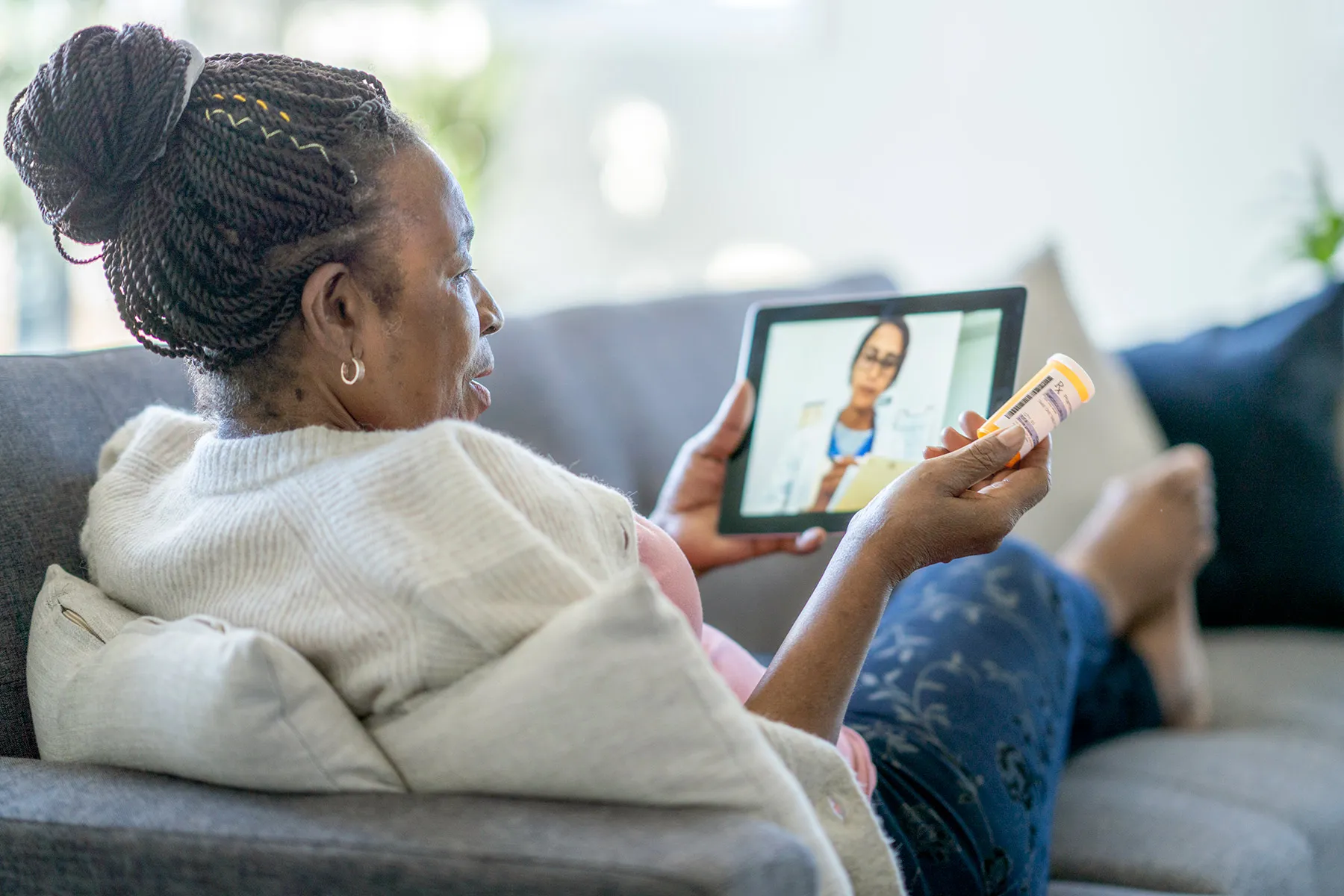
Healthcare technology can make a doctor feel as close as the nearest screen. For older adults, that can mean fewer exhausting trips, faster answers, better chronic-disease monitoring, and more independence at home. It can also mean forgotten passwords, microscopic buttons, unreliable internet, and a patient portal that seems determined to hide the one document someone actually needs.
The effect of technology on healthcare access for older adults is therefore not simply positive or negative. Digital health works best when it removes a genuine barrier without replacing it with three new ones. Telehealth, remote monitoring, electronic prescriptions, online records, mobile health applications, and assistive devices can expand access considerablybut only when they are affordable, usable, secure, and supported by real humans.
How Technology Is Changing Healthcare Access
Access to healthcare involves more than having a clinic somewhere on a map. A person must be able to schedule an appointment, travel to it, communicate with the clinician, understand the recommendations, obtain medication, and receive follow-up care. Older adults may face obstacles at every stage, including limited mobility, chronic illness, transportation costs, hearing or vision loss, caregiver availability, and shortages of nearby specialists.
Digital tools can shorten that obstacle course. The National Institute on Aging notes that telehealth can be particularly helpful for people with limited mobility and those living in rural communities. Instead of traveling for every conversation, patients may be able to discuss test results, review medications, receive behavioral healthcare, or complete routine follow-ups from home.
Telehealth Brings the Appointment Home
Video and telephone appointments are the most visible examples of healthcare technology. They allow patients to consult primary care clinicians, mental health professionals, pharmacists, rehabilitation specialists, and other providers without entering a waiting room.
This flexibility is valuable when driving is difficult, public transportation is limited, bad weather makes travel risky, or a patient becomes tired easily. A virtual appointment may also take less time out of a caregiver’s workday. The caregiver can sometimes join from another city, provided that the patient agrees.
Telehealth is no longer unfamiliar to most older Americans. An AARP survey found that 73% of adults age 50 and older had used telehealth during the previous year; 90% of users described themselves as at least somewhat satisfied. Earlier federal data also showed substantial use among older age groups, although utilization dropped somewhat among adults age 80 and older.
Patient Portals Put Information Within Reach
Patient portals can provide access to test results, medication lists, appointment summaries, vaccination records, billing information, and secure messages. For someone managing several conditions, having these details in one place can reduce confusion and improve conversations with different clinicians.
Portals may also prevent the classic healthcare mystery: “The office called, but I cannot remember whether they said the result was normal or merely not alarming enough to ruin Tuesday.” Written information gives patients and caregivers something they can review later.
Research from KFF indicates that reviewing medical records and managing prescriptions are among the leading uses of healthcare applications and websites for older Medicare beneficiaries. Digital records can also support coordination when a patient sees several specialists, although the systems must exchange information reliably for that promise to become reality.
Remote Monitoring Supports Care Between Visits
Some technologies collect health information while the patient remains at home. Connected blood pressure cuffs, glucose meters, pulse oximeters, scales, heart monitors, and wearable devices can send readings to a clinical team. Medication dispensers and reminder applications can help people follow treatment schedules.
Remote patient monitoring does not replace professional judgment, but it may help clinicians identify a concerning trend sooner. A single blood pressure measurement offers a snapshot; several weeks of properly collected readings may reveal the whole movie.
Medicare broadly covers qualifying remote patient monitoring for acute and chronic conditions, and CMS continues to develop technology-supported care models for conditions such as hypertension, diabetes, chronic pain, and depression.
Major Benefits for Older Adults
Less Travel and Physical Strain
Transportation is one of the clearest barriers technology can reduce. A person who uses a walker, no longer drives, or lives far from a specialist may postpone care because reaching the clinic requires complicated planning. A suitable virtual visit can eliminate fuel costs, parking fees, long rides, and hours spent sitting under fluorescent lights while listening to an aquarium filter.
This advantage is especially meaningful in rural communities, where healthcare facilities may be far apart and broadband availability may be uneven. Federal reviews have repeatedly identified limited transportation, workforce shortages, and inadequate broadband as interconnected barriers to rural healthcare.
Faster Communication and Follow-Up
Secure messaging can make simple questions easier to resolve. A patient may ask whether a new medication should be taken with food, send a photograph of a healing incision, or confirm when to repeat a laboratory test. Not every issue requires a full appointment and a heroic search for parking.
Digital reminders may also reduce missed appointments and help patients prepare questions in advance. After a visit, electronic summaries can reinforce instructions that were difficult to remember during a fast conversation.
Better Chronic-Disease Management
Many older adults live with more than one chronic condition. Diabetes, high blood pressure, heart disease, arthritis, chronic lung disease, and depression often require continuous management rather than occasional rescue. Technology can connect the spaces between clinic visits through symptom tracking, medication reminders, health coaching, and remote measurements.
The greatest value may not come from a futuristic robot doctor. It may come from a simple alert showing that a patient’s weight has risen rapidly, a blood pressure pattern has changed, or several medication doses were missed. Small signals can prompt timely human attention.
More Support for Caregivers
With permission, family caregivers may help schedule appointments, attend virtual visits, review records, refill prescriptions, and communicate with care teams. Technology is especially useful for long-distance caregivers who cannot accompany a parent or relative to every appointment. The National Institute on Aging recommends that caregivers consider assisting with telehealth visits and helping older adults learn practical smartphone features such as video calling.
The Digital Divide Can Become a Healthcare Divide
The benefits are significant, but they are not distributed equally. A healthcare system that moves essential services online without providing alternatives may improve access for confident users while making access worse for everyone else.
Device and Broadband Gaps
Recent Pew Research Center data show that technology adoption among older adults has increased dramatically, with 78% of Americans age 65 and older now owning smartphones. Nevertheless, this group remains less likely to own a smartphone than younger adults, and approximately 17% depend on a smartphone without having home broadband. A small phone screen and a limited data plan are not ideal tools for completing medical forms, reading reports, or maintaining a stable video connection.
Internet availability is only part of the problem. A connection may technically exist but still be too expensive, slow, unreliable, or restricted by data limits. Healthcare organizations should therefore offer telephone visits, low-bandwidth options, community access points, and in-person alternatives.
Digital Literacy and Confidence
Knowing how to make a phone call does not automatically mean knowing how to download an application, create an account, locate an email verification code, enable a camera, grant microphone permission, and recover a passwordall before a 9:00 a.m. appointment.
Some older adults need only a brief explanation. Others benefit from repeated practice, written instructions, or one-on-one coaching. HHS recommends digital navigators and community-based training to help patients access telehealth. Libraries, senior centers, caregivers, and healthcare staff can all provide practical support.
Poor Design and Accessibility
A portal may be technically available yet functionally inaccessible. Tiny text, weak contrast, confusing menus, short timeout periods, and small touch targets can create difficulties for people with vision loss, tremors, arthritis, cognitive changes, or limited experience with digital interfaces.
Age-friendly design should include readable type, plain language, clear navigation, captions, compatibility with screen readers, keyboard controls, and enough time to complete each step. AARP research found that 64% of adults age 50 and older did not feel that current technology was designed with their age in mind. That is not resistance to innovation; it is a customer review, and the customer is being remarkably polite.
Accessibility also matters for people with hearing, speech, mobility, or visual disabilities. A recent GAO review found that digital systems, telehealth platforms, electronic records, and automated check-in kiosks can introduce additional obstacles when communication support and accessible design are missing.
Income, Education, Language, and Geography
The digital divide is not caused by age alone. Research involving older U.S. adults has linked digital access gaps with lower income, less education, and other social inequalities. Rural residents may face weak connectivity, while patients with limited English proficiency may struggle with applications and instructions that lack accurate translation.
Technology can therefore amplify an existing disadvantage. The people who could benefit most from remote access may be the least able to afford a newer device, a broadband subscription, or private technical assistance.
Privacy, Security, and Trust
Older adults are frequent targets of fraud, so caution around unfamiliar links and requests for personal information is reasonable. Patients need clear explanations of how their information will be used, who can see it, and how to identify legitimate messages.
Healthcare organizations should provide simple privacy instructions and avoid forcing patients to become cybersecurity detectives. GAO has previously called for stronger education about telehealth privacy and security risks within Medicare.
Some Care Still Requires Physical Contact
Technology cannot perform every examination or procedure. Chest pain, severe shortness of breath, sudden weakness, major injuries, and other urgent symptoms require appropriate emergency evaluationnot a cheerful chatbot and a loading icon.
Even routine concerns may require palpation, laboratory testing, imaging, wound care, vaccination, or a detailed neurological examination. Telehealth should be one doorway into care, not the only doorway.
What Age-Friendly Digital Healthcare Should Look Like
The most effective model is hybrid care: digital when it adds convenience, in-person when physical evaluation is necessary, and telephone-based when video technology creates more trouble than value.
Offer Meaningful Choices
Patients should be able to choose between video, telephone, secure messaging, and in-person care whenever clinically appropriate. A video appointment should not become a test of technical endurance that must be passed before someone is allowed to discuss a medication.
Provide Human Technical Support
Clinics can schedule brief technology checks, offer a visible telephone support number, and send step-by-step instructions before the appointment. Staff should be prepared to switch to a telephone call if video fails rather than canceling care.
Design With Older Adults, Not Merely for Them
Developers should test portals and applications with adults of different ages, abilities, languages, educational backgrounds, and levels of technical confidence. Co-design helps reveal problems that may be invisible to a development team using new phones, fast internet, and passwords stored in a magical cloud.
Include Caregivers Without Removing Autonomy
Systems should make it easy for patients to grant appropriate access to trusted caregivers while preserving consent and privacy. Proxy accounts are safer than sharing one password across an entire family group chat.
Measure Completed Care, Not Just Logins
Organizations should track whether patients successfully complete visits, understand instructions, receive follow-up care, and experience better outcomes. Counting portal registrations alone may produce an impressive dashboard without revealing whether anyone can locate the “Schedule Appointment” button.
Practical Steps for Older Adults and Caregivers
Before a virtual appointment, test the device, internet connection, camera, microphone, and login information. Charge the device and place it on a stable surface in a quiet, well-lit room. Keep medications, recent readings, insurance information, and a written question list nearby.
Patients should ask the clinic what to do if the connection fails and whether a caregiver may participate. They should also confirm that messages and applications are legitimate before sharing personal or financial information.
For remote monitoring, ask who reviews the data, how often it is checked, which readings require immediate action, and what to do during an emergency. A connected device is helpful only when everyone understands who is watching the numbersand when they are not.
Experiences From the Digital Front Door of Healthcare
The following scenarios are realistic composites based on commonly reported patient, caregiver, and provider experiences. They are not presented as individual medical case histories.
The Rural Patient Who Avoided a Four-Hour Trip
Consider an older adult living in a rural county who previously traveled two hours each way to see a specialist. The appointment itself might last 20 minutes, but the journey consumed most of the day. It required fuel, a willing driver, restaurant food, and recovery time after sitting in a car.
With telehealth, several follow-up appointments could be completed from home. A daughter living in another state could join the call, help take notes, and ask questions about medication changes. When a physical examination or test was necessary, the patient still traveled to the clinic. Technology did not eliminate traditional care; it reduced unnecessary travel around it.
The Portal That Felt Like a Locked Filing Cabinet
Another older patient was encouraged to use a portal for laboratory results. The clinic described this as “easy access.” The patient experienced a different sequence: an expired invitation link, a password requiring a symbol she could not find on the tablet, a verification code sent to an old telephone number, and a security question asking for a childhood street name she entered differently years earlier.
A medical assistant eventually spent ten minutes helping her create a new account and showed her how to enlarge the text. After that small investment of human support, she could review results and prepare questions before appointments. The lesson was not that older adults cannot use portals. It was that a badly designed registration process can make nearly anyone feel like they are trying to enter a government bunker.
The Blood Pressure Cuff That Improved the Conversation
A third patient used a connected blood pressure monitor after several high readings in the clinic. Measurements taken at home showed a more complete pattern. The care team could review trends rather than reacting to one stressful reading taken immediately after the patient rushed through a parking garage.
The device was useful because the clinic first demonstrated the correct cuff position, explained when readings should be taken, and provided instructions for unusually high results. Without that education, the technology might have produced a beautiful collection of inaccurate numbers.
The Caregiver Who Could Finally Join
For a family caregiver, virtual participation can transform communication. Instead of receiving a secondhand summary several hours lateroften beginning with “The doctor said something about changing the little white pill”the caregiver can hear the recommendations directly, with the patient’s permission.
This arrangement can reduce misunderstandings and help families coordinate transportation, medication pickups, diet changes, and follow-up appointments. It can also preserve the older adult’s independence because assistance is available without requiring the caregiver to take control of every decision.
The Most Important Experience: Having a Backup
Across these examples, successful technology includes a backup plan. If video fails, the clinician calls. If the portal is inaccessible, the office provides information another way. If remote data reveal a problem, a person responds. If a condition requires hands-on evaluation, an in-person appointment remains available.
Older adults do not need healthcare to become completely digital. They need digital options that make care easier without punishing them for preferring a telephone, needing assistance, or asking for a human being.
Conclusion
Technology can significantly expand healthcare access for older adults by reducing travel, connecting patients with specialists, strengthening caregiver participation, improving access to records, and supporting chronic-disease management at home. It can help people remain independent and engaged in their own care.
However, digital healthcare is not automatically accessible healthcare. The benefits shrink when patients lack affordable broadband, suitable devices, technical confidence, accessible interfaces, language support, privacy protections, or a non-digital alternative.
The goal should not be to move every older patient online. It should be to create a flexible healthcare system in which technology removes barriers instead of becoming one. The best digital tool is not necessarily the newest or most sophisticated. It is the one a patient can actually use, trust, and reach when care is needed.