Note: This article is written as original, publication-ready content based on widely used American home-cooking techniques for roasted peppers, marinated vegetables, pasta water emulsions, and safe leftover storage.
Marinated pepper pasta is the kind of dinner that looks like you called a tiny Italian restaurant and asked them to send over “something colorful, easy, and emotionally supportive.” In reality, it is a simple pasta dish built around sweet roasted bell peppers, tangy marinade, tender pasta, salty cheese, fresh herbs, and just enough olive oil to make everything glossy without turning dinner into a slip-and-slide.
The beauty of this marinated pepper pasta recipe is that the peppers do most of the work. Once roasted or jarred peppers soak in vinegar, garlic, olive oil, herbs, and seasoning, they become bold, sweet, bright, and slightly smoky. Toss them with hot rigatoni or penne, roasted red onions, Pecorino Romano, basil, and a splash of starchy pasta water, and suddenly you have a weeknight meal that tastes like it took far more effort than it did. We love that kind of delicious dishonesty.
This guide explains how to make marinated pepper pasta from scratch, how to use store-bought peppers when life is moving at full blender speed, and how to customize the dish with protein, vegetables, spice, or creamy add-ins. The result is fresh, satisfying, vegetarian-friendly, and flexible enough for dinner parties, meal prep, lunch leftovers, or those nights when the refrigerator contains one jar, one dream, and half a block of cheese.
What Is Marinated Pepper Pasta?
Marinated pepper pasta is a pasta dish made with roasted or grilled bell peppers that have been soaked in a flavorful mixture of olive oil, vinegar, garlic, herbs, salt, and pepper. The peppers are then tossed with cooked pasta and often finished with cheese, herbs, roasted onions, lemon zest, chili flakes, or toasted nuts.
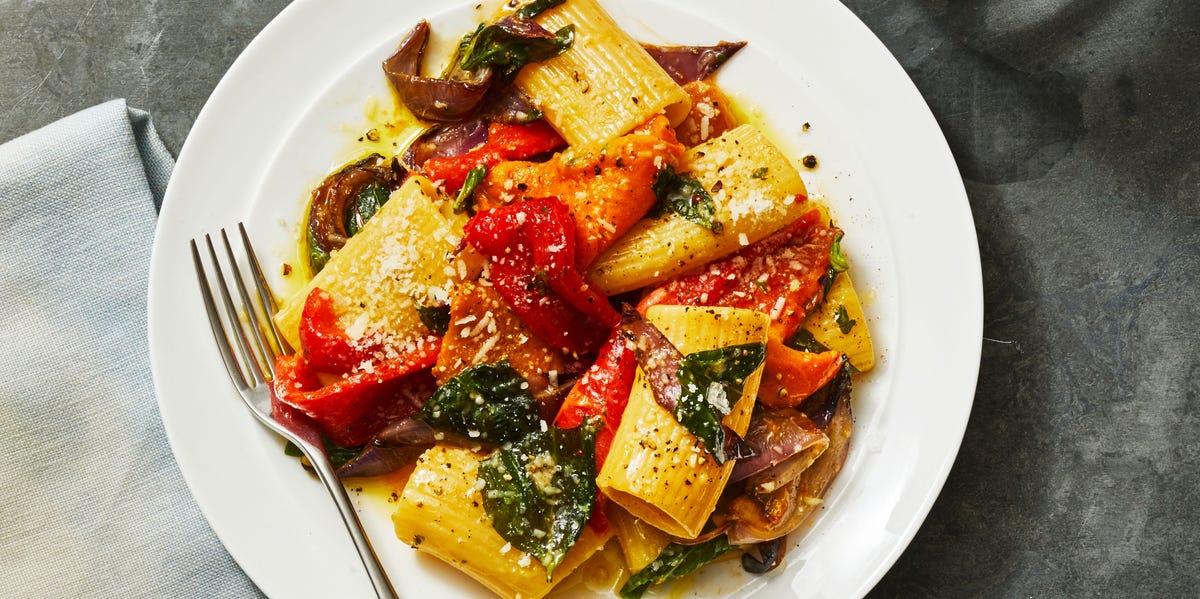
Unlike creamy roasted red pepper pasta, which usually blends peppers into a smooth sauce, this version keeps the peppers in strips or bite-size pieces. That means every forkful gives you texture: chewy pasta, silky pepper ribbons, sweet onion, salty cheese, and fragrant basil. It is less “sauce blanket” and more “flavor confetti,” which is obviously the more festive option.
The dish is inspired by Mediterranean-style marinated vegetables, Italian peperoni marinati, pasta salad techniques, and modern American weeknight cooking. It can be served warm, room temperature, or even slightly chilled, making it a strong candidate for picnics, potlucks, summer dinners, and lunch containers that deserve better than sad desk crackers.
Why This Is the Best Marinated Pepper Pasta Recipe
The best marinated pepper pasta should be colorful, balanced, and easy to make. It should not be oily, bland, watery, or so overloaded with ingredients that the peppers need to file a missing person report. This recipe keeps the focus where it belongs: on deeply flavored peppers, properly cooked pasta, and a simple finish that ties everything together.
It Uses Big Flavor Without a Heavy Sauce
Roasted bell peppers are naturally sweet and mellow. Vinegar brings brightness. Garlic adds bite. Olive oil gives richness. Pecorino Romano adds salty depth. Basil brings freshness. Put them together and you get a pasta dish that tastes complete without needing heavy cream, a long simmer, or a motivational speech.
It Works With Homemade or Store-Bought Marinated Peppers
If you have time, homemade marinated peppers are worth it. Roasting peppers until the skins blister gives them a smoky sweetness that is hard to beat. But jarred roasted peppers are also a practical shortcut. Drain them well, season them with fresh garlic, vinegar, olive oil, and herbs, and they become shockingly good. This is not cheating. This is strategy.
It Is Perfect for Meal Prep
The marinated peppers actually improve as they sit. Make them a day ahead and they become softer, tangier, and more aromatic. When dinner time arrives, all you need to do is boil pasta, roast or sauté onions, toss everything together, and accept compliments with humility or dramatic hand gestures.
Ingredients for Marinated Pepper Pasta
This recipe serves four generous portions. You can double it for a crowd or halve it for two people, although leftovers are excellent enough that making extra is not exactly a tragedy.
For the Marinated Peppers
- 4 large red, orange, or yellow bell peppers
- 3 tablespoons extra-virgin olive oil
- 1 1/2 tablespoons sherry vinegar, red wine vinegar, or white balsamic vinegar
- 1 small garlic clove, finely grated or minced
- 1/2 teaspoon kosher salt, plus more to taste
- 1/4 teaspoon black pepper
- 1/4 teaspoon crushed red pepper flakes, optional
- 1 tablespoon chopped fresh parsley or basil
- 1 teaspoon lemon zest, optional but lovely
For the Pasta
- 12 ounces rigatoni, penne, fusilli, mezzi rigatoni, or orecchiette
- 2 medium red onions, cut into thin wedges
- 1 tablespoon olive oil, plus more for finishing
- 1/2 cup grated Pecorino Romano or Parmesan cheese
- 1 cup fresh basil leaves, torn
- 1/2 cup reserved pasta water, as needed
- Salt and black pepper, to taste
Optional Add-Ins
- Toasted almonds, walnuts, or pine nuts for crunch
- Capers or olives for briny flavor
- Fresh mozzarella, burrata, or goat cheese for creaminess
- Grilled chicken, shrimp, chickpeas, or white beans for protein
- Baby spinach or arugula for extra greens
How To Make Marinated Pepper Pasta
This recipe is easy, but the order matters. Roast the peppers first, let them marinate, cook the onions, boil the pasta, and then toss everything together while the pasta is still hot. Pasta, like gossip, is best handled immediately.
Step 1: Roast the Peppers
Heat the oven to 450°F. Place the bell peppers on a parchment-lined baking sheet. Roast for 25 to 35 minutes, turning once or twice, until the skins are blistered, wrinkled, and dark in spots. The peppers should look slightly collapsed, as if they just read their email after vacation.
Transfer the hot peppers to a bowl and cover the bowl with a plate or plastic wrap. Let them steam for 10 to 15 minutes. This makes the skins easier to remove. Once cool enough to handle, peel off the skins, remove the stems and seeds, and slice the peppers into strips.
Step 2: Marinate the Peppers
In a bowl, combine olive oil, vinegar, garlic, salt, black pepper, red pepper flakes, herbs, and lemon zest. Add the roasted pepper strips and toss gently. Let them marinate for at least 30 minutes. For deeper flavor, refrigerate them for several hours or overnight.
If you are using jarred roasted peppers, drain them well and pat them dry before adding them to the marinade. Jarred peppers are already tender, so they usually need only 20 to 30 minutes to absorb fresh flavor.
Step 3: Roast the Red Onions
While the peppers marinate, place the red onion wedges on a baking sheet. Toss with 1 tablespoon olive oil, a pinch of salt, and black pepper. Roast at 425°F for 15 to 20 minutes, until softened and caramelized around the edges.
The onions add sweetness and structure to the pasta. They also make your kitchen smell like you are more organized than you may actually be, which is one of cooking’s underrated benefits.
Step 4: Cook the Pasta
Bring a large pot of water to a boil. Salt it generously. Add the pasta and cook until al dente according to the package directions. Before draining, reserve at least 1 cup of pasta water.
Do not rinse the pasta. The starch on the surface helps the marinade, cheese, and olive oil cling to the noodles. Rinsing it away would be like putting on sunscreen and immediately jumping into a car wash.
Step 5: Toss Everything Together
Return the hot pasta to the pot or place it in a large skillet over low heat. Add the marinated peppers, roasted onions, Pecorino Romano, and 1/4 cup reserved pasta water. Toss vigorously until the cheese melts slightly and the pasta looks glossy. Add more pasta water a splash at a time if the dish seems dry.
Fold in the basil just before serving. Taste and adjust with more salt, pepper, vinegar, olive oil, or cheese. Serve warm or at room temperature with extra Pecorino on top.
Recipe Card: Best Marinated Pepper Pasta
Quick Details
- Prep time: 20 minutes
- Cook time: 35 minutes
- Marinating time: 30 minutes minimum
- Total time: About 1 hour 25 minutes
- Servings: 4
- Course: Main dish
- Cuisine: Italian-American, Mediterranean-inspired
Instructions Summary
- Roast bell peppers at 450°F until blistered and tender.
- Steam, peel, seed, and slice the peppers.
- Marinate peppers with olive oil, vinegar, garlic, herbs, salt, and pepper.
- Roast red onions until sweet and lightly browned.
- Cook pasta until al dente and reserve pasta water.
- Toss pasta with marinated peppers, onions, cheese, basil, and pasta water.
- Serve warm, room temperature, or chilled as a pasta salad.
Best Pasta Shapes for Marinated Pepper Pasta
Short pasta shapes work best because they catch pepper strips, cheese, herbs, and bits of roasted onion. Rigatoni is a top choice because its ridges hold the marinade beautifully. Penne is reliable and easy to find. Fusilli grabs little pieces of garlic and basil in its spirals. Orecchiette acts like tiny bowls, which is adorable and practical.
Long pasta such as spaghetti or linguine can work, but the pepper strips may slide around instead of mingling evenly. If you use long noodles, slice the peppers thinner and toss extra well. This is not a time for lazy stirring. This is a full-arm pasta workout.
Homemade vs. Store-Bought Marinated Peppers
Homemade marinated peppers give you the best flavor because you control the char, acidity, salt, herbs, and olive oil. They taste fresher and more vibrant than many jarred options. They are also a smart way to use bell peppers when they are on sale or in season.
Store-bought roasted peppers are convenient, affordable, and fast. Choose peppers packed in water or brine rather than heavily seasoned oil if you want more control over the final taste. Drain them thoroughly so the pasta does not become watery. Then refresh them with garlic, vinegar, olive oil, and herbs. In 30 minutes, they taste brighter and more homemade.
Tips for Perfect Marinated Pepper Pasta
Use Enough Acid
The vinegar is not just there for decoration. It balances the sweetness of the peppers and onions. Sherry vinegar adds nutty depth, red wine vinegar gives a classic Italian-style tang, and white balsamic vinegar brings gentle sweetness. Lemon juice can also work, especially if you want a fresher, brighter finish.
Save More Pasta Water Than You Think You Need
Pasta water is the secret to a glossy finish. It helps loosen the marinade and cheese into a light coating that clings to the noodles. Start with 1/4 cup and add more only as needed. You want silky, not soupy.
Add Fresh Herbs at the End
Basil is delicate. Add it too early and it wilts into a sad green rumor. Fold it in right before serving so it stays fragrant and fresh.
Do Not Overload the Dish
This pasta is best when the flavors are focused. Peppers, onions, cheese, herbs, garlic, and olive oil are enough. Add protein or greens if you like, but avoid tossing in every vegetable in the drawer. This is dinner, not a farmers market evacuation plan.
Flavor Variations
Creamy Marinated Pepper Pasta
Add 2 tablespoons of mascarpone, cream cheese, or goat cheese when tossing the hot pasta. The cheese melts into the marinade and creates a creamy sauce without overpowering the peppers.
Vegan Marinated Pepper Pasta
Skip the Pecorino and add toasted almonds, nutritional yeast, or a spoonful of white bean puree for body. Use plenty of basil and finish with lemon zest for brightness.
Spicy Marinated Pepper Pasta
Increase the red pepper flakes or add chopped Calabrian chiles. A little heat works beautifully with sweet roasted peppers, but do not turn the dish into a five-alarm situation unless your guests signed a waiver.
Protein-Packed Pepper Pasta
Add grilled chicken, shrimp, chickpeas, cannellini beans, or sliced Italian sausage. For a vegetarian protein boost, white beans are especially good because they absorb the marinade and make the dish more filling.
What To Serve With Marinated Pepper Pasta
This pasta can stand alone as a main dish, but it also pairs well with simple sides. Serve it with garlic bread, a crisp green salad, grilled chicken, roasted fish, or a tomato-cucumber salad. For a casual summer dinner, add burrata and crusty bread. For a heartier meal, serve it alongside meatballs or grilled sausages.
If you are entertaining, marinated pepper pasta is a reliable choice because it tastes good warm or at room temperature. You do not have to hover over the stove like a nervous pasta lifeguard. Make it shortly before guests arrive, cover it loosely, and refresh it with a drizzle of olive oil and a handful of basil before serving.
How To Store and Reheat Leftovers
Store leftover marinated pepper pasta in an airtight container in the refrigerator for up to 3 to 4 days. Because the pasta absorbs dressing as it sits, it may seem drier the next day. Add a splash of water, olive oil, or vinegar before serving.
You can enjoy leftovers cold, room temperature, or gently reheated. To reheat, warm the pasta in a skillet over low heat with a splash of water until loosened. Add fresh basil after heating. Avoid microwaving it for too long, or the pasta may become soft and the peppers may lose their silky texture.
Common Mistakes To Avoid
Using Wet Jarred Peppers
Drain and pat jarred peppers dry before marinating. Too much liquid weakens the flavor and makes the pasta watery.
Skipping the Pasta Water
Without pasta water, the cheese and oil can feel separate. A small splash brings the dish together and gives it a restaurant-style finish.
Underseasoning the Pasta
Salt the cooking water well. The pasta itself needs seasoning, not just the topping. Bland noodles are very hard to rescue, even with heroic amounts of cheese.
Adding Basil Too Early
Fresh basil should be added at the end. Heat dulls its flavor and darkens the leaves.
Personal Cooking Experiences With Marinated Pepper Pasta
The first time I made marinated pepper pasta, I treated it like a pantry rescue mission. There were two red peppers that looked one day away from writing their farewell letters, a box of rigatoni, half a red onion, and a heroic little chunk of Pecorino. I roasted the peppers until their skins blistered, peeled them with very little grace, and tossed them into olive oil, vinegar, garlic, and salt. At that moment, the kitchen smelled like I knew exactly what I was doing. This was only partially true, but cooking is mostly confidence with better lighting.
What surprised me most was how much flavor came from such a short ingredient list. The peppers became sweet and smoky. The vinegar sharpened everything. The garlic moved in confidently, as garlic tends to do. When the hot rigatoni hit the bowl, the marinade warmed up and coated the pasta like a light sauce. It was not creamy, but it felt rich. It was not complicated, but it tasted complete. That is the magic of this dish: it rewards patience, not fussiness.
Another lesson came from leftovers. The pasta tasted great the first night, but the next day it had become more unified. The peppers shared their marinade with the noodles, the onions softened, and the cheese settled into the background. I ate it cold for lunch and immediately understood why marinated vegetable pasta dishes are so popular for picnics and potlucks. They are low-maintenance and socially gifted. They do not demand perfect timing. They simply show up delicious.
I have also learned that this recipe is extremely forgiving. Once, I forgot to buy basil and used parsley. It worked. Another time, I added chickpeas and toasted almonds, and the pasta became a filling vegetarian dinner with great texture. I have used goat cheese instead of Pecorino, lemon juice instead of vinegar, and jarred peppers instead of homemade. Each version had its own personality. The homemade roasted pepper version is deeper and smokier; the jarred pepper version is faster and still very satisfying. Both deserve a place in the weeknight dinner rotation.
The biggest improvement I made over time was saving more pasta water. At first, I drained the pasta and hoped for the best, which is not a cooking technique so much as a lifestyle gamble. Once I started tossing the pasta with cheese, peppers, and a little starchy water, the texture changed completely. The dish became glossy and cohesive instead of oily or dry. It is a tiny step, but it makes the difference between “pretty good” and “please pass me that bowl before I embarrass myself.”
For entertaining, I like making the peppers a day ahead. This gives them time to absorb the garlic and vinegar, and it makes dinner feel almost effortless. Right before serving, I boil the pasta, roast the onions, toss everything together, and shower the bowl with basil and cheese. The colors are beautiful: red, orange, purple, green, and creamy white. It looks generous and cheerful, like the edible version of a good mood.
My favorite way to serve marinated pepper pasta is slightly warm, not piping hot. Warm pasta wakes up the marinade, but room-temperature peppers keep their sweet, silky character. Add a crisp salad, a piece of bread, and maybe a glass of sparkling water or chilled white wine, and dinner feels relaxed in the best way. No drama, no culinary gymnastics, no tower of garnishes leaning like modern architecture. Just a bright, flavorful pasta that knows exactly what it is.
Conclusion
Marinated pepper pasta is proof that a memorable dinner does not need a long ingredient list or a complicated sauce. With roasted bell peppers, a simple garlic-vinegar marinade, sweet red onions, al dente pasta, fresh basil, and salty cheese, you can create a dish that is colorful, balanced, and deeply satisfying.
The best part is its flexibility. Make the peppers from scratch when you have time, or use jarred roasted peppers when the evening is already running around with its hair on fire. Serve the pasta warm for dinner, room temperature for a gathering, or chilled for lunch the next day. However you serve it, this best marinated pepper pasta recipe brings big flavor with very little stress, which is exactly the kind of kitchen math we can all support.