Editorial note: This article is written for clean web publishing and synthesizes reputable art-history, tile-industry, home-improvement, and mosaic-making guidance without inserting source links or citation tags.
What Is Tile Tree Mosaic Art?
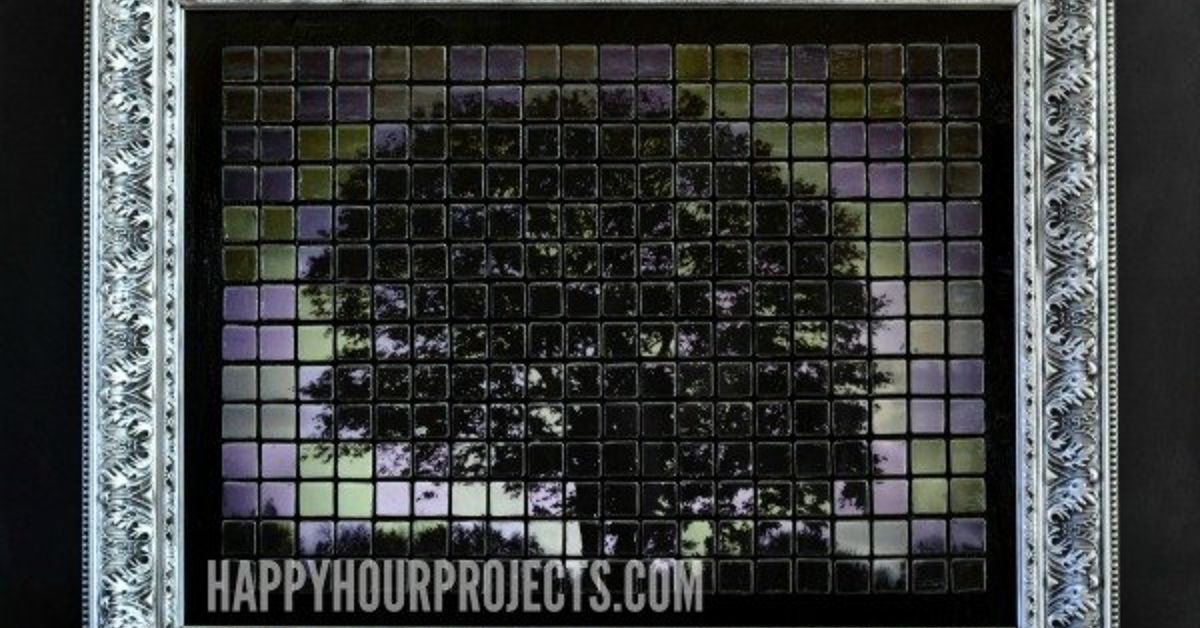
Tile tree mosaic art is where nature, geometry, color, and patience all decide to share one very sturdy cup of coffee. At its simplest, it is an image of a tree made from small pieces of tile, glass, ceramic, stone, mirror, or found materials. At its best, it becomes a wall feature, garden panel, backsplash, tabletop, memorial piece, or community mural that looks handmade in the most charming way possible.
The beauty of a tree mosaic is that it can be realistic, symbolic, abstract, rustic, polished, tiny, enormous, symmetrical, wild, or joyfully “my grout float slipped and now it’s modern art.” A tree already carries strong visual meaning: growth, roots, seasons, family, shade, resilience, and renewal. When that symbol is built from many broken or cut pieces, the meaning deepens. Every tessera, or small mosaic piece, becomes part of a larger image. In other words, tile tree mosaic art turns fragments into something rooted, graceful, and surprisingly emotional.
For homeowners, artists, schools, and DIY makers, tree mosaic tile art is especially appealing because the subject is forgiving. Branches do not have to be perfectly straight. Leaves can be irregular. Bark can be textured. A slightly uneven edge often makes the artwork feel more alive. Trees are basically the official mascot of “beautiful imperfection,” which is great news for anyone who has ever cut tile and immediately questioned all their life choices.
A Brief History of Mosaic Art and Why Trees Fit So Well
Mosaic art has ancient roots, appearing in floors, walls, temples, villas, public buildings, and decorative objects across many cultures. Traditional mosaics used pieces of stone, glass, ceramic, and other durable materials arranged into patterns, portraits, landscapes, mythological scenes, and geometric designs. Roman and Byzantine mosaics are especially famous for their rich detail and long-lasting craftsmanship. Their survival over centuries proves one thing clearly: tiny pieces, when placed with intention, can outlast trends, weather, and probably several generations of questionable wallpaper.
Trees have always been a natural subject for mosaic design because they balance structure and movement. The trunk creates a strong vertical anchor. Branches provide rhythm and direction. Leaves offer opportunities for color variation. Roots can spread across the lower section of a design, creating visual stability. In a tree of life mosaic, the entire composition can become symbolic: roots for heritage, trunk for strength, branches for possibility, and leaves for growth.
Modern tile tree mosaic art borrows from this long tradition while making it more personal. Instead of only appearing in grand buildings, mosaic trees now show up in kitchens, patios, garden walls, entryways, bathrooms, schools, cafes, and handmade gift projects. Some are made with polished glass tile for a luminous effect. Others use broken ceramic dishes, old porcelain, pebbles, mirror shards, or leftover remodeling tile. A chipped blue plate from grandma’s cabinet can become a sky. A cracked green mug can become leaves. A mistake from a kitchen renovation can become a bird perched on a branch. Mosaic art is wonderfully thrifty that way; it sees leftovers and says, “I can work with this.”
Popular Styles of Tile Tree Mosaic Art
Tree of Life Mosaic
The tree of life mosaic is one of the most popular designs because it carries instant meaning. It often features a round canopy, visible roots, curving branches, and a balanced composition. Artists may use warm browns for the trunk, deep greens for leaves, gold accents for light, and blue or white tile for the background. This style works beautifully as mosaic tree wall art in a living room, meditation space, garden wall, or family area.
Abstract Tree Mosaic
An abstract tile tree mosaic uses color and shape rather than strict realism. Leaves might become spirals, squares, circles, or flame-like fragments. Branches may bend in decorative curves. The background can be bold and unexpected: turquoise sky, sunset orange, midnight blue, or even black grout with jewel-toned glass. This style is perfect for people who love trees but do not want their wall to look like it is auditioning for a botany textbook.
Seasonal Tree Mosaic
Seasonal tree mosaics celebrate spring blossoms, summer greenery, autumn leaves, or winter branches. A four-season design can divide the tree canopy into sections, each with its own color palette. Pink and white tiles can suggest spring flowers. Bright greens can show summer fullness. Amber, red, and copper tiles bring fall warmth. Silver, white, and pale blue can create a frosty winter mood. This type of ceramic tile mosaic works well in schools, community centers, and family homes because it tells a visual story everyone understands.
Broken Tile Tree Mosaic
A broken tile mosaic uses irregular fragments rather than uniform pieces. It has a rustic, expressive quality and is excellent for outdoor art, garden stepping stones, patio panels, and handmade wall hangings. Broken tile creates bark texture easily, and leaf clusters can look natural because real leaves are not identical either. The trick is to break pieces safely, smooth sharp edges when needed, and plan the design before adhesive enters the chat and starts making everything permanent.
Glass Tile Tree Mosaic
Glass tile brings light, shine, and depth. It is especially effective for leaves, water, sky, fruit, birds, or glowing accents around the tree. Transparent and iridescent glass can make a mosaic tree sparkle as light changes throughout the day. For bathrooms, backsplashes, and indoor feature walls, glass tile tree mosaic designs feel fresh and contemporary.
Where Tile Tree Mosaic Art Works Best
Kitchen Backsplashes
A tree mosaic backsplash can turn a kitchen into a handmade focal point. A slim branch design behind a stove, a fruit tree above a counter, or a small tree of life over a sink can add warmth without overwhelming the room. For kitchens, choose materials that clean easily and use grout suitable for splash zones. Smooth ceramic, porcelain, and glass tile are practical choices because cooking has enough drama without tomato sauce permanently joining the artwork.
Garden Walls and Outdoor Panels
Outdoor tile tree mosaic art feels right at home in gardens. A tree image on a wall, planter, bench, or stepping stone blends art with landscape. Outdoor mosaics need durable materials, weather-resistant adhesive, proper backing, and attention to expansion, moisture, and freeze-thaw conditions in colder climates. Porcelain, frost-resistant ceramic, stone, and suitable glass tile are better options than porous or delicate materials.
Entryways and Living Rooms
A mosaic tree near an entryway can symbolize welcome, stability, and family. In a living room, a larger tree mosaic can replace framed art and become an architectural feature. Neutral grout and natural tones create a calm look, while bright tile and contrasting grout make the piece more playful.
Schools and Community Murals
Tree mosaics are excellent for group projects. Each participant can decorate a leaf, bird, fruit, or small tile. The final tree becomes a shared symbol of community. Schools often use tree mosaic murals to represent growth, learning, diversity, or graduation. It is also a clever way to make people feel proud of a permanent artwork, even if their individual tile looks suspiciously like a potato with ambition.
Materials You Can Use for a Mosaic Tree
The right materials depend on where the mosaic will live and how polished you want it to look. For indoor decorative pieces, ceramic tile, stained glass, vitreous glass, mirror pieces, porcelain, beads, shells, and old dishes can all work. For outdoor tile mosaic art, choose materials that handle moisture and temperature changes. Avoid soft, absorbent, or fragile items unless they are sealed and protected properly.
Common supplies include a sturdy backing board, tile nippers, safety glasses, gloves, adhesive, grout, a grout float, sponge, buckets, sealer if needed, and a printed or sketched design. Cement backer board is a strong option for many permanent projects. Wood can work for indoor mosaics, but it is less ideal for wet or outdoor spaces because it can expand, warp, or weaken. For exterior pieces, the substrate matters as much as the tile. A beautiful mosaic on the wrong backing is like a mansion built on pudding: impressive briefly, then concerning.
Adhesive choice matters, too. Thinset mortar is commonly used for durable tile installations, especially in wet or outdoor settings. Some indoor craft mosaics use water-based adhesives, but these should be matched carefully to the surface and location. Premixed adhesives may be convenient for certain dry, indoor vertical projects, but they are not automatically suitable for every mosaic. Always read product instructions and consider moisture, weight, tile type, and surface movement.
How to Design Tile Tree Mosaic Art
Start With the Mood
Before choosing tile, decide what the tree should feel like. Peaceful? Playful? Elegant? Ancient? Magical? Beachy? Modern? A soft green and cream palette feels calm. Blue glass and silver mirror feel dreamy. Terracotta, olive, and brown create a Mediterranean mood. Bright mixed colors make the tree feel like it just drank espresso and joined a parade.
Create a Simple Sketch
A strong tree mosaic begins with a clear outline. Sketch the trunk, main branches, leaf masses, roots, and background. Do not overcomplicate the first design. Mosaic rewards bold shapes because grout lines naturally break the image into pieces. If the design is too detailed, the final artwork may look crowded. Think in areas of color rather than tiny pencil lines.
Choose a Focal Point
Every mosaic tree needs a visual anchor. It could be a twisting trunk, a bright sun behind the branches, a red bird, golden fruit, a heart carved into the bark, or roots wrapping around stones. The focal point gives the viewer somewhere to land before exploring the details.
Use Grout as a Design Element
Grout is not just filler. It changes the entire look of mosaic art. Dark grout makes colors pop and gives a graphic, stained-glass effect. Light grout softens the design and helps pieces blend. Gray grout is forgiving and natural-looking. For a tree mosaic, dark grout can emphasize branches and leaf shapes, while warm gray or beige grout can feel earthy. Choose grout color before you finish placing tiles, because grout has a sneaky habit of changing the personality of the whole piece.
Step-by-Step Guide to Making Tile Tree Mosaic Art
1. Prepare the Surface
Start with a clean, stable, dry surface. Remove dust, grease, loose paint, and anything that could prevent bonding. If you are creating a panel, make sure the backing is rigid enough for tile. Flexing can crack grout or loosen pieces over time.
2. Transfer the Design
Draw the tree outline directly on the backing or transfer a printed pattern. Mark the trunk, major branches, roots, and background sections. Keep the drawing clear but not overly fussy.
3. Sort and Cut the Tile
Group tile by color and texture. Use tile nippers to shape pieces for branches, leaves, and curves. Wear safety glasses because tile fragments enjoy launching surprise attacks. For bark, use long narrow pieces in browns, grays, creams, and blacks. For leaves, mix several greens rather than one flat color. Nature loves variation; your mosaic should, too.
4. Dry-Fit the Pieces
Before gluing, arrange the main sections without adhesive. This helps you test color balance, spacing, and flow. Leave consistent gaps for grout, but do not obsess over machine-perfect spacing. Handmade tile tree mosaic art should look intentional, not manufactured.
5. Adhere the Pieces
Apply adhesive according to the product instructions. Work in small sections so the adhesive does not skin over before pieces are placed. Press each tile firmly enough to bond, but not so hard that adhesive squeezes into every grout joint. If adhesive fills the gaps, grout will have nowhere to go, and grout is very dramatic when excluded.
6. Let It Cure
Allow the adhesive to cure fully. The waiting period varies by product, tile type, and environment. Rushing this step can lead to loose pieces or grout problems. Patience is not the glamorous part of mosaic art, but it is the part that keeps the artwork attached to reality.
7. Grout the Mosaic
Spread grout across the surface with a rubber grout float, pressing it into the gaps. Work in manageable sections. Remove excess grout with a damp sponge, rinsing often and using as little water as practical. Too much water can weaken grout or create haze. Once the grout firms up, polish the tile surface with a soft cloth.
8. Seal if Needed
Some porous tiles, natural stone, unglazed ceramic, and cement-based grouts may benefit from sealing. Glass and glazed tile usually do not need sealer on the tile surface, but the grout may. For outdoor mosaics, sealing and maintenance should be considered part of the plan, not an afterthought.
Color Ideas for Tile Tree Mosaic Art
Color determines whether your mosaic tree whispers, sings, or enters the room wearing tap shoes. For a natural design, use browns, tans, greens, moss, olive, cream, and soft sky blue. For a modern look, try black, white, charcoal, emerald, and metallic accents. For a whimsical design, use rainbow leaves, mirrored stars, pink blossoms, and a turquoise background.
A sunset tree mosaic can use orange, coral, gold, lavender, and deep blue. A coastal tree mosaic may include sea-glass tones, sandy beige, pearl, and driftwood gray. A family tree mosaic can include personalized leaf colors for each family member. A memorial tree may use gentle neutrals, meaningful birthstone colors, or small symbolic objects embedded carefully into the design.
Common Mistakes to Avoid
Using the Wrong Backing
A weak or flexible backing can ruin an otherwise beautiful mosaic. Always match the substrate to the location. Indoor dry art has more flexibility. Outdoor and wet-area mosaics need stronger, more moisture-resistant materials.
Ignoring Tile Thickness
Mixing tile thickness can create interesting texture, but extreme height differences may make grouting difficult or cleaning annoying. If the piece is functional, such as a tabletop or backsplash, keep the surface reasonably even.
Choosing Grout Too Late
Grout color should be part of the design plan. A beautiful green leaf pattern can look completely different with white grout versus charcoal grout. Test a small sample if possible.
Overcrowding the Design
Too many tiny details can muddy the image. Use larger shapes for the trunk, canopy, and background. Save small pieces for highlights, blossoms, birds, fruit, or special accents.
Skipping Safety
Tile edges can be sharp. Glass can splinter. Dust can irritate lungs. Use gloves, eye protection, and safe cutting practices. Mosaic art should create memories, not bandages with a backstory.
Creative Tile Tree Mosaic Ideas
One beautiful idea is a family tree mosaic with each leaf representing a person. Names can be written on ceramic leaves, stamped into clay tiles, or painted on glazed pieces before firing. Another option is a tree and birds design, where each bird adds movement and personality. A garden tree mosaic can include flowers, bees, butterflies, mushrooms, and a winding root system.
For a kitchen, consider a lemon tree mosaic backsplash with yellow glass fruit and glossy green leaves. For a bathroom, a willow tree in blue and white tile can create a calm spa-like effect. For a child’s room, a rainbow tree with animals hidden in the branches can become a visual treasure hunt. For a patio, a bold tree of life with terracotta and cobalt tiles can add Mediterranean charm.
If you enjoy upcycling, create a broken china tree mosaic using old plates, cups, and saucers. Floral dishes make excellent leaves and blossoms. Blue-and-white porcelain can become sky, clouds, or decorative bark. Just remember that sentimental materials are harder to replace, so practice cutting on less meaningful pieces before introducing grandma’s teacup to the tile nipper.
How Tile Tree Mosaic Art Adds Value to a Space
Tile tree mosaic art adds visual, emotional, and sometimes practical value. A handmade mosaic can transform a blank wall into a focal point. In a garden, it adds color even when plants are between blooms. In a commercial space, a mosaic tree can communicate warmth, creativity, sustainability, and community. In a home, it can become a personal landmark: the wall everyone comments on, the backsplash that starts conversations, the patio panel that makes coffee outside feel slightly more poetic.
Because tile is durable, mosaic art can last for many years when installed correctly. It resists fading better than many painted surfaces and can be cleaned more easily than delicate wall art. It also brings texture, which flat prints cannot provide. The surface catches light differently throughout the day, making the tree feel alive.
Experience Notes: What Making Tile Tree Mosaic Art Teaches You
The first experience most people have with tile tree mosaic art is a surprising discovery: the design looks simple until you start placing the branches. A tree seems easy on paper. One trunk, some branches, lots of leaves. Done, right? Then you pick up the tiles and realize branches need direction, spacing, tapering, and rhythm. The good news is that this challenge is also what makes the process addictive. As the trunk begins to curve and the branches reach outward, the image starts to feel less like a craft project and more like a living composition.
One practical lesson is to start with the trunk. The trunk sets the character of the whole tree. A straight trunk feels calm and formal. A twisting trunk feels old, magical, or windswept. A wide trunk feels stable. A narrow trunk feels delicate. When making a tree mosaic, I like to build the trunk from long, uneven tile pieces placed vertically or diagonally. Mixing dark brown, warm tan, cream, gray, and a few black pieces creates a bark effect that looks much richer than using one color. The goal is not to copy bark perfectly; it is to suggest bark convincingly enough that viewers do not ask why your tree appears to be wearing a striped sweater.
Another experience worth sharing is that leaves are easier when treated as clusters instead of individual shapes. Beginners often try to make every leaf separately, which can become exhausting and visually noisy. A better method is to create flowing areas of green, then add small highlights in lighter green, yellow, blue-green, or even mirrored tile. Real trees have depth because light hits some leaves and hides others. Mosaic can imitate that depth with color variation. Three or four shades of green will usually look more natural than one perfect green tile repeated everywhere.
Grouting is the moment of truth. Before grout, the mosaic can look chaotic because all the gaps are visible. After grout, the design suddenly pulls together. It is satisfying, but also a little terrifying, like frosting a cake while knowing the frosting is cement-adjacent. The best experience comes from working slowly, cleaning gently, and not flooding the surface with water. A damp sponge is your friend; a dripping sponge is the friend who means well but ruins the party.
One of the most enjoyable parts of tile tree mosaic art is adding personal details. A tiny red bird can represent joy. A heart-shaped tile can mark a family memory. A few blue pieces near the roots can suggest water. A gold tile in the canopy can catch sunlight. These small choices make the artwork feel custom, not generic. They also give people something to discover after the first glance.
The biggest lesson is that mosaic teaches patience without making patience boring. You cut, place, adjust, step back, change your mind, and keep going. The artwork grows slowly, piece by piece, which feels appropriate for a tree. By the end, you have more than a decorative object. You have a record of decisions, mistakes, fixes, colors, textures, and small victories. Tile tree mosaic art is not fast art, but that is the point. It reminds us that beautiful things can be assembled from fragments, and honestly, that is a pretty comforting message to hang on a wall.
Conclusion
Tile tree mosaic art combines the strength of tile with the symbolism of trees, creating artwork that feels both ancient and personal. Whether you choose a polished glass tile tree mosaic for a kitchen, a rustic broken tile tree for the garden, or a community tree mural filled with handmade leaves, the result can bring color, texture, and meaning to a space. The key is to plan the design, choose materials suited to the location, respect the surface preparation, and let grout do its quiet magic.
A mosaic tree does not need to be perfect to be powerful. In fact, the small variations are part of its charm. Trees bend, branch, twist, shed, bloom, and grow. Mosaic does the same thing visually, using pieces that are separate but connected. That is why tile tree mosaic art remains such a satisfying project for artists, homeowners, teachers, and DIY makers. It is durable, expressive, customizable, and just unpredictable enough to keep things interesting.