When a family member is diagnosed with cancer, emotions can turn the household into a pressure cooker with a broken release valve. Everyone wants to help. Everyone wants to say the right thing. And sometimes, in the scramble to do something meaningful, people accidentally turn support into a demand.
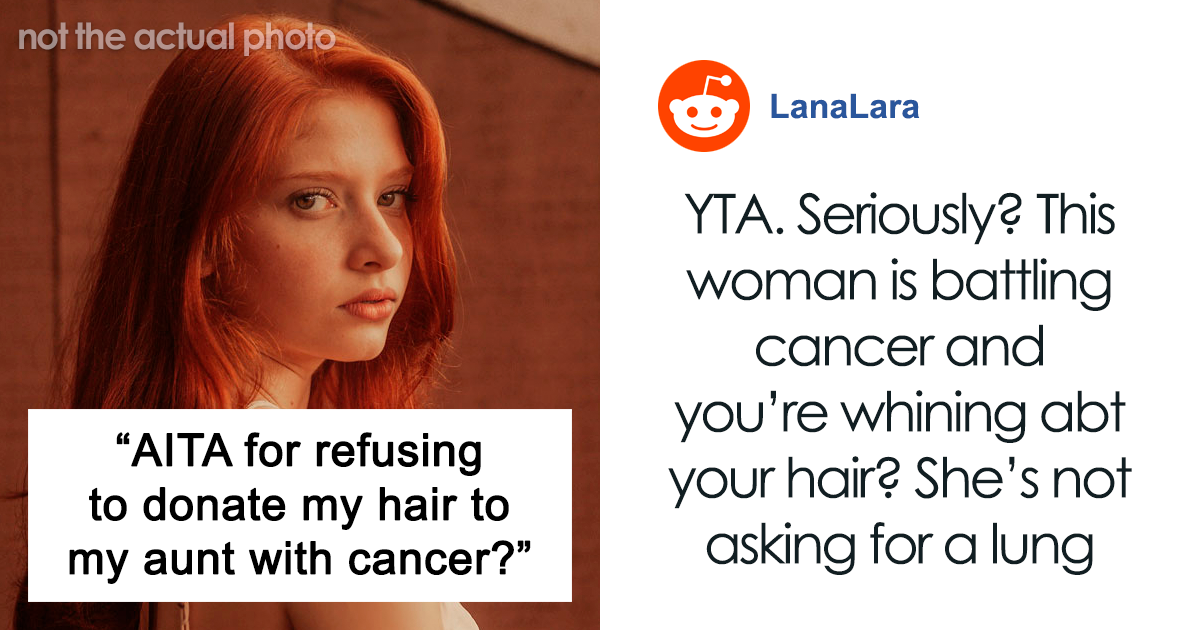
That is the uncomfortable heart of a widely discussed story about a teen who felt pressured by relatives to cut off and donate her long hair for an aunt undergoing cancer treatment. On the surface, it sounds like a sentimental family gesture: a loving niece gives up her hair so her aunt can receive a wig. Cue the inspirational music and a slow-motion salon reveal.
But real life is rarely that tidy. Hair is not just “something that grows back.” For many teens, it is part of their identity, confidence, personal style, culture, and sense of control during an already awkward stage of life. Asking someone to donate hair can be kind. Demanding that they do it can create guilt, resentment, anxiety, and a messy family conflict that no amount of conditioner can smooth out.
The Family Dilemma Behind the Hair Donation Request
In the story that sparked debate online, the teen loved her long hair and viewed it as one of the few things that made her feel confident. Her aunt had cancer and was expected to lose her hair during treatment. Family members encouraged the teen to cut off most of her hair so it could be used for a wig.
At first, the request may sound compassionate. Cancer treatment can bring enormous physical and emotional changes, and hair loss can be especially difficult because it is visible. A wig, scarf, hat, or other head covering can help some patients feel more like themselves during treatment.
However, the issue becomes more complicated when family support turns into family pressure. The teen was not simply being invited to donate. She felt cornered. Relatives treated the haircut as a test of love, loyalty, and compassion.
That is where the situation crosses an important line. Love should not come with a pair of salon scissors hovering over someone’s head.
Why Hair Can Matter So Much to a Teen
Adults sometimes dismiss hair as temporary. “It will grow back” is often said with the same confidence as “the printer will work this time.” Technically possible, emotionally unhelpful.
For teenagers, appearance can be closely tied to self-esteem, friendships, school experiences, and developing identity. A haircut that feels minor to a parent may feel enormous to a teen who has spent years growing their hair, styling it, or using it as a source of confidence.
Hair can also carry cultural, religious, social, and personal meaning. Some people see their hair as creative expression. Others view it as part of their femininity, masculinity, gender identity, or heritage. For a teen who already feels judged at school or uncertain about their appearance, losing long hair can feel less like a haircut and more like losing a small but meaningful part of themselves.
That does not make the teen selfish. It makes the teen human.
Body Autonomy Still Matters in Families
Body autonomy means a person has a right to make choices about their own body. Parents may reasonably set rules about hygiene, safety, school expectations, and age-appropriate responsibilities. But permanent or dramatic changes to a teen’s appearance should not be treated casually.
Cutting hair is not medically necessary in this situation. It does not cure cancer. It does not reduce chemotherapy side effects. It does not erase fear, fatigue, or financial stress. It may be a heartfelt gesture when freely chosen, but it should never become a family requirement.
A teen can care deeply about an aunt with cancer and still say no to shaving their head or donating long hair. Both things can be true at the same time.
Hair Donation Is More Complicated Than It Looks
Many people imagine a direct, movie-style process: one person cuts their hair, a wig is made, and a loved one receives it shortly afterward. In reality, hair donation programs are far more complex.
Most organizations have detailed requirements related to hair length, condition, treatment history, packaging, and texture. A single ponytail usually is not enough to create one complete wig. Several donations may be needed, depending on the wig’s design, length, density, and construction.
That means a teen who cuts off their hair may not actually provide a ready-to-wear wig for a specific relative. The donated hair may enter a larger production process and later be used for another recipient. In many cases, financial donations, volunteer support, transportation help, meal preparation, or practical caregiving can make a more immediate difference.
There is no magical wig fairy who scoops up one ponytail, waves a glittery comb, and delivers a custom hairpiece by Friday.
Wigs Are Not the Only Option
Modern wig options have expanded dramatically. Cancer patients may choose synthetic wigs, human-hair wigs, scarves, hats, turbans, baseball caps, or no head covering at all. Some people want to match their usual hairstyle. Others use the experience as an excuse to try a new color, a shorter style, or a look they would never have chosen before.
The best option is the one that makes the patient feel comfortable. That choice should belong to the person receiving treatment, not to relatives competing for the Most Dramatic Supportive Gesture trophy.
Support Should Not Become a Performance
Families facing cancer are often overwhelmed by fear. They may feel powerless, and symbolic gestures can provide a sense of action. Shaving heads, wearing ribbons, organizing fundraisers, and posting encouragement online can all be meaningful.
But support becomes unhealthy when it is more about making relatives feel heroic than helping the person who is sick. A family member may need rides to treatment, help with meals, childcare, laundry, medication pickup, insurance paperwork, pet care, or simply company during a difficult afternoon.
Those things may not look as dramatic in a social-media post, but they are often far more useful.
A teen who offers to help clean the house, spend time with their aunt, make a playlist, write encouraging notes, walk the dog, or help with errands is still showing love. Compassion has many forms. It does not need to arrive in a pile of hair on a salon floor.
How Family Pressure Can Hurt Teen Mental Health
Teenagers are especially sensitive to the opinions of parents, siblings, relatives, classmates, and friends. When adults frame a personal choice as a moral obligation, a teen may feel trapped between protecting their identity and avoiding accusations of being selfish.
That kind of pressure can create guilt, shame, anger, and confusion. The teen may start asking painful questions: “Am I a bad person?” “Do I care enough?” “Why is everyone mad at me?” “Why does helping have to mean giving up something I love?”
Those feelings matter. A young person should not have to prove their love by sacrificing part of their appearance, particularly when they are not emotionally ready to do so.
Parents Should Listen Before They Lecture
The healthiest response from parents is not, “You have to do this because family comes first.” A better response is, “I know this situation is scary. Tell me how you feel, and let’s figure out how you want to help.”
That approach teaches empathy without teaching obedience at any cost. It gives teens room to care about others while still respecting their own boundaries.
Parents can also explain that cancer affects the entire family. Fear can make people pushy, emotional, impatient, or desperate for a visible way to help. Understanding that emotional context does not mean the teen has to agree to the haircut. It simply helps everyone approach the conflict with more compassion.
What the Teen Could Say to Family Members
Setting boundaries with relatives can feel intimidating, especially when emotions are high. A teen does not need to make a dramatic speech worthy of an awards show. Clear, calm language is usually enough.
For example, the teen could say:
- “I love Auntie and I want to support her, but I am not comfortable cutting my hair.”
- “I understand why hair loss is hard, but I need to make decisions about my own hair.”
- “I would like to help in another way, such as making meals or spending time with her.”
- “Please do not call me selfish for making a personal choice about my appearance.”
- “I can care about her illness without donating my hair.”
These statements are respectful, direct, and difficult to misinterpret. They also remind relatives that emotional support is not a one-size-fits-all haircut.
Better Ways to Support a Relative With Cancer
When someone receives a cancer diagnosis, loved ones often want a clear mission. The good news is that there are many practical ways to help that do not involve pressuring someone into changing their appearance.
Offer Specific Help
Instead of saying, “Let me know if you need anything,” offer something concrete. You might say, “I can bring dinner Tuesday,” “I can drive you to your appointment,” or “I can pick up groceries this weekend.” Specific offers reduce the burden on someone who may already be exhausted.
Create Comfort and Connection
Teens can help make treatment days easier by assembling a comfort basket with soft socks, lip balm, books, puzzles, a warm blanket, or favorite snacks approved by the care team. They can also make playlists, send funny videos, write letters, or watch movies together.
Raise Money or Awareness Voluntarily
A family fundraiser, walk, bake sale, or donation drive can be meaningful when participation is voluntary. The important word is voluntary. Nobody should be drafted into a charity campaign like they are joining an extremely emotional sports team.
Ask the Patient What They Actually Need
The person with cancer should be at the center of the support plan. Some patients want visitors. Others need quiet. Some want to talk about treatment. Others would rather discuss anything except cancer for an hour. Asking is better than guessing.
Conclusion: Love Is Bigger Than a Haircut
The story of a teen pressured to shave her head for an aunt highlights a difficult truth: families can unintentionally confuse sacrifice with love. A hair donation can be a beautiful act when it is freely chosen. It can also become painful when a teenager feels coerced, guilted, or treated as though personal boundaries are proof of selfishness.
Supporting a loved one with cancer does not require surrendering control over your body. Real support can mean cooking dinner, offering rides, sitting quietly through a scary appointment, helping with childcare, organizing a fundraiser, or simply being present.
A teen deserves the freedom to say yes to hair donation because they want to, not because their family made refusal feel impossible. Cancer is hard enough. Families do not need to make kindness feel like a compulsory haircut.
Related Experiences: What Family Pressure Can Teach Teens and Adults
Situations like this are not limited to hair donation. Many teens experience pressure to make personal sacrifices for family members, friends, school groups, religious communities, or social causes. Sometimes the request is small, like wearing matching clothes for a fundraiser. Other times, it involves money, time, privacy, appearance, or a personal possession that carries emotional value.
A student may be pressured to give away a prized item because a sibling wants it. Another teen may be expected to skip sports practice, homework, or a part-time job to help with family caregiving. Someone else may be told to change their hairstyle, clothing, or social plans because it would “make the family look better.” The details differ, but the emotional pattern is often the same: a young person is asked to prove love by ignoring their own needs.
That pressure can be confusing because teens usually do want to help. They may genuinely care about the sick relative, stressed parent, struggling sibling, or overwhelmed friend. Saying no can feel cruel, even when the request is unreasonable. Adults sometimes add to the confusion by using emotionally loaded phrases such as “family helps family,” “you should be grateful,” or “it is the least you can do.”
But support should not depend on guilt. Healthy families can ask for help without demanding that one person absorb all the emotional cost. They can recognize that a teen’s time, appearance, privacy, and belongings have value too.
For young people, learning to set boundaries is part of growing up. It does not mean becoming cold, selfish, or detached. It means understanding that caring for someone else does not require abandoning yourself. A boundary can sound gentle: “I can help for two hours, but I cannot stay all day.” It can be practical: “I cannot donate my hair, but I can help organize meals.” It can be firm: “Please stop asking me to do something with my body that I do not want to do.”
For parents and relatives, these moments are a chance to model respect. Instead of forcing a teen into a symbolic gesture, adults can help them find a contribution that fits their personality and comfort level. The quiet teen might write letters. The organized teen might coordinate a schedule. The creative teen might make a scrapbook. The funny teen might bring much-needed laughter to a difficult room.
There is no single correct way to show love during a crisis. Some people shave their heads. Some donate hair. Some cook soup. Some sit beside a hospital bed and talk about bad reality television until everyone laughs. What matters is that the care is genuine, useful, and freely given.
Families become stronger when they make room for both empathy and autonomy. A teen can support an aunt with cancer without sacrificing their hair. An aunt can receive comfort without asking someone else to give up part of their identity. And a family can learn that compassion works best when it comes with consent, patience, and fewer unsolicited haircut appointments.
Note: This article discusses a publicly shared family dilemma and the broader themes of teen autonomy, cancer support, hair donation, and family boundaries. It is not medical or mental-health advice for any specific individual.