Your home should not feel like a second inbox with throw pillows. After a long day of deadlines, errands, traffic, notifications, and mysterious crumbs on the kitchen counter, the rooms you return to should help your shoulders drop by at least two inches. The good news? You do not need a full renovation, a luxury spa budget, or a designer who says “negative space” while holding a $900 vase. A calmer home often comes from small, thoughtful decor choices: softer lighting, less visual clutter, comforting textures, natural materials, peaceful colors, and a few personal touches that remind your brain, “We are safe. We are home. Please stop replaying that awkward email.”
These soothing decor ideas are designed to help you relax and unwind at home without making your space look sterile or boring. The goal is not to turn every room beige and whispery. It is to create a home that feels grounded, breathable, beautiful, and easy to live in. Whether you live in a studio apartment, a busy family house, or a bedroom that also doubles as your office, gym, snack station, and emotional support cave, these relaxing home decor tips can help you build a more peaceful everyday environment.
Why Soothing Home Decor Matters
Interior design affects more than how a room photographs. Color, light, sound, texture, air quality, scent, and layout all influence how comfortable a space feels. A room with harsh overhead lighting, cluttered surfaces, scratchy fabrics, and furniture you constantly bump into will not exactly invite deep breathing. Meanwhile, a space with warm lamps, soft textiles, natural materials, good airflow, and meaningful objects can support rest, focus, and emotional reset.
Think of soothing decor as a quiet collaboration between style and nervous-system management. You are not decorating just for guests. You are decorating for the version of yourself who walks through the door tired, overstimulated, and in need of a soft landing.
15 Soothing Decor Ideas to Help You Relax and Unwind at Home
1. Start With a Calming Color Palette
Color is one of the fastest ways to change the mood of a room. Soft blues, muted greens, warm whites, gentle grays, sandy beige, clay, oatmeal, pale taupe, and dusty blush tones are popular choices for relaxing interiors because they feel easy on the eyes. These colors do not shout for attention. They politely clear their throat and offer you tea.
If painting a whole room feels like too much commitment, start smaller. Try calming colors through curtains, pillow covers, bedding, artwork, lampshades, rugs, or a painted accent wall. For bedrooms and reading corners, consider a low-contrast palette where walls, textiles, and furniture sit close together tonally. The result feels cocoon-like and restful rather than busy.
2. Layer Your Lighting Instead of Relying on One Harsh Ceiling Light
Overhead lighting has a special talent for making even a cozy room feel like a dental office. To create a soothing home environment, layer several gentle light sources throughout the space. Use table lamps, floor lamps, wall sconces, picture lights, shaded bulbs, dimmers, and candles where safe. Warm-toned lighting feels especially inviting in the evening, helping your home transition from “productive mode” to “please do not ask me another question mode.”
A good rule is to light the room from different heights. Place a floor lamp near a chair, a small lamp on a side table, and a dimmable light near the entry. This creates depth and softness. In bedrooms, avoid bright white bulbs at night and consider blackout curtains if outside light interrupts sleep.
3. Declutter Visible Surfaces Without Making the Room Feel Empty
Clutter is not a moral failure. It is usually just postponed decision-making wearing socks. But visually busy surfaces can make it harder to relax because the eye keeps catching on unfinished tasks: mail, cords, receipts, laundry, random batteries, and that one tiny screw you are afraid to throw away.
For a calmer room, clear the main surfaces first: coffee tables, nightstands, kitchen counters, desks, and entry consoles. Keep only what is beautiful, useful, or emotionally meaningful. Use trays, baskets, boxes, and closed storage to corral necessary items. The goal is not minimalism for minimalism’s sake. It is visual breathing room.
4. Bring in Natural Materials
Natural textures instantly make a home feel more grounded. Wood, rattan, bamboo, linen, cotton, wool, jute, stone, clay, leather, cork, and seagrass add warmth and tactile interest without overwhelming the room. They also age gracefully, which is helpful because life happens. A slightly worn wood table often looks charming. A slightly worn plastic table usually looks like it has seen things.
Try a jute rug under a coffee table, a linen duvet, a woven basket for blankets, a wood stool beside the tub, or ceramic bowls on open shelving. These materials pair beautifully with soothing decor because they create texture without visual chaos.
5. Create a Dedicated Rest Corner
You do not need an entire wellness room to relax at home. A single intentional corner can do the job. Choose one spot for unwinding: a chair near a window, a floor cushion beside a bookshelf, a bedroom nook, or a sunny corner with a small table. Add a soft throw, a lamp, a coaster, a plant, and one activity that does not involve doom-scrolling.
This rest corner tells your brain what to expect. When you sit there, you read, sip tea, journal, stretch, listen to music, or simply stare into the middle distance like a Victorian poet with Wi-Fi. The key is consistency. A small ritual in a small space can become surprisingly powerful.
6. Use Plants to Add Life and Softness
Houseplants are a classic soothing decor idea because they bring nature indoors and soften hard lines. A tall fiddle leaf fig, sculptural snake plant, trailing pothos, peace lily, rubber plant, fern, or monstera can make a room feel fresher and more alive. If your plant-care history is, shall we say, dramatic, start with low-maintenance options like snake plants, ZZ plants, or pothos.
Plants work especially well near windows, on shelves, in bathrooms with enough light, or beside seating areas. Choose planters in natural materials or muted colors so the greenery remains the star. And remember: one healthy plant looks more relaxing than twelve crispy ones staging a botanical tragedy.
7. Choose Soft, Breathable Textiles
Texture is comfort you can see. To make a room more relaxing, layer soft textiles in ways that invite touch. Think cotton sheets, linen curtains, wool throws, velvet cushions, boucle chairs, washable slipcovers, plush rugs, quilted bedding, and oversized knit blankets. In the living room, a throw over the arm of a sofa instantly says, “Stay awhile.” In the bedroom, breathable bedding can make the space feel like a retreat rather than a pile of obligations.
For a soothing look, mix textures but keep colors relatively calm. A cream sofa with a woven throw, a sage pillow, and a nubby rug feels layered without feeling loud. Texture adds depth when the palette is quiet.
8. Add Curves and Rounded Shapes
Rooms filled only with sharp corners can feel rigid. Curved furniture and rounded accessories help soften the mood. Consider a round coffee table, an arched mirror, a curved-back chair, globe lamps, oval trays, scalloped edges, circular rugs, or rounded ceramic vases. These shapes guide the eye gently around the room rather than stopping it abruptly.
This does not mean every piece needs to look like a marshmallow. Even one or two curved elements can balance rectangular sofas, square windows, and straight shelves. A round side table beside a boxy couch can make the whole seating area feel more relaxed.
9. Make Your Bedroom an Analog Escape
The bedroom should not feel like mission control. For better relaxation, reduce digital stimulation where you sleep. Hide cords, move work devices out of sight, choose a real alarm clock if possible, and replace some screen time cues with analog comforts: books, a journal, a soft lamp, framed photos, a candle, a sound machine, or a small dish for jewelry.
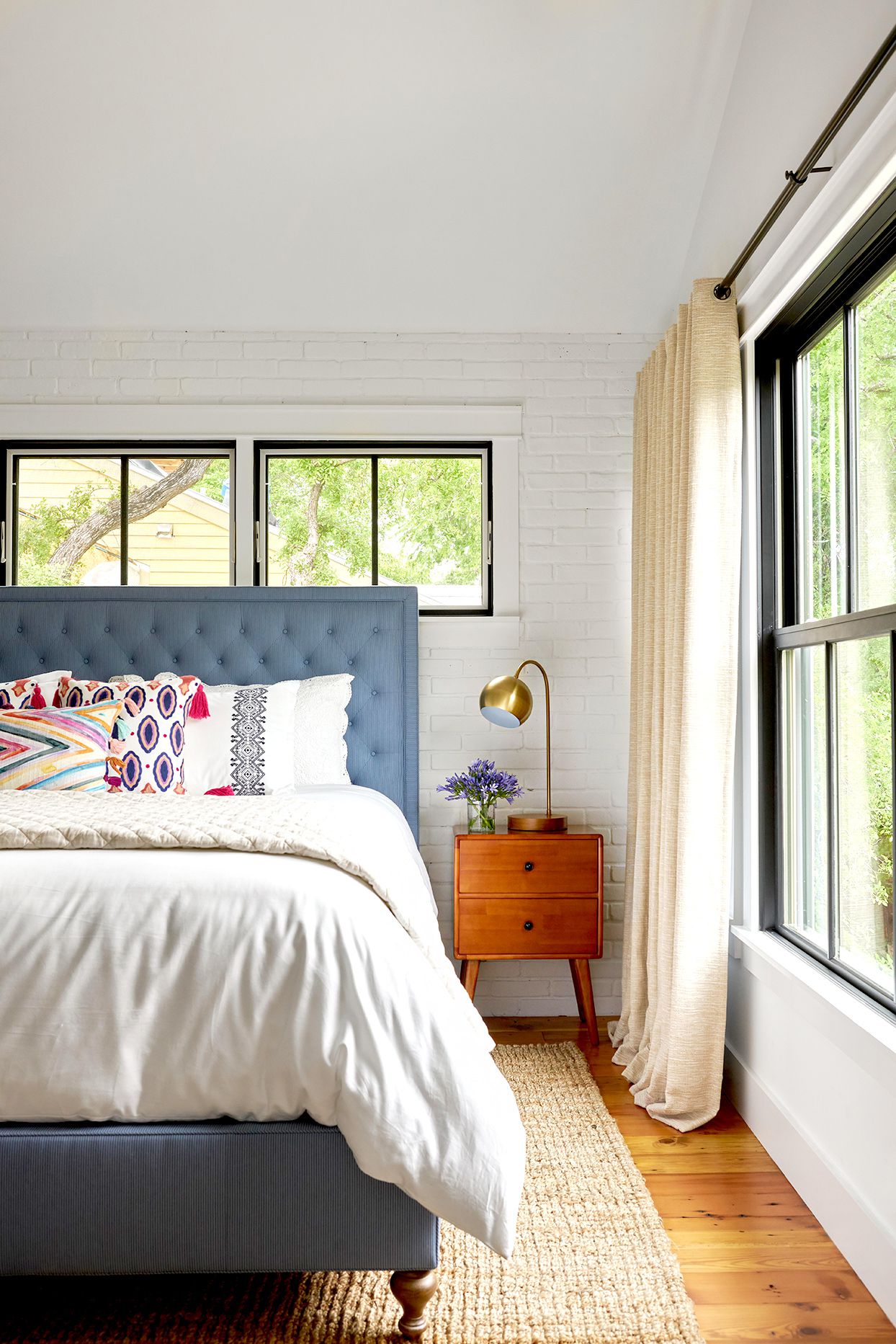
Decorating the bedroom for rest means prioritizing darkness, quiet, comfort, and calm. Use blackout curtains, layered bedding, supportive pillows, and a bedside table that is not buried under three water glasses and a charging cable jungle. Your future sleepy self will applaud, quietly.
10. Add Soothing Scents Carefully
Scent can shape the atmosphere of a home, but subtlety matters. Lavender, cedar, chamomile, sandalwood, eucalyptus, bergamot, vanilla, and fresh linen scents can feel relaxing when used lightly. Try a candle, reed diffuser, essential oil diffuser, linen spray, simmer pot, or fresh herbs in the kitchen.
However, avoid overwhelming the room. A soothing scent should greet you, not tackle you at the door. If you are sensitive to fragrance, focus instead on fresh air, clean textiles, and natural materials. Relaxing home decor should support your comfort, not start a sneezing symposium.
11. Use Art That Helps Your Eyes Rest
Artwork can energize a space, but for rooms meant for relaxing, choose pieces that feel emotionally easy to live with. Landscapes, abstract washes, botanical prints, black-and-white photography, handmade textiles, minimalist sketches, and nature-inspired artwork can create a peaceful focal point. Large-scale art with simple shapes often feels calmer than many tiny busy pieces competing for attention.
Place calming art where you naturally pause: above a bed, over a sofa, across from a reading chair, or in an entryway. If your home has no outdoor view, art can create a visual window to nature, water, sky, trees, or open space.
12. Improve Flow With Thoughtful Furniture Placement
A relaxing room should be easy to move through. If you have to sidestep a chair, dodge a table corner, and perform a small interpretive dance to reach the window, the layout is working against you. Arrange furniture so pathways are clear and seating feels conversational.
In a living room, pull furniture slightly away from the walls when possible and anchor the seating area with a rug. In a bedroom, keep both sides of the bed accessible if space allows. In small spaces, choose multi-functional furniture with hidden storage. Good flow makes a home feel less stressful because your body does not have to negotiate with the furniture every time you cross the room.
13. Introduce Gentle Sound
Sound is part of decor, even if you cannot see it. A peaceful home often includes ways to reduce unpleasant noise and add pleasant background sound. Rugs, curtains, upholstered furniture, fabric wall hangings, and bookshelves can help absorb echo. A small fountain, sound machine, fan, quiet playlist, or nature sounds can create a calming layer, especially in apartments or busy neighborhoods.
Water sounds are especially popular for relaxation because they create a steady rhythm. Even a small tabletop fountain near a reading nook can make a room feel more spa-like. Just choose one with a gentle trickle, not one that sounds like a plumbing emergency.
14. Style With Meaningful Personal Objects
A soothing home is not always a perfect home. In fact, spaces that are too perfect can feel tense, like you need permission to sit down. Add personal objects that make the room feel emotionally warm: travel souvenirs, family photos, handmade pottery, inherited books, framed notes, children’s art, vintage finds, or objects connected to happy memories.
The trick is editing. Instead of scattering everything everywhere, create small vignettes. Place three meaningful items on a shelf, group photos in matching frames, or display a favorite bowl on a console. Personal decor helps your home feel like yours, not a furniture showroom where nobody has ever eaten cereal for dinner.
15. Keep Airy Space Around the Things You Love
One underrated soothing decor idea is simply giving your favorite pieces room to breathe. A beautiful chair looks calmer when it is not buried under bags. A sculptural lamp shines when the table is not crowded. A peaceful bedroom feels better when the floor is visible. Negative space is not empty space; it is the pause that lets the good stuff matter.
Try removing one or two items from each surface. Leave breathing room around artwork. Avoid filling every corner just because it exists. When your home has a little openness, your mind often follows.
Room-by-Room Soothing Decor Tips
Living Room
Focus on comfort, conversation, and soft lighting. Add a textured rug, a few large pillows, a warm lamp, a woven basket for blankets, and one statement plant. Keep the coffee table edited with a tray, a book, and something natural like a small vase or stoneware bowl.
Bedroom
Prioritize sleep-friendly decor. Choose breathable bedding, calm colors, blackout curtains, bedside lamps, and minimal electronics. Keep the nightstand simple: lamp, book, water, and maybe one object that makes you smile.
Bathroom
Turn the bathroom into a small reset zone with fluffy towels, a wooden stool, eucalyptus, a bath tray, a soft mat, and warm lighting. Decant everyday products into simple containers if visual clutter bothers you.
Home Office
Balance productivity with calm. Add a plant, a desk lamp, closed storage, a comfortable chair, and a calming piece of art. Keep only daily essentials on the desktop. Your desk does not need to display every pen you have ever met.
Budget-Friendly Ways to Make Your Home Feel Calmer
You do not have to buy much to create a relaxing home. Rearrange furniture to improve flow. Open curtains during the day. Wash throw blankets. Clear one surface. Move a plant to a better spot. Swap bright bulbs for warm ones. Put work items in a basket at the end of the day. Rotate decorative objects instead of displaying everything at once. Sometimes the most soothing decor change is not adding something new; it is removing the thing that has been quietly annoying you for six months.
Common Mistakes That Make a Home Feel Less Relaxing
Some decor choices accidentally create stress. Too many small accessories can make a room feel cluttered. Cold lighting can flatten warmth. Oversized furniture can block movement. Trendy pieces that do not fit your lifestyle can become expensive obstacles. Strong scents can overwhelm. Busy patterns everywhere can tire the eye. And a room decorated only for photos may not support how you actually live.
The most relaxing interiors are realistic. They make room for daily habits, storage needs, pets, kids, hobbies, and rest. A soothing home should not require you to become a completely different person. It should support the person you already are, just with better lighting.
Personal Experience: What Actually Makes a Home Feel Peaceful
When people talk about relaxing home decor, they often imagine a flawless room: pale sofa, perfect linen curtains, an art book opened to a tasteful page, and absolutely no evidence that a human owns phone chargers. Real life is usually messier, and honestly, better. The most soothing homes I have experienced were not the most expensive or the most polished. They were the homes that understood rhythm, comfort, and personality.
One of the biggest lessons is that calm begins at the entrance. Walking into a home with shoes scattered everywhere, mail leaning like a paper avalanche, and keys hiding in three possible places instantly creates low-level tension. A simple entry tray, a hook, a basket, and a place for shoes can change the entire arrival experience. It is not glamorous, but neither is searching for keys while late.
Another experience-based truth: lighting changes everything. A room can have beautiful furniture and still feel uncomfortable if the lighting is too cold or too bright. In the evening, turning off the ceiling light and switching on two warm lamps can make the same room feel completely different. It softens faces, quiets shadows, and signals that the demanding part of the day is over. It is basically decor therapy with a power switch.
Texture also matters more than people expect. A soft blanket on the sofa, a rug under bare feet, linen bedding, or a cushioned chair can make relaxation feel automatic. These details invite the body to settle. They also make a room feel finished without needing loud colors or complicated styling. If a space looks nice but nothing feels good to touch, it will never feel truly soothing.
Plants are another surprisingly powerful shift. Even one healthy plant near a window can make a room feel more cared for. There is something grounding about seeing a living thing grow slowly in your space. It reminds you that not everything needs to be instant, optimized, or answered by email before 5 p.m. For beginners, low-maintenance plants are best. A thriving pothos brings more peace than an ambitious fiddle leaf fig slowly judging you from the corner.
The final lesson is that personal objects create emotional rest. A room with only new decor can look stylish, but it may feel anonymous. A framed photo, a worn book, a handmade bowl, a souvenir from a meaningful trip, or a blanket from someone you love adds emotional depth. The secret is not displaying everything at once. A few personal pieces, thoughtfully placed, create warmth without clutter.
Soothing decor is not about chasing perfection. It is about building small moments of relief into the rooms you use every day. A clear nightstand. A chair that catches morning light. A lamp that makes dinner feel slower. A corner where your phone does not automatically follow you. These details may seem small, but together they create a home that helps you exhale. And in a world that keeps asking for more attention, more speed, and more tabs open, a home that helps you unwind is not a luxury. It is a daily kindness.
Conclusion
Creating a relaxing home does not require a dramatic makeover. The most effective soothing decor ideas are often simple: calming colors, layered lighting, natural textures, soft textiles, plants, clear surfaces, meaningful objects, and furniture arrangements that make daily life easier. Start with the room where you spend the most recovery time, whether that is your bedroom, living room, bathroom, or a tiny reading corner. Change one thing at a time and notice how the space feels, not just how it looks.
Your home should help you relax and unwind, not remind you of every unfinished task. With a few thoughtful updates, you can create a peaceful home that feels warm, personal, breathable, and deeply comfortable. Best of all, you do not have to make it perfect. You just have to make it kinder to live in.
Note: This article synthesizes current home decor, wellness design, sleep-environment, indoor-air-quality, and interior styling guidance into original, publication-ready content without external source links or citation placeholders.