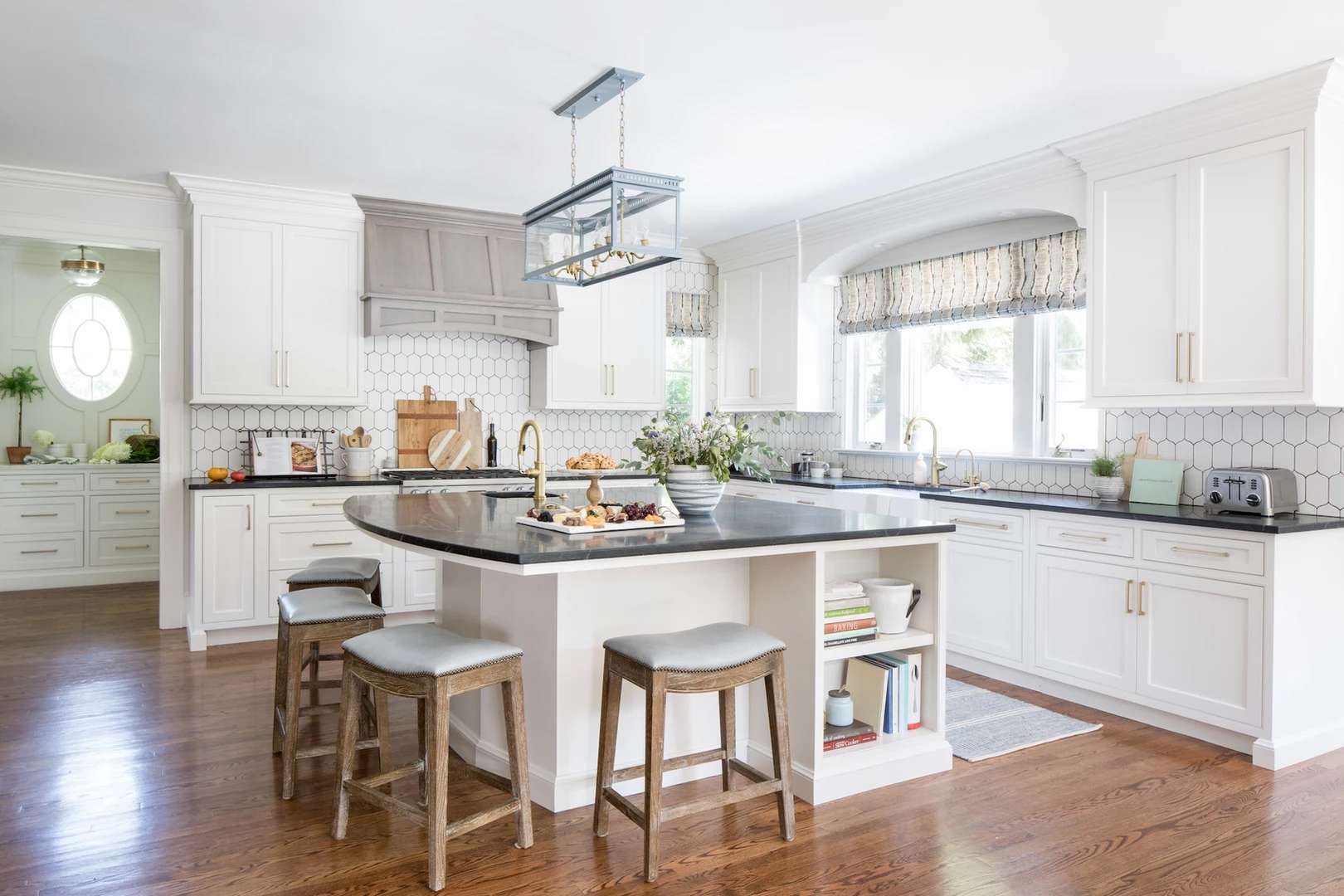
Kitchen flooring has one job: look gorgeous while quietly surviving spilled coffee, flying pasta sauce, muddy shoes, pet claws, dropped skillets, leaking appliances, and that mysterious sticky spot nobody admits creating.
Unfortunately, one popular material often enters the kitchen looking like a design-magazine superstar and leaves homeowners wondering why they paid premium prices for a floor that panics whenever someone spills a glass of water.
The kitchen flooring type most likely to inspire regret is traditional solid hardwood. It is warm, timeless, and undeniably beautiful, but its relationship with moisture is roughly as stable as a soufflé in a slamming-door contest. Flooring professionals frequently caution that solid wood can be a demanding choice for kitchens because water, humidity, scratches, dents, and heavy traffic may damage it over time.
The Flooring Experts Warn About: Solid Hardwood
Hardwood flooring is not a bad product. In bedrooms, living rooms, dining rooms, and other relatively dry areas, it can last for generations. It can also be sanded, refinished, and renewed in ways many synthetic floors cannot match.
The problem is location. A kitchen is a high-traffic work zone filled with plumbing, water-based appliances, grease, grit, chair legs, pet bowls, and occasional culinary chaos. Installing traditional solid hardwood there means placing a moisture-sensitive natural material in one of the wettest and busiest rooms in the house.
Consumer Reports evaluates flooring for resistance to traffic, scratching, staining, denting, water, and sunlight. Its room-by-room guidance generally favors highly water-resistant materials such as porcelain tile in busy, wet, and messy spaces, while reserving solid and engineered wood primarily for areas where warmth and comfort are greater priorities.
Why Solid Hardwood Can Become a Kitchen Regret
Water Damage Can Begin With an Ordinary Spill
A dramatic flood is not required to damage a hardwood kitchen floor. Water can work its way through plank seams, around transitions, beneath appliances, or into areas where the finish has worn thin.
Once moisture reaches the wood, boards may swell, cup, crown, discolor, separate, or warp. A slow refrigerator-line leak can remain hidden for days. A dishwasher may release water beneath surrounding cabinetry before the problem becomes visible. Even a frequently splashed sink area can create trouble when moisture is allowed to sit.
The National Wood Flooring Association recommends cleaning spills immediately with a dry or only slightly damp cloth. It also warns against wet mops and steam mops because repeated moisture exposure can damage the finish and the wood beneath it.
Humidity Makes Wood Move
Solid hardwood is hygroscopic, meaning it gains and loses moisture in response to its environment. During humid periods, planks may expand. In dry conditions, they may contract and develop gaps.
That natural movement is manageable when the flooring is properly installed, acclimated, and maintained. However, kitchens add localized moisture from cooking, dishwashing, spills, steam, and plumbing. Homes with major seasonal humidity changes may experience even more movement.
Industry guidance commonly recommends maintaining stable indoor temperature and humidity levels to reduce cupping, splitting, and gapping. The National Wood Flooring Association suggests keeping homes between 60 and 80 degrees Fahrenheit and approximately 30% to 50% relative humidity.
Scratches and Dents Accumulate Quickly
A kitchen floor receives punishment from all directions. Dining chairs scrape backward. Bar stools pivot in the same spots. Grit tracked indoors behaves like sandpaper. Dog claws tap across the finish. A dropped cast-iron pan may leave a souvenir crater.
Harder wood species such as oak and hickory generally resist dents better than softer woods, but no natural wood floor is scratch-proof. Dark, glossy, or perfectly smooth finishes can make damage especially visible because every scuff catches the light like it is auditioning for attention.
Protective pads, runners, entry mats, regular vacuuming, and prompt grit removal can reduce wear, but they also add to the maintenance routine. Hardwood is beautiful; it simply prefers residents who behave as though the floor has feelings.
Cleaning Requires More Care
Tile and waterproof vinyl can usually tolerate routine damp cleaning. Traditional hardwood requires a lighter touch. Excess water should be avoided, harsh chemicals may degrade the finish, and steam cleaning can force heat and moisture into seams.
Kitchen grease complicates matters. A floor near the range may need more frequent cleaning, but aggressive scrubbing or repeatedly wet mopping it can shorten the life of the finish. Better Homes & Gardens recommends dry mopping wood kitchen floors regularly and using a nearly dry mop with a flooring-specific cleaner for deeper cleaning.
Repairs Can Be More Complicated Than Expected
A damaged vinyl plank or tile can sometimes be replaced individually. Hardwood boards can also be patched, but matching the original species, width, grain, stain, sheen, and natural aging may be difficult.
Replacing several boards near a dishwasher may leave a visible color difference. Refinishing a larger area produces a more consistent appearance, but it also adds labor, dust, drying time, and expense. When moisture reaches the subfloor, the project may grow from a cosmetic repair into demolition, drying, mold evaluation, and reconstruction.
Why Homeowners Choose Hardwood Anyway
If hardwood can be troublesome, why does it remain so popular? Because it looks fantastic.
Real wood introduces natural grain, warmth, variation, and texture that printed flooring can imitate but rarely duplicate perfectly. It also creates visual continuity in open-concept homes. Running the same floor from a living room into a kitchen can make the entire level feel larger and more cohesive.
Hardwood is also more comfortable underfoot than stone or porcelain tile. It can be refinished, and a well-maintained installation may develop an appealing patina instead of simply looking worn out.
HGTV notes that solid wood can unify open floor plans, feels softer than tile, and may be refinished multiple times. The tradeoff is that improperly sealed wood can stain, while changing humidity can cause expansion and contraction.
When Hardwood in a Kitchen May Not Be a Mistake
Solid hardwood is not guaranteed to fail in every kitchen. It may perform well when the household understands the risks and plans around them.
You Respond to Spills Immediately
Hardwood works better for homeowners who notice a puddle and clean it nownot after finishing a movie, walking the dog, and remembering it the following morning.
Your Appliances and Plumbing Are Well Maintained
Inspect refrigerator supply lines, sink plumbing, dishwasher connections, and shutoff valves regularly. Water alarms beneath appliances can provide an early warning before a small leak becomes a floor-replacement project.
You Choose a Hard, Forgiving Finish
Oak, hickory, and other harder species generally handle kitchen traffic better than soft woods. A matte, satin, wire-brushed, or lightly distressed finish can also disguise minor scratches more effectively than a dark, mirror-smooth surface.
You Use a Proper Protective Finish
Site-finished flooring may offer an advantage because the finish can help seal seams between boards. Even so, no finish makes ordinary solid hardwood completely immune to standing water. Bob Vila recommends maintaining the protective seal and notes that some kitchens may need a new polyurethane coating every four to six years, depending on use and wear.
You Accept Patina
A household that expects every board to remain showroom-perfect may become frustrated. A household that views small scratches, color changes, and softened traffic paths as character may be much happier.
Solid Hardwood vs. Engineered and Waterproof Wood
Not every product labeled “hardwood” performs the same way.
Solid hardwood consists of one piece of wood from top to bottom. It can often be refinished several times, but it responds more dramatically to changes in moisture and humidity.
Engineered hardwood has a real wood veneer bonded to a layered core. Its cross-layered construction generally provides greater dimensional stability, making it less susceptible to seasonal expansion and contraction than solid wood.
Water-resistant or waterproof hardwood uses specialized cores, coatings, locking systems, or sealed edges to improve protection. Product definitions and warranties vary, so buyers should verify how long spills may remain on the surface, whether water damage from below is covered, and what exclusions apply.
Bruce, Lowe’s, Architectural Digest, and other flooring resources generally describe engineered wood as the more moisture-stable choice for kitchens. Manufacturers including Shaw also offer specially designed water-resistant hardwood collections for everyday spills.
Better Kitchen Flooring Alternatives
Porcelain Tile
Porcelain tile is one of the strongest choices for kitchens because it resists water, stains, scratches, and heavy traffic. Wood-look porcelain can provide a plank-style appearance without the same moisture concerns.
Its disadvantages include hard footing, cold surfaces, potentially slippery finishes, and grout maintenance. Choosing a textured surface, larger tile format, and stain-resistant grout can make it easier to live with.
Luxury Vinyl Plank
Luxury vinyl plank, commonly called LVP, is popular because it combines realistic wood visuals with excellent water resistance and easier maintenance. It is also warmer and quieter underfoot than tile.
Quality matters. Thin or poorly installed planks can dent, separate, telegraph subfloor imperfections, or sound hollow. Select a reputable product with a durable wear layer, a suitable core, and warranty language that clearly covers kitchen use. Mohawk, Lowe’s, and This Old House identify resilient vinyl products as practical options for moisture-prone, high-traffic rooms.
Waterproof Laminate
Traditional laminate has a wood-based core that can swell after water exposure, so older or inexpensive products may be risky in kitchens. Newer waterproof systems offer better protection, stronger scratch resistance, and highly realistic wood visuals.
Read the warranty carefully. “Water-resistant” may permit only brief surface exposure, while “waterproof” may still exclude flooding, appliance leaks, moisture entering at room edges, or water rising from the subfloor.
Engineered Hardwood
For homeowners who insist on a real wood surface, engineered hardwood is often the better compromise. It delivers authentic grain and warmth while handling humidity changes more effectively than solid boards.
It is not automatically waterproof, and thinner veneers may limit future refinishing. Nevertheless, a well-made engineered floor with a strong finish and explicit kitchen approval can substantially reduce the risk of regret.
Sheet Vinyl or Linoleum
Modern sheet vinyl minimizes seams and offers excellent spill protection at a comparatively accessible price. True linoleum, made primarily from natural materials such as linseed oil, is resilient and available in increasingly stylish colors and patterns.
Both are softer underfoot than tile. Their success depends heavily on subfloor preparation, because bumps and irregularities may show through the finished surface.
Questions to Ask Before Buying Kitchen Flooring
- Is the product approved specifically for kitchens?
- Is it waterproof, water-resistant, or merely moisture-tolerant?
- How long can a spill remain before the warranty no longer applies?
- Does the warranty cover appliance leaks or only surface spills?
- Can individual boards or tiles be replaced?
- How visible will scratches, dents, and footprints be?
- Does the floor require refinishing, sealing, or specialized cleaning products?
- Will the material remain comfortable during long cooking sessions?
- Can you purchase extra material for future repairs?
- Does the installer have experience with that exact flooring system?
A sample board deserves more than a quick glance under showroom lighting. Take it home. Place it beside the cabinets. Scratch it lightly with a key in an inconspicuous area, expose a spare sample to water according to the manufacturer’s test guidance, and examine it in morning and evening light. A floor should survive your lifestyle, not merely coordinate with your backsplash.
Experiences From the Renovation Trenches
The following scenarios are representative composites based on common homeowner experiences and flooring guidance, not quotations from specific individuals.
The Dishwasher Leak Nobody Saw
Imagine a couple renovating a 1990s kitchen. They choose dark solid oak because it continues beautifully into the dining room. For the first year, the floor looks spectacular. Guests compliment it. The homeowners silently congratulate themselves every time sunlight crosses the grain.
Then the dishwasher supply connection develops a slow leak. It does not produce a dramatic puddle. Water collects beneath the appliance and gradually reaches the edges of several boards. By the time the damage becomes visible, the planks have started cupping.
The repair requires removing the dishwasher, opening the floor, drying the subfloor, replacing damaged boards, and blending the finish. The new boards do not initially match the naturally darkened originals. What looked like a minor ripple becomes a multi-trade project involving a plumber, flooring installer, and cabinet adjustments.
The lesson is not that hardwood always fails. It is that hidden water can damage wood long before a homeowner notices anything unusual.
The Busy Family and the Floor That Recorded Everything
Now picture a household with two children, a large dog, and counter stools used for breakfast, homework, snacks, and occasional indoor gymnastics. The family chooses glossy espresso-colored maple.
Within months, the finish begins documenting daily life. Fine scratches appear around the stools. The dog’s claws leave curved marks near the back door. Dust, crumbs, footprints, and water spots stand out against the dark surface. A dropped metal water bottle produces a dent near the island.
Nothing is structurally wrong with the floor, but the owners dislike how quickly it stopped looking new. They add runners and felt pads, trim the dog’s nails more frequently, and become reluctant to let the children drag chairs. The floor has not failed technically; it has failed emotionally by demanding more attention than the household wants to give it.
The Open-Concept Kitchen That Worked
A third homeowner also wants uninterrupted wood flooring throughout an open living area. Instead of traditional solid boards, the homeowner selects kitchen-approved engineered oak with a matte finish, a thick wear layer, and a water-resistant locking system.
The installer checks subfloor moisture, acclimates the material, leaves correct expansion space, and follows the manufacturer’s instructions. The homeowner places a washable runner near the sink, uses felt pads under stools, installs leak alarms beneath the dishwasher and refrigerator, and keeps extra planks in storage.
Several years later, the floor has minor scratches, but the textured finish hides them. Two damaged planks near the island are replaced using material from the original batch. The floor is not indestructible, yet its construction and finish better match the realities of the room.
What These Experiences Have in Common
The biggest flooring regrets usually begin with a mismatch between expectations and lifestyle. A homeowner chooses for appearance but expects commercial-grade durability. Another buys a water-resistant product and assumes it is flood-proof. Someone else selects a flawless dark finish in a home full of pets, children, and natural light.
The happiest homeowners tend to define their priorities before shopping. They decide whether authentic wood, low maintenance, water protection, comfort, repairability, or budget matters most. Then they choose the material that performs best against those priorities instead of selecting the prettiest sample and hoping it develops survival skills after installation.
Conclusion: Choose the Floor That Fits Real Life
Traditional solid hardwood is the kitchen flooring choice many homeowners may regretnot because it lacks beauty, but because beauty is only one requirement in a room built around water, traffic, heat, food, and constant activity.
For a careful household willing to monitor humidity, clean spills immediately, protect traffic zones, maintain the finish, and accept natural wear, solid hardwood can still succeed. For everyone else, engineered hardwood, porcelain tile, luxury vinyl plank, waterproof laminate, or resilient sheet flooring may provide a more practical balance of style and durability.
The best kitchen floor is not the one that looks perfect in a photograph. It is the one that still looks good after Tuesday-night spaghetti, a leaking ice-maker line, three muddy shoes, and a dropped jar of salsa. Kitchens are meant to be used. Their floors should be prepared for the assignment.