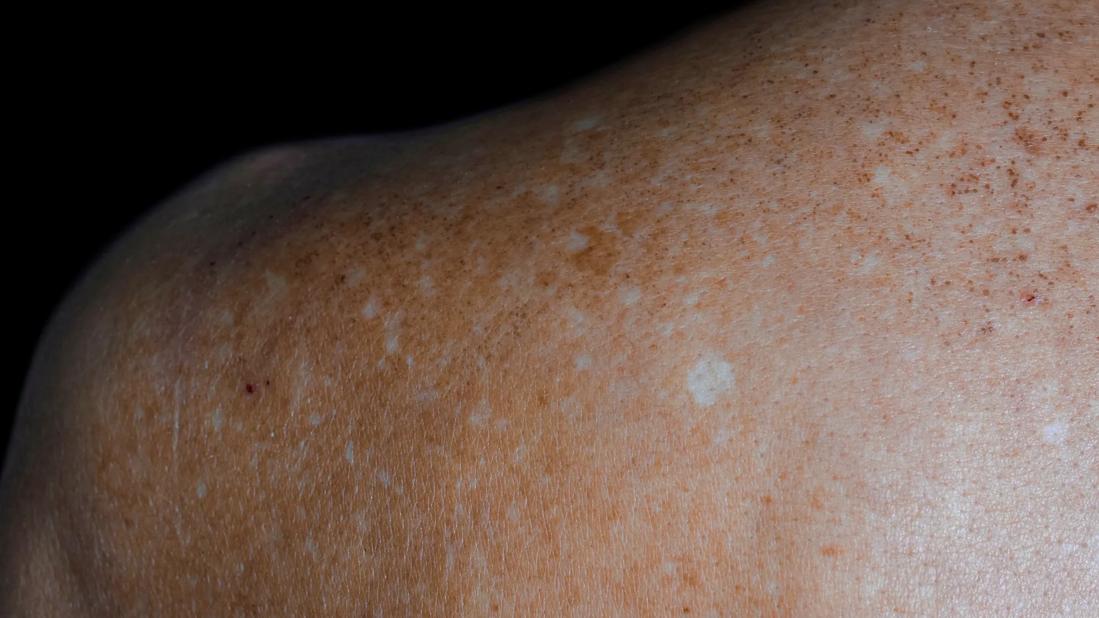
Noticing white spots on your skin can be unsettling. One day your skin looks familiar, and the next it seems to have added tiny clouds, pale patches, or mysterious dots without asking your permission. Before you panic-scroll through the internet at 1 a.m., take a breath: white spots on the skin are common, and many causes are harmless or treatable.
The tricky part is that “white spots” is a description, not a diagnosis. A pale patch may come from dry skin, a fungal overgrowth, a healing rash, sun exposure, inflammation, or a pigment condition such as vitiligo. The location, texture, shape, speed of change, and symptoms around the spot can offer useful clues. Your skin is not trying to be dramatic. It is just using a very visual way to ask for attention.
This guide explains the most common causes of white spots on skin, how doctors tell them apart, when to schedule a dermatology visit, and what you can safely do while waiting for answers.
First, What Do “White Spots” Actually Mean?
Your skin color comes largely from melanin, a pigment produced by specialized cells called melanocytes. White or lighter-looking spots can happen when the skin makes less melanin, loses melanin, or simply becomes more noticeable against surrounding tanned skin.
Doctors often separate these changes into two broad categories:
- Hypopigmentation: The skin has less pigment than usual, so it looks lighter but may not be completely white.
- Depigmentation: The skin has lost pigment almost entirely, often creating a brighter or more sharply defined white patch.
That distinction matters because a faint, dry patch after eczema is not managed the same way as a smooth, chalk-white patch caused by vitiligo. The good news is that dermatologists are trained to spot the differences that are easy to miss in a bathroom mirror.
Common Causes of White Spots on Skin
Tinea Versicolor: A Common Fungal Overgrowth
Tinea versicolor is one of the most common explanations for small white, tan, pink, brown, or slightly scaly patches on the upper body. Despite the name, it is not the same thing as classic ringworm. It is caused by an overgrowth of yeast that normally lives on the skin.
This condition often appears on the chest, back, shoulders, upper arms, and neck. The spots may become more obvious after time in the sun because the affected skin does not tan normally. In other words, your summer glow may accidentally become a highlighter pen for uneven pigment.
Common clues include fine scaling, mild itching, clusters of spots, and patches that slowly merge into larger areas. Heat, humidity, oily skin, sweating, and warm weather can make tinea versicolor more likely. It is not dangerous, and it is not considered contagious.
Treatment may involve antifungal washes, creams, shampoos, or prescription medication when the condition is widespread or keeps returning. Even after the yeast is treated, normal skin color can take weeks or months to return, so do not assume the treatment failed just because your skin has not immediately returned to its previous shade.
Pityriasis Alba: Dry, Pale Patches Often Seen in Children
Pityriasis alba is a common cause of light-colored patches, especially in children and teenagers. It often appears on the face, neck, shoulders, or upper arms. The patches may be round or oval, slightly scaly, dry, and mildly itchy.
It is often linked with eczema or sensitive skin. Sun exposure can make the contrast more noticeable because nearby skin darkens while the dry patch remains pale. This can make a small patch suddenly look like it has rented billboard space on your cheek.
Pityriasis alba is usually harmless and tends to improve over time. Gentle skin care is important: use fragrance-free moisturizer, avoid harsh soaps, limit overly hot showers, and protect the skin from sun exposure. A clinician may recommend a mild anti-inflammatory cream if the area is itchy or inflamed.
Post-Inflammatory Hypopigmentation: Pale Marks After Healing
Sometimes white spots are not a new condition at all. They are leftovers from an old one. Post-inflammatory hypopigmentation occurs after the skin heals from inflammation or injury, such as eczema, psoriasis, acne, burns, insect bites, cuts, rashes, or skin infections.
When the skin is inflamed, pigment production can temporarily slow down. Once the rash, scrape, or breakout settles, the affected area may look lighter than the surrounding skin. This is especially noticeable in people with medium to deep skin tones because the contrast can be more dramatic.
These spots often improve gradually as pigment production normalizes, although the process can be slow. Sun protection is useful because tanning around the pale area can make the contrast look stronger. Picking, scrubbing, or repeatedly irritating the spot can also delay healing.
Vitiligo: A Pigment-Loss Condition
Vitiligo is a long-term autoimmune condition in which the immune system attacks melanocytes, the cells that make pigment. This can cause smooth white patches that may appear on the hands, face, feet, wrists, elbows, knees, skin folds, genital area, or around the mouth and eyes.
Vitiligo patches are often more sharply defined than dry-skin patches. They usually feel normal to the touch, without flaking or itch. Hair growing within the patch may turn white or gray because pigment cells in the hair follicles can also be affected.
Vitiligo can affect people of every skin tone. It is not contagious, and it is not caused by poor hygiene. In some people, the patches stay limited; in others, they expand or appear in new areas over time. Family history and other autoimmune conditions may play a role.
There is no single treatment that works for everyone, but dermatologists may recommend prescription creams, light therapy, topical immune-modulating medicines, camouflage products, or other individualized options. Treatment decisions often depend on the type of vitiligo, the location of the patches, whether the condition is spreading, and how much the changes affect daily life.
Idiopathic Guttate Hypomelanosis: Tiny White Sun-Related Spots
Idiopathic guttate hypomelanosis has a long name that sounds like it should come with a lab coat, but it usually refers to small, flat white spots that appear on sun-exposed areas. They are often seen on the forearms, shins, legs, and lower legs.
These spots are more common with age and may be associated with cumulative sun exposure. They are usually small, smooth, harmless, and not itchy. Unlike tinea versicolor, they do not typically scale. Unlike vitiligo, they are often tiny and scattered like miniature paint splatters.
They usually do not require treatment, but sunscreen can help protect the rest of the skin and reduce further sun-related pigment contrast. A dermatologist can confirm the diagnosis when the spots are new, changing, or difficult to distinguish from other causes of hypopigmentation.
Other Possible Causes of White Patches
Not every white patch fits neatly into the most common categories. Other possible causes include:
- Healing burns, scars, or chemical irritation: Damage to the skin can disrupt pigment production.
- Contact with certain chemicals: Some industrial chemicals, hair products, adhesives, and skin-lightening agents may affect pigment cells.
- Halo nevus: A mole surrounded by a pale or white ring, often caused by an immune response around the mole.
- Birthmarks or genetic pigment conditions: These may be present from childhood or develop early in life.
- Lichen sclerosus: A condition that can create pale, thin, itchy skin, often in the genital or anal area.
- Less common inflammatory or immune-related skin diseases: These may require a dermatologist’s examination and sometimes a biopsy.
Rarely, a pale, waxy, scar-like patch that grows, bleeds, crusts, becomes painful, or refuses to heal can be a warning sign of skin cancer. Most white spots are not cancer, but new, changing, or unusual lesions deserve professional attention.
How Dermatologists Figure Out What the Spots Are
A dermatologist usually begins with a detailed look at the skin and a few practical questions: When did the spots appear? Are they itchy or scaly? Did they follow a rash, sunburn, injury, or new skincare product? Are they spreading? Does anyone in your family have vitiligo, thyroid disease, eczema, or autoimmune conditions?
Depending on the appearance of the spots, the clinician may use a Wood’s lamp, which is a special ultraviolet light that helps highlight pigment changes. Vitiligo often looks brighter and more clearly defined under this light. A doctor may also gently scrape a scaly patch to test for fungus under a microscope.
In some cases, blood tests may be considered, particularly when vitiligo is suspected and there are signs of another autoimmune condition. A skin biopsy is less common but may be useful when the diagnosis is uncertain or the patch looks unusual.
When Should You See a Doctor for White Spots?
You do not need to rush to the emergency room every time you notice a pale dot. Still, it is smart to schedule a medical or dermatology visit when white spots are new, spreading, persistent, or confusing.
Make an appointment sooner if you notice:
- Rapidly expanding white patches
- Spots that are sharply outlined and completely white
- White hair appearing within a patch
- Persistent itch, pain, burning, cracking, or bleeding
- Spots on the genitals, lips, eyelids, or inside the mouth
- A new waxy, scar-like, crusty, rough, or non-healing area
- Changes in an existing mole or a pale ring developing around a mole
- White patches along with fatigue, thyroid symptoms, unexplained weight changes, or other possible autoimmune symptoms
Photographing the area every few weeks in the same lighting can help you and your clinician track whether the patch is changing. Try not to measure it after a panic-induced bathroom spotlight inspection. Natural daylight and a ruler are much more reliable teammates.
What You Can Safely Do at Home
While you wait for a diagnosis, a calm skincare routine is usually better than throwing every cream in your cabinet at the problem.
- Use broad-spectrum sunscreen with SPF 30 or higher on exposed skin.
- Moisturize dry patches with a fragrance-free cream or ointment.
- Avoid harsh scrubs, lemon juice, bleach, rubbing alcohol, and “DIY skin-lightening” remedies.
- Do not use prescription steroid creams unless a healthcare professional recommends them.
- Wear breathable clothing and shower after heavy sweating if you are prone to fungal skin issues.
- Track changes in color, texture, itch, size, and location.
It can be tempting to self-diagnose every pale spot as vitiligo, fungus, or “sun damage.” But skin conditions can mimic one another surprisingly well. A flaky patch may be fungal, dry skin, eczema, or something else entirely. The right diagnosis saves time, money, and several unnecessary jars of mystery cream.
Conclusion: White Spots Are Common, but the Cause Matters
White spots on the skin can develop for many reasons, ranging from harmless dryness and healing inflammation to fungal overgrowth, sun-related pigment changes, and vitiligo. The appearance of the spots can offer clues, but it cannot always provide a reliable diagnosis.
Scaly spots on the chest or back may suggest tinea versicolor. Dry pale patches on a child’s face may point toward pityriasis alba. Smooth, sharply defined white patches, especially with whitening hair, can raise suspicion for vitiligo. Small sun-exposed dots on the arms or legs may be idiopathic guttate hypomelanosis.
The smartest next step is simple: protect your skin from the sun, avoid aggressive home treatments, and see a dermatologist if the spots are spreading, changing, painful, persistent, or difficult to identify. Your skin does not need judgment. It needs a little detective work and, sometimes, a qualified expert with a very bright lamp.
Experiences People Commonly Have With White Spots on Skin
Many people first notice white spots in a completely ordinary moment: changing clothes, catching a glimpse of their shoulder in a mirror, seeing a vacation photo, or wondering why their legs look different after a few sunny days. The emotional reaction can be surprisingly strong. Even a small patch can make someone worry that something serious is happening, especially when online image searches offer a buffet of worst-case scenarios before breakfast.
A common experience involves someone noticing pale spots on the chest, back, or shoulders after summer. They may assume the sun “caused” the spots, but often the tan simply makes existing color differences more visible. In cases of tinea versicolor, the surrounding skin darkens while the affected patches remain lighter. People are often relieved to learn that this type of fungal overgrowth is common, treatable, and not a sign that they are dirty or contagious.
Parents frequently notice pale facial patches on children after outdoor sports, swimming, or a stretch of dry weather. The patches can look more obvious after a child gets tan, which may lead to a frantic search for answers. In many cases, dry skin, eczema, or pityriasis alba is involved. Families often find that a gentle cleanser, consistent moisturizing, sun protection, and medical guidance reduce both the dryness and the worry. The hardest part is patience, because skin color may take longer to even out than the itch takes to disappear.
Another familiar experience happens after a rash, bug bite, scratch, or acne breakout heals. The redness fades, but a lighter mark remains. People may think they created a scar permanently, especially if the mark stands out against darker skin. Post-inflammatory hypopigmentation can improve gradually, but it may take months. The waiting can be frustrating because the skin feels normal while the reflection looks unfamiliar. Taking monthly photos can make slow improvement easier to notice.
For people with vitiligo, the experience can be more emotionally layered. Some notice one small white patch that stays stable for years. Others see spots gradually appear on the hands, face, knees, or around the mouth. The condition is physically painless for many people, but its visibility can affect confidence, social comfort, clothing choices, and willingness to be photographed. Some choose treatment, some use cosmetic camouflage, and others embrace the natural pattern of their skin. There is no single “right” emotional response to a visible skin change.
People with sun-related white spots on the arms or shins often describe them as appearing “out of nowhere,” even though they may have developed gradually. Because the spots are small and painless, they are easy to overlook until summer clothing makes them more noticeable. A dermatologist may confirm that they are harmless, which can be reassuring. Still, many people use the discovery as a reminder to become more consistent with sunscreen, hats, and protective clothing.
The biggest shared lesson is that white spots rarely tell their full story at first glance. Texture matters. Location matters. Timing matters. A flaky patch is different from a smooth one. A spot that appears after eczema is different from a patch that spreads without irritation. Rather than guessing based on one photo or a social-media post, people often feel more confident after getting a professional diagnosis and a realistic plan.
Note: This article is for general education and is not a substitute for an in-person medical evaluation. A dermatologist or qualified healthcare professional can diagnose persistent, spreading, painful, or unusual white spots on the skin.