Finding out you may have a tapeworm is not exactly a “fun surprise.” It is not like discovering a forgotten twenty-dollar bill in your jeans. Still, the good news is that most intestinal tapeworm infections in humans are treatable, often with prescription antiparasitic medicine and a clear follow-up plan from a healthcare provider.
Tapeworms are flat, segmented parasites that can live in the human intestine after a person eats contaminated or undercooked food, especially certain meats or fish. Some infections cause few or no symptoms, while others may lead to stomach discomfort, diarrhea, weight changes, visible worm segments in stool, or, in rare cases, serious complications if larvae travel outside the intestines.
This guide explains how to get rid of tapeworms in humans in 12 practical steps. It also covers symptoms, testing, treatment, prevention, and real-life experience-style advice so you can handle the situation calmly instead of panic-Googling at 2 a.m. with one eye open.
What Are Tapeworms in Humans?
Tapeworms are parasitic worms that belong to a group called cestodes. They have long, ribbon-like bodies made of segments. Some tapeworms infect humans after the person eats raw or undercooked beef, pork, or fish that contains larval cysts. Once inside the intestine, the larvae can grow into adult worms.
Common human tapeworm infections include beef tapeworm, pork tapeworm, fish tapeworm, and dwarf tapeworm. The pork tapeworm deserves special attention because its eggs can cause cysticercosis, a more serious condition in which larvae form cysts in tissues such as muscle, eyes, or the brain. When the brain is involved, the condition is called neurocysticercosis and may cause seizures, headaches, confusion, or other neurological symptoms.
Common Symptoms of Tapeworm Infection
Many people with intestinal tapeworms have mild symptoms or no symptoms at all. That is one reason diagnosis matters: feeling “mostly fine” does not always mean the parasite has packed its tiny suitcase and left.
Possible intestinal tapeworm symptoms include:
- Abdominal pain or cramping
- Nausea
- Diarrhea or changes in bowel habits
- Loss of appetite or unexplained hunger
- Unexplained weight loss
- Fatigue
- Visible white, rice-like, or noodle-like segments in stool
- Anal irritation, especially if segments pass from the body
Warning symptoms that need urgent medical care:
- Seizures
- Severe or persistent headache
- Confusion or trouble focusing
- Vision changes
- Severe abdominal pain
- Repeated vomiting
- Signs of dehydration
- Symptoms after travel to an area where sanitation or food safety may have been limited
How to Get Rid of Tapeworms in Humans: 12 Steps
Step 1: Do Not Rely on Guesswork
The first step is simple: do not diagnose yourself based only on internet photos, stool appearance, or a sudden wave of bathroom-related anxiety. Tapeworm symptoms can overlap with many other digestive issues, including food poisoning, irritable bowel syndrome, inflammatory bowel disease, hemorrhoids, and other intestinal parasites.
If you see something unusual in your stool, note what it looked like, when it happened, and whether it moved. Avoid poking around too much like a detective in a very unfortunate crime scene. Instead, contact a healthcare provider and ask whether you should submit a stool sample.
Step 2: Save Evidence Safely If You Notice Worm Segments
If you pass a visible segment that looks like a small white grain of rice, flat noodle, or moving piece, your provider may want to examine it. Use a clean disposable container if instructed. Do not handle stool or suspected worm material with bare hands. Wear gloves if available, wash your hands thoroughly, and keep the container sealed.
This may feel awkward, but it can help identify the type of tapeworm. Correct identification matters because treatment and follow-up can differ depending on the species.
Step 3: See a Healthcare Provider for Testing
A healthcare provider may order stool testing to look for tapeworm eggs or segments under a microscope. Because eggs and segments may not appear in every bowel movement, testing often requires more than one stool sample collected on different days.
Your provider may also ask about travel, diet, exposure to undercooked meat or fish, household contacts, pets, sanitation, and symptoms. Be honest. This is not the time to pretend the gas-station sushi never happened.
Step 4: Understand the Difference Between Intestinal Tapeworms and Cysticercosis
Intestinal tapeworm infection usually means an adult worm is living in the intestine. Cysticercosis is different. It happens when a person swallows pork tapeworm eggs, and the larvae travel into body tissues. This can happen through fecal contamination of food, water, or surfaces.
Why does this matter? Because intestinal tapeworms are often treated with a single-dose prescription medication, while cysticercosis may require imaging tests, specialist care, anti-inflammatory medicine, anti-seizure medicine, antiparasitic therapy, or sometimes surgery. If neurological symptoms are present, medical evaluation should happen quickly.
Step 5: Take the Prescription Antiparasitic Medication Exactly as Directed
The most common treatment for intestinal tapeworms is prescription antiparasitic medication. Praziquantel is frequently used for many tapeworm infections. Other medications, such as albendazole or nitazoxanide, may be used depending on the type of infection and the patient’s situation.
Do not buy random “parasite cleanses” online as a replacement for medical treatment. Many cleanse products promise dramatic results but lack strong evidence and may delay proper care. Tapeworms are not impressed by wellness marketing, and your intestines deserve better.
Step 6: Ask About Drug Interactions and Special Health Situations
Before taking medication, tell your healthcare provider about all prescription drugs, over-the-counter medicines, supplements, allergies, pregnancy, breastfeeding, liver disease, seizure history, eye symptoms, or immune system problems. This helps your provider choose the safest treatment plan.
Some tapeworm-related conditions require extra caution. For example, if cysticercosis affects the brain or eyes, killing larvae without proper medical supervision may trigger inflammation. That is why serious symptoms should never be treated with do-it-yourself medication.
Step 7: Watch for Side Effects and Know What Is Normal
After taking antiparasitic medication, some people may notice mild stomach upset, headache, dizziness, nausea, or fatigue. These effects are usually temporary, but you should follow your provider’s instructions and report anything severe or unusual.
You may pass worm material after treatment. That can be unsettling, but it may also mean the medication is doing its job. If you are squeamish, try not to turn every bathroom visit into a full documentary. Just follow the plan and contact your provider if symptoms persist.
Step 8: Complete Follow-Up Testing
Follow-up matters because treatment should confirm that the tapeworm is gone. Your healthcare provider may order repeat stool tests after treatment. Depending on the tapeworm species, follow-up timing may vary.
Do not skip this step just because symptoms improve. Tapeworm segments can stop appearing for a while, and mild infections may be sneaky. A clean follow-up gives you peace of mind and helps prevent ongoing transmission.
Step 9: Improve Bathroom Hygiene Immediately
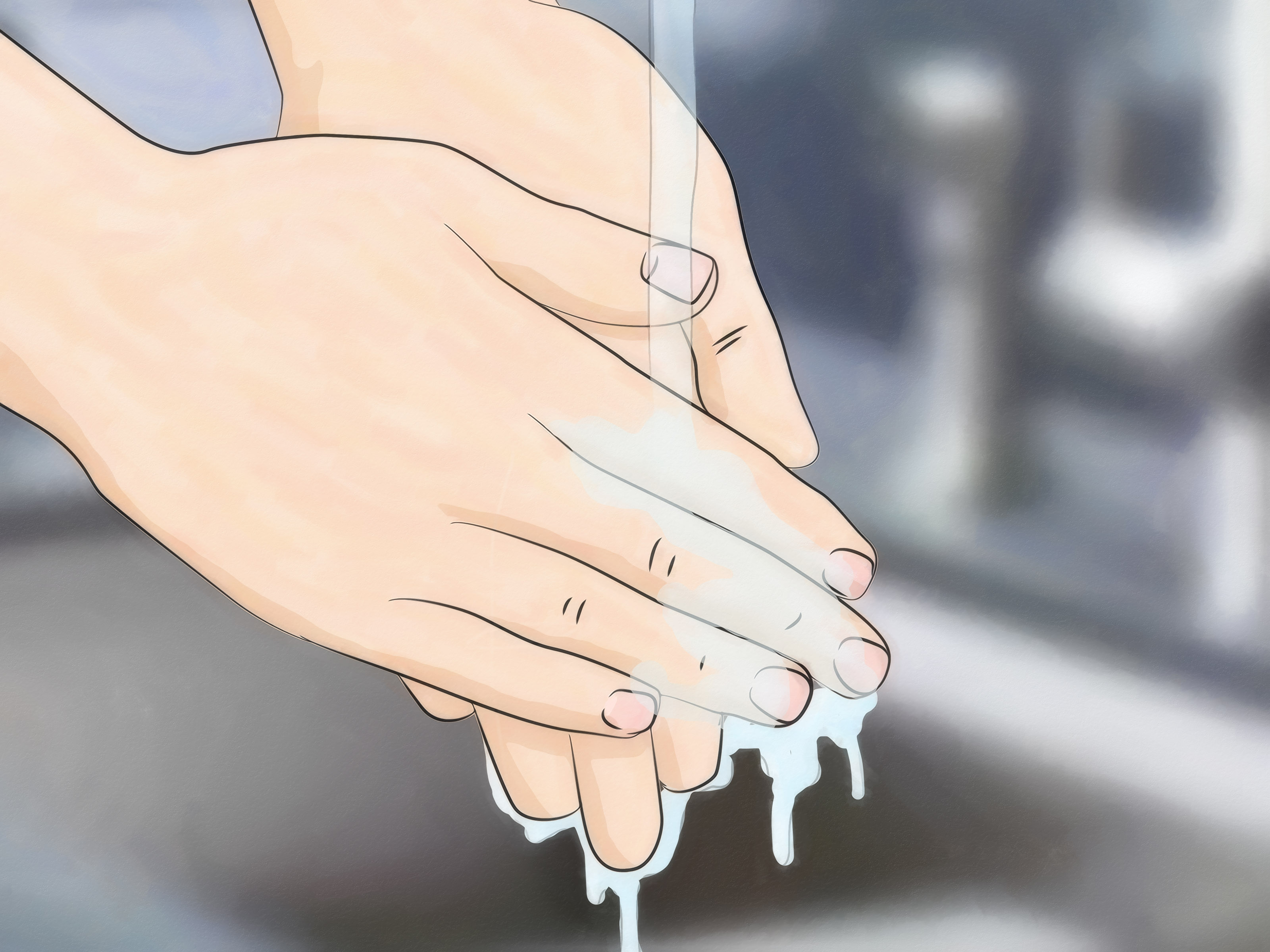
Good hygiene helps prevent spreading tapeworm eggs, especially if pork tapeworm is involved. Wash your hands with soap and warm water after using the bathroom, before cooking, before eating, and after changing diapers or helping someone else in the bathroom.
Keep fingernails short and clean. Clean bathroom surfaces regularly. If someone in the household is infected, everyone should be extra careful with handwashing. This is not glamorous, but it is powerful. Soap is small, humble, and surprisingly heroic.
Step 10: Cook Meat and Fish Safely
Prevention starts in the kitchen. Cook whole cuts of beef, pork, veal, and lamb to a safe internal temperature and allow proper rest time. Ground meats should be cooked thoroughly because grinding can spread contamination throughout the meat. Use a food thermometer rather than guessing by color.
For fish, especially fish intended to be eaten raw or undercooked, safe handling and proper freezing practices are important because some parasites can survive casual preparation. Home freezers may not always meet commercial parasite-destruction standards, so be cautious with homemade raw fish dishes.
Step 11: Be Careful When Traveling
Tapeworm risks can increase in areas where sanitation, meat inspection, or food handling standards are inconsistent. When traveling, choose food that is cooked thoroughly and served hot. Avoid raw or undercooked pork, beef, and freshwater fish. Drink safe water, peel fruits yourself when possible, and wash hands often.
A street-food adventure can be wonderful, but your digestive tract does not need to become a souvenir shop for parasites. When in doubt, choose cooked foods that are steaming hot.
Step 12: Treat Pets Separately and Correctly
People sometimes panic when a dog or cat has tapeworms and assume the whole family is doomed. In most cases, pet tapeworms are different from the common beef, pork, or fish tapeworms in humans. Dogs and cats often get tapeworms after swallowing infected fleas.
Still, pet infections should be treated by a veterinarian, and flea control is essential. Do not take your pet’s dewormer, and do not give human medication to pets unless a veterinarian prescribes it. Sharing snacks is sweet. Sharing antiparasitic drugs is not.
What Kills Tapeworms in Humans?
Prescription antiparasitic medication is the reliable treatment for tapeworms in humans. Praziquantel is commonly used because it affects the worm so the body can clear it. Albendazole and other medications may be used in specific cases. The right drug depends on the type of tapeworm, whether the infection is intestinal or tissue-based, and the person’s overall health.
Herbal remedies, extreme diets, garlic overload, alcohol, colon cleanses, and “parasite detox” kits are not proven replacements for medical treatment. Some may irritate the gut, interact with medications, or delay proper care. If a product claims to cure every parasite known to humanity by Tuesday, raise an eyebrow.
How Long Does It Take to Get Rid of Tapeworms?
Many intestinal tapeworm infections can be treated quickly after diagnosis, sometimes with a single dose of medication. However, the full process may take longer because follow-up stool testing is needed to confirm cure. Symptoms may improve within days, but confirmation can take weeks or months depending on the provider’s plan.
More complicated infections, such as cysticercosis or neurocysticercosis, can require longer treatment, imaging, and specialist care. Recovery depends on the number and location of cysts, symptoms, and response to treatment.
Can Tapeworms Go Away on Their Own?
It is not wise to wait for a suspected tapeworm infection to disappear on its own. Some tapeworms can live in the intestine for years. Even if symptoms are mild, an untreated infection may continue shedding eggs or segments. In the case of pork tapeworm, preventing egg spread is especially important because of the risk of cysticercosis.
If you suspect a tapeworm, the safest move is diagnosis, prescription treatment, and follow-up. It is less dramatic than hoping the worm gets bored and leaves, but far more dependable.
Foods and Habits That Help Prevent Tapeworm Infection
Use a Food Thermometer
Meat can look cooked before it reaches a safe internal temperature. A thermometer removes the guesswork and protects everyone at the table.
Avoid Raw or Undercooked High-Risk Foods
Raw pork, undercooked beef, and improperly handled fish can increase parasite risk. If you enjoy sushi, ceviche, or rare meat, choose reputable food sources and understand that “fresh” does not automatically mean parasite-free.
Wash Produce Carefully
Wash fruits and vegetables under running water, especially if they will be eaten raw. In areas with unsafe water, use safe water for washing and food preparation.
Practice Strong Hand Hygiene
Handwashing is one of the easiest ways to reduce the spread of tapeworm eggs and other germs. Wash after bathroom use, before meals, and before handling food.
When to Call a Doctor
Call a healthcare provider if you notice worm-like segments in stool, have unexplained digestive symptoms, lose weight without trying, recently ate undercooked meat or fish, or traveled to an area with higher parasite risk. Seek urgent care for seizures, severe headache, confusion, vision problems, persistent vomiting, or severe abdominal pain.
Children, pregnant people, older adults, and people with weakened immune systems should be evaluated promptly. The same goes for anyone with neurological symptoms, because those signs may point to a more serious infection outside the intestine.
Experience-Based Tips: What People Often Learn During Tapeworm Treatment
Many people who go through a suspected tapeworm scare describe the same first reaction: embarrassment. They wonder if they did something “dirty” or whether others will judge them. In reality, tapeworm infections are medical issues, not moral report cards. A person can get infected from undercooked food, contaminated surfaces, travel exposure, or food prepared by someone else. Shame does not help; testing does.
A common experience is realizing how vague the symptoms can be. One person may have stomach cramps and diarrhea, while another notices nothing until seeing a strange segment in the toilet. That uncertainty is exactly why stool testing matters. It turns a creepy mystery into a medical answer. People often feel much calmer once a provider explains what samples to collect, how medication works, and when follow-up testing will happen.
Another practical lesson is that bathroom hygiene suddenly becomes a household priority. Families often start wiping down toilet handles, washing towels more frequently, and reminding everyone to wash hands properly. At first, this may feel excessive. Then everyone remembers how many things hands touch in a day: phones, doorknobs, snacks, pets, keyboards, and the mysterious sticky spot on the refrigerator handle nobody wants to claim. Good hygiene is not panic; it is prevention.
Food habits also tend to change after a tapeworm scare. People become more serious about using a meat thermometer instead of relying on color. They may cook pork more carefully, choose reputable seafood sources, or think twice before eating questionable raw fish. This does not mean life becomes boring. It means the kitchen gets smarter. A thermometer is not a buzzkill; it is a tiny safety manager with no attitude.
Some people are surprised that treatment is not always complicated. For many intestinal tapeworm infections, the provider may prescribe a medicine taken by mouth, then schedule follow-up testing. The hard part is often psychological: waiting, checking symptoms, and trying not to inspect every bathroom trip like a forensic investigator. A helpful approach is to follow the instructions, write down symptoms, and avoid spiraling into worst-case scenarios.
People also learn that pets need their own care plan. If a cat or dog has tapeworms, the veterinarian handles pet treatment, usually along with flea control. Human and pet tapeworm situations can overlap emotionally, but they are not always the same medically. The best experience is coordinated care: doctor for humans, veterinarian for animals, and a serious flea-prevention plan for the household.
Finally, many people come away with a more balanced view. Tapeworm infection sounds terrifying, but intestinal cases are often treatable. The key is not bravado, denial, or a cabinet full of internet cleanse products. The key is prompt testing, correct medication, hygiene, safe cooking, and follow-up. In other words: stay calm, call the doctor, and let evidencenot panicdrive the plan.
Conclusion
Getting rid of tapeworms in humans starts with accurate diagnosis and ends with confirmed treatment success. The most reliable approach is to see a healthcare provider, complete stool testing, take prescription antiparasitic medication as directed, and follow up to make sure the infection is gone.
At the same time, prevention matters. Cook meat and fish safely, wash hands well, be cautious with raw foods, practice good bathroom hygiene, and treat pet parasites through a veterinarian. Tapeworms may be unsettling, but with the right medical care and a few smart habits, they are usually a solvable problemnot a lifelong horror movie in your digestive system.