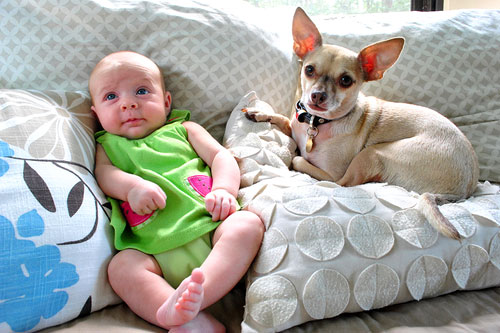
Pets have a remarkable talent for needing medical attention at the least convenient moment. A dog may swallow a sock on Sunday night. A cat may suddenly stop eating during a holiday weekend. Somehow, neither animal remembers to check whether the emergency clinic accepts coupons.
Pet insurance can reduce the financial shock of unexpected veterinary care, but it does not work exactly like human health insurance. Coverage depends on the type of plan, the insurer’s definitions, your pet’s medical history, waiting periods, deductibles, reimbursement percentage, annual limit, and several pages of policy language that are considerably less entertaining than your pet.
So, what does pet insurance cover? Most comprehensive policies cover eligible veterinary expenses related to new accidents and illnesses. That may include diagnostic testing, emergency care, hospitalization, surgery, prescription medication, cancer treatment, and treatment for certain hereditary conditions. Routine care, pre-existing conditions, grooming, and elective procedures are commonly excluded unless special coverage is added.
The Three Main Types of Pet Insurance Coverage
Before comparing individual benefits, it helps to understand the three basic types of pet coverage sold in the United States.
Accident-Only Coverage
Accident-only insurance is designed for injuries caused by unexpected events. Depending on the policy, it may help pay for treatment after:
- A car accident
- A broken bone
- An animal bite
- A burn or cut
- Poisoning
- Swallowing a foreign object
- A traumatic dental injury
This is usually the narrowest and least expensive form of pet insurance. It generally does not cover infections, allergies, cancer, arthritis, diabetes, digestive disease, or other illnesses. Accident-only coverage may appeal to owners seeking basic emergency protection or to those whose older pets are not eligible for broader plans.
Accident and Illness Coverage
Accident and illness insurance is the most comprehensive common option. It covers eligible accidental injuries plus new diseases and medical conditions that begin after enrollment and applicable waiting periods.
Although benefits vary, these policies may cover everything from an ear infection to major cancer treatment. This is typically what people mean when they use phrases such as comprehensive pet insurance, dog health insurance, or cat health insurance.
Wellness or Preventive Care Coverage
Wellness coverage helps budget for predictable services rather than unexpected emergencies. It is often sold as an optional package, rider, or separate membership-style plan.
Depending on the benefits schedule, a wellness plan may reimburse set amounts for annual exams, vaccines, parasite tests, microchipping, routine bloodwork, flea prevention, heartworm prevention, spaying, neutering, or dental cleaning. It is important to distinguish wellness coverage from medical insurance: wellness benefits usually have predetermined allowances and are not designed to protect against a major emergency.
What Comprehensive Pet Insurance Typically Covers
Emergency Veterinary Care
Emergency treatment is one of the main reasons people purchase pet insurance. An eligible policy may cover treatment at an emergency hospital when a pet is injured, has difficulty breathing, experiences severe vomiting, suffers heatstroke, ingests a toxin, or develops another urgent condition.
Coverage can include stabilization, oxygen therapy, IV fluids, monitoring, emergency diagnostics, hospitalization, and medically necessary procedures. Most plans allow treatment by licensed veterinarians, although owners should verify whether there are geographic restrictions or special direct-payment arrangements.
Diagnostic Tests
A veterinarian cannot treat every mystery by asking a dog where it hurts, especially when the dog’s answer is always “near the snack cabinet.” Diagnostic coverage may include:
- Blood and urine tests
- X-rays
- Ultrasound examinations
- CT scans and MRI scans
- Biopsies
- Allergy testing
- Endoscopy
- Specialist consultations
Tests generally must be related to an eligible accident or illness. Screening performed as routine preventive care may require a wellness package.
Surgery and Hospitalization
Pet insurance commonly covers eligible surgeries and the associated hospital care. Examples include removing an intestinal obstruction, repairing a fracture, treating a torn ligament, removing a tumor, or performing surgery for a covered congenital disorder.
Related expenses may include anesthesia, operating-room charges, nursing care, medical supplies, hospitalization, postoperative medication, and follow-up treatment. However, an exam or consultation fee may be excluded even when the surgery itself is covered, so the policy’s treatment of veterinary visit fees deserves special attention.
Illnesses and Chronic Conditions
Accident and illness policies may cover new medical problems such as:
- Ear, urinary, or respiratory infections
- Allergies and skin disorders
- Digestive conditions
- Kidney or liver disease
- Diabetes
- Arthritis
- Heart disease
- Thyroid disorders
If a chronic condition first develops while coverage is active, treatment may remain eligible at renewal as long as the policy is continuously maintained. Still, renewal language varies. Owners should confirm that a covered condition will not later face a new limit, exclusion, or reduced benefit.
Cancer Treatment
Many comprehensive policies cover eligible cancer care, including diagnostic imaging, biopsies, surgery, chemotherapy, radiation therapy, prescription drugs, specialist visits, and hospitalization.
Cancer coverage can be especially valuable because treatment may continue for months. The practical benefit depends heavily on the annual or lifetime payout limit. A low annual cap can be exhausted quickly during complex oncology care, even when cancer is technically listed as covered.
Hereditary and Congenital Conditions
A hereditary condition is associated with inherited genetic risk, while a congenital condition is present at birth, even if symptoms appear later. Examples may include hip dysplasia, certain heart defects, intervertebral disc disease, and breed-related eye disorders.
Some insurers cover these conditions when they are not pre-existing, while others restrict them, require additional coverage, or apply extended waiting periods. This issue matters for breeds with known medical predispositions. A policy that says it covers “illness” should not automatically be assumed to cover every inherited disorder.
Prescription Medication
Medication prescribed to treat a covered accident or illness may be eligible for reimbursement. This can include antibiotics, pain medication, insulin, seizure medication, chemotherapy drugs, and long-term medication for chronic disease.
Prescription coverage is not universal. Some plans include it automatically, while others offer it as an optional benefit. Supplements, over-the-counter products, and prescription food are frequently excluded unless the policy specifically lists them.
Rehabilitation and Alternative Therapies
Some plans cover veterinarian-prescribed rehabilitation following surgery or injury. Eligible treatment may include physical therapy, hydrotherapy, therapeutic laser treatment, acupuncture, chiropractic care, or other rehabilitative services.
Coverage may be included, limited, or available only through an add-on. The therapy generally must be performed or prescribed by a licensed veterinary professional and connected to a covered condition.
Dental Injuries and Dental Illnesses
Dental coverage is one of the most inconsistent areas of pet insurance. Many policies cover accidental dental injuries, such as a tooth fractured during a fall. Some comprehensive plans also cover dental illnesses, periodontal disease, medically necessary extractions, or treatment for infections.
Routine cleaning is usually considered preventive care. Dental illness claims may also be denied when the owner has not followed required preventive dental recommendations. Always examine the definitions of dental accident, dental disease, preventive cleaning, and medically necessary treatment.
Behavioral Treatment
Certain plans cover veterinary treatment for behavioral conditions such as compulsive behavior, severe anxiety, or inappropriate elimination. Eligible care may include diagnosis, medication, and therapy supervised by a veterinarian or veterinary behavior specialist.
Obedience classes and general training are usually not covered. Behavioral symptoms documented before enrollment may also be treated as a pre-existing condition.
What Pet Insurance Usually Does Not Cover
Pre-Existing Conditions
A pre-existing condition is generally an illness, injury, symptom, or abnormality that appeared before coverage began or during a waiting period. A formal diagnosis may not be necessary. For example, if a dog limped before enrollment and was diagnosed with a knee problem later, the insurer may connect the new diagnosis to the earlier symptom.
Most insurers exclude pre-existing conditions. Some distinguish between curable and incurable conditions, allowing certain curable problems to become eligible after the pet has remained symptom-free and treatment-free for a defined period. A small number of products use other approaches, but these vary by state and policy.
Enrollment can still be useful when a pet has one excluded condition because unrelated future illnesses and injuries may remain eligible.
Routine and Preventive Care
Standard accident and illness policies commonly exclude annual wellness exams, vaccines, routine parasite screening, flea medication, heartworm prevention, nail trimming, and ordinary dental cleaning. These predictable expenses may be covered through a wellness package.
Elective and Cosmetic Procedures
Procedures performed for convenience or appearance are generally excluded. Examples may include cosmetic ear cropping, tail docking, elective declawing, or non-medically necessary surgery.
Spaying and neutering are also usually excluded from basic medical insurance because they are planned procedures, although preventive care packages may provide an allowance.
Breeding, Pregnancy, and Birth
Many policies exclude expenses related to breeding, pregnancy, fertility treatment, whelping, nursing, and routine delivery. Complications may also be excluded unless a policy explicitly provides breeding-related coverage.
Food, Grooming, Boarding, and Everyday Supplies
Pet insurance is not intended to pay for ordinary ownership costs. Food, treats, toys, leashes, bedding, grooming, boarding, training, and nonprescription supplies are generally excluded. Even prescription diets may not qualify unless specifically covered as treatment for an eligible condition.
Nonmedical Charges
Taxes, waste-disposal fees, record fees, missed-appointment charges, transportation, and administrative expenses may be removed from the eligible claim amount. Cremation, burial, or memorial expenses may require a special end-of-life benefit.
How Pet Insurance Reimbursement Works
With many pet insurance plans, the owner receives veterinary care, pays the clinic, submits a claim, and is reimbursed for eligible expenses. Some insurers can pay participating veterinary hospitals directly, but this is not available with every company or clinic.
The amount paid depends on four major factors:
- Eligible charges: The portion of the bill covered by the policy.
- Deductible: The amount the owner must pay before reimbursement applies.
- Reimbursement percentage: Common options may include 70%, 80%, or 90%.
- Coverage limit: The maximum the insurer will pay during the policy period or for a particular condition.
Consider a $4,000 veterinary bill. Suppose $3,700 is eligible, the annual deductible is $500, and the reimbursement rate is 80%. Under a common calculation method, the insurer would reimburse 80% of the remaining $3,200, or $2,560. The owner’s total cost would be $1,440, including the deductible, coinsurance, and $300 in excluded charges.
This is only an illustration. Some insurers apply the reimbursement percentage before the deductible, use per-condition deductibles, follow benefit schedules, or calculate claims differently.
Important Coverage Details People Commonly Miss
Waiting Periods
Coverage rarely begins immediately for every condition. A policy may have one waiting period for accidents, another for illnesses, and a longer period for orthopedic conditions. Any symptoms that appear during a waiting period may be classified as pre-existing.
Exam Fees
A policy might cover the diagnostic tests and medication from a sick visit while excluding the veterinarian’s examination fee. Emergency and specialist consultation charges can be substantial, making this small-looking detail surprisingly important.
Annual Versus Per-Condition Deductibles
An annual deductible is usually paid once across eligible claims during a policy year. A per-condition deductible may apply separately to each medical problem. Either design can be reasonable, but they produce different costs depending on whether a pet experiences one chronic illness or several unrelated problems.
Bilateral Conditions
A bilateral condition can affect both sides of the body, such as both knees, hips, eyes, or ears. Some policies treat a problem on one side as pre-existing for the opposite side. This clause can matter for pets prone to cruciate ligament injuries or orthopedic disease.
Annual and Lifetime Limits
Policies may provide unlimited annual benefits, an annual maximum, a lifetime cap, or a maximum for each condition. Higher limits provide stronger protection against catastrophic bills but may increase the premium.
How to Choose Coverage That Actually Helps
Do not compare plans by monthly premium alone. A cheap policy with a low limit, broad exclusions, and no prescription coverage may cost less because it covers less.
Before enrolling, review a sample policy and ask:
- How does the insurer define a pre-existing condition?
- Are hereditary and congenital disorders covered?
- What waiting periods apply?
- Are veterinary exam fees included?
- Are prescription drugs and rehabilitation covered?
- Does the plan cover dental illness or only dental injury?
- Is the deductible annual or per condition?
- What is the reimbursement percentage?
- Are there annual, lifetime, or per-condition limits?
- Can the policy be used at emergency and specialty hospitals?
- How are chronic conditions handled at renewal?
- Does the insurer require medical records or an enrollment exam?
Requesting a medical-record review soon after enrollment can also be helpful. It may identify exclusions before an emergency occurs, rather than introducing them through a claim denial at the worst possible time.
Is Pet Insurance Worth It?
Pet insurance is most useful as protection against bills that would be difficult to absorb from savings. It is not guaranteed to return more money than the owner pays in premiums. Like other insurance products, its value comes from transferring part of an uncertain financial risk.
A household with a large emergency fund may prefer self-funding routine care while carrying a high-deductible policy for major accidents and illnesses. Another household may value a lower deductible and broader benefits because a sudden multi-thousand-dollar bill would create serious financial stress.
The right decision depends on the pet’s age, breed, medical history, local veterinary prices, available savings, and the owner’s comfort with risk. The most important step is buying coverage with a clear understanding of what the contract actually promises.
Practical Pet Insurance Experiences and Lessons
Real-world pet insurance experiences often show that the most important details are not the cheerful phrases on the quote page. The outcome usually turns on medical records, waiting periods, eligible charges, and exclusions.
Experience One: The Puppy and the Missing Sock
Imagine a healthy puppy enrolled in comprehensive coverage shortly after adoption. Several months later, the puppy swallows a sock and requires X-rays, an ultrasound, emergency surgery, anesthesia, hospitalization, medication, and follow-up care.
Because the incident occurred after the waiting period and was unrelated to any earlier condition, most of the medical treatment might qualify. However, the owner could still be responsible for the deductible, coinsurance, exam fee, taxes, and other noncovered charges.
The lesson is that “covered” does not mean “free.” It means eligible costs are calculated according to the contract. Even so, reimbursement can turn a financially alarming emergency into a more manageable expense.
Experience Two: The Cat With Repeated Digestive Symptoms
Now consider a cat that experienced vomiting several times before enrollment. The owner assumed it was caused by eating too quickly and did not receive a diagnosis. After the policy began, the cat was diagnosed with chronic gastrointestinal disease.
An insurer could examine the earlier veterinary notes and decide that the vomiting was a clinical sign of the later illness. The claim might therefore be excluded as pre-existing even though the diagnosis came after enrollment.
This experience illustrates why owners should not think of “pre-existing” as meaning only a formally diagnosed disease. Symptoms, treatment recommendations, abnormal test results, and documented observations may all matter. It also shows why hiding information or delaying veterinary treatment is a terrible strategy. Aside from risking the pet’s health, incomplete records can create additional claim complications.
Experience Three: The Surprisingly Complicated Dental Claim
Suppose a dog develops periodontal disease and needs extractions. The owner remembers reading that the policy includes dental coverage, but the insurer distinguishes between dental accidents, dental illness, and routine cleaning.
The extractions might be covered under a dental illness benefit, subject to a separate annual maximum. The cleaning portion, however, might be treated as preventive care and excluded. Coverage could also depend on whether the dog received recommended dental exams and preventive treatment in previous years.
The lesson is to ask what kind of dental care is covered, not simply whether the plan “has dental.” One word on a comparison chart can hide several pages of conditions.
Experience Four: The Chronic Condition That Makes Renewal Valuable
Consider a young dog that develops allergies two years after enrollment. Testing, prescription medication, specialist visits, and recurring treatment may continue for years. If the allergies began while the policy was active and remain covered at renewal, maintaining continuous insurance can provide meaningful long-term value.
Canceling the policy and moving to another company may cause the allergy to become a pre-existing condition under the new plan. This is why switching providers is more complicated after a pet develops a chronic illness. A cheaper quote may not compensate for losing coverage of an established medical problem.
The Biggest Practical Lesson
The best pet insurance experience usually begins before the first claim. Owners who enroll while a pet is healthy, read the sample contract, understand the deductible, check the exclusions, and keep organized veterinary records are less likely to encounter unpleasant surprises.
Pet insurance cannot prevent an adventurous Labrador from eating something shaped vaguely like lunch. It can, however, make the resulting conversation at the emergency hospital more focused on treatment and less focused on whether the family needs to sell the sofa.
Ultimately, pet insurance commonly covers new, unexpected accidents and illnessesnot every veterinary expense. The strongest policy is the one whose exclusions, limits, reimbursement rules, and optional benefits match both the pet’s health risks and the owner’s financial needs.