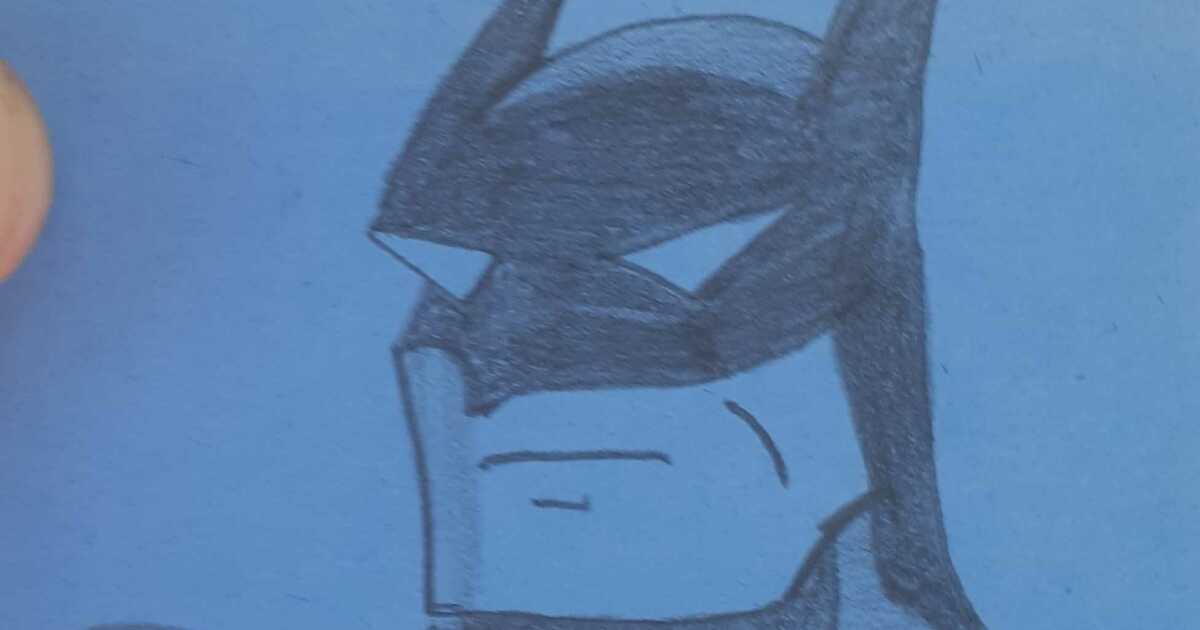
Some people debate their favorite DC superhero with detailed evidence, carefully cited comic issues, and the seriousness of a courtroom attorney. Others simply point at Batman and say, “He has a cool cape.” Both methods are valid.
The prompt “Hey Pandas, Draw Your Favorite DC Superhero” is an invitation to do more than name a beloved character. It asks fans to translate admiration into lines, shapes, colors, poses, anddepending on their confidence levelhands strategically hidden behind capes. Whether your hero is Superman, Wonder Woman, Batman, the Flash, Green Lantern, Aquaman, Cyborg, Supergirl, Nightwing, or someone from a quieter corner of the DC Universe, the challenge is the same: show what makes that character special to you.
You do not need professional art supplies, perfect anatomy, or the ability to draw a symmetrical Bat-symbol on the first attempt. A pencil, a digital stylus, or even a ballpoint pen borrowed from the kitchen drawer can begin the adventure. The goal is not to reproduce an official comic panel exactly. It is to create an original fan interpretation that carries your personality.
Why DC Superheroes Are So Much Fun to Draw
DC superheroes offer artists an unusually rich visual playground. Superman helped define the modern comic-book superhero when he appeared in Action Comics in 1938. Batman followed in 1939, bringing shadows, mystery, technology, and enough dramatic rooftop posing to keep artists busy indefinitely. Wonder Woman added mythological imagery, warrior strength, compassion, and one of the most recognizable silhouettes in popular culture.
Over time, the DC Universe expanded to include cosmic police officers, speedsters, underwater monarchs, young sidekicks, magical champions, alien survivors, detectives, monsters, and heroes who are sometimes only one bad morning away from becoming complicated antiheroes.
Every Character Has a Strong Visual Identity
A successful superhero design can often be recognized before the viewer sees the face. Batman has pointed ears, a scalloped cape, and a broad bat emblem. Superman has his shield, cape, and powerful upright posture. Wonder Woman can be identified through her tiara, bracelets, armor, lasso, and warrior-like stance. The Flash is associated with lightning motifs and poses that imply speed even when he is standing still.
These recognizable elements give beginners a useful foundation. You do not have to invent a character from nothing. You already have a visual vocabulary, and your job is to decide which details matter most.
Different Heroes Encourage Different Art Styles
Batman fits naturally into moody pencil shading, heavy ink, noir lighting, and dramatic silhouettes. Superman works beautifully with clear shapes, open skies, bold colors, and hopeful expressions. Wonder Woman invites classical composition, armor details, flowing hair, and mythological scenery. Green Lantern allows artists to create almost anything because the power ring can form objects from willpower. That is wonderful news for imaginative artists and terrible news for anyone who cannot decide what to draw.
Aquaman can be surrounded by waves, sea creatures, coral structures, or the architecture of Atlantis. Cyborg is ideal for anyone who enjoys mechanical details, glowing technology, and asking, “How many tiny metal panels can I add before I regret this decision?”
Choosing Your Favorite DC Superhero to Draw
Your favorite character does not have to be the most powerful, famous, or traditionally heroic. Choose the one whose story, personality, costume, or attitude keeps pulling you back.
Superman: Hope in Motion
Superman is an excellent subject for practicing heroic proportions and open, confident poses. His body language should usually feel steady rather than aggressive. Try drawing him rising into the sky, shielding civilians, landing after a flight, or hovering quietly above Metropolis.
His cape can reinforce the movement of the composition. A cape flowing diagonally creates energy, while one hanging almost vertically can make the scene feel calm and monumental. Pay attention to the shield on his chest, but do not let logo perfection destroy your afternoon. Sketch it lightly before committing to the final lines.
Batman: A Master Class in Silhouette
Batman is popular with artists because his design can survive enormous stylistic changes. He can appear realistic, animated, minimalist, exaggerated, gothic, futuristic, or suspiciously shaped like a rectangle with ears.
Begin with the silhouette. Make the cape, cowl, shoulders, and pose readable as one unified shape. Batman often looks more convincing when portions of his costume disappear into shadow. That means you can create atmosphere while conveniently avoiding three hours of utility-belt research.
Consider the emotional temperature of your version. Is he a frightening urban legend, a disciplined detective, an experienced Justice League strategist, or a tired father figure wondering why none of the Robins follow instructions?
Wonder Woman: Strength Without Stiffness
Wonder Woman offers an opportunity to combine grace, power, and purpose. A strong drawing should communicate balance rather than simply adding larger muscles. Use a clear line of action through the torso and legs. Her stance might resemble a warrior preparing to defend someone, an athlete launching forward, or a leader calmly holding her ground.
The Lasso of Truth can guide the viewer’s eye around the composition. It may form a circle, curve across the foreground, or lead toward an opponent outside the frame. Her bracelets can catch bright highlights, while her armor gives you room to explore metal textures without turning every surface into a chrome kitchen appliance.
The Flash: Drawing Speed Without Drawing Fifty Legs
The Flash is built for dynamic gesture drawing. Start with one sweeping action line showing where the figure is moving. Lean the torso forward, push one leg behind the body, and let the arms support the rhythm of the run.
Speed lines, lightning shapes, blurred scenery, flying debris, and stretched perspective can create motion. Keep the figure readable, however. Too many effects may make the finished artwork look less like the Fastest Man Alive and more like a red sweater caught in a washing machine.
Green Lantern: Let Imagination Do the Heavy Lifting
Green Lantern is ideal for creative fan art because the ring produces constructs shaped by imagination and will. You might draw an enormous glowing fist, a protective shield, a futuristic vehicle, a dragon, a rescue platform, or an absurdly oversized flyswatter aimed at a cosmic insect.
Use the green energy to frame the hero and establish a focal point. Transparent layers, bright edges, and reflected light can help a digital construct feel luminous. Traditional artists can achieve a similar effect by leaving selected paper areas white and surrounding them with darker tones.
Aquaman and Cyborg: Texture, Technology, and Big Design Choices
Aquaman combines royal imagery with underwater action. His trident creates strong diagonals, while his armor can be simplified into repeated scale-like patterns. Curving hair, drifting particles, bubbles, and fabric can make the surrounding water believable.
Cyborg requires a different approach. Start with large mechanical forms before adding small components. Divide the body into broad armor sections and identify where the human anatomy remains visible. Once the structure works, add seams, lights, circuitry, and technological details. Beginning with the tiny machinery is a reliable way to become lost somewhere near the left shoulder.
How to Draw a DC Superhero Step by Step
1. Decide What the Picture Is Saying
Before drawing details, write a one-sentence idea. Examples include “Supergirl catches a collapsing bridge,” “Nightwing watches Blüdhaven at sunrise,” or “Batman attempts to drink coffee without looking cheerful.” A clear idea helps you choose the pose, expression, background, and camera angle.
2. Build the Pose With a Line of Action
A line of action is a simple curve showing the direction and energy of the body. It helps prevent superhero poses from looking like identification photos. Draw the line quickly, then place simple shapes for the rib cage, pelvis, head, arms, and legs.
Gesture matters more than costume details during the early sketch. A beautifully rendered chest emblem cannot rescue a pose that appears to be waiting politely at the Department of Motor Vehicles.
3. Check Proportions and Perspective
Realistic adult figures are often measured at roughly seven to eight head lengths tall, although comic-book artists frequently exaggerate heroic proportions. Larger shoulders, longer legs, and smaller heads can make characters appear more imposing. The important thing is consistency.
Use reference images for difficult actions. Study how shoulders rotate, how weight shifts between the legs, and how limbs appear shorter when pointed toward the viewer. Foreshortening may feel strange in the sketch, but it can make punches, leaps, and flying poses appear to burst from the page.
4. Add the Costume as Clothing, Not Wallpaper
A superhero suit sits on a moving body. Fabric stretches around the shoulders, compresses near bent joints, and forms folds according to gravity. Armor behaves differently from cloth, while capes should respond to wind and movement.
Identify the essential costume features first: emblem, mask, cape, armor, belt, boots, gloves, or signature weapon. Simplify less important details so the design remains readable. You are creating fan art, not completing a technical inspection for Wayne Enterprises.
5. Establish Light and Shadow
Choose one main light source. Gotham may use a streetlamp, the Bat-Signal, or harsh moonlight. A Superman scene could be lit by sunrise. Green Lantern constructs can cast green illumination onto nearby faces and clothing. Underwater scenes may use broken beams of light filtering from the surface.
Clear lighting adds dimension and directs attention. Use the strongest contrast around the face, emblem, or main action. Background areas can be softer and less detailed.
6. Finish With Color or Confident Linework
Traditional artists can ink the drawing, use colored pencils, paint it, or leave it as a polished graphite sketch. Digital artists can separate sketches, line art, flat colors, shadows, highlights, and effects onto different layers.
Do not polish every square inch equally. A sharp focal point surrounded by simpler shapes often feels more professional than a picture where every rooftop brick demands attention.
How to Make Your DC Fan Art Feel Original
Originality does not require redesigning the entire DC Universe before lunch. Small personal choices can make familiar characters feel fresh.
Change the Setting
Place Wonder Woman in a quiet museum filled with ancient artifacts, Superman helping after a storm, the Flash delivering emergency supplies, or Aquaman cleaning plastic from the ocean. Heroes do not always need to punch a planet-sized villain. Acts of protection, kindness, investigation, and rescue can reveal just as much character.
Explore a Different Era
Try a 1930s pulp version of Batman, a medieval Green Lantern, a futuristic Wonder Woman, or a Western-inspired Justice League. Preserve recognizable symbols while adapting materials and shapes to the selected period.
Use Your Own Art Style
Your hero may be rendered as a realistic portrait, a cheerful cartoon, a dramatic comic cover, a watercolor illustration, a pixel-art sprite, or a minimalist silhouette. A simple drawing with clear personality can be more memorable than a technically complicated picture with no emotional center.
Show Personality Through Expression
Superheroes do more than glare into the middle distance. Draw Superman listening compassionately, Batman noticing a clue, Wonder Woman laughing with friends, or the Flash realizing he forgot something on the other side of the country. Facial expression and body language turn a costume into a character.
Sharing the Challenge With Other Pandas
A community art prompt works best when everyone feels welcome to participate. Beginners should not apologize for being beginners, and experienced artists should not treat the comment section like an audition for the Legion of Doom.
When sharing your drawing, mention the hero you selected, why the character matters to you, and what materials or software you used. You can also describe the most difficult part of the artwork. Honest details often make a post more engaging than simply dropping an image and vanishing into the Batcave.
When responding to someone else’s art, identify something specific that works well. Compliment the pose, expression, color choice, composition, or creative interpretation. Constructive suggestions should be respectful and useful. “The left hand could use clearer finger shapes” is feedback. “Hands are hard, LOL” is technically true but less helpful.
Artists should create an original interpretation rather than tracing or reposting someone else’s finished work. References can help with anatomy, costumes, architecture, and lighting, but the final composition should reflect the artist’s own decisions.
The Experience of Drawing a Favorite DC Superhero
A typical attempt begins with dangerous confidence. You place a clean sheet of paper on the desk, sharpen a pencil, and imagine the finished artwork already glowing with professional-level drama. Perhaps Batman stands on a gargoyle while rain falls across Gotham. Perhaps Wonder Woman blocks an impossible attack with her bracelets. In your mind, everything is cinematic. On the paper, the first circle intended to become a head looks slightly like a potato. This is not failure. This is tradition.
The next stage is negotiation. You adjust the head, sketch a torso, erase one shoulder, redraw it, and wonder whether human beings have always been shaped this strangely. The pose may feel stiff, so you introduce a stronger action line. Suddenly, the figure begins to move. That small improvement creates a burst of motivation. You are no longer arranging disconnected body parts. You are building a character with direction, weight, and purpose.
Costume details bring another emotional cycle. Drawing the cape is enjoyable because capes are forgiving. They billow, fold, twist, and conveniently cover anatomy that has become politically sensitive. Emblems are less merciful. Superman’s shield appears simple until you try to center it on a curved chest. Batman’s symbol can develop one wing larger than the other, making it look as though Gotham’s protector recently flew into a window. You erase, simplify, and try again.
At some point, the drawing stops feeling like a collection of mistakes. One eye sits correctly. A hand finally resembles a hand. The lighting begins to work. The character’s expression communicates the emotion you intended. You lean back and recognize your heronot an official studio version, but your version. That moment is the reward. It may last only ten seconds before you notice another problem with the boots, but it still counts.
Sharing the finished artwork adds a different kind of excitement. Posting creative work can feel vulnerable, especially when other participants seem more experienced. Yet community challenges reveal something encouraging: every artist solves the same visual problems differently. One person draws a highly detailed Batman in ink. Another creates a funny cartoon of the Flash arriving early for everything. Someone paints Wonder Woman in soft watercolor, while a beginner uses a basic pencil and gives her an expression full of determination.
The most memorable responses are often not the most technically advanced. They are the drawings with a clear personal connection. A fan may choose Superman because his optimism helped during a difficult period. Someone may draw Cyborg because the character’s struggle between humanity and technology feels meaningful. Another participant may choose Nightwing simply because the blue costume looks excellent, which is also a perfectly respectable artistic philosophy.
The experience teaches patience. It also teaches that improvement rarely arrives with dramatic music. It appears in small decisions: a cleaner silhouette, a better shoulder angle, a more confident line, or a shadow placed exactly where it belongs. By the end, the artist may still see imperfections, but everyone else sees a completed piece that did not exist before.
That is why drawing a favorite superhero feels appropriately heroic. You face the blank page, survive the hands, defeat the crooked emblem, and return with artwork to share. No cape is required, although wearing one while drawing is not prohibited.
Final Thoughts: Pick Up the Pencil and Answer the Call
“Hey Pandas, Draw Your Favorite DC Superhero” is not a competition to determine who can reproduce official comic art most accurately. It is a celebration of interpretation, imagination, and the wonderfully unpredictable process of turning fandom into something visible.
Choose the hero who inspires you. Build the pose with simple shapes, preserve the character’s most recognizable features, and add a personal idea that makes the image yours. Use references thoughtfully, accept that the first sketch may look strange, and remember that every accomplished artist has produced drawings they would prefer to lock permanently inside the Phantom Zone.
Now it is your turn. Will you draw Superman soaring above the city, Batman disappearing into a rooftop shadow, Wonder Woman charging into battle, the Flash racing through a storm, or a lesser-known DC hero finally receiving the spotlight? Grab your tools, trust your imagination, and show the community what heroism looks like through your eyes.