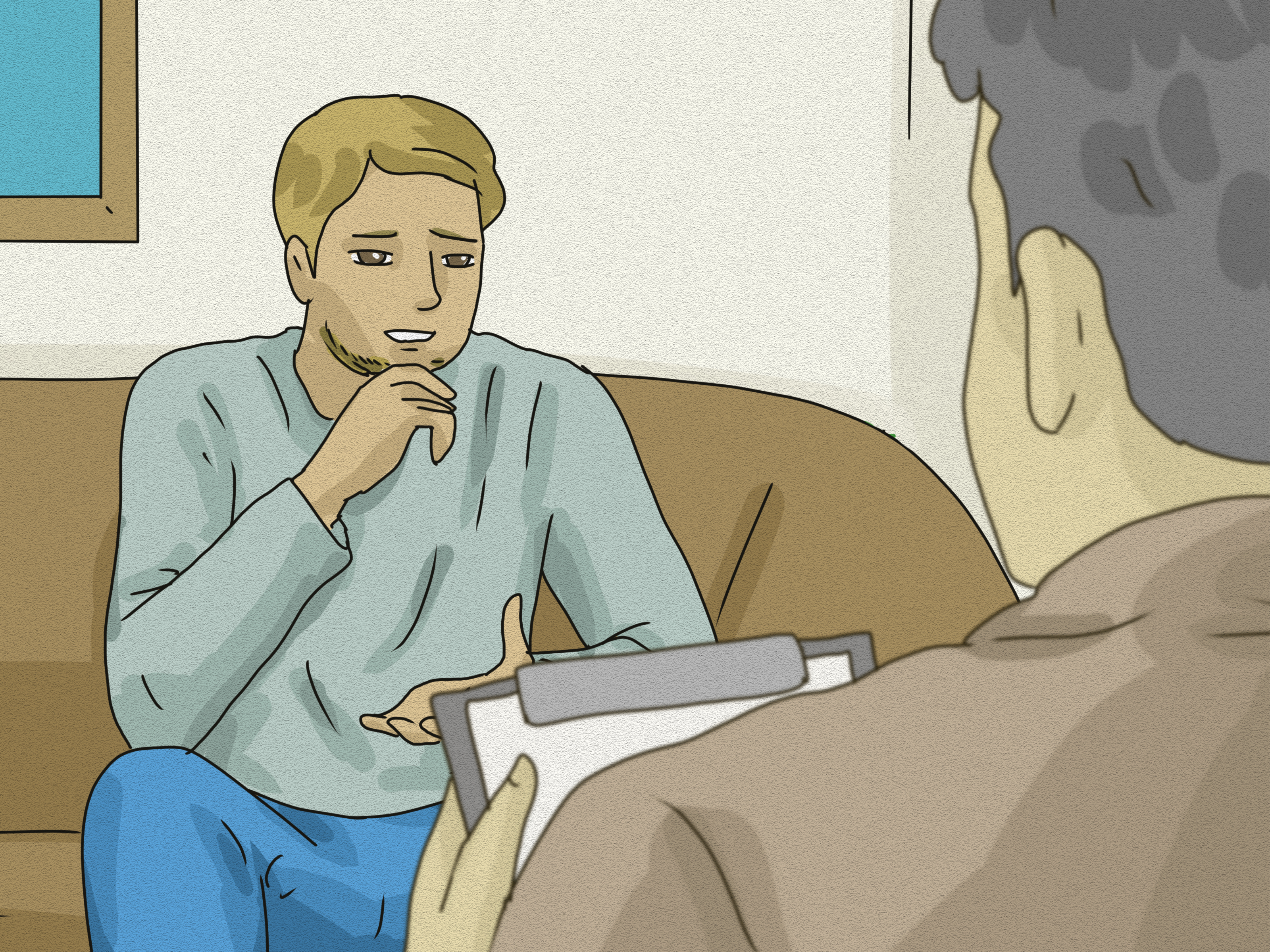
When a friend has depression, you may desperately want to help while having absolutely no idea what to do. Should you give advice? Bring food? Recommend exercise? Send a motivational quote featuring a mountain and suspiciously perfect lighting?
The most helpful answer is usually less dramatic: listen without judgment, stay consistently present, offer specific practical support, and encourage professional care. You do not need a psychology degree or a flawless speech. You need patience, compassion, and enough humility to accept that you cannot personally wrestle depression into submission.
Depression is more than temporary sadness or a rough week. It can affect mood, motivation, concentration, sleep, appetite, energy, relationships, and the ability to complete everyday tasks. Although friendship cannot replace treatment, a dependable friend can make recovery feel less lonely and help someone connect with appropriate care.
Learn What Depression Can Look Like
Before deciding how to help a friend with depression, understand that the condition does not look the same in everyone. Some people cry frequently or openly describe feeling hopeless. Others become irritable, numb, unusually quiet, exhausted, restless, or difficult to reach.
A friend may continue working, joking, posting online, or attending social events while privately struggling. Appearing productive does not prove that someone is emotionally well. People can smile in a group photo and still spend the evening fighting painful thoughts.
Common signs of depression
- Persistent sadness, emptiness, hopelessness, or irritability
- Loss of interest in hobbies, relationships, or activities
- Sleeping much more or less than usual
- Changes in appetite or weight
- Low energy or frequent complaints of exhaustion
- Difficulty concentrating, remembering, or making decisions
- Feelings of guilt, worthlessness, or being a burden
- Withdrawal from friends, work, school, or family
- Increased alcohol or drug use
- Thoughts or comments about death, self-harm, or suicide
You are not responsible for diagnosing your friend. Your role is to notice meaningful changes, express concern, and help the person access qualified support when needed.
Start an Honest, Private Conversation
Choose a calm moment when neither of you is rushing out the door. Begin with what you have observed rather than announcing a diagnosis. “You are depressed” can sound accusatory, while “I’ve noticed you haven’t seemed like yourself lately, and I’m worried about you” opens the door without pushing your friend through it.
Useful conversation starters include:
- “You seem overwhelmed lately. How are you really doing?”
- “I’ve noticed you’ve been pulling away. I care about you and wanted to check in.”
- “You don’t have to explain everything, but I’m here to listen.”
- “Would you like company, practical help, or simply someone to sit with you?”
Your friend may not respond immediately. They may say they are fine, change the subject, or become defensive. Do not turn the conversation into a courtroom cross-examination. Let them know the offer remains open and check in again later.
Listen Without Trying to Repair Everything
Many people listen while secretly preparing their next sentence. Try listening to understand instead. Allow pauses. Ask gentle follow-up questions. Reflect what you hear: “That sounds exhausting,” or “It makes sense that you feel overwhelmed after dealing with that.”
Validation does not mean agreeing with every negative belief. It means acknowledging that the pain feels real. If your friend says, “I feel useless,” you do not need to confirm the conclusion. You might respond, “I’m sorry you’re feeling that way. I don’t see you as useless, but I understand that the feeling is very strong right now.”
Avoid immediately comparing their experience with your own. A brief connection can be helpful, but a ten-minute story about your worst semester may accidentally transform their disclosure into your autobiography.
What not to say to someone with depression
- “Just cheer up.”
- “Other people have it worse.”
- “You have so much to be grateful for.”
- “It’s all in your head.”
- “You need to think positively.”
- “You don’t look depressed.”
- “I know exactly how you feel.”
These phrases may be well intended, but they can make a person feel blamed, dismissed, or ashamed. Depression is not a gratitude shortage, a character flaw, or a bad attitude that can be corrected by purchasing a cheerful coffee mug.
Offer Specific, Manageable Help
“Let me know if you need anything” sounds kind, but it gives a struggling person another decision to make. Depression can turn basic choices into an exhausting internal committee meeting. Offer one or two concrete options instead.
For example:
- “I’m going to the grocery store. Can I bring you a few essentials?”
- “Would you like me to drive you to your appointment?”
- “I can bring dinner on Tuesday or Thursday. Which day is better?”
- “Want me to sit with you while you call the clinic?”
- “Could I help with laundry, dishes, or taking the dog out?”
Keep the task small and make it easy to decline. Your goal is to reduce pressure, not create an unofficial rescue operation complete with a clipboard and matching uniforms.
Encourage Professional Treatment
Depression is treatable, and care may include psychotherapy, medication, support groups, lifestyle changes, treatment for an underlying medical condition, or a combination of approaches. A primary care clinician can be a practical starting point, especially when your friend does not know how to find a mental health professional.
Avoid delivering an ultimatum unless immediate safety is involved. Instead, connect treatment to what your friend has shared:
“You’ve said that getting through each day feels almost impossible. I think you deserve support from someone trained to help with this. Would you be open to contacting a doctor or therapist?”
You can also help with the administrative obstacles that become enormous during depression. Offer to research providers, check insurance directories, identify community clinics, write down questions, provide transportation, or wait nearby during an appointment.
Respect your friend’s autonomy. You can encourage care without selecting a treatment, criticizing medication, interpreting symptoms, or acting as an amateur therapist. Professional decisions belong to your friend and their qualified health care providers.
Stay in Touch Without Demanding a Performance
Depression often leads people to cancel plans, ignore messages, or withdraw because conversation feels tiring. Continue checking in, but do not require an upbeat response.
Low-pressure messages can help:
- “No need to reply. I’m thinking of you.”
- “I’m free for a quiet walk this afternoon if company would help.”
- “I can come over and watch something completely undemanding.”
- “I’ll check in again tomorrow. You’re not bothering me.”
Invite your friend to simple activities without treating participation as a cure. A short walk, familiar movie, easy meal, or ten-minute visit may feel more manageable than a crowded party. If they decline, do not guilt them. Keep the invitation open.
Know When to Ask About Suicide
Take comments about hopelessness, death, self-harm, or being a burden seriously. Warning signs can also include giving away possessions, saying goodbye, researching suicide methods, suddenly becoming calm after severe distress, or increasing alcohol and drug use.
If you are concerned, ask directly and calmly: “Are you thinking about suicide?” Asking this question does not plant the idea in someone’s mind. It gives the person permission to speak honestly and allows you to respond to the actual level of danger.
If your friend says yes
- Stay calm and take the answer seriously.
- Ask whether they have a plan, access to a method, or an intention to act soon.
- Do not leave them alone when the risk appears immediate.
- Do not promise to keep suicidal thoughts secret.
- Help move firearms, medications, or other lethal means out of reach when you can do so safely.
- In the United States, call or text 988 with your friend for crisis support.
- Call 911 or go to the nearest emergency department when there is immediate, life-threatening danger.
You may contact 988 yourself when you need guidance about helping another person. Crisis counselors can help you think through the situation rather than expecting you to become a one-person emergency response department.
Follow Up After a Difficult Day or Crisis
Support matters after the immediate crisis has passed. Send a message, visit when appropriate, or help your friend follow their safety and treatment plans. A person may feel embarrassed after disclosing suicidal thoughts, so make it clear that you are glad they told you.
Try saying, “Thank you for trusting me. I’m still here, and you do not need to pretend that everything is fixed.” Consistent follow-up communicates that your concern was genuine rather than a one-time reaction to an alarming conversation.
Respect Boundaries While Protecting Safety
Helping a friend with depression does not require being available every hour, paying every expense, accepting cruel behavior, or taking sole responsibility for the person’s survival. Healthy boundaries protect both people.
You might say, “I care about you, but I cannot talk tonight after 11. I can call tomorrow morning, and we can contact 988 now if you are in crisis.” Clear limits are more dependable than promises you cannot sustain.
Encourage a wider support network that may include relatives, other friends, therapists, physicians, support groups, school counselors, faith leaders, or community services. One friend should not be the entire mental health care system.
Take Care of Your Own Mental Health
Supporting someone through depression can bring worry, sadness, guilt, frustration, and exhaustion. Make time for sleep, exercise, relationships, hobbies, and your own health care. Speak with someone you trust while protecting your friend’s privacy, or seek counseling when the situation is affecting your well-being.
Self-care is not abandonment. It helps you remain steady, compassionate, and realistic. You cannot offer useful support when your emotional battery is flashing red and you keep insisting it has another six hours left.
Experience-Based Lessons: What Helping Often Looks Like in Real Life
Real-life support is rarely one inspiring conversation followed by a triumphant musical montage. It is usually quieter, slower, and less organized. The following composite experiences reflect common situations described by people who have supported friends with depression.
The unanswered messages
Imagine that your friend has stopped responding. Your first few messages receive no answer, and you begin wondering whether they are angry. A common mistake is to make the silence personal: “I guess you don’t want to be friends anymore.” That message adds guilt to a person who may already feel guilty about everything.
A more supportive response is consistent but undemanding: “You don’t have to reply. I’ll check in Wednesday. I care about you.” When Wednesday arrives, follow through. The friend may not respond for days, but your steady presence shows that isolation does not automatically cancel the relationship.
The plan that keeps getting canceled
Another familiar experience involves repeated cancellations. You arrange dinner, then receive a last-minute message saying your friend cannot come. After the third cancellation, frustration is understandable. Instead of abandoning invitations or pretending you are never disappointed, adjust the scale.
Offer a ten-minute porch visit, a drive with no destination, or a movie at home where conversation is optional. At the same time, maintain your own plans. You can be flexible without placing your entire life on standby.
The first therapy appointment
A friend may agree that therapy could help but become stuck before making an appointment. The process of comparing providers, checking insurance, completing forms, and making phone calls can feel overwhelming. Practical support can turn a vague recommendation into an achievable step.
You might sit together while your friend identifies three providers, help prepare a short voicemail, or offer transportation. The important lesson is to work beside the person rather than taking over. Recovery is supported by autonomy, not by having a friend seize the steering wheel and announce a surprise destination.
The difficult disclosure
Sometimes a friend admits they have been thinking about suicide. Your heart may race, and your instinct may be to say, “You don’t mean that.” Real experience shows why calm directness matters. Thank them for telling you, ask about immediate danger, stay with them, and connect with crisis or emergency services.
Afterward, you may feel shaken. Seek support for yourself, because witnessing a crisis can be emotionally intense. You are not weak for needing help after helping someone else.
The slow and uneven recovery
Perhaps the most important experience-based lesson is that improvement is rarely a straight line. Your friend may have several good days and then struggle again. A treatment may help only partly. A therapist may not be the right fit. Medication adjustments may take time under medical supervision.
Do not interpret a setback as proof that treatment failed or that your support was pointless. Celebrate modest progress: attending an appointment, eating a meal, answering a message, taking a shower, or asking for help before a crisis becomes more severe.
Your job is not to produce a dramatic transformation. It is to help create conditions in which your friend feels heard, respected, safer, and less alone while qualified professionals address the illness.
Conclusion
Learning how to help a friend with depression begins with accepting a simple truth: you do not need perfect words. Pay attention, begin the conversation, listen without judgment, and offer practical assistance that is easy to accept. Encourage professional treatment, remain consistent when recovery is slow, and respond immediately when suicide risk is present.
Most importantly, treat your friend as a whole person rather than a diagnosis. Depression may affect their behavior, energy, and availability, but it does not erase their personality, dignity, talents, or value. Friendship cannot cure depression, but thoughtful friendship can provide a bridge toward safety, treatment, and hope.