After a decade of writing, testing, interviewing experts, and squinting suspiciously at a surprising number of grout lines, I can tell you one thing with absolute confidence: cleaning is not about moral superiority. It is not a personality test. It is not a sacred calling bestowed upon people who alphabetize their spices for fun. Cleaning is a skill. And like every useful skill, it gets much easier once you stop doing it the hard way.
Over the past 10 years, I have learned that the biggest breakthroughs are rarely glamorous. They are not magic sprays, twelve-step gadget systems, or a mystery paste whipped up at 11 p.m. because someone online swore it changed their life. The real game-changers are simple, repeatable habits that save time, reduce mess, and make your home feel calmer on an ordinary Tuesday.
So if you are tired of spending your weekend chasing crumbs, water spots, and that one sticky kitchen counter patch that seems to regenerate overnight, here are the most life-changing cleaning tips I have learned the hard way, the smart way, and sometimes the “well, that was a terrible idea” way.
1. Decluttering Comes Before Cleaning, Every Single Time
This is the tip that changed everything for me. If your counters are crowded, your floors are sprinkled with rogue socks, and your dining chair has become a part-time laundry rack, you do not have a cleaning problem first. You have a stuff-in-the-way problem.
Once I stopped trying to clean around clutter, the whole job became dramatically faster. Wiping a clear bathroom vanity takes 20 seconds. Wiping a vanity covered in bottles, cotton pads, hair tools, and a candle you forgot to light in 2024 takes half your patience and most of your afternoon.
Now I do a quick reset before I clean any room: toss trash, return items to their proper home, and remove anything that does not belong there. The space instantly looks better, and actual cleaning becomes less of a contact sport.
2. Clean Top to Bottom, Dry Before Wet
I used to vacuum first, then dust shelves, then wonder why the floor looked like it had emotionally relapsed. The answer was simple: gravity. Dust, crumbs, and lint all fall downward. If you clean floors first, you are basically volunteering to do the same job twice.
My rule now is brutally simple: start high and finish low. Ceiling fan, shelves, counters, furniture, baseboards, floors. I also try to do dry tasks before wet ones. Dust first. Then wipe. Then mop. That sequence keeps grime from turning into muddy streaks and stops me from wandering around with a sponge like a confused side quest character.
3. More Product Does Not Mean More Clean
This one surprised me early in my career. I assumed a generous squirt of cleaner meant faster results. In reality, too much product often leaves residue, attracts fresh dirt, and makes surfaces feel filmy instead of fresh. In other words, you can accidentally create a countertop that looks clean but feels like a syrup ad.
These days, I use only what the label recommends or what the surface actually needs. A lightly soiled mirror does not require a monsoon. A kitchen counter does not need to be soaked like it is preparing for a dramatic weather event. Often, less cleaner and a better cloth work better than a heavy-handed spray routine.
4. Microfiber and Slightly Damp Cloths Beat Dry Dusting
One of the most useful cleaning tips I have learned is that dust should be captured, not merely relocated. A dry paper towel or feather duster may make you feel productive for 45 seconds, but a lot of that dust simply floats somewhere else and lands later, usually with a smug expression.
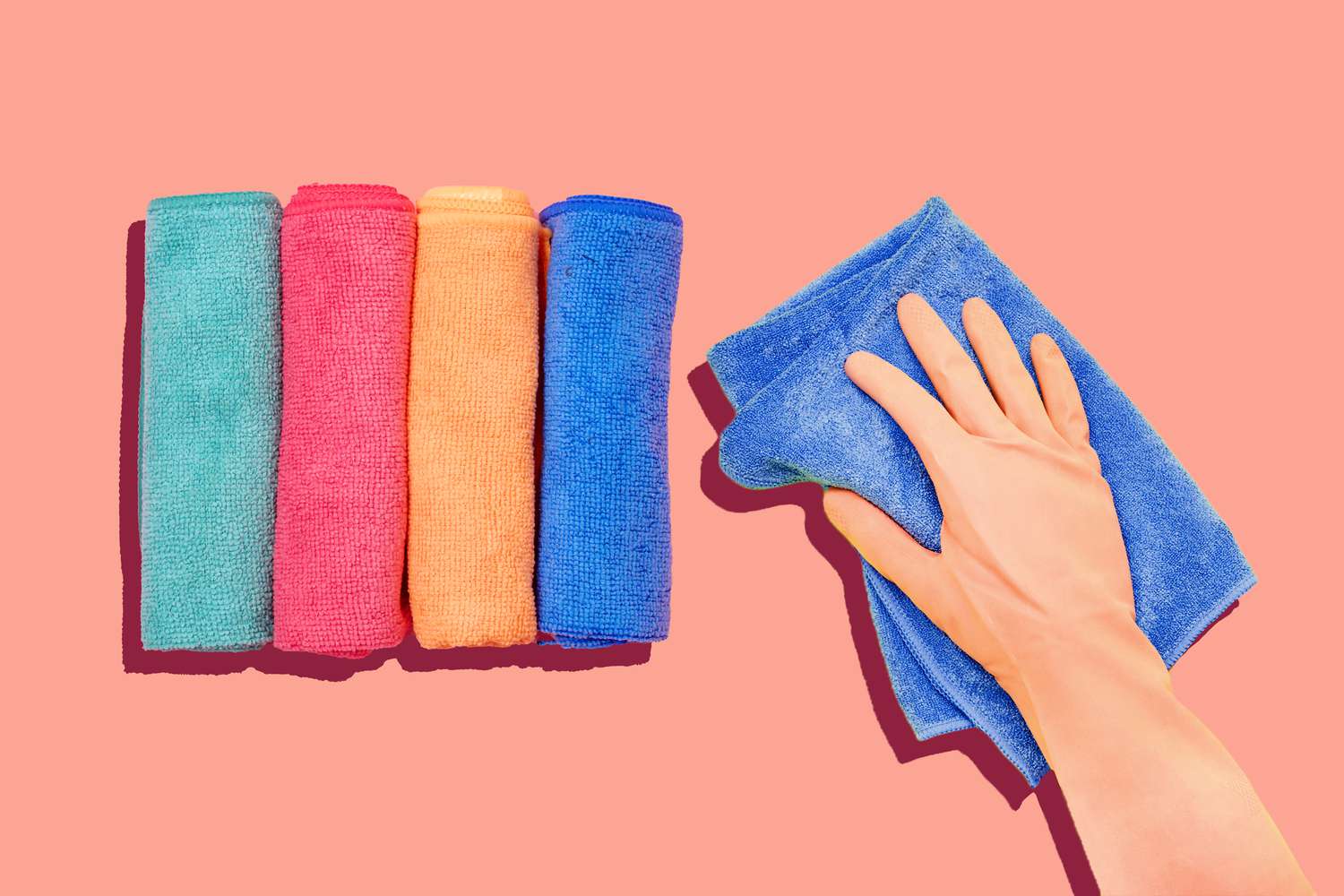
For everyday dusting, I reach for microfiber or a slightly damp cloth. It grabs dust instead of launching it into the atmosphere like confetti at a parade. I also wait a bit before I clean the floors if I have done a lot of dusting. That pause gives airborne particles time to settle, which means my vacuum or mop can actually finish the job.
5. Cleaning and Disinfecting Are Not the Same Job
This distinction should be printed on every spray bottle in giant letters. Cleaning removes dirt, grease, and a lot of germs from surfaces. Disinfecting is the separate step that kills germs using specific chemicals. They are related, but they are not interchangeable.
That matters because many people jump straight to disinfecting without cleaning first. But if crumbs, grime, or soap scum are still sitting on the surface, the disinfectant cannot do its best work. I reserve disinfecting for moments when it actually makes sense, like after illness, around high-touch surfaces, or during extra-germy seasons. The rest of the time, good old-fashioned cleaning does plenty.
6. Read the Label Like It Owes You Money
I cannot believe how long I treated cleaning labels as decorative literature. But once I started reading them, my results improved immediately. Product labels tell you how much to use, what surfaces are safe, whether you need gloves, and how long the product needs to remain on a surface to work properly.
This is especially important with disinfectants. If the label says the surface has to stay visibly wet for a certain contact time, you cannot spray it, wipe it off instantly, and declare victory. That is not disinfecting. That is performance art.
Now I always check whether a product is meant to clean, disinfect, degrease, descale, or do one specific thing really well. Matching the product to the problem saves time, frustration, and several unnecessary passes with a rag.
7. Never Mix Cleaners, No Matter How Tempting the “Hack” Sounds
Over the years, I have seen plenty of viral cleaning shortcuts that promise dazzling results with two common products mixed together. Sometimes that ends in disappointment. Sometimes it ends in dangerous fumes. Neither is a good use of a Thursday.
If I use more than one product in a cleaning session, I use them separately and intentionally. Clean first, rinse or wipe away residue if needed, then move on to the next step. Bleach does not need a chemical sidekick. Vinegar is not invited to every surface. And “natural” does not automatically mean safe for stone, metal, wood, or your lungs.
8. Assign Cloths and Tools by Zone
Using one rag for the bathroom sink, kitchen counters, and coffee table is a great way to spread grime with enthusiasm. I learned pretty quickly that cleaning gets better when tools have jobs. Kitchen cloths for the kitchen. Bathroom cloths for the bathroom. Floor tools for the floor. Everyone stays in their lane, and life gets less gross.
You do not need a color-coded command center worthy of a professional cleaning cart, but a simple system helps. Mine is embarrassingly low-tech: one set of cloths for bathrooms, one for kitchen messes, one for dusting, and a basket for used rags waiting for laundry. It is not fancy, but it works beautifully.
9. Small Messes Are Cheap; Old Messes Charge Interest
If there is one cleaning philosophy I wish I could staple to my younger self, it is this: deal with messes early. Soap residue, stovetop splatter, toothpaste flecks, and mystery drips are all much easier to remove when they are fresh. Wait too long, and suddenly you need soaking, scrubbing, scraping, and the emotional resilience of a long-distance runner.
I now follow the “tiny now beats huge later” rule. Wipe the sink while brushing your teeth. Squeegee the shower before stepping out. Clear the stove after dinner. Give the microwave a quick pass before splatters fossilize. These jobs take under a minute, but they save me from deep-cleaning sessions that feel like I am apologizing to my own house.
10. Build a Closing Shift for Your Home
The single habit that has made my home feel the most consistently clean is what I think of as a nightly closing shift. Borrowed from retail and restaurant logic, it is a short routine that resets the space before bed so tomorrow does not start with visual chaos and passive-aggressive cereal bowls.
My closing shift usually includes five things:
- loading or running the dishwasher,
- wiping the kitchen counters and sink,
- putting obvious clutter back where it belongs,
- doing a quick sweep of high-traffic floors,
- and straightening the living room.
It takes about 10 to 15 minutes, depending on how ambitious dinner was. The payoff is huge. I wake up to a house that looks under control, which makes it easier to keep it that way. You do not need a flawless home. You just need a home that has not already picked a fight with you by 7 a.m.
11. A Cleaning Schedule Is Kinder Than Constant Catch-Up
For years, I cleaned reactively. If guests were coming over, I transformed into a whirlwind of panic and lemon-scented determination. If no one was visiting, I let things slide until some corner of the house staged a visible rebellion.
Eventually I learned that light structure beats dramatic catch-up every time. Weekly bathrooms. Fresh sheets on a set day. Kitchen wipe-downs daily. Dusting and floors on rotation. Deep cleaning seasonally. Once I gave tasks a rough schedule, cleaning stopped feeling endless and started feeling finite.
That matters more than people realize. A realistic routine removes decision fatigue. Instead of asking, “What should I clean today?” I already know. And when a house task is scheduled, it is easier to do it for 20 minutes than to postpone it for three weeks and spend half a Saturday sulking with a scrub brush.
12. The Best Cleaning Tip Is to Make the Right Thing Easier
After 10 years, I have become less interested in willpower and more interested in setup. If you want to keep a bathroom mirror clean, store the cloth nearby. If you want people to put things away, give those things a clear home. If you want less dust, use mats at the door and keep clutter from multiplying on surfaces. If you want to stay on top of dishes, load as you cook instead of creating a porcelain skyline in the sink.
A clean home is often the result of smart friction reduction. Make it easy to do the small reset. Make it obvious where things go. Make the tools easy to grab. Once I stopped designing routines for my fantasy self and started designing them for my real self, everything improved.
What 10 Years as a Cleaning Editor Really Taught Me
Here is the part no one tells you when you spend a decade writing about house cleaning: the biggest transformation is not your baseboards. It is your attitude. I started out thinking cleanliness was mostly about effort. Work harder, scrub longer, buy the right product, and your home would eventually submit. What I learned instead is that cleaning is more about systems than strength.
I have tested all kinds of advice over the years, from smart expert methods to internet tips that sounded suspiciously like dares. Some worked beautifully. Others taught me that “all-natural” does not mean “appropriate for marble,” and “viral” does not mean “wise.” I have over-sprayed mirrors, used the wrong cloth on the wrong surface, cleaned floors too early after dusting, and absolutely wasted time trying to rescue messes that would have disappeared in 30 seconds if I had handled them sooner.
But those mistakes were useful. They helped me realize that a well-kept home is rarely the result of one heroic cleaning day. It is usually the result of dozens of tiny choices that keep mess from snowballing. Put the item away now. Wipe the spill now. Run the dishwasher tonight. Replace the rag. Read the label. None of those actions are dramatic, but together they change how a home feels.
I also learned that people often confuse “clean” with “perfect.” That mindset makes cleaning heavier than it needs to be. Real homes are lived in. There will be fingerprints on the fridge, pet hair drifting through a hallway, and a chair that occasionally becomes a clothing intern. The goal is not to create a museum. The goal is to create a space that supports your life instead of draining it.
One of my favorite lessons from the last 10 years is that momentum matters more than intensity. A five-minute reset is not trivial. It is strategic. A weekly routine is not boring. It is freedom. A basket for clutter, a cloth under the sink, a doormat by the door, and a habit of cleaning as you go can do more for your stress level than a cabinet full of miracle products.
And maybe the most life-changing lesson of all is this: cleaning should make your home feel better, not make you feel worse. If a routine leaves you exhausted, resentful, or trapped in a perfection spiral, it needs adjusting. The smartest cleaning habits are the ones you can actually repeat. They fit your schedule, your energy, your household, and your tolerance for nonsense.
Ten years in, I still love a satisfying before-and-after. I still appreciate a sparkling sink more than any adult should probably admit. But now I know the real secret is not chasing spotless. It is building habits that keep your home manageable, comfortable, and ready for real life. That, more than any trendy hack, is what actually changes everything.
Conclusion
If I could boil 10 years of cleaning advice down to one sentence, it would be this: clean smarter, earlier, and a little more often. Declutter before you scrub, use the right amount of product, dust with tools that actually trap dirt, respect product labels, and lean on short daily resets instead of giant weekend rescue missions. Those are the habits that make a home easier to maintain and much nicer to live in.
Cleaning does not need to be perfect to be powerful. A sink can shine without a three-act storyline. A living room can feel calm without looking staged. And your routine can work beautifully even if it is built around ten quiet minutes at the end of the day. That is the real life-changing part: not a sparkling faucet, but the feeling that your home is helping you out instead of silently plotting against you.