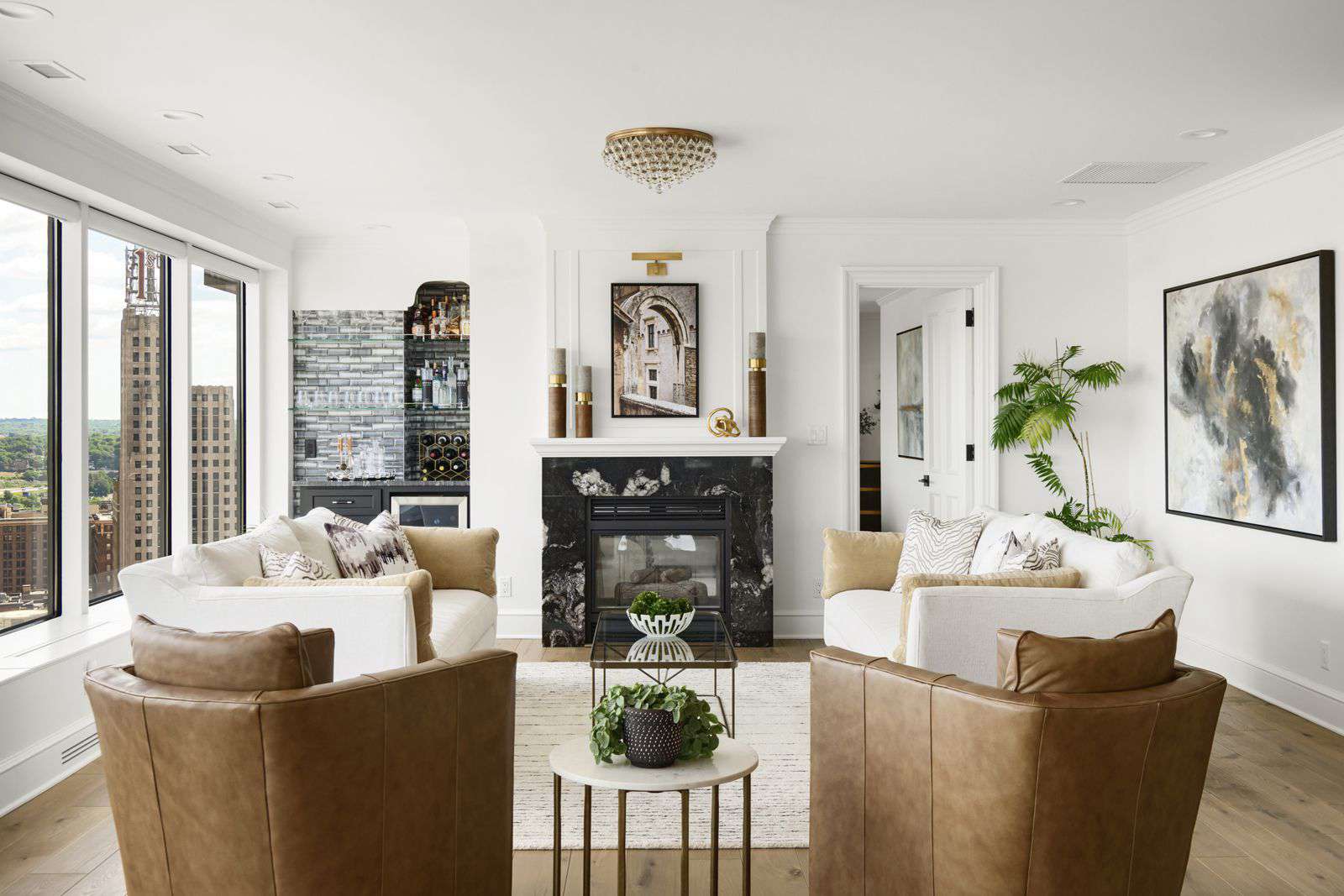
The corners in your living room are a little like the side characters in a great movie: ignore them, and the whole story feels weaker. Style them well, though, and suddenly the room feels smarter, warmer, and more complete. An empty corner can become a reading retreat, a storage hero, a mini gallery, or the perfect place for a plant that has been begging for its own spotlight.
If you have ever stared at a blank corner and thought, “Cool, I guess this is where dust lives now,” you are not alone. Designers regularly treat corners as opportunities to add function, balance, and personality without overcrowding the main seating area. The trick is to choose one clear purpose and build around it. That means your corner should not try to be a plant stand, home office, bar cart, gym, and spiritual healing portal all at once.
Below are 20 living room corner ideas that can work in small apartments, open-plan homes, cozy family rooms, and formal spaces. Some are practical, some are decorative, and a few are dangerously charming.
Why Living Room Corners Matter More Than You Think
A well-designed corner helps your whole layout feel intentional. It can soften harsh angles, fill visual gaps, improve traffic flow, add storage, and create a secondary zone for relaxing or entertaining. In smaller rooms, the right corner setup can even make the space feel larger because it removes that unfinished, awkward feeling that happens when one part of the room looks forgotten.
20 Smart and Stylish Living Room Corner Ideas
1. Create a Cozy Reading Nook
A reading nook is the classic corner idea for a reason: it works. Add an upholstered chair, a small side table, and a floor lamp, and the corner instantly becomes useful. A soft throw and one lumbar pillow are often enough to make it feel inviting without turning it into a blanket avalanche. This idea works especially well near a window, where natural light does most of the heavy lifting during the day.
2. Add a Tall Plant for Instant Life
If your corner feels flat, bring in something leafy and dramatic. A tall fiddle-leaf fig, olive tree, rubber plant, or faux tree can add height, softness, and movement. Plants are excellent at making a room feel lived-in, and they visually break up all the straight lines created by walls, sofas, and media consoles. Use a planter with some personality so the pot does not look like an afterthought.
3. Use a Sculptural Floor Lamp
Sometimes a corner does not need furniture. It just needs a reason to exist. A sculptural floor lamp adds height, shape, and ambient light while keeping the footprint small. Arched lamps, tripod lamps, and slender modern designs can all turn a dead corner into a polished design moment. Bonus: your living room gets better lighting, and everyone looks more interesting under warm lamps than under a single ceiling light.
4. Install Floating Corner Shelves
Floating shelves are great for rooms where every inch counts. They let you display books, ceramics, framed art, candles, or baskets without using floor space. In a small living room, corner shelves can make a neglected area feel custom and useful. Keep the styling edited. If every shelf holds 37 tiny objects, your chic corner may start giving off “yard sale with commitment issues.”
5. Style a Console Table
A slim console table can anchor a corner beautifully, especially in larger living rooms where one chair alone would look lonely. Top it with a table lamp, stacked books, a bowl, and one tall vase or branch arrangement. If the table includes drawers or a lower shelf, even better. That means hidden storage for remotes, coasters, chargers, or all the mysterious objects that somehow migrate to the living room.
6. Turn It Into a Mini Art Gallery
A corner can become an art destination with a small cluster of framed pieces, one oversized canvas, or a pedestal holding sculpture. This works especially well if the rest of the room is calm and you want one area to have a little more soul. You can layer art above a chair or let the corner stand alone as a visual pause. Either way, the goal is to make the corner feel curated, not random.
7. Tuck In an Accent Chair
An accent chair is one of the easiest ways to fill a corner while also improving conversation flow. Choose a chair with an interesting silhouette, warm texture, or bold color so it feels intentional. Swivel chairs are especially smart in living rooms because they can face the sofa, the fireplace, or the TV depending on what is happening. It is the overachiever of seating.
8. Add a Small Game Table
If you like puzzles, cards, chess, or casual coffee chats, a small round pedestal table can transform a corner into a charming activity zone. Pair it with two light chairs and you suddenly have a place for hobbies, homework, or dramatic board game victories. This idea works particularly well in larger living rooms that need to feel layered rather than empty.
9. Build a Bar Cart Moment
A corner bar cart adds function and a little grown-up sparkle. Style it with glassware, a tray, bottles, cocktail books, and maybe a tiny lamp for mood. Even if you are not mixing drinks every weekend, a bar cart can double as a coffee station or entertaining hub. It is practical, stylish, and just a little bit smug in the best way.
10. Use a Ladder Shelf for Vertical Storage
Ladder shelves are perfect for corners because they rise upward without feeling heavy. Use them for plants, books, baskets, and decor, and let the open frame keep the room feeling airy. In small living rooms, this is a smart way to gain storage without committing to a bulky bookcase. Just keep the bottom shelves balanced so the whole unit does not look top-heavy.
11. Try a Corner Desk for a Compact Workspace
If your living room has to multitask, a compact desk in the corner can carve out a work zone without swallowing the room. Choose a narrow desk, a comfortable chair, and a task lamp, then keep the wall above it simple with one or two pieces of art or a pinboard. The key is to make it feel integrated with your decor so it does not scream “temporary office crisis.”
12. Display a Statement Mirror
A large mirror in a corner can reflect light, add height, and make a small living room feel more open. Leaning mirrors create a relaxed look, while wall-mounted versions feel more structured. Choose a frame that fits your style, whether that is black metal, warm wood, vintage brass, or something a little more ornate. Mirrors are especially helpful in darker corners that need a visual boost.
13. Set Up a Bench With Baskets
A small bench paired with baskets underneath gives you seating and storage in one move. This works well in family rooms where you want a place to stash throws, toys, magazines, or pet supplies. Top the bench with a cushion and a pillow so it feels decorative rather than purely practical. Functional can absolutely be pretty; it just needs a little styling and less plastic.
14. Highlight a Fireplace Corner
If your living room has a corner fireplace, lean into it instead of fighting it. Flank it with one chair, a small table, or a pair of balanced accessories that help the architecture feel intentional. Keep the surrounding pieces low-profile so the fireplace stays readable. A corner fireplace can be tricky, but with the right layout it becomes a feature, not a furniture puzzle designed by a villain.
15. Bring In a Folding Screen
A folding screen can add shape, texture, and privacy to a living room corner, especially in an open-plan home. It works as a decorative backdrop behind a chair or plant, and it can help define a small zone without constructing anything permanent. Choose a screen with woven material, wood slats, or a painted finish to bring in extra character.
16. Make It a Music Corner
For music lovers, a corner can become a stylish listening station with a record player, cabinet, speakers, and a few favorite albums on display. This setup adds personality and makes the room feel more tailored to real life. Even a small cabinet with a speaker and framed print can give the corner a distinct identity. It says, “Yes, I live here, and yes, my playlists are excellent.”
17. Add a Pedestal and One Bold Object
Not every corner needs to be busy. Sometimes one pedestal with a large vase, sculpture, or handmade ceramic piece is enough. This minimalist approach works beautifully in modern or formal living rooms where too much furniture would feel cluttered. The object should have strong shape, texture, or scale so the corner still feels purposeful.
18. Use the Corner for Layered Lighting
If your living room feels flat at night, corners are ideal places to build better lighting. Combine a floor lamp with a table lamp on a small table, or add wall sconces if your setup allows it. Layered lighting creates warmth and depth, and it makes the room feel more welcoming. Good lighting is not flashy, but it quietly fixes a shocking number of design problems.
19. Carve Out a Kid-Friendly Activity Spot
In family homes, a corner can become a compact play or creativity zone with a low shelf, a basket of books, and a small table for coloring or puzzles. The key is containment. You want the area to be easy to tidy and visually connected to the living room, not like a toy store staged a hostile takeover. Neutral storage bins and a simple rug help it blend in.
20. Keep It Open but Styled
Yes, sometimes the best corner idea is to not fill it with furniture at all. If your room already has enough pieces, leave the corner mostly open and style it with just one tall plant, one lamp, or a piece of wall art. This keeps the room breathable and avoids the all-too-common mistake of stuffing every empty inch just because it exists. Empty and intentional beats crowded and confused every single time.
How to Choose the Right Corner Idea for Your Space
Start with function. Ask yourself what your living room actually needs more of: storage, seating, light, softness, personality, or a dedicated zone for reading or work. Then look at scale. A large room can handle a full reading nook or game table, while a small room may only need a tall plant and a lamp.
Also think about what is already happening nearby. If the corner sits beside a sofa, a side chair makes sense. If it is near a window, a reading nook or plant display may be ideal. If it is in a pass-through area, keep the footprint light and the traffic flow clear. The best living room corner ideas do not just fill space; they solve a problem while making the room look better.
Common Mistakes to Avoid
The biggest mistake is adding something just to fill the corner. A random chair with no table, no light, and no relationship to the room is not a design solution. It is a lonely chair. Another common issue is choosing pieces that are too small. Tiny decor gets swallowed by corners and can make the room feel unfinished. Finally, avoid over-layering. Corners need editing just like shelves and coffee tables do.
Final Thoughts
The right living room corner idea can make your whole space feel more complete. Whether you choose a cozy reading nook, a tall leafy plant, a sleek console table, or a sculptural lamp, the goal is the same: make the corner feel intentional. Once you stop treating corners as leftover space, they start becoming some of the most charming parts of the room.
And that is the real secret. Great rooms are not built only from the center out. They are finished at the edges, polished in the corners, and made memorable by the little decisions that turn awkward square footage into something useful and beautiful.
Experience and Real-Life Lessons From Styling Living Room Corners
One of the most useful things people learn after trying different living room corner ideas is that corners change how a room feels emotionally, not just visually. A corner that once looked empty and slightly sad can suddenly become the favorite seat in the house with just a chair, a lamp, and a throw blanket. People often think they need a full room makeover to make their living room feel better, but in reality, improving one neglected corner can create a surprising ripple effect throughout the whole space.
For example, many homeowners discover that adding a reading nook changes how often they use the living room. Instead of the room being only for guests or television, it becomes a place for coffee in the morning, quiet phone calls, journaling, or unwinding at the end of the day. A plant corner can have a similar effect. It softens the room and makes it feel more alive, especially in homes with a lot of hard surfaces like wood floors, large windows, or modern furniture.
Another common experience is realizing that corners are perfect problem-solvers. If a living room feels unbalanced because the sofa and media wall dominate one side, styling the opposite corner with height and texture can visually even things out. If a family struggles with clutter, a corner bench with baskets or a ladder shelf can quietly absorb the daily mess. In small apartments, a corner desk or compact table can create function without making the room feel cramped. In other words, corners are often where practical design and attractive design finally agree to work together.
People also learn that scale matters more than they expected. A tiny stool in a large empty corner tends to look accidental. A taller plant, fuller chair, or stronger lamp usually works better because it speaks the same visual language as the walls around it. On the other hand, in a very small living room, one oversized piece can make the whole corner feel crowded. The most successful corners are usually the ones that feel balanced with the room rather than copied from a photo without context.
There is also the experience of editing. Many people start by overdecorating a corner because empty space makes them nervous. Then they step back and realize the corner looked better before they added six objects, three baskets, and a candle that no one can reach safely. Styling corners often teaches restraint. One chair, one lamp, and one table can look far more elegant than a corner full of “pretty stuff” competing for attention.
Perhaps the best lesson is that corners invite personality. This is where you can display favorite books, showcase a vintage lamp, place a handmade ceramic piece, or create a little music station that reflects your habits and interests. These small zones make a living room feel personal instead of generic. And that is what great decorating is really about: not making your room look like everyone else’s, but making it work beautifully for the way you actually live.