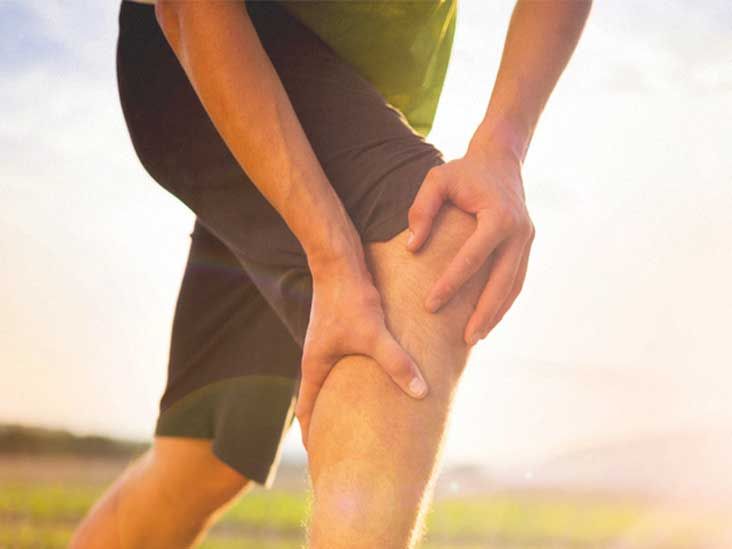
Knees are hardworking little miracles. They carry you up stairs, down sidewalks, through workouts, and occasionally into decisions your joints did not approve of. So when one knee suddenly looks puffier than the other, feels tight, or starts protesting every bend, people often call it “water on the knee.” The medical term is knee joint effusion, and while the name sounds simple, the reason behind it can be anything from a minor twist to arthritis, gout, bursitis, or an infection that needs fast treatment.
This guide breaks down what water on the knee really means, the most common joint effusion symptoms, what causes a swollen knee, how doctors diagnose it, and which treatments may help. Think of it as your plain-English tour of a knee that has decided to become dramatically overhydrated.
What Is Water on the Knee?
Water on the knee is not a standalone disease. It is a sign that extra fluid has collected inside or around the knee joint. Normally, a small amount of synovial fluid helps the joint move smoothly. But when the knee is irritated, injured, inflamed, infected, or bleeding internally, that fluid can build up and turn your knee into a swollen, stiff troublemaker.
In medical language, this is called a knee effusion or joint effusion. The swelling may come on suddenly after an injury, or it may appear gradually over time with arthritis or repeated overuse. Some people notice only mild puffiness. Others feel like their knee is packed with a water balloon and a bad attitude.
Symptoms of Water on the Knee
The symptoms of water on the knee can range from mildly annoying to “I am definitely not taking the stairs today.” Common signs include:
- Visible swelling around the knee or kneecap
- A feeling of tightness or fullness in the joint
- Knee pain, especially with bending, kneeling, or walking
- Stiffness and reduced range of motion
- Warmth or redness around the joint
- Tenderness when pressing on the knee
- Trouble bearing weight on the affected leg
- Instability or the feeling that the knee may give out
If the swelling is caused by an acute injury, you may also notice a popping sensation, bruising, or rapid swelling within hours. If arthritis is the culprit, the swelling may show up more gradually and come with morning stiffness or pain after activity. If infection is the cause, the knee may feel hot, look red, and be extremely painful, often along with fever.
What Causes Water on the Knee?
A swollen knee is a symptom, not a final answer. The real question is why the fluid showed up in the first place. Here are the most common causes.
1. Injury or Trauma
Sports injuries, falls, awkward twists, and direct blows to the knee are classic reasons for sudden swelling. Damage to the ACL, MCL, meniscus, cartilage, or surrounding tissues can trigger inflammation and extra fluid production. In some cases, blood collects in the joint after an injury, which can cause fast, dramatic swelling and pain.
2. Osteoarthritis
Knee osteoarthritis is one of the most common causes of chronic knee effusion, especially in older adults. As cartilage wears down, the joint becomes irritated and inflamed. That inflammation can lead to recurring swelling, stiffness, grinding, and pain that tends to flare after standing, walking, or climbing stairs.
3. Inflammatory Arthritis
Conditions like rheumatoid arthritis, psoriatic arthritis, lupus, and reactive arthritis can all cause fluid buildup in the knee. Inflammatory arthritis often brings warmth, morning stiffness, and swelling that may affect more than one joint. In other words, the knee is not just being moody; the immune system may be stirring the pot.
4. Gout and Pseudogout
Gout can affect the knee, not just the big toe. It happens when urate crystals build up in or around a joint, causing sudden pain, redness, and swelling. Pseudogout, also called CPPD, is caused by calcium crystal deposits and often affects the knee as well. Both conditions can make the joint look dramatically swollen almost overnight.
5. Bursitis
The knee has small fluid-filled sacs called bursae that reduce friction. When one of these bursae becomes irritated from kneeling, overuse, injury, or infection, it can swell and mimic joint effusion. Prepatellar bursitis, for example, can make the front of the knee look especially puffy.
6. Baker’s Cyst
A Baker’s cyst is a fluid-filled swelling that forms behind the knee, often related to arthritis or another internal knee problem. It may feel like a lump or fullness at the back of the knee and can come with general swelling, stiffness, or discomfort when straightening the leg.
7. Infection
Septic arthritis is a serious joint infection that can cause a swollen, hot, painful knee and often fever. This is not a “walk it off and see what happens” situation. Without prompt treatment, infection can damage the joint quickly.
8. Overuse and Repetitive Stress
Sometimes the knee simply gets irritated by repeated strain. Running, jumping, squatting, heavy labor, or sudden increases in exercise can inflame the tissues around the joint and lead to swelling, particularly if mechanics, footwear, or recovery are not great. Your knee, sadly, keeps receipts.
When Water on the Knee Needs Urgent Medical Care
You should seek urgent care right away if you have any of the following:
- A hot, red, very painful knee
- Fever along with knee swelling
- Sudden major swelling after an injury
- Inability to bear weight or walk normally
- An obvious deformity of the knee or leg
- A popping injury followed by rapid swelling
- Severe pain that is getting worse instead of better
These red flags can point to infection, fracture, major ligament injury, bleeding into the joint, or another problem that should not be handled with internet optimism alone.
How Doctors Diagnose Knee Joint Effusion
Diagnosing joint effusion in the knee starts with the basics: what happened, when the swelling started, how fast it came on, whether there was an injury, and what the pain feels like. Your clinician will also ask about fever, arthritis, gout, recent illness, medications, and whether the knee has done this trick before.
Physical Exam
The knee will usually be checked for:
- Size difference compared with the other knee
- Warmth, redness, or tenderness
- Range of motion
- Stability of ligaments
- Signs of meniscus injury
- Fluid wave or ballotable patella, which can suggest an effusion
Imaging Tests
Depending on the situation, doctors may order:
- X-rays to look for arthritis, fracture, or bone changes
- Ultrasound to detect fluid or guide a procedure
- MRI if a ligament, tendon, meniscus, or cartilage injury is suspected
Joint Aspiration
One of the most useful tests is joint aspiration, also called arthrocentesis. In this procedure, a clinician uses a needle to remove fluid from the knee. This can do two helpful things at once: relieve pressure and help identify the cause.
The fluid may be tested for:
- Infection (bacteria or other organisms)
- Crystals from gout or pseudogout
- Blood, which may suggest trauma or bleeding
- General signs of inflammation
If the knee is very swollen, very painful, or suspicious for infection, joint aspiration can be especially important.
Treatment for Water on the Knee
The best water on the knee treatment depends entirely on the cause. Since “swollen” is not a diagnosis, there is no one magical fix. Sorry to anyone hoping a single ice pack could solve the whole mystery.
Home Care for Mild Cases
If the swelling is mild and related to overuse or a minor injury, early care may include:
- Rest or at least cutting back on aggravating activity
- Ice for short intervals several times a day
- Compression with an elastic wrap if recommended
- Elevation to help reduce swelling
- Over-the-counter anti-inflammatory medicine if it is safe for you to take
That said, if the knee is severely swollen, hot, red, very painful, or not improving, home care should not become a long-term hobby.
Medical Treatment Options
Depending on the cause, treatment may include:
- Joint aspiration to remove fluid and reduce pressure
- Corticosteroid injection to calm inflammation in selected cases
- Physical therapy to restore strength, flexibility, and joint function
- Medications for gout or other inflammatory conditions
- Antibiotics if infection is present
- Bracing or activity modification during recovery
- Surgery if there is significant structural damage, such as a meniscus tear or ligament injury
Treating the Underlying Cause Matters Most
Draining the knee may help with comfort, but it does not erase the reason the fluid showed up. If osteoarthritis is driving the swelling, you may need a longer-term plan that includes exercise, weight management, physical therapy, and pain control. If gout is responsible, managing uric acid matters. If infection is the cause, rapid treatment is essential. If the joint keeps filling back up, the knee is basically sending a strongly worded letter asking for a deeper investigation.
Can You Walk With Water on the Knee?
Sometimes yes, sometimes absolutely not. Some people with mild knee effusion can still walk, though the knee may feel stiff or sore. Others can barely bend the joint or put weight on it. Whether walking is okay depends on the cause. A mild arthritis flare is very different from an infected joint or a major ligament tear.
If walking makes the pain much worse, if the knee feels unstable, or if you cannot bear weight, stop trying to prove your toughness to the staircase and get evaluated.
How Long Does Water on the Knee Last?
Recovery time depends on what caused the swelling. A mild overuse flare may calm down in a few days with rest and ice. An arthritis-related effusion may come and go over weeks or months. A gout flare can be intense but may improve with proper treatment. Swelling from a meniscus or ligament injury may last longer, especially if the underlying damage is not addressed. Infection, of course, is its own emergency lane and needs prompt care.
In short, the timeline is less about the fluid itself and more about why it is there.
How to Help Prevent Water on the Knee
You cannot prevent every swollen knee, but you can lower the odds of repeat episodes by taking better care of the joint you ask to do literally everything.
- Build strength in the quadriceps, hamstrings, glutes, and hips
- Increase exercise intensity gradually instead of going from couch to heroic
- Wear supportive footwear for your activity
- Use knee pads if your job or hobby involves frequent kneeling
- Manage body weight if recommended by your clinician
- Stay on top of arthritis or gout treatment plans
- Do not ignore recurring swelling after workouts or injuries
What People Often Experience With Water on the Knee
The phrase “water on the knee” sounds oddly calm, like the knee is hosting a tiny decorative fountain. Real life feels less elegant. People often describe a strange heaviness before they notice actual pain. The knee may feel full, as if something is packed inside the joint. Bending down to tie a shoe, getting into a car, or standing up from a chair suddenly becomes weirdly complicated.
One common experience happens after a twist or sports injury. Someone pivots, hears or feels a pop, and thinks, “Well, that was unpleasant.” Within a few hours, the knee starts ballooning. It feels tight, tender, and unstable, and walking becomes a cautious little negotiation. People often say the knee does not just hurt; it feels unreliable, like it might quit mid-step without notice.
Another common pattern is the slower, sneakier version that shows up with arthritis. The swelling may build over days rather than hours. People often wake up stiff, shuffle around for a bit, and feel better once the joint loosens. Then later, after errands, stairs, or standing in the kitchen too long, the knee swells again and starts acting personally offended. This kind of experience can be frustrating because the symptoms are not always dramatic, but they chip away at daily comfort and confidence.
Some people notice that the knee becomes more annoying than painful at first. It may not scream, but it definitely grumbles. There is a sense of pressure behind the kneecap, reduced flexibility, and an awkward fullness that makes squatting or kneeling feel unnatural. Pants may fit differently over that knee. Going downstairs may feel harder than going up. Long car rides become a nuisance because sitting with the knee bent too long makes it tighten up like an overcooked rubber band.
When crystal arthritis such as gout or pseudogout affects the knee, people often describe a much more dramatic experience. The knee can become swollen fast, hot, and extremely tender, sometimes overnight. Even a bedsheet brushing the leg may feel rude. What looked mostly normal at bedtime can look like a very different knee by morning.
Then there is the experience that should never be brushed off: a hot, red, severely painful knee with fever or feeling sick overall. People with an infected joint often describe pain that is intense, deep, and far beyond the usual “I overdid leg day” soreness. The knee may be difficult to move at all. This is the sort of situation where delaying care is not brave or thrifty; it is risky.
Emotionally, recurring knee swelling can be surprisingly draining. People worry about missing work, skipping exercise, losing mobility, or not being able to keep up with family routines. Even when the cause is not dangerous, the unpredictability can be exhausting. Good treatment helps not just because it reduces fluid, but because it gives people a plan. And when your knee has been freelancing as a weather balloon, a solid plan feels pretty great.
Final Thoughts
Water on the knee is a common problem, but it should not be brushed off as one-size-fits-all swelling. A knee joint effusion can be caused by injury, arthritis, crystal disease, bursitis, infection, or other conditions, and the right treatment depends on identifying the real cause. Mild swelling may improve with rest, ice, and time, but sudden swelling, fever, severe pain, redness, or trouble bearing weight deserves prompt medical attention.
If your knee keeps swelling, keeps hurting, or keeps sabotaging your daily routine, getting it checked is the smart move. Knees do a lot for us. The least we can do is stop pretending a chronically swollen one is just being dramatic.