Crises have a strange way of revealing character. Some people sew masks for strangers, shop for elderly neighbors, and leave thank-you signs for exhausted nurses. Others apparently see a global emergency and think, “At last, my opportunity to purchase enough toilet paper for a small medieval kingdom.”
During the early coronavirus crisis, social media became both a community bulletin board and a giant digital courtroom. Photos of empty shelves, abandoned gloves, reckless parties, fake cures, and astonishing acts of selfishness traveled online at record speed. People were frightened, supplies were limited, public-health instructions were changing, and patience was thinner than the last sheet on a hoarded toilet-paper roll.
The incidents below represent widely documented patterns of pandemic misconduct rather than accusations against unnamed private individuals. Together, they show why so many coronavirus jerks were publicly shamed onlineand why the boundary between useful accountability and an internet pile-on deserves careful thought.
Hoarding Heroes Who Definitely Were Not Heroes
1. The Shopper Who Bought a Wall of Toilet Paper
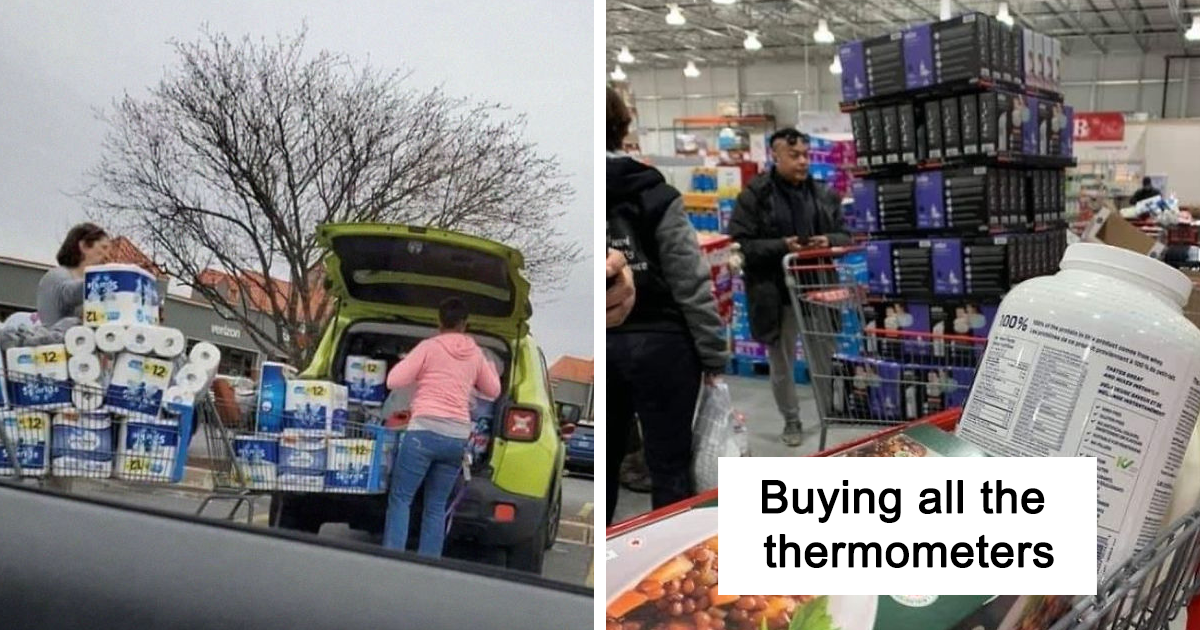
One of the defining images of early 2020 was a cart stacked so high with toilet paper that the shopper could barely see over it. Meanwhile, other customers wandered through empty aisles wondering whether they would need to start printing emails for emergency use. Buying a reasonable household supply was sensible. Buying enough to wrap a suburban home was something else entirely.
2. The Sanitizer Speculator
Hand sanitizer disappeared almost immediately, and opportunistic resellers rushed in. Online posts showed bottles offered at spectacular markups, as though rubbing alcohol had suddenly become a luxury fragrance. Public shaming followed because the seller was not merely flipping concert tickets; they were exploiting fear surrounding a public-health emergency.
3. The Person Who Cleared Out the Baby Wipes
Panic buying did not stop with adult supplies. People posted photographs of shoppers filling carts with baby wipes, formula, and children’s medicine. Parents who genuinely needed those items were left staring at bare shelves. The internet’s verdict was swift: a crisis is not an invitation to treat the infant-care aisle like a game-show shopping spree.
4. The Customer Who Ignored Purchase Limits
Retailers introduced limits on paper products, disinfectants, and other scarce goods to keep supplies available. Some customers responded by arguing with cashiers, making repeat trips, or recruiting relatives to bypass the rules. Nothing says “community spirit” quite like assembling a tactical team to acquire fourteen packs of paper towels.
5. The Shopper Invading Senior Hours
Many stores reserved early shopping periods for older adults and medically vulnerable customers. Viral complaints described younger, apparently ineligible shoppers barging in because they wanted first access to newly stocked shelves. The behavior was condemned because those special hours were not a loyalty-program perk; they were intended to reduce exposure for people at greater risk.
Profiteers Who Tried to Turn Panic Into a Business Plan
6. The Merchant Charging Outrageous Prices
Complaints about extreme prices for masks, disinfectants, gloves, and household necessities surged during the crisis. Some merchants defended the increases as ordinary business. Customers saw something uglier: people being asked to pay a fear tax at the exact moment they felt least able to refuse.
7. The Fake Protective-Equipment Broker
Hospitals and public agencies urgently sought masks, gowns, and gloves. That urgency attracted brokers who claimed to control enormous inventories they did not actually possess. The schemes were more serious than an annoying social-media hustle. False promises could waste critical time while frontline workers were improvising protection.
8. The Seller Promising PPE That Never Arrived
Consumers ordered masks and other protective supplies from websites advertising rapid delivery, only to encounter delays, excuses, or nothing at all. At a normal time, failing to ship a purchase is bad service. During a health emergency, falsely promising urgently needed equipment adds a special layer of villainy.
9. The Miracle-Cure Entrepreneur
Oils, supplements, sprays, silver products, and other unproven remedies were promoted as ways to prevent or treat COVID-19. Scientific evidence was often missing, but confidence was available by the gallon. Online users shamed these promotions because frightened people searching for protection could be persuaded to spend moneyor delay appropriate medical care.
10. The Fake Testing or Contact-Tracing Scammer
Scammers posed as health workers, government representatives, and contact tracers to request insurance details, financial information, or payments. Legitimate public-health work depends on trust, so impersonating officials did more than steal from individuals. It made authentic outreach harder for everyone.
People Who Treated Safety Rules Like Personal Insults
11. The Customer Screaming at a Masked Cashier
Retail workers became unwilling referees in arguments over masks and distancing. Viral videos repeatedly showed customers berating employees who were simply enforcing store policies. The workers had not written the rules, controlled the virus, or personally canceled anyone’s weekend. They were trying to finish a shift without becoming sick.
12. The Person Who Coughed as a “Joke”
Deliberately coughing near strangers became one of the pandemic’s bleakest pranks. Even when no infection was present, the act weaponized uncertainty and fear. It was the biological equivalent of yelling “fire” and then complaining that nobody appreciated the comedy.
13. The Grocery-Licking Attention Seeker
Videos and hoaxes involving people licking products or touching food for attention caused widespread outrage. Stores could be forced to discard merchandise, workers had to manage the scene, and viewers were reminded that some adults will apparently do anything once a camera is turned on.
14. The Customer Who Refused to Keep a Reasonable Distance
Floor markers and spaced lines became familiar features of stores. Some customers ignored them, crowded other shoppers, or acted offended when asked to step back. Public shaming often followed because giving someone a little room required almost no effort. It was one of the rare civic duties that could be completed by standing still.
15. The Mask-Under-the-Nose Philosopher
Posts frequently mocked people wearing masks beneath their noses or dangling them from one ear. Guidance and circumstances evolved throughout the pandemic, but a mask worn as a chin hammock was difficult to defend as a serious safety measure. It was like carrying an umbrella under your arm and claiming you had defeated rain.
Partygoers Who Believed Viruses Respect Guest Lists
16. The Packed House Party During a Surge
Photos of crowded homes, bars, and backyard parties appeared while hospitals were under pressure and public gatherings were restricted. Participants often insisted they were young, healthy, or “only with friends.” Unfortunately, respiratory viruses do not check friendship status before entering a room.
17. The Traveler Who Concealed Symptoms
Stories circulated about travelers hiding illness or ignoring quarantine instructions to avoid disrupting plans. Canceling a trip could mean losing money and missing an important event, but exposing passengers, hotel workers, relatives, and strangers transferred the cost to people who never agreed to accept it.
18. The Wedding That Could Not Possibly Wait
Couples faced painful decisions about postponing weddings. Many adapted with small ceremonies or delayed celebrations. Others reportedly pressed ahead with large gatherings during dangerous periods, sometimes treating concerned guests as disloyal. Love may be patient, but apparently the catering deposit was not.
19. The Influencer Posting a “Secret” Gathering
Some people violated local rules and then uploaded the evidence themselves. Perhaps they believed a private party stopped being private only when less attractive people attended. Viewers criticized these posts not merely because rules were broken, but because the glamorous presentation encouraged followers to imitate risky behavior.
20. The Quarantine Escape Artist
Reports of individuals leaving isolation for errands, social visits, or entertainment produced fierce backlash. Isolation could be lonely and inconvenient, but that inconvenience existed to prevent one person’s exposure from becoming another family’s emergency.
Jerks Who Made Essential Workers’ Jobs Even Harder
21. The Employer Who Pressured Sick Staff to Work
Workers reported being discouraged from staying home despite symptoms or exposure. Such pressure placed coworkers and customers at risk, especially in jobs that could not be performed remotely. Online criticism focused on the hypocrisy of executives praising “essential heroes” while treating sick leave like a character flaw.
22. The Customer Taking Anger Out on Grocery Employees
Empty shelves were frustrating, but stock clerks did not personally consume the nation’s disinfectant supply. Still, workers faced accusations, insults, and demands for hidden inventory. Apparently, some shoppers imagined a secret warehouse behind the cereal aisle, guarded by employees hoarding premium pasta for themselves.
23. The Person Refusing to Follow a Business’s Safety Policy
Small businesses had to navigate health guidance, local regulations, staffing shortages, and unhappy customers. Owners were often shamed for enforcing precautions and simultaneously shamed for failing to enforce them. The least sympathetic customers were those who entered, rejected posted rules, and created a confrontation that endangered the very employees serving them.
24. The Customer Who Filmed a Worker Instead of Helping
Social media sometimes turned distress into entertainment. A worker dealing with a shortage, argument, or emotional breakdown might be filmed without consent and uploaded for strangers to dissect. Accountability matters, but not every difficult moment needs an audience, a soundtrack, and twelve thousand comments from amateur prosecutors.
25. The Executive Enjoying Safety From Home While Denying It to Staff
Some workers complained that senior leaders conducted video meetings from comfortable homes while insisting lower-paid employees report to crowded workplaces. Not every job could become remote, but unequal standards looked especially cruel when decision-makers were insulated from the risks they assigned to others.
People Who Left Their Common Sense in the Parking Lot
26. The Glove Dropper
Discarded gloves and masks appeared in parking lots, sidewalks, shopping carts, and storm drains. The litter was unsanitary, unpleasant, and hazardous for workers who had to collect it. Wearing protective equipment and then tossing it beside someone’s car was an impressive combination of self-preservation and total disregard for everyone else.
27. The Person Flushing Disinfecting Wipes
Cleaning wipes were never designed to dissolve like toilet paper, yet many people flushed them anyway. Wastewater systems reported clogs and operational problems. The household bathroom may have looked spotless, but somewhere downstream a maintenance worker was meeting the consequences with industrial equipment and several unprintable opinions.
28. The Shortage-Rumor Distributor
Posts warning that stores were about to run out of food, fuel, or household goods often spread faster than corrections. Even when users believed they were being helpful, unsupported claims could trigger more panic buying. A rumor about empty shelves had the magical ability to create actual empty shelves.
29. The Xenophobic Blamer
Asian Americans and other communities faced harassment and scapegoating associated with the virus. Social-media users documented slurs, confrontations, and discriminatory treatment. Public shaming in these cases served an important purpose: fear does not excuse racism, and a person’s appearance never revealed their health status or responsibility for a pandemic.
30. The Relief-Fund Opportunist
Emergency programs were created to support workers and businesses facing genuine losses. Fraudsters submitted false claims, invented employees, or redirected funds for personal use. While families and legitimate companies waited for help, opportunists treated public relief as free money dropped from the sky. Online mockery was soon joined by something less amusing: federal investigations.
Why Online Shaming Became So Powerful During the Coronavirus Crisis
The pandemic created an unusual combination of fear, scarcity, isolation, and constant internet use. People could not always confront bad behavior safely in person, so they photographed it, posted it, and asked the online crowd to deliver judgment. Social media made invisible community rules visible: do not hoard, do not exploit fear, do not endanger workers, and do not make a difficult situation worse simply because nobody has stopped you yet.
Some callouts produced useful results. Businesses reconsidered questionable policies. Retail platforms removed suspicious listings. Authorities received tips. Public examples clarified that reckless conduct affected real people beyond the individual making the choice.
However, online shaming could also misfire. A single photograph might lack context. Old images could be recirculated as new. An innocent person could be identified incorrectly, and a thoughtless mistake could attract years of searchable abuse. The difference between accountability and mob punishment often depended on whether the post verified facts, protected private information, and focused on correcting harm rather than maximizing humiliation.
Experiences and Lessons From Watching Pandemic Selfishness Up Close
For many Americans, the most memorable coronavirus-crisis experiences did not involve a dramatic confrontation. They unfolded quietly in grocery aisles. A shopper might arrive after work to find no disinfectant, rice, pasta, medicine, or paper products. Nearby, another customer’s cart might contain enough supplies for several families. The scene created a peculiar mixture of anxiety and anger: uncertainty about whether necessities would return, combined with the knowledge that scarcity had been worsened by neighbors reacting to the same fear.
Retail employees experienced the crisis from the opposite side of the counter. They watched inventory disappear within minutes, answered identical questions hundreds of times, and tried to enforce limits written by managers or local authorities. Customers sometimes treated them as obstacles rather than people. A cashier could be praised as essential on a television commercial and screamed at twenty minutes later because the store had no sanitizer. That contradiction became one of the era’s defining lessons about how easily public gratitude can evaporate when someone is personally inconvenienced.
Health care workers encountered an even harsher reality. While communities displayed signs thanking nurses and doctors, shortages forced some facilities to carefully ration protective equipment. Reports of hoarding, counterfeit masks, and inflated prices therefore felt intensely personal. A box of respirators sitting in a reseller’s warehouse was not an abstract market asset; it represented protection that might have been used by someone entering an infectious patient’s room.
Neighbors also discovered that small decisions could have large emotional effects. One person leaving supplies for an older resident offered reassurance. Another person spreading an unsupported shortage rumor generated panic. One business provided calm, clear instructions. Another promoted a miracle remedy with no reliable evidence. The pandemic made everyday ethics unusually visible because everyone’s behavior was connected to everyone else’s sense of safety.
Online witnesses often felt an irresistible urge to post what they saw. Sometimes that impulse was constructive. A photograph of outrageous pricing could alert consumer-protection officials. Documentation of unsafe workplace conditions could support employees who feared retaliation. Videos of racist harassment could expose conduct that might otherwise be denied.
Yet responsible reporting required restraint. Faces, license plates, addresses, medical details, and unverified accusations could turn a valid complaint into harassment. A better approach was to preserve evidence, report dangerous or illegal conduct to the relevant business or authority, describe the behavior accurately, and avoid inviting strangers to threaten the person involved. The goal should be to stop harm, not to win a contest for the cruelest comment.
Looking back, the coronavirus crisis did not prove that most people were selfish. In fact, countless workers, volunteers, neighbors, researchers, caregivers, and ordinary families behaved with remarkable patience. The “total jerks” attracted attention precisely because their conduct violated the cooperative spirit visible elsewhere. Their actions were outrageous because so many other people were sacrificing comfort, money, time, and safety for the benefit of strangers.
The lasting experience is therefore not merely a collection of internet villains. It is a reminder that emergencies magnify ordinary choices. Sharing supplies, respecting workers, checking information, staying home when sick, and resisting the urge to profit from fear may not look heroic. During a crisis, however, basic decency is often the infrastructure holding a community together.
Conclusion: A Pandemic Could Not Cure Selfishness, but It Exposed It
The coronavirus crisis gave the world many examples of courage and generosity. It also introduced an unforgettable cast of hoarders, scammers, reckless partygoers, abusive customers, and amateur medical entrepreneurs. Social media placed their behavior under a spotlight, sometimes fairly and sometimes with more fury than context.
The clearest lesson is not that every bad decision deserves permanent public humiliation. It is that individual choices matter during shared emergencies. Buying only what you need, respecting safety policies, protecting workers, verifying claims, disposing of equipment properly, and refusing to exploit frightened people are not grand gestures. They are the minimum admission price for living in a society.
When the next crisis arrives, nobody needs to become an internet hero. Just try not to become the person standing beside a tower of toilet paper while everyone else reaches for an empty shelf.