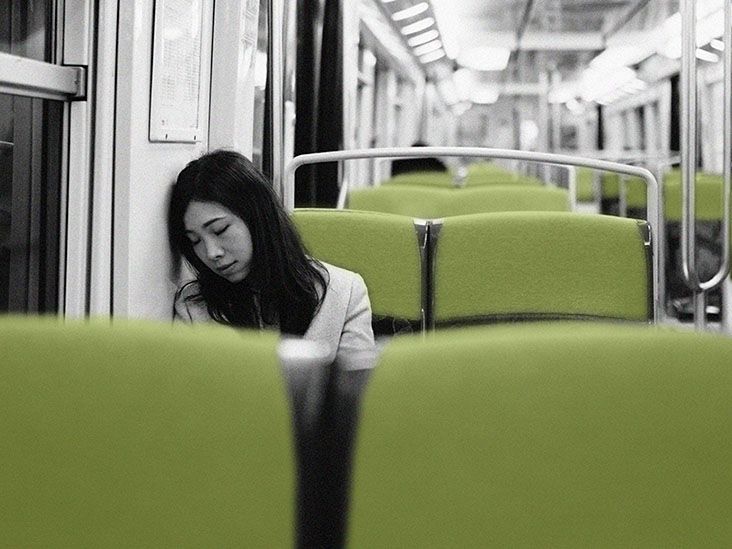
One minute, you are watching a presentation, reading a book, or waiting for your coffee to perform its one assigned duty. The next minute, your chin is resting on your chest and somebody is asking whether you are awake.
Occasionally nodding off after a late night is usually easy to explain. Frequently falling asleep without intending toespecially during conversations, meals, work, or drivingis different. It may be a sign of excessive daytime sleepiness, a sleep disorder, a medication side effect, or an underlying health problem.
It is also important to separate sleepiness from fatigue. Sleepiness means you are struggling to remain awake. Fatigue is a lack of physical or mental energy, even when you do not feel capable of sleeping. The two can occur together, but they are not interchangeable.
Here are 17 possible causes of falling asleep randomly, along with the symptoms that may help explain what is happening.
Why Random Sleep Episodes Should Not Be Ignored
Unplanned sleep can interfere with school, work, relationships, and daily responsibilities. More importantly, it can become dangerous around vehicles, machinery, stairs, water, or cooking equipment. Drowsiness can slow reaction time, reduce attention, and impair decision-making even before a person completely falls asleep.
A person who repeatedly nods off should not simply be labeled lazy, bored, or “bad at mornings.” Their brain may be attempting to collect an overdue sleep debtor signaling that something needs medical attention.
17 Possible Causes of Falling Asleep Randomly
1. Not Getting Enough Sleep
Insufficient sleep is one of the most common causes of excessive daytime sleepiness. Adults may lose sleep because of work, parenting, studying, caregiving, late-night screen use, or the belief that four hours of sleep plus determination counts as a wellness plan.
Sleep debt can accumulate gradually. Someone may feel reasonably functional while moving around but nod off as soon as they sit in a quiet room. Microsleepsbrief, involuntary episodes of sleep lasting only secondscan also occur when sleep deprivation becomes severe.
2. Insomnia and Fragmented Sleep
A person can spend eight hours in bed without receiving eight hours of restorative sleep. Insomnia may involve difficulty falling asleep, frequent awakenings, or waking much earlier than intended.
Pain, stress, noise, reflux, hot flashes, bathroom trips, and an uncomfortable sleep environment can repeatedly interrupt the sleep cycle. The person may not remember every awakening, yet still experience daytime drowsiness, poor concentration, irritability, and low energy.
3. Shift Work or a Disrupted Body Clock
The circadian rhythm is the internal timing system that helps regulate sleep and alertness. Night shifts, rotating schedules, jet lag, extremely early work hours, and inconsistent sleep times can force a person to remain awake when the brain expects sleep.
Shift work sleep disorder may cause insomnia when sleep is desired and overwhelming sleepiness while the person is working. Even people who get adequate hours can feel sleepy if those hours repeatedly conflict with their biological clock.
4. Obstructive Sleep Apnea
Obstructive sleep apnea occurs when the upper airway repeatedly narrows or closes during sleep. Breathing interruptions can lead to drops in oxygen and brief awakenings that prevent deep, continuous rest.
Common clues include loud snoring, gasping, morning headaches, dry mouth, frequent nighttime urination, poor concentration, and daytime sleepiness. Some peopleparticularly womenmay report fatigue or insomnia without dramatic snoring. A sleep study may be needed because the sleeper often has no idea that the interruptions are happening.
5. Central Sleep Apnea and Other Breathing Disorders
Central sleep apnea is different from obstructive sleep apnea. Instead of an airway blockage, the brain temporarily fails to send the correct signals to the muscles that control breathing.
It can be associated with heart disease, certain neurological conditions, high-altitude exposure, or opioid use. Repeated breathing disruptions may produce insomnia, morning headaches, severe fatigue, and daytime drowsiness. Other conditions that reduce nighttime ventilation, including some lung and neuromuscular diseases, can have similar effects.
6. Narcolepsy
Narcolepsy is a chronic neurological disorder that disrupts the brain’s control of sleep and wakefulness. Its central symptom is persistent excessive daytime sleepiness that does not disappear simply because someone had a full night in bed.
A person may experience irresistible sleep episodes during ordinary activities. Other symptoms can include sleep paralysis, vivid dreamlike hallucinations when falling asleep or waking, disrupted nighttime sleep, and automatic behavior performed with little later memory.
Some people have cataplexybrief muscle weakness triggered by emotions such as laughter, surprise, or excitement. Cataplexy is not the same as falling asleep, although it may be mistaken for fainting.
7. Idiopathic Hypersomnia
Idiopathic hypersomnia is a sleep disorder involving an excessive need for sleep without a clearly identifiable cause. People may sleep for a long time at night and still struggle intensely to remain awake during the day.
Naps are often long and unrefreshing. Waking may involve severe sleep inertia, sometimes called “sleep drunkenness,” in which the person feels confused, clumsy, irritable, or mentally foggy. Unlike classic narcolepsy, idiopathic hypersomnia does not usually produce cataplexy.
8. Restless Legs Syndrome or Periodic Limb Movements
Restless legs syndrome creates an uncomfortable urge to move the legs, usually when resting in the evening. Periodic limb movements cause repeated involuntary movements during sleep. Either problem can repeatedly disturb rest without fully waking the sleeper.
The result may be severe daytime fatigue or sleepiness despite apparently spending enough time in bed. Restless legs symptoms have been associated with iron deficiency, pregnancy, kidney problems, diabetes-related nerve damage, certain medications, and alcohol use.
9. Sedating Medications
Prescription and over-the-counter medicines are frequent contributors to sudden drowsiness. Possible offenders include first-generation antihistamines, sleeping pills, opioid pain medicines, anti-anxiety drugs, some antidepressants, antipsychotics, seizure medicines, muscle relaxants, and certain blood pressure treatments.
A medicine labeled “non-drowsy” may be less sedating, but individual reactions vary. Combining sedating productsor mixing them with alcoholcan intensify impairment. Never stop a prescribed medicine abruptly; ask a pharmacist or healthcare professional to review the drug, dosage, timing, and possible interactions.
10. Alcohol, Cannabis, and Other Substances
Alcohol can initially make a person feel sleepy, but it tends to fragment sleep and reduce its restorative quality later in the night. It may also aggravate sleep-disordered breathing and periodic limb movements, leading to more daytime sleepiness the following day.
Cannabis, opioids, sedatives, and some recreational drugs can suppress alertness directly. Stimulants may create a different pattern: a person stays awake temporarily, then experiences a powerful “crash” as the drug wears off. Substance withdrawal can also disrupt sleep and daytime functioning.
11. Depression and Other Mood Disorders
Depression does not affect everyone’s sleep in the same way. Some people develop insomnia, while others sleep for extended periods, nap frequently, or struggle to get out of bed. Fatigue, slowed thinking, poor concentration, loss of interest, and changes in appetite may occur alongside excessive sleep.
Seasonal affective disorder can also cause hypersomnia, particularly during winter-pattern episodes. Because depression and sleep disorders can occur together, treating only one issue may leave part of the problem unresolved.
12. Hypothyroidism
The thyroid gland produces hormones that help regulate metabolism. When thyroid hormone levels are too low, body processes slow down. Possible symptoms include tiredness, sluggishness, sleepiness, feeling cold, constipation, dry skin, low mood, forgetfulness, and unexplained weight changes.
These symptoms are not unique to thyroid disease, so guessing based on sleepiness alone is unreliable. Blood tests measuring thyroid-related hormones are used to determine whether hypothyroidism is present.
13. Iron-Deficiency Anemia
Iron-deficiency anemia reduces the blood’s ability to carry oxygen effectively. It more often causes fatigue and weakness than true sleep attacks, but significant anemia can leave a person exhausted, lightheaded, mentally foggy, and unusually sleepy.
Other warning signs may include pale skin, shortness of breath during activity, headaches, a rapid heartbeat, brittle nails, cold intolerance, or unusual cravings for ice or nonfood substances. Blood loss, pregnancy, poor iron absorption, and inadequate dietary intake are possible contributors.
14. Low or Very High Blood Glucose
Blood glucose emergencies can cause sudden drowsiness, but this should not be mistaken for harmless sleep. Hypoglycemia may also produce shaking, sweating, hunger, dizziness, confusion, weakness, vision changes, poor coordination, seizures, or loss of consciousness.
Severe hyperglycemia can cause extreme fatigue, thirst, frequent urination, vomiting, heavy breathing, confusion, and fruity-smelling breath. A person who is difficult to wake or unable to swallow needs emergency assistance rather than a pillow and a “sleep it off” strategy.
15. Chronic Pain, Long-Term Illness, or Infection
Chronic pain can repeatedly interrupt sleep and make restorative rest difficult. Heart, lung, kidney, liver, autoimmune, and other chronic diseases may also contribute to fatigue or daytime drowsiness through inflammation, breathing problems, metabolic changes, emotional stress, or medication effects.
Some long-lasting infections can produce persistent exhaustion and sleep disturbances. However, conditions such as myalgic encephalomyelitis/chronic fatigue syndrome are not simply problems of “being sleepy.” They may involve post-exertional symptom worsening, cognitive problems, dizziness, pain, and unrefreshing sleep.
16. Traumatic Brain Injury or Neurological Disease
A concussion or more serious traumatic brain injury can interfere with the brain systems that regulate sleep. Changes in melatonin, pain, mood, breathing, activity level, and direct injury to sleep-related brain regions may contribute to insomnia, sleep apnea, excessive sleepiness, or an altered sleep schedule.
Stroke, Parkinson’s disease, dementia, seizure disorders, brain infections, and other neurological conditions may also affect alertness. New extreme sleepiness after a head injuryespecially with worsening headache, repeated vomiting, confusion, weakness, or unusual behaviorrequires urgent medical evaluation.
17. Kleine-Levin Syndrome and Other Rare Hypersomnias
Kleine-Levin syndrome is an extremely rare disorder involving recurring episodes of profound sleepiness. During an episode, a person may sleep 16 to 20 hours a day and experience confusion, memory problems, irritability, unusual behavior, increased appetite, or changes in sex drive.
Episodes may last days or weeks, followed by periods of relatively normal functioning. Symptoms commonly begin during adolescence. Because the condition is so rare, more common explanationssuch as sleep deprivation, medication effects, sleep apnea, depression, and narcolepsymust be carefully evaluated first.
When Is Sudden Sleepiness an Emergency?
Call emergency services when sudden “sleepiness” is accompanied by trouble waking the person, breathing difficulty, blue or gray skin, chest pain, a seizure, severe confusion, facial drooping, one-sided weakness, slurred speech, a sudden severe headache, suspected poisoning, or signs of a serious blood glucose problem.
Do not give food, drinks, or medication to someone who is not fully alert or cannot swallow safely. Sudden loss of responsiveness may be fainting, a seizure, an overdose, a stroke, or another emergency rather than ordinary sleep.
How Doctors Investigate Excessive Daytime Sleepiness
An evaluation usually begins with questions about sleep duration, work schedules, snoring, breathing pauses, naps, medications, alcohol use, mood, medical conditions, and the circumstances surrounding each episode.
A healthcare professional may recommend a sleep diary, laboratory testing, or an overnight sleep study. When narcolepsy or idiopathic hypersomnia is suspected, an overnight study may be followed by a multiple sleep latency test, which measures how quickly a person falls asleep during scheduled daytime nap opportunities.
Before an appointment, it can help to record:
- Bedtimes, waking times, and estimated hours slept.
- When and where unplanned sleep episodes occur.
- Whether naps feel refreshing.
- Snoring, gasping, restless legs, or nighttime movements.
- Medication, supplement, caffeine, alcohol, and substance use.
- Associated symptoms such as weakness, hallucinations, headaches, or confusion.
Experiences That Show How Random Sleepiness Can Appear
The following composite experiences combine patterns commonly reported by people with excessive daytime sleepiness. They are examples, not diagnoses.
The Office Nodding-Off Pattern
A project coordinator began falling asleep during afternoon meetings. She blamed heavy lunches and the conference room’s powerful ability to remove all joy from PowerPoint. Then she nodded off during a morning conversation after what seemed like eight hours of sleep. Her partner mentioned loud snoring and occasional gasping. A medical evaluation revealed that her “full night” was being interrupted repeatedly by breathing problems. The useful clue was not simply that she felt tired; it was the combination of unrefreshing sleep, morning headaches, snoring, and unintended sleep during passive activities.
The Student Who Could Sleep Anywhere
A college student routinely slept through lectures, bus rides, movies, and study sessions. Friends joked that he could nap during a marching-band rehearsal. He had already tried earlier bedtimes, multiple alarms, cold showers, and heroic quantities of coffee. Nothing reliably controlled the sleepiness. He also described vivid images while falling asleep and occasional episodes of being awake but unable to move. Those additional symptoms prompted an evaluation for narcolepsy rather than another lecture about time management.
The Medication Mystery
An older adult became unusually sleepy after starting several new treatments. She sometimes drifted off while reading and felt unsteady when standing. Each medication had been prescribed for a legitimate reason, but together they created a sedating effect. Alcohol in the evening made the problem worse. A pharmacist and physician reviewed the entire medication listincluding over-the-counter allergy tabletsand adjusted the schedule and treatment plan. The lesson was simple: “available without a prescription” does not mean “incapable of turning your afternoon into an accidental nap festival.”
The Night-Shift Crash
A hospital employee worked rotating day and night shifts. On days off, he tried to return immediately to a daytime family schedule. His sleep became a patchwork of short naps, late mornings, and caffeine-assisted survival. He felt most dangerously sleepy while driving home shortly after sunrise. The underlying problem was not a lack of motivation; his internal clock and work schedule were continually pulling in opposite directions. A consistent sleep plan, strategic light exposure, workplace changes, and medical guidance were more useful than adding another energy drink.
The “It Is Probably Stress” Assumption
A busy parent spent months blaming exhaustion on work and family responsibilities. She felt cold when everyone else was comfortable, had difficulty concentrating, and noticed constipation and dry skin. Because the symptoms developed slowly, each one seemed too minor to mention. Blood tests eventually identified an underactive thyroid. Another person with similar sleepiness might have anemia, depression, a sleep disorder, or no thyroid problem at all. The experience illustrates why persistent drowsiness should be investigated as a pattern rather than diagnosed from one symptom.
The Frightening Driving Episode
A commuter realized he could not remember the previous several miles of highway. He had not crashed, but the missing stretch suggested severe inattention or microsleep. Opening a window, turning up music, and pinching his arm had made him feel busiernot safer. He pulled over and arranged another ride. That decision mattered because extreme drowsiness can impair driving before a person recognizes how close they are to falling asleep. A short nap or caffeine may offer temporary help in some situations, but neither makes severely sleep-deprived driving reliably safe.
Conclusion
Falling asleep randomly can result from something straightforward, such as several nights of inadequate sleep, but it can also point to sleep apnea, narcolepsy, idiopathic hypersomnia, medication effects, depression, thyroid disease, anemia, glucose abnormalities, or a neurological condition.
The frequency, setting, and accompanying symptoms matter. Nodding off after one unusually late night is not the same as repeatedly falling asleep during conversations, meals, work, or driving despite allowing enough time for sleep.
Until the cause is understood, avoid driving or operating dangerous equipment when sleepy. A healthcare professional or sleep specialist can help determine whether the solution involves better sleep habits, medication changes, laboratory testing, a sleep study, or treatment for an underlying condition.