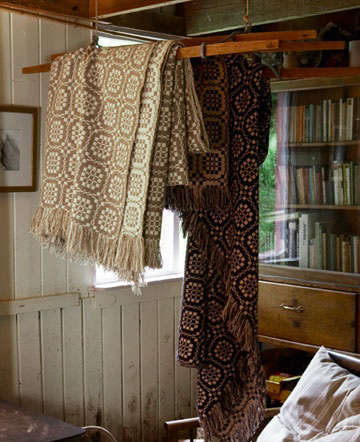
A bedroom can survive without a Welsh tapestry bed cover, just as breakfast can technically survive without coffee. But why choose aolor, and the kind of woolen texture that makes a room feel instantly established, Welsh tapestry bed covers bring history to the bed without making the bedroom look like a museum gift shop.
What Is a Welsh Tapestry Bed Cover?
Despite the name, a Welsh tapestry bed cover is generally not a pictorial tapestry showing castles, dragons, or a very serious shepherd staring into the rain. In Welsh textile terminology, “tapestry” commonly refers to a patterned double-cloth fabric. Two layers of plain-weave cloth are woven at the same time and connected at selected points, creating crisp geometric motifs and a reverse side in contrasting colors. s construction gives the fabric its signature two-sided appearance. Turn the cover over and the pattern does not disappear; instead, the colors often reverse or shift in emphasis. Museum Wales describes this reversible double-cloth blanket as an icon of the Welsh woolen industry and notes that the structure can combine warmth with relative lightness. ed Cover, Blanket, Throw, or Coverlet?
The labels overlap and often describe size more than technique. Full-size pieces may be called bedspreads, blankets, coverlets, or tapestry quilts; smaller versions are usually throws. Historic examples were also woven in narrow loom widths and center-seamed, so a neat central join may reflect traditional production rather than poor quality. n>
Why Welsh Tapestry Belongs in the Bedroom
It Creates an Immediate Focal Point
The repeating diamonds, crosses, checks, stars, and block-like motifs provide structure without relying on printed imagery. Unlike a tiny decorative pillow that whispers from three yards away, a bed cover makes its case from the doorway. Traditional patterns such as the Caernarfon design are recognizable for their strong geometry and can feel historic or surprisingly modern depending on the color palette. t Offers Two Decorating Options
Because double cloth is reversible, a dark face can feel dramatic in winter while a lighter reverse looks fresher in spring. It is not a renovation, but it is close enough for guests who do not inspect the budget.
It Brings Depth to Simple Bedding
Layered beds look most convincing when they combine color, pattern, and texture rather than stacking five nearly identical white rectangles. Better Homes & Gardens recommends balancing those elements and using an end-of-bed blanket or throw to complete a layered arrangement. A Welsh cover naturally supplies both pattern and texture, so plain sheets and a solid duvet can remain calm underneath it. ool Adds Functional Warmth
Wool is valued in cold-weather bedding because it insulates, while fiber structure and construction influence how much heat a blanket retains. Sleep Foundation guidance emphasizes that bedding weight, material, airflow, and the sleeper’s temperature preferences all matter. A heavy double-cloth cover may be ideal in a cool room but excessive for a hot sleeper in midsummer. n>
How to Choose the Right Welsh Tapestry Bed Cover
Start With Dimensions, Not Romance
It is easy to fall in love with a vintage pattern and discover later that the “bedspread” covers approximately one ambitious corner of a king-size mattress. Measure the mattress width, length, and desired drop on each side. Decide whether the textile will cover the entire bed, sit below the pillows, or remain folded across the lower third.
Check Fiber Content and Construction
Authentic Welsh tapestry covers are commonly associated with wool and double-cloth weaving, but the marketplace also includes wool blends, reproductions, upholstery fabric, and machine-made decorative throws. Read the label when one exists. Look closely at the reverse: a true double-cloth pattern should be integral to the weave, not merely printed on the surface.
Inspect the reverse, edges, fringe, seams, and repairs. A center seam may be historically appropriate, while broken yarns, thinning folds, moth damage, or crude repairs deserve caution. Double-cloth coverlets are known for sharply defined motifs and substantial warmth. hoose Colors That Cooperate With the Room
Repeat one or two cover colors elsewherea rust lampshade, navy curtains, or cream walls. Two-tone charcoal, moss, or muted blue suits a quiet room; saturated red, green, or cobalt suits a maximalist one. Pair large geometry with solids, narrow stripes, or small checks. Repetition creates unity; copying every color creates a hostage situation.
Decide Between Vintage and Contemporary
A vintage Welsh bed cover offers patina, individuality, and the pleasure of owning a textile with a past. It may also bring faded areas, repairs, unusual dimensions, or cleaning restrictions. A contemporary cover is more likely to include reliable measurements and a clear care label. Neither is automatically superior; the better choice depends on whether the textile will be used nightly, displayed seasonally, or preserved as a collectible.
Bedroom Styling Ideas That Actually Work
1. Use It as the Hero Layer
Keep the foundation simple: white or oatmeal sheets, a solid quilt, and restrained pillows. Fold the cover below the sleeping pillows so the bed looks inviting rather than sealed for evidence.
2. Fold It Across the Foot of the Bed
This is the easiest approach for a smaller piece or a warm climate. Fold the cover into thirds and place it across the lower quarter of the mattress. The arrangement adds color without placing heavy wool over the entire body. Martha Stewart’s bedroom guidance supports thoughtful layering with natural materials such as wool, linen, and cotton to create visual and tactile depth. . Pair It With Natural Materials
Oak, walnut, linen curtains, woven baskets, leather, and matte ceramics reinforce the textile’s handcrafted character. Clean-lined furniture keeps the result artistic rather than theatrical.
4. Hang a Fragile Piece Instead of Sleeping Under It
If a cover is rare, weakened, or too small for the bed, display may be safer than nightly use. Textile conservators recognize that visible and ultraviolet light can damage sensitive materials over time, so avoid intense sun and rotate valuable pieces rather than leaving them permanently exposed. Proper support is also important; do not suspend a heavy historic textile from a few nails or clips. n>
How to Care for a Welsh Wool Bed Cover
The care label wins every argument. A modern washable blanket and a century-old coverlet may look related, but they should not be introduced to the washing machine under the same terms.
Air and Brush Before Washing
Wool often benefits from airing rather than frequent laundering. Woolmark recommends shaking and airing blankets in good airflow, then using a soft-bristle brush along the grain to remove surface dust. This gentler routine reduces unnecessary wet cleaning and helps the fibers lie smoothly. lot Stains; Do Not Wage War on Them
Address spills quickly with a clean, absorbent cloth. Blot rather than scrub, because aggressive rubbing can distort the surface and push soil deeper into the fibers. Use only a mild product appropriate for wool, and test any treatment in an inconspicuous area. For a valuable vintage cover, consult a professional textile conservator instead of improvising with an online cleaning potion involving six pantry ingredients and misplaced confidence.
Wash Only When the Instructions Allow It
For a machine-washable modern cover, Woolmark advises a gentle wool cycle, cold water, and a detergent formulated for wool. Martha Stewart’s cleaning guidance likewise begins with checking the label and favors a short, gentle, cold-water process for washable wool blankets. Avoid routine tumble drying unless the label explicitly permits it. ry With Support and Limited Sun
Wet wool is heavy. Support the textile so it does not stretch under its own weight, and keep it away from strong direct sunlight that may fade colors or change the hand of the fabric. Never wring a double-cloth cover. Press out water gently with clean towels if the care instructions allow hand washing.
Store It Clean, Cool, Dark, and Protected
Clothes moth larvae can feed on wool carpets, tapestries, clothing, and other animal fibers. Before storage, inspect and clean the cover, then place it in a breathable archival textile box or an appropriate sealed container according to its condition and expected storage period. Check it periodically rather than assuming cedar has formed a tiny private security force. n>
Common Mistakes to Avoid
- Buying by the word “tapestry” without confirming woven construction, fiber, and size.
- Assuming a vintage “double” matches a modern full-size mattress.
- Combining the cover with several equally dominant patterns.
- Using hot water, strong agitation, or an unauthorized dryer cycle.
- Leaving valuable wool in direct sun or storing it while soiled.
Practical Experience: What Living With a Welsh Tapestry Bed Cover Feels Like
The following is a realistic composite of common ownership experiences, not a claim about one specific household or antique.
The first surprise is visual scale. Online, a Welsh tapestry pattern can look like a pleasant arrangement of little shapes. Spread across a queen-size bed, those shapes suddenly have authority. The bedroom feels more finished before anything else changes. The nightstands have not improved their behavior, the laundry chair is still holding negotiations, and yet the room looks deliberate.
During the first week, most owners experiment with placement. Covering the entire bed produces the strongest traditional effect, but it can also feel heavy in a warm room. Folding the textile across the foot of the bed is usually more flexible. It keeps the pattern visible, leaves lighter bedding available for sleep, and provides extra warmth exactly where cold feet tend to file complaints.
The reversible design becomes more useful than expected. One side may emphasize cream and red, while the reverse appears darker and more graphic. Turning it over can change the room enough that the same pillows suddenly look new. This is particularly effective in a small bedroom, where one large textile controls more of the color story than a collection of accessories.
Texture is the second surprise. A traditional wool cover may not feel like a fluffy synthetic blanket. It can feel structured, dry, and substantial, with a woven surface that is meant to last rather than impersonate a cloud. Sensitive sleepers may prefer a top sheet, duvet, or cotton blanket between the skin and the wool. Good Housekeeping notes that top sheets historically helped separate sleepers from heavier, coarser blankets while also protecting those blankets from body oils and perspiration. ly maintenance is refreshingly uneventful. Instead of washing it every week, the practical routine is to shake it out, air it occasionally, and spot-check the surface. Pet owners quickly learn that the bold pattern hides some stray hair but not enough to excuse a cat from treating the bed cover as a personal kingdom. A soft clothes brush earns its place in the closet.
The biggest adjustment is learning not to treat the cover like disposable décor. A well-made Welsh tapestry piece invites slower decisions. You notice the weave, examine the reversed colors, and become curious about the mill, label, or earlier repairs. Even a contemporary version encourages respect for the work involved in turning yarn into a complex double-cloth pattern.
Seasonally, the cover is most satisfying during cool nights. It adds warmth without the puffiness of a thick comforter and stays visually tidy when folded. In hot weather, it can move to a blanket chest, bench, or wall display, provided it is protected from pests and harsh light. The room then feels temporarily quieter, which makes its return in fall surprisingly ceremonial.
After several months, the most valuable lesson is that the bed cover should shape the bedroom rather than merely match it. Pull one color into the curtains, artwork, or lamp; keep the rest restrained; and allow the woven geometry to remain the main event. The result feels collected rather than decorated, warm without becoming cluttered, and historic without requiring anyone to sleep beside a suit of armor.
Conclusion
Welsh tapestry bed covers unite heritage, utility, and unusually confident pattern. Their reversible double-cloth construction gives them visual depth and practical flexibility, while wool brings warmth and a tactile quality that flat printed bedding cannot easily imitate. Whether the piece is a modern mill-woven blanket or a carefully preserved vintage coverlet, success depends on choosing the right size, balancing the room’s colors, and caring for the textile according to its actual age and fiber content.
Use one as a full bedspread, a folded accent, or even a responsibly mounted textile display. Give it breathing room, protect it from careless washing and prolonged sun, and let it do what great bedroom textiles do best: make the room feel personal before you have even fluffed a pillow.