That high-pitched eeeeek when you tap the brake pedal is the automotive version of a smoke alarm with a low battery:
technically useful, emotionally rude. The good news: brake squeak is often normal (especially after rain or a car wash).
The bad news: sometimes it’s your brake system politely asking for help before it starts shouting.
This guide breaks down why brakes squeak, how to tell “harmless noise” from “please don’t drive this,” and the safest
fixesplus a handful of DIY-friendly checks and hacks that don’t require you to become a weekend brake engineer.
The squeak science (no lab coat required)
Most brake squeal is a vibration problem, not a “your car hates you” problem. When brake pads clamp a spinning rotor,
tiny vibrations can build into a high-frequency noisekind of like how a violin string squeals when it’s bowed just right.
Your brakes are basically playing an unwanted concert… and you didn’t even buy tickets.
Automakers and brake manufacturers try to prevent squeal with pad materials, shims, anti-rattle hardware, and caliper design.
But real life includes moisture, dust, heat, stop-and-go traffic, and that one pothole that feels personal. So the squeak sometimes wins.
Quick triage: Is brake squeak normal or a red flag?
Usually normal (annoying, but not scary)
-
First few stops after rain, morning dew, or a car wash: A thin film of surface rust or moisture can cause brief squeaks.
It often fades quickly once the rotors dry and clean themselves. -
New brakes: Fresh pads and rotors can make noise during the break-in period, especially with gentle braking at low speeds.
It typically settles down once everything “mates” properly. - Cold mornings: Some pad compounds are noisier when cold and quiet down after a few minutes of driving.
Get it checked soon (your brakes are sending a memo)
- Squeak every time you brake for daysespecially at low speeds or light pedal pressure.
- Noise plus vibration in the steering wheel or brake pedal (pulsing, shuddering).
- Pulling to one side while braking or uneven stopping feel.
- Burning smell near a wheel after driving (possible dragging brake).
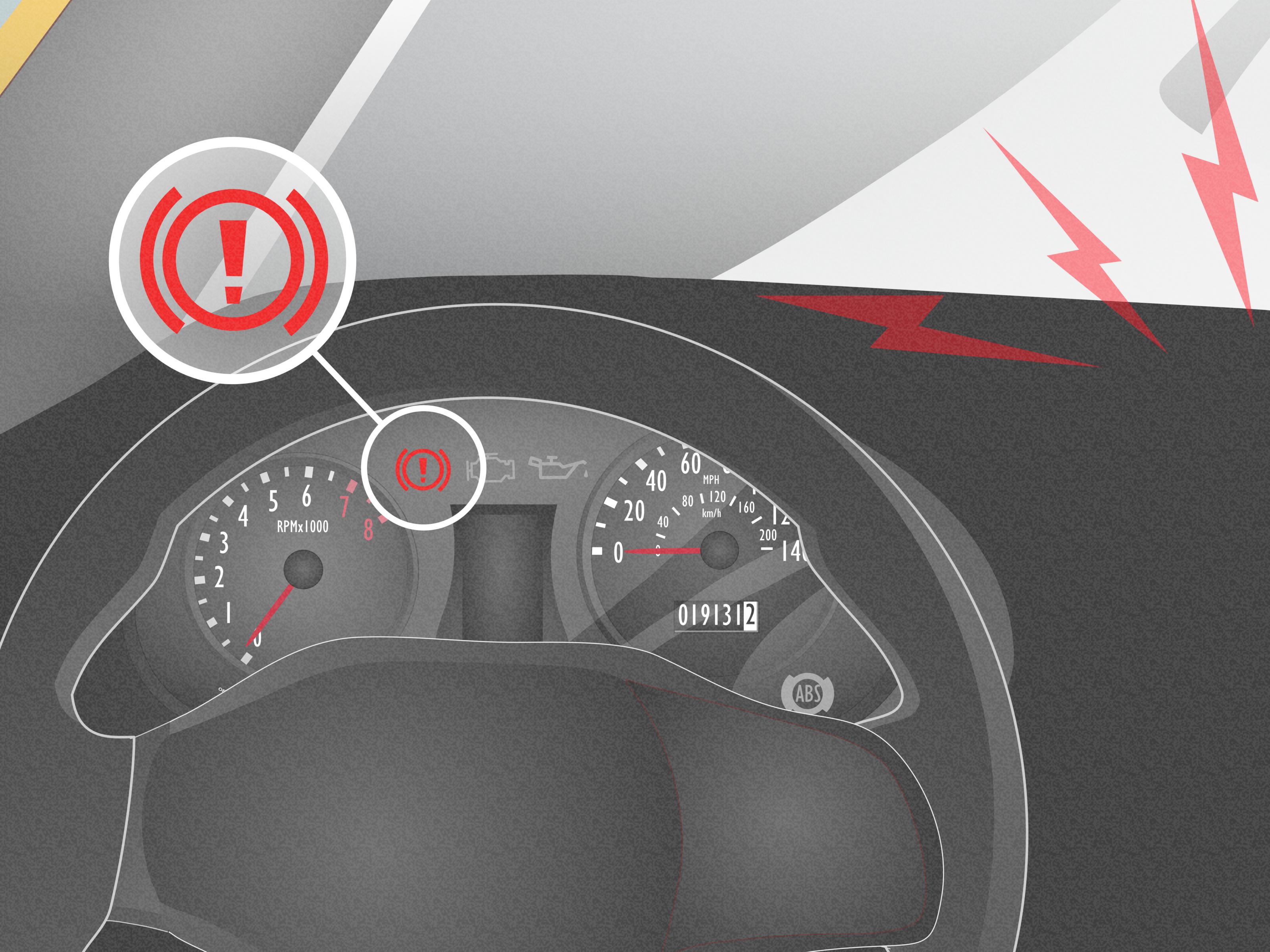
- Warning lights (brake system/ABS) or noticeably longer stopping distance.
Stop driving and get help now
- Grinding (metal-on-metal sound) or a harsh scraping that doesn’t go away.
- Soft/spongy pedal, pedal going too low, or braking feels unpredictable.
- Any situation where you feel unsafebrakes are not the place to “see if it gets better.”
Safety note: If you’re under 18, or you don’t have proper tools/training, treat brake work like electricity:
you can learn how it works, but leave the risky parts (lifting the car, removing wheels, disassembling calipers) to a trusted adult or a pro.
Top causes of squeaky brakes (and what they usually sound like)
1) Worn pads and the “wear indicator” squeal
Many brake pads include a small metal tab designed to scrape the rotor when pad material gets low. It creates a sharp, consistent squeal
that’s basically your car saying, “Hi, please schedule brake pads. Thanks!”
Common clues: squeal is steady, happens often, and doesn’t care about weather. Sometimes it’s louder with light braking.
Likely fix: pad replacement (and often hardware replacement at the same time). If pads are worn far enough, rotors may also be damaged.
2) Moisture + light surface rust (the “first stop of the day” soundtrack)
Rotors are bare metal, so they can develop a thin rust film after sitting in humid air or after rain. The first few brake applications
scrape it off. That temporary squeak is commonespecially if the car sits overnight.
Common clues: squeak appears after the car sits, then fades quickly; more likely in wet weather.
Likely fix: none. If it goes away quickly and braking feels normal, it’s often just “nature doing nature things.”
3) Brake dust, road grit, or a tiny pebble with big confidence
Debris can get between pad and rotor (or near the backing plate/dust shield), causing squeaks or light scraping.
Brake dust itself can contribute to noise, tooespecially when combined with moisture.
Common clues: noise may come and go, change with turning, or sound like a “chirp” at very low speeds.
Likely fix: inspection and cleaning. Sometimes the debris works itself out. Sometimes it needs professional attention.
4) Glazed pads or rotors (aka “too hot, too shiny, too squeaky”)
Hard braking, riding the brakes downhill, or repeated stop-and-go overheating can “glaze” the pad or rotor surface, making it smooth and slick.
Glazing can reduce bite and increase squealbecause friction becomes less consistent and vibration increases.
Common clues: squeal after heavy braking; braking may feel less responsive; sometimes a shiny rotor/pad surface is visible.
Likely fix: depends on severity. Light glazing may improve with proper bedding and normal driving. More severe cases often require new pads and possibly rotors.
5) Pad material choice (ceramic vs. semi-metallic vs. organic)
Some squeak is simply the “personality” of the pad compound. In general:
- Ceramic pads tend to be quieter and cleaner (less dust), often favored for daily driving comfort.
- Semi-metallic pads often handle heat well and provide strong performance, but can be noisier and dustier.
- Organic (NAO) pads can be quiet and gentle, but may wear faster depending on driving conditions.
Common clues: squeal is most noticeable with light braking; performance feels fine; noise started after a pad change.
Likely fix: switch pad type/brand next time, or add proper anti-squeal hardware/shims (usually done during installation).
6) Missing/worn brake hardware (clips, shims, springs) or lack of proper lubrication
Brake pads don’t just “sit there.” They rely on small pieces of hardware to prevent chatter and vibration. Over time, clips lose tension,
shims wear, and contact points can corrode. Dry slide pins or sticky movement can also contribute to noise and uneven wear.
Common clues: squeal persists even with decent pad thickness; noise may be worse at low speeds; sometimes one wheel is dustier than the others.
Likely fix: hardware replacement and cleaning/lubrication of the correct non-friction contact pointswork that’s best handled by a professional if you’re not experienced.
7) Rotor issues: grooves, rust lips, or thickness variation
A rotor with grooves or uneven thickness can create vibration and noise. Sometimes you’ll feel it as a pulsing pedal;
other times it’s more of a squeak or chirp.
Common clues: squeak plus pedal pulse; steering wheel wobble when braking; noise may change with speed.
Likely fix: rotor resurfacing (if within spec) or replacement, plus new pads. A shop can measure rotor thickness and runout accurately.
8) Caliper problems (sticking, dragging, or uneven pressure)
A sticking caliper or slide pin can keep a pad lightly touching the rotor, causing noise, heat, and faster wear.
This is one of the more important causes to catch earlybecause it can snowball into rotor damage and reduced braking performance.
Common clues: one wheel gets unusually hot, strong brake dust on one wheel, pulling, burning smell, or a squeak that becomes a grind.
Likely fix: professional inspection and repair (cleaning/servicing slide pins, replacing caliper if necessary).
What actually fixes squeaky brakes (the smart, non-mysterious stuff)
If your goal is “quiet brakes,” the winning strategy is usually a combination of:
- Replacing worn pads before they hit the backing plate (prevents grinding and rotor damage).
- Replacing hardware when you replace pads (clips and shims matter more than they look like they should).
- Ensuring proper pad fit and movement (no binding, no corrosion buildup at contact points).
- Proper bedding/burnishing of new pads so material transfers evenly to the rotor surface.
- Choosing quality pad compounds designed for low noise if comfort is your priority.
The “quick spray fix” you’ll see online is tempting, but it’s also the fastest way to create a bigger problem.
Anything oily on the rotor or pad friction surface can reduce braking power. Quiet brakes are not worth “surprise, no brakes.”
DIY-friendly checks & hacks (safe edition)
These are designed to be low-risk and “no jack stands required.” If any step feels sketchy, skip it and book an inspection.
Hack #1: Identify the squeak pattern like a detective
- Only after rain/car wash? Likely moisture/surface rust.
- Only at low speed with gentle braking? Often pad vibration/hardware/compound.
- Only in reverse? Sometimes dust, light corrosion, or parking brake/drum-in-hat quirks.
- Constant squeal? Could be wear indicator, glazing, or hardware.
- Grinding? Stop driving and get help.
Hack #2: Do a quick visual check through the wheel (no disassembly)
Many wheels let you see the outer brake pad and part of the rotor. You’re looking for obvious “uh-oh” signs:
extremely thin pad material, deep rotor grooves, or heavy rust buildup. If you can’t see much, don’t force itthis is just a quick glance.
Hack #3: Clean the wheels (carefully) to reduce dust-related noise
Brake dust can contribute to squeaks, especially when combined with moisture. A regular wheel wash can help keep dust from building up.
Don’t use compressed air to blow dust around, and don’t stick your face near the wheel while cleaning. Keep it simple and safe.
Hack #4: Check for a “pebble cameo” near the dust shield
Sometimes a tiny stone gets lodged near the backing plate/dust shield and makes an annoying scrape or chirp.
If the sound changes while turning or goes away randomly, this is a possibility. A shop can confirm quickly if you can’t see anything obvious.
Hack #5: Don’t ignore the parking brakeespecially if squeak happens in reverse
Some vehicles use a small drum-style parking brake inside the rear rotor. If it’s slightly out of adjustment or dirty,
it can make noiseoften noticed when backing up slowly.
Hack #6: Resist the WD-40 urge (your brakes are not a door hinge)
If you’re thinking, “What if I just spray something?”pause. Spraying lubricant near brake friction surfaces is risky,
and the consequences can be serious. The right lubricants belong only on specific hardware contact points, applied correctly,
typically during a brake service.
How to prevent brake squeak long-term
- Pick the right pad for your driving style: daily commuting comfort often pairs well with low-noise pad compounds (like many ceramics).
- Replace hardware with pads: clips and shims aren’t “optional confetti.” They’re noise control.
- Avoid overheating: keep following distance, don’t ride the brakes downhill, and brake smoothly when possible.
- Get periodic inspections: catching uneven wear early can prevent bigger repairs (and louder noises later).
- After lots of rain: brief noise can be normal, but ongoing squeal deserves a lookespecially if the car sits often.
FAQ: The questions everyone asks (usually while wincing)
Are squeaky brakes dangerous?
Sometimes. Brief squeaks after moisture can be normal. Persistent squeal can mean worn pads or hardware problems.
Grinding, vibration, pulling, or a soft pedal should be treated as urgent.
Why do my brakes squeak only in reverse?
Reverse braking can load pads differently and sometimes amplifies dust, light corrosion, or parking brake-related quirks.
If it’s occasional and mild, it may be harmless. If it’s loud or getting worse, get it inspected.
Why do new brakes squeak?
New pads and rotors may need break-in (bedding) to transfer material evenly and settle hardware into place.
Noise should improve over time. If it doesn’t, installation details (hardware, lubrication, rotor condition) may need re-checking.
Can I just live with squeaky brakes?
If it’s truly moisture-related and disappears quickly, yes. If it’s constant, it’s usually a warning signeither pads are worn,
hardware needs attention, or something is dragging. “Living with it” can turn a cheap pad job into an expensive rotor/caliper situation.
What’s the fastest “quiet it down” fix?
The fastest safe fix is an inspection that identifies the real causethen addressing it properly (pads, hardware, rotor condition, caliper movement).
Quick sprays and shortcuts are how people accidentally downgrade their brakes from “squeaky” to “sketchy.”
Real-life squeak stories: what it feels like when brakes start talking (and what people learn)
Let’s make this practicalbecause brake noise is rarely a calm, lab-like experience. It’s usually more like: you’re pulling into the school drop-off line,
it’s dead silent, and your car decides to perform a solo that makes everyone look up from their phones like, “Who brought the haunted minivan?”
One super common story starts after a rainy night. You hop in, roll out of the driveway, and the first gentle stop sounds like a squeaky shopping cart wheel.
Panic begins. Then, two stop signs later, the noise vanishes. That’s often just surface rust and moisture getting scrubbed offannoying, but normal.
People usually feel better once they notice the pattern: it happens after wet weather, it goes away quickly, and braking feels totally fine.
The “fix” is mostly emotional: recognizing it’s not an emergency every time clouds exist.
Another classic: the “only at low speeds” squeal. You don’t hear it on the highway. You don’t hear it when braking hard. But creeping through a parking lot?
Suddenly it’s a high-pitched chirp that sounds like a tiny bird moved into your wheel well. A lot of drivers discover this is where pad vibration loves to live:
light pressure, low speed, and just the right resonance. Sometimes it turns out the pads are near the wear indicator. Sometimes the pads are fine, but the hardware
is tired or the compound is a little chatty. The lesson here is simple: if it’s persistent for days, don’t guessinspect. Quiet brakes aren’t a vibe; they’re a safety check.
Then there’s the “I just got my brakes done and now they squeak” saga. This is especially frustrating because you paid money specifically to stop worrying.
In many cases, the brakes aren’t unsafejust noisy during break-in. But sometimes the installer reused old clips, skipped proper hardware alignment, or the pads aren’t a great match
for your driving style. People who solve this story usually learn two things: (1) brake jobs are more than “pads slapped on,” and (2) quality parts and proper hardware matter.
The quietest brakes often come from the boring details: correct shims, clean contact points, and components that move smoothly.
A more serious story starts with squeal that slowly becomes grinding. At first it’s intermittent. Then it’s daily. Then one morning it sounds like you’re dragging a metal chair
across a concrete floor. That’s often the moment people realize the wear indicator wasn’t “optional feedback.” Driving on grinding brakes can chew into rotors fast, turning a routine pad
replacement into rotor replacementand sometimes stressing the caliper too. The takeaway is blunt but helpful: squeal is your car whispering. Grinding is your car yelling.
Finally, there’s the “mystery squeak” that disappears right before you reach the mechanic. It’s basically the automotive equivalent of your phone glitching until tech support answers.
Some of these end up being tiny debris, a slightly bent dust shield, or a parking brake quirk that only shows up in reverse on humid mornings. The win is not “proving you’re not crazy”
(though that’s satisfying). The win is learning what patterns matter: weather-related and brief is often normal; persistent, worsening, or paired with vibration/heat is not.
Conclusion
Brake squeak is usually caused by vibrationand vibration has a long list of triggers: moisture, dust, pad wear indicators, glazing, pad material,
tired hardware, rotor issues, or calipers that aren’t moving smoothly. Some squeaks are harmless and temporary. Others are early warnings that can save you money (and stress)
if you act quickly.
If your squeak is brief and weather-related, it may be normal. If it’s persistent, getting louder, or paired with grinding, vibration, pulling, or a soft pedal,
get a brake inspection. Quiet is nice. Safe is non-negotiable.