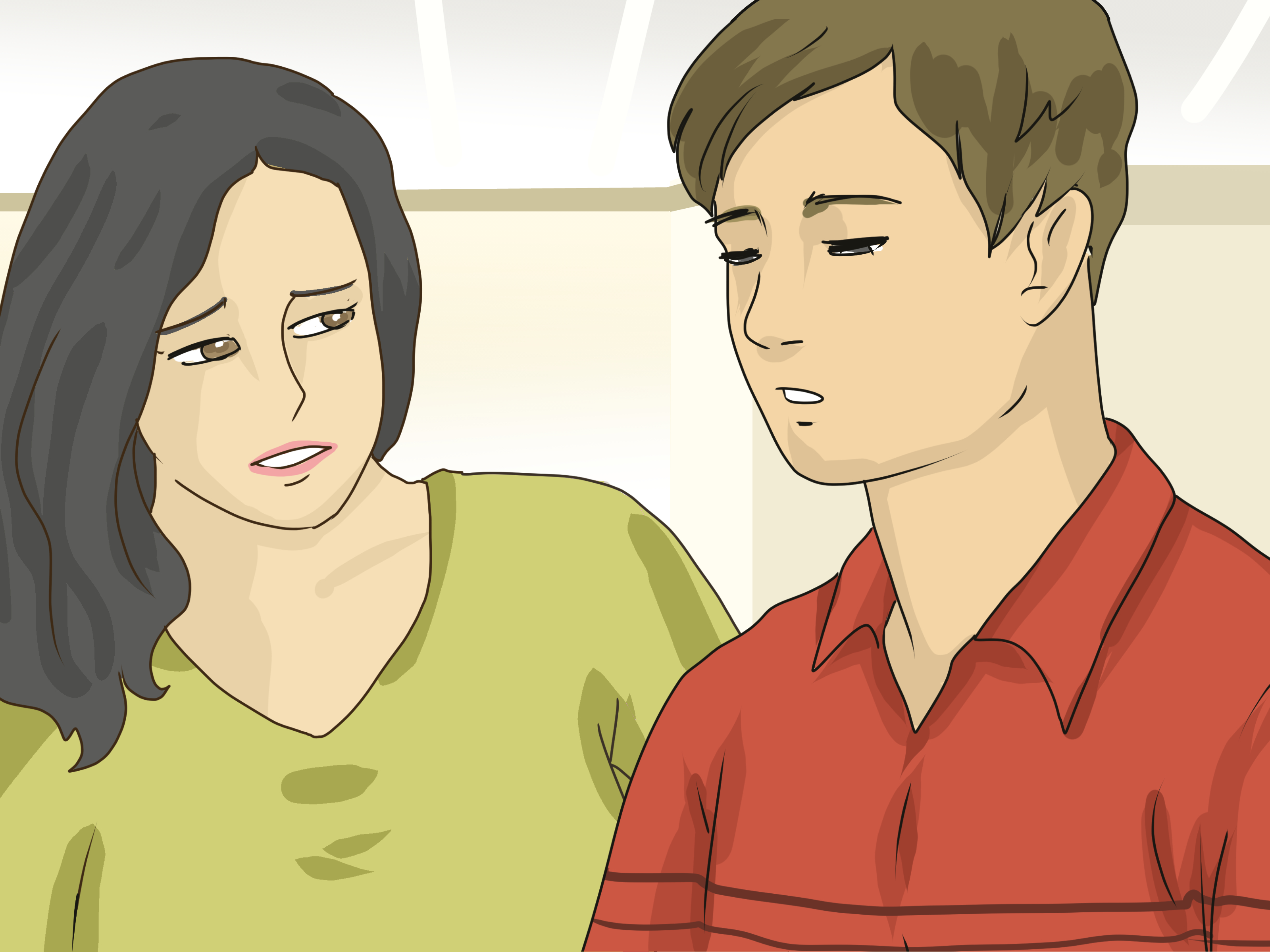
Note: “Daddy issues” is not a clinical diagnosis. It is a casual phrase people use to describe unresolved emotional pain, attachment wounds, or relationship patterns that may be connected to a father or father figure. This article is educational and should not replace help from a licensed mental health professional.
What Do “Daddy Issues” Mean in Men?
The phrase daddy issues in men can sound like something tossed around in a group chat after one dramatic breakup, but the topic underneath it is much more serious. In everyday language, “daddy issues” usually refers to emotional patterns that develop after a difficult, distant, absent, inconsistent, overly critical, or abusive relationship with a father or father figure.
For men, these patterns may show up in dating, friendships, work, parenting, self-esteem, anger, emotional intimacy, and the way they respond to authority. A man may not walk around saying, “Hello, my childhood attachment system is buffering,” but he may find himself reacting strongly to rejection, avoiding vulnerability, chasing approval, or feeling uncomfortable when someone treats him with genuine care.
Psychologically, the topic overlaps with attachment styles, childhood adversity, emotional neglect, trauma, masculinity expectations, and family dynamics. A father does not have to be completely absent to leave a wound. Sometimes the father was in the house, paid the bills, fixed the sink, and still never asked, “How are you really doing?” That kind of emotional absence can echo loudly.
Common Signs of Daddy Issues in Men
Not every man with a complicated father relationship will have the same symptoms. Some become people-pleasers. Some become emotionally unavailable. Some become high-achieving machines with the resting heart rate of a startled squirrel. The signs can be subtle or obvious, but they usually point to unmet emotional needs.
1. Fear of Abandonment
A man with unresolved father wounds may panic when someone pulls away, cancels plans, or needs space. He may read ordinary distance as rejection. In romantic relationships, this can lead to clinginess, jealousy, repeated texting, or constantly asking, “Are we okay?” The question may sound simple, but underneath it is often a deeper fear: “Will you leave like he did?”
2. Trouble Trusting Others
If a father was unreliable, dishonest, unpredictable, or emotionally unsafe, trust can feel risky later in life. The man may expect betrayal even when there is no evidence. He might test partners, keep emotional walls high, or assume kindness has a hidden agenda. In his mind, trust is not a bridge; it is a trapdoor.
3. Avoiding Emotional Vulnerability
Some men respond to father wounds by shutting down. They may say, “I’m fine,” with the emotional range of a refrigerator. Vulnerability may feel weak, embarrassing, or dangerous, especially if their father mocked feelings, punished sensitivity, or modeled emotional silence. This can make relationships frustrating because the man may crave closeness but freeze when closeness arrives.
4. Seeking Approval From Authority Figures
A man who never felt seen by his father may keep trying to earn validation from bosses, mentors, coaches, older men, or social groups. He may become obsessed with achievement, status, money, fitness, or being “the best.” Ambition is not the problem. The problem appears when success becomes a substitute for feeling worthy.
5. Anger Toward Men or Authority
Some men carry resentment toward fathers, male leaders, or anyone who reminds them of being controlled or criticized. They may become defensive when corrected, hostile toward authority, or quick to interpret feedback as disrespect. Under the anger, there may be grief, humiliation, or a long history of feeling powerless.
6. Repeating Toxic Relationship Patterns
People often gravitate toward familiar emotional dynamics, even when those dynamics hurt. A man who grew up around criticism may choose partners who criticize him. A man who had to chase affection may pursue emotionally unavailable people. It is not because he enjoys pain; it is because the nervous system sometimes mistakes familiarity for safety. Terrible design, honestly, but very human.
7. Jealousy and Possessiveness
Jealousy can develop when a man fears he is not enough. If he grew up feeling replaceable, ignored, or compared to others, romantic insecurity may become intense. He may monitor, accuse, or demand reassurance. While the feeling may be understandable, controlling behavior is still harmful and must be addressed.
8. Difficulty With Healthy Masculinity
A father figure often shapes a boy’s early ideas about manhood. If the model was cold, aggressive, absent, addicted, controlling, or ashamed of emotion, the son may struggle to define masculinity for himself. He may swing between extremes: tough and detached one moment, needy and lost the next. Healing often means building a version of manhood rooted in responsibility, emotional honesty, and respect.
9. Low Self-Worth Hidden Behind Confidence
Some men with daddy issues look incredibly confident from the outside. They may be successful, charming, funny, athletic, or socially dominant. But inside, they may feel like they are one mistake away from being exposed as unlovable. This is why external confidence and internal security are not the same thing. A shiny car can still have a check-engine light.
What Causes Daddy Issues in Men?
The causes of daddy issues in men are not always dramatic. Sometimes the wound comes from obvious trauma. Other times, it comes from years of emotional hunger that no one noticed.
Absent Father
Physical absence can happen because of divorce, abandonment, incarceration, military service, death, work demands, or family separation. Absence does not automatically damage a child, especially when other supportive adults are present. But when the absence is unexplained, painful, or paired with instability, it can affect a boy’s sense of safety and belonging.
Emotionally Unavailable Father
An emotionally unavailable father may be physically present but distant. He may provide money, discipline, or practical help while avoiding affection, praise, comfort, or meaningful conversation. The child may learn that emotions are inconvenient, love must be earned, and needing support is embarrassing.
Harsh Criticism or Perfectionism
A father who constantly criticizes, compares, mocks, or demands perfection can create deep insecurity. The son may grow up believing he is only valuable when he performs well. Later, he may become terrified of failure, overly competitive, or unable to enjoy success because nothing ever feels good enough.
Abuse, Neglect, or Household Chaos
Physical abuse, emotional abuse, sexual abuse, neglect, substance misuse, domestic violence, and chronic family instability can all affect adult mental health and attachment. These experiences may create hypervigilance, anxiety, shame, anger, dissociation, or difficulty feeling safe in relationships.
Overcontrol or Enmeshment
Not all father wounds come from absence. Some come from too much control. A father who invades privacy, dominates decisions, discourages independence, or uses guilt to maintain closeness can make adulthood confusing. The son may struggle with boundaries, autonomy, and confidence in his own choices.
Intergenerational Patterns
Many fathers parent from what they were taught. A man raised by a cold or harsh father may repeat that behavior unless he learns another way. This does not excuse harm, but it explains why family patterns can travel across generations like emotional luggage nobody remembers packing.
How Daddy Issues Affect Romantic Relationships
Romantic relationships often activate old attachment wounds because love requires trust, vulnerability, and emotional risk. A man may be calm at work, funny with friends, and completely scrambled when intimacy enters the room wearing nice shoes.
Some men become anxious partners. They need frequent reassurance, fear being abandoned, and may overthink every change in tone. Others become avoidant partners. They pull away when things get serious, feel trapped by emotional needs, or convince themselves they do not care. Some move between both patterns, craving closeness and then panicking once they get it.
In relationships, daddy issues may look like choosing unavailable partners, sabotaging healthy love, confusing intensity with intimacy, struggling to communicate needs, fearing vulnerability, or using sex, success, humor, anger, or silence to avoid deeper feelings.
How Daddy Issues Affect Friendships and Work
The father wound does not politely stay inside romantic relationships. It may show up in friendships, career choices, leadership, conflict, and self-discipline.
At work, a man may overperform to win approval, resist feedback from male supervisors, or feel crushed by criticism. In friendships, he may avoid emotional conversations, compete instead of connect, or feel uncomfortable receiving support. He may also become the “fixer” who helps everyone else while quietly refusing to admit he needs help too.
Are Daddy Issues the Same as Trauma?
Not always. Some father wounds are trauma-related, especially when abuse, neglect, fear, or chronic instability were involved. Others are better understood as attachment injuries or unresolved grief. A man can be deeply affected by a father relationship without meeting criteria for post-traumatic stress disorder.
The important point is not whether the label is dramatic enough. If the pattern is affecting relationships, self-worth, emotional regulation, or daily life, it deserves attention. Pain does not need to win a trophy before it gets care.
How Men Can Start Healing Daddy Issues
Name the Pattern Without Shaming Yourself
The first step is noticing what keeps repeating. Do you chase unavailable people? Do you shut down when someone wants emotional closeness? Do you become furious when criticized? Do you feel like nothing you do is enough? Naming the pattern creates space between the old wound and the current choice.
Understand Your Attachment Style
Learning about secure, anxious, avoidant, and disorganized attachment can help explain relationship habits. These styles are not permanent labels. They are patterns, and patterns can change with self-awareness, safe relationships, and consistent practice.
Practice Emotional Language
Many men were taught only three acceptable emotions: fine, hungry, and mad. Healing often requires expanding the vocabulary. Instead of saying “I’m pissed,” try asking what is underneath: hurt, afraid, embarrassed, rejected, lonely, disappointed, or overwhelmed. Specific language helps the brain process emotion more effectively.
Set Boundaries With Your Father if Needed
Healing does not always require a dramatic confrontation. Sometimes it means limiting certain conversations, refusing disrespect, lowering expectations, or accepting that your father may never become the emotionally fluent person you needed. Boundaries are not revenge. They are maintenance for your nervous system.
Find Healthy Male Role Models
Mentors, coaches, therapists, friends, uncles, teachers, community leaders, and emotionally mature peers can all help reshape what masculinity looks like. A healthy male role model does not need to be perfect. He needs to be consistent, accountable, respectful, and capable of repair.
Consider Therapy
Therapy can help men process childhood pain, understand attachment patterns, reduce shame, improve communication, and build healthier relationships. Helpful approaches may include cognitive behavioral therapy, trauma-informed therapy, attachment-based therapy, family systems therapy, inner-child work, EMDR for trauma, or couples therapy when relationship patterns are active.
How Partners Can Support a Man With Daddy Issues
If you love a man with father wounds, compassion mattersbut so do boundaries. You can offer patience, honest communication, and reassurance, but you cannot become his therapist, emotional punching bag, or replacement parent. Support sounds like, “I care about you, and I want us to communicate better.” It does not sound like accepting jealousy, cruelty, stonewalling, or control.
Encourage reflection. Celebrate progress. Avoid mocking his pain. At the same time, be clear about what behavior is not acceptable. A painful childhood may explain a reaction, but it does not excuse harming others.
When to Seek Professional Help
A man should consider professional support if father-related pain leads to repeated relationship conflict, intense jealousy, emotional shutdown, panic around abandonment, depression, anxiety, substance misuse, rage, self-harm thoughts, trauma symptoms, or difficulty functioning. Therapy is not a punishment for being broken. It is training for patterns nobody taught you how to handle.
Experiences Related to Daddy Issues in Men: Realistic Examples
Example 1: The high achiever who never feels successful. Marcus grew up with a father who praised results but rarely praised effort. If Marcus got an A, his father asked why it was not an A+. If he made the team, his father asked why he was not captain. As an adult, Marcus became successful, disciplined, and admired. He also felt exhausted. Every promotion gave him a two-hour confidence boost before the old voice returned: “Still not enough.” In relationships, he struggled to relax because being loved for who he was felt suspicious. He was used to earning approval like a full-time job with no vacation days.
Example 2: The emotionally distant boyfriend. Daniel’s father was present but silent. The family never talked about fear, sadness, or disappointment. Problems were handled by ignoring them until everyone pretended things were normal. As an adult, Daniel cared deeply about his partner, but whenever she asked for emotional closeness, he froze. He changed the subject, made jokes, or disappeared into work. His partner thought he did not care. In reality, he cared so much that he felt overwhelmed. He had never learned how to stay present during emotional discomfort.
Example 3: The jealous partner. Chris’s father left when he was young and returned unpredictably. Sometimes he promised visits and never showed up. Sometimes he appeared with gifts and big apologies. Chris learned that love could vanish without warning. In adulthood, he became anxious in relationships. If his partner took longer to reply, he imagined betrayal. If she went out with friends, he felt replaced. His jealousy was not love; it was fear wearing a very unattractive hat. Healing began when he learned to separate old abandonment panic from present reality.
Example 4: The man who distrusts authority. Ethan had a controlling father who used criticism as motivation. As an adult, Ethan bristled whenever a boss corrected him. Even mild feedback felt like humiliation. He either argued, shut down, or secretly planned to quit. Over time, he realized he was not only responding to his manager; he was responding to years of feeling small around his father. Learning this did not instantly fix the pattern, but it helped him pause before reacting.
Example 5: The new father determined to break the cycle. Andre became a father and suddenly felt grief he had avoided for years. Holding his baby made him realize how young he had been when he needed comfort and did not receive it. At first, he worried he would repeat his father’s coldness. Instead, he joined a parenting group, started therapy, and practiced saying things he had never heard: “I’m proud of you,” “I’m listening,” and “Your feelings matter.” Healing did not mean his past disappeared. It meant his child did not have to inherit it.
These examples are not universal, but they show how daddy issues in men can appear in ordinary life. The wound may look like ambition, anger, silence, jealousy, avoidance, humor, perfectionism, or independence. That is why the goal is not to slap a label on every man with a complicated father relationship. The goal is to understand the story behind the behavior and decide what comes next.
Conclusion
Daddy issues in men are not about blaming fathers forever or turning every bad dating habit into a childhood documentary. They are about recognizing that early relationships can shape adult beliefs about love, trust, masculinity, safety, and self-worth. A distant, absent, critical, abusive, or inconsistent father figure can leave emotional patterns that follow a man into dating, friendships, work, and parenting.
The good news is that these patterns are not life sentences. Men can heal by naming their wounds, learning emotional language, building secure relationships, setting boundaries, finding healthy role models, and getting professional support when needed. A painful father story may explain where a man started, but it does not have to decide where he finishes.