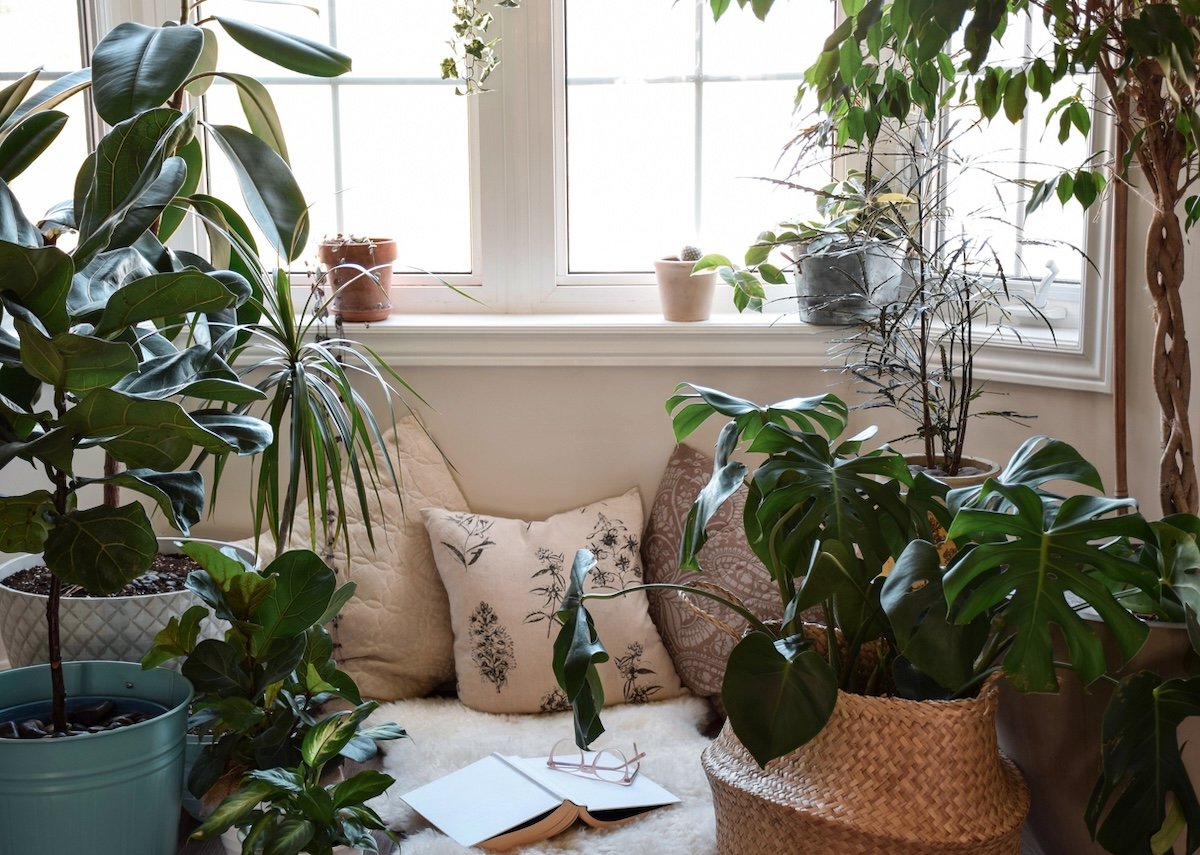
Some homes feel alive the second you walk in. The light lands softly, the corners do not look forgotten, and the room has that subtle “I have my life together” energyeven if there is still a laundry chair hiding somewhere. Feng shui plants can help create that feeling. They add color, texture, freshness, and symbolic meaning to a space, making your home feel calmer, warmer, and more intentional.
In feng shui, living plants represent the wood element, which is associated with growth, renewal, flexibility, compassion, and forward movement. That does not mean a money tree will magically pay your mortgage, although if it starts offering financial advice, please listen politely. It means plants can support the mood and flow of a room when they are chosen carefully, placed thoughtfully, and kept healthy.
This guide explores 15 feng shui plants that are popular for bringing good energy into the home. You will find practical care tips, ideal placements, symbolism, and a few honest warningsbecause a dying plant in the prosperity corner is less “abundance” and more “we need to talk.”
Why Plants Matter in Feng Shui
Feng shui is the ancient Chinese practice of arranging spaces to support harmony, balance, and the movement of chi, or life-force energy. While modern homeowners may approach feng shui from different perspectivesspiritual, cultural, design-focused, or simply practicalthe core idea is easy to understand: your surroundings affect how you feel.
Plants are especially powerful because they are living decor. Unlike a throw pillow, they grow, lean toward light, respond to care, and quietly remind you that life is always moving. Healthy greenery softens sharp corners, brightens stagnant areas, and brings a natural rhythm into rooms dominated by screens, walls, wires, and furniture with suspiciously complicated assembly instructions.
How to Choose Good Feng Shui Plants
Pick healthy, thriving plants
The best feng shui plant is not necessarily the rarest or most expensive one. It is the plant that can actually thrive in your home. A lush, healthy pothos on a kitchen shelf brings better energy than a dramatic imported plant slowly auditioning for a tragedy.
Favor rounded, soft, or upward-growing leaves
Rounded leaves are often associated with gentle, nourishing energy. Upward growth suggests progress and vitality. Spiky plants, such as cacti, can still be useful in some design situations, but they are often considered too sharp for areas meant for rest, connection, or ease.
Match the plant to the room
A bathroom may suit humidity-loving ferns, while a bright office may welcome jade, money tree, or snake plant. Bedrooms call for restraint; one peaceful plant is better than turning your nightstand into a rainforest with a charging cable.
Consider pets and children
Many popular houseplants can be irritating or toxic if chewed by cats, dogs, or curious toddlers. If your pet treats leaves like a salad bar, research each plant carefully and place risky plants out of reach.
15 Feng Shui Plants to Bring Good Energy Into Your Home
1. Jade Plant
The jade plant is one of the classic feng shui plants for wealth and prosperity. Its thick, oval leaves resemble small coins, which explains why it is often placed in offices, entryways, and wealth corners. It has a sturdy, miniature-tree shape that gives a room a grounded, confident look.
Jade plants prefer bright light and well-draining soil. Let the soil dry between waterings, because this succulent dislikes soggy roots. Overwatering a jade plant is like giving it too much affection too quicklyit panics, drops leaves, and questions the relationship.
Best placement: A sunny office, entry table, or wealth area. Keep it near bright indirect light, not in a dark corner where prosperity goes to nap.
2. False Shamrock
False shamrock, or Oxalis triangularis, is admired for its triangular purple or green leaves that open and close with the light. Its three-part leaf shape is linked with luck, making it a charming choice for small spaces, desks, and windowsills.
This plant likes bright indirect light and evenly moist soil, but it may enter dormancy and look like it has dramatically quit the household. Do not panic. Reduce watering, let it rest, and wait for new growth to return.
Best placement: A cheerful kitchen window, home office, or small table where its color can add personality without overwhelming the room.
3. Money Tree
The money tree is practically born for feng shui fame. Often sold with a braided trunk and glossy leaves, it symbolizes prosperity, balance, and good fortune. Its five-leaf clusters are sometimes connected to the five elements, making it a favorite for people who want symbolic meaning without high-maintenance drama.
Money trees prefer bright indirect light and moderate watering. Allow the top layer of soil to dry before watering again. They do not enjoy sitting in water, which is fair; most of us do not either unless we are on vacation.
Best placement: Living rooms, offices, entryways, or the wealth corner of your home. It also works beautifully near a desk where financial goals are planned.
4. Snake Plant
The snake plant is strong, upright, and nearly impossible to embarrass. Its sword-like leaves make it a bold architectural plant, and in feng shui it is often used for protection and strong energy. Although sharp leaves are sometimes avoided in feng shui, snake plants are frequently interpreted as guardians when placed correctly.
Snake plants tolerate low light but grow best in bright indirect light. They are drought-tolerant and should be watered sparingly. If you forget to water it occasionally, the snake plant will likely forgive you faster than your group chat.
Best placement: Entryways, home offices, or corners that need structure. Avoid placing too many sharp-leaved plants in bedrooms or relaxation zones.
5. Areca Palm
The areca palm brings movement, softness, and tropical elegance. Its feathery fronds can make a dull corner feel alive, which is useful because feng shui often views neglected corners as areas where energy becomes stagnant.
Areca palms like bright indirect light and consistent moisture without waterlogged soil. They also appreciate humidity, so they are a good fit for homes that are not desert-dry indoors.
Best placement: Living rooms, dining rooms, or large entry areas. Use it where you need height, softness, and a little “vacation but responsible” energy.
6. Boston Fern
Boston ferns have lush, arching fronds that soften shelves, bathrooms, porches, and hanging baskets. In feng shui, their abundant foliage can help balance areas with draining water energy, especially bathrooms.
They prefer bright indirect light, moist soil, and higher humidity. If the air is too dry, they may shed tiny leaves everywhere, turning your floor into confetti no one asked for.
Best placement: Bathrooms with natural light, humid kitchens, or hanging planters in bright rooms.
7. Lucky Bamboo
Lucky bamboo is not true bamboo; it is a dracaena. Still, it has earned its lucky reputation. Its upright stalks symbolize strength, resilience, growth, and good fortune. Different numbers of stalks are often associated with different intentions, such as harmony, health, or prosperity.
Lucky bamboo can grow in water or soil. If grown in water, keep the roots covered and change the water regularly. It prefers bright filtered light and warm indoor temperatures.
Best placement: Desks, entry tables, or relationship areas. It is especially useful when you want vertical energy without a large footprint.
8. Peace Lily
The peace lily is elegant, calming, and dramatic enough to tell you when it is thirsty by drooping like it just heard bad news. Its glossy leaves and white blooms symbolize peace, healing, hope, and emotional balance.
Peace lilies tolerate lower light, although they bloom better in bright indirect light. Keep the soil lightly moist but not soggy. Be aware that peace lilies can be toxic to pets and children if ingested.
Best placement: Living rooms, meditation corners, or quiet spaces that benefit from calm energy and soft shapes.
9. Rubber Plant
The rubber plant has large, rounded leaves that make it a strong feng shui choice for abundance and upward growth. It looks polished without being fussy, which is why it works well in modern interiors, offices, and formal living rooms.
Rubber plants prefer bright indirect light and evenly moist, well-drained soil. Wipe the leaves occasionally so they can absorb light efficiently and keep their handsome shine.
Best placement: Wealth areas, family rooms, or any space where you want a grounded statement plant.
10. Spider Plant
The spider plant is friendly, forgiving, and generous. It produces baby plantlets that dangle from long stems, making it a symbol of growth, continuity, and sharing. It is also one of the better choices for pet-friendly homes, though pets may still treat the leaves like entertainment.
Spider plants like bright indirect light but can adapt to moderate light. Water when the top inch of soil dries out. They are easy to propagate, which makes them perfect for gifting.
Best placement: Home offices, kitchens, shelves, or hanging baskets where the arching leaves can create movement.
11. Aloe Vera
Aloe vera is associated with healing, protection, and soothing energy. Its gel is widely known for use on minor burns and skin irritation, though it should be used carefully and not ingested without medical guidance.
Aloe needs bright light and a sandy, well-draining potting mix. Water deeply but infrequently, letting the soil dry well between waterings. Too much water can turn this helpful plant into a mushy cautionary tale.
Best placement: Sunny kitchens, bright bathrooms, or wellness corners. Keep it away from pets, as aloe can be toxic if eaten.
12. Golden Pothos
Golden pothos is one of the easiest feng shui plants for beginners. Its heart-shaped leaves and trailing vines symbolize abundance, growth, and flowing energy. It is often used to soften sharp shelves, brighten offices, and bring life to kitchens.
Pothos tolerates low light but grows faster in bright indirect light. Let the soil dry slightly between waterings. It is mildly toxic if ingested, so place it carefully in homes with pets or small children.
Best placement: Kitchens, offices, bookshelves, or high planters where vines can trail gracefully.
13. African Violet
African violets bring color, softness, and cheerful energy to small spaces. Their rounded fuzzy leaves and purple blooms connect beautifully with feng shui themes of wealth, beauty, and gentle nourishment.
They prefer bright filtered light and careful watering. Avoid splashing cold water on the leaves, and do not let the crown sit wet. African violets reward patience with repeated blooms, which is a very polite way for a plant to say, “You did not overwater me. Congratulations.”
Best placement: Bright windowsills, desks, or small tables where their flowers can be enjoyed up close.
14. ZZ Plant
The ZZ plant is glossy, upright, and famously low-maintenance. Its waxy leaves grow in a pattern that some compare to coins, making it a favorite for success, wealth, and steady progress.
ZZ plants tolerate low light and drought, but they do best in bright indirect light with moderate watering. Let the soil dry before watering again. Like many hardy plants, it does not need constant fussing; helicopter parenting is not required.
Best placement: Hallways, offices, entryways, or low-light corners that need life without demanding attention every morning.
15. Heart-Leaf Philodendron
The heart-leaf philodendron is loved for its glossy, heart-shaped leaves and trailing growth. In feng shui, heart-shaped foliage is linked with warmth, kindness, emotional ease, and connection.
This plant grows well in medium to bright indirect light and tolerates occasional missed waterings. It enjoys humidity but does not require a spa membership. Prune it when vines get too long, and use cuttings to grow new plants.
Best placement: Bathrooms with light, bedrooms in moderation, shelves, or living rooms where trailing vines can soften edges.
Best Rooms for Feng Shui Plants
Entryway
The entryway is where energy enters the home, so choose plants that look healthy, upright, and welcoming. Money tree, jade, snake plant, and ZZ plant are strong options. Avoid cluttering the doorway; the goal is “welcome,” not “botanical obstacle course.”
Living Room
Living rooms can handle larger plants because they are social, active spaces. Areca palm, rubber plant, peace lily, and pothos all work well. Use plants to soften corners, frame windows, or bring balance to heavy furniture.
Home Office
For focus and productivity, choose plants with upward growth or clear structure. Snake plant, jade, ZZ plant, spider plant, and money tree are excellent office companions. Place a plant near your desk, but do not crowd your work surface unless you enjoy moving leaves every time you reach for coffee.
Bathroom
Bathrooms are associated with draining water energy, so plants can help soften that effect. Boston fern, pothos, peace lily, and heart-leaf philodendron are good choices if the bathroom has enough natural light.
Bedroom
Feng shui advice about bedroom plants varies. Some practitioners recommend avoiding too many plants because active growth energy may disturb rest. A single soft plant, such as a heart-leaf philodendron or small peace lily, can work if the room feels calm and uncluttered.
Common Feng Shui Plant Mistakes
Keeping dead or struggling plants
A dying plant does not bring vibrant energy. Trim dead leaves, refresh soil when needed, and replace plants that cannot recover. There is no shame in composting a plant and starting again; even experienced plant lovers have a “we do not speak of that fern” chapter.
Overwatering
Overwatering is one of the most common reasons houseplants decline. Good feng shui begins with good drainage. Use pots with drainage holes, water according to the plant’s needs, and check the soil before adding more.
Choosing plants only for symbolism
A plant’s symbolic meaning matters, but its real-life care needs matter more. If your home is dark, do not choose a sun-loving plant just because it represents wealth. A healthy low-light ZZ plant will do more for your space than a sad jade plant begging for a window.
Ignoring scale
Large plants can anchor a room, but too many can overwhelm it. Small plants can brighten shelves, but too many tiny pots may create visual clutter. Balance is the heart of feng shui, and yes, that includes not turning every surface into a nursery.
Personal Experience: What Feng Shui Plants Really Change at Home
The most noticeable change feng shui plants bring is not always mystical. Sometimes it is wonderfully ordinary. A plant near the front door makes you pause before rushing in. A pothos trailing from a shelf softens a room that once felt too square and serious. A jade plant on a desk makes financial planning feel slightly less like punishment. These small shifts matter because a home is not just a container for furniture; it is the place where your mood gets built every day.
One practical experience many homeowners share is that plants create routines. You start checking the soil on Sunday morning. You rotate the money tree so it grows evenly. You wipe dust from a rubber plant leaf and suddenly notice that the whole corner needs attention. A plant becomes a quiet reminder to care for the room, and by extension, yourself. That is feng shui in its most useful form: not superstition, but awareness.
In a home office, the effect can be surprisingly strong. A snake plant or ZZ plant beside the desk gives the workspace a more grounded feeling. When your laptop is open, email is multiplying like gremlins, and your coffee has gone cold, a living plant adds visual relief. It breaks up the hard lines of screens and furniture. It also signals that the office is not just a place to produce work; it is a place where energy should be protected.
In the living room, larger plants can change the emotional temperature of the space. An areca palm in an empty corner makes the room feel less abandoned. A peace lily near a reading chair can create a calm focal point. A trailing philodendron can make shelves look collected rather than crowded. These are not huge renovations. No walls are moved. No contractor disappears with your deposit. Yet the room feels more complete.
Bathrooms are another place where plants make a noticeable difference. A fern or pothos can soften tile, mirrors, metal fixtures, and all those practical surfaces that make bathrooms feel cold. If the room has light, a plant can make it feel more spa-like without requiring a luxury budget or a towel warmer named Sebastian.
The biggest lesson is to start small. Choose one plant that fits your light conditions and lifestyle. Learn how it responds. Then add another when the care feels natural. Feng shui plants work best when they are part of a thoughtful home, not a shopping spree. A single thriving plant carries better energy than fifteen stressed plants silently plotting their escape.
Conclusion
Feng shui plants bring beauty, symbolism, and a sense of living energy into the home. Whether you choose a money tree for prosperity, a peace lily for calm, a snake plant for protection, or a heart-leaf philodendron for softness, the real magic comes from matching the right plant to the right place.
Healthy plants can brighten stagnant corners, soften harsh lines, and help rooms feel more balanced. They can also remind you to slow down, notice your environment, and care for the little things before they become big things. In that way, feng shui plants are not just decorations. They are small, leafy partners in creating a home that feels welcoming, grounded, and alive.
Note: This article blends traditional feng shui symbolism with practical houseplant care. Plant safety varies by species, so always check toxicity before bringing a plant into a home with pets or young children.